Everyday diamonds, stackable minimal jewelry becomes a wardrobe staple
A thin diamond hoop, a fine chain, a slender band: minimal jewelry is now the daily diamond uniform, built to layer, live in, and wear without ceremony.
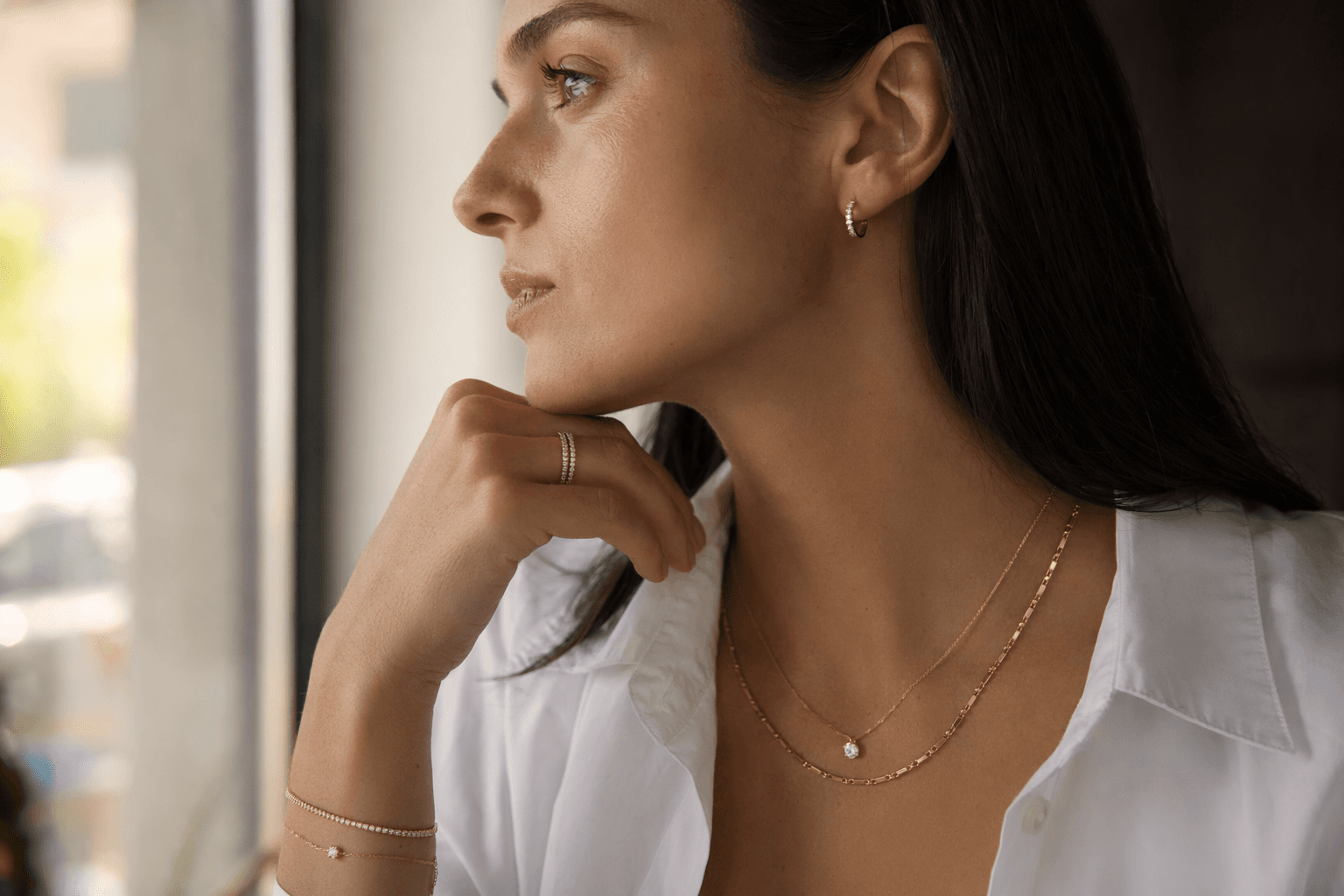
The new diamond uniform
A thin diamond hoop, a fine chain, a slender band: that is the shape of the modern jewelry wardrobe. Diamonds are moving out of the special-occasion box and into daily rotation, where stackable rings, layered bracelets, and mix-and-match pieces read as part of the outfit rather than the finale.
The timing matters. Statista projects worldwide jewelry revenue at US$408.64 billion in 2026, and that scale helps explain why the category is leaning into pieces that feel easy, personal, and repeatable. In a market that large, the winning idea is no longer only spectacle. It is wearability.
Why everyday diamonds feel right now
The shift is partly emotional and partly practical. News18’s Valentine’s Day coverage in 2025 framed everyday diamond jewelry as a new language of love, especially among millennials and Gen Z, who want pieces that blend elegance, practicality, and personal sentiment. Neil Sonawala of Zen Diamond India put the point plainly: these buyers are looking for jewelry that can move from gesture to routine without losing meaning.
That same instinct shows up in News18’s Women’s Day 2026 trend story, which described leading houses moving beyond occasion-wear and designing minimal rings, symbolic pendants, tennis bracelets, and lightweight diamond pieces to be lived in, layered, and worn across contexts. Malabar Gold & Diamonds, Zen Diamond India, and CaratLane are all part of that conversation, and the styling direction is consistent: less one-night drama, more daily rhythm.
There is also a larger market logic at work. The Natural Diamond Council said consumer demand for natural diamonds and jewelry remained remarkably resilient in 2025 despite tariffs, inflation, and a sharp rise in gold prices. In uncertain periods, jewelry that feels familiar and flexible tends to look smarter than anything overly precious or overly elaborate.
Start with one piece, then let it repeat
If you are building this look from scratch, begin with the piece that sits closest to your life. A slender diamond band or a pair of diamond huggies is the most versatile entry point because both can disappear into a weekday uniform or sharpen a simple evening look. National Jeweler’s holiday trend watch named diamond huggies, studs, tennis necklaces, bangles, and charms as key styles, and that list tells you something important: the strongest everyday diamonds are not loud, they are adaptable.
The best first buy has a clear silhouette and a hard-working setting. A bezel can feel cleaner and more modern than prongs when you want a low-profile piece that moves easily under sleeves and hair, while small prong-set stones create a bit more sparkle and air around the diamond. Either way, the point is restraint. Everyday jewelry should sit close to the body and feel like part of your architecture.
How to layer diamonds with plain metal
The simplest way to avoid looking overstyled is to let one element lead and the rest follow. If the diamond piece is the star, pair it with plain gold or platinum bands, a polished bangle, or a fine chain that gives the eye room to rest. The mix keeps the look from tipping into costume and makes the diamonds read as punctuation rather than overload.
Stackable rings work best when the proportions vary. A slim pavé band beside a plain polished band creates contrast without clutter, and a single slightly wider ring can anchor two finer ones. On the wrist, a diamond tennis bracelet looks more contemporary when it is worn with a smooth cuff or a second bracelet in solid metal, especially if the metal piece has a little weight to it.
The bracelet and necklace formulas that never feel fussy
Layering is most convincing when the pieces share an easy length progression. Start with a diamond tennis bracelet, then add a second bracelet that is plain metal, chain-based, or minimally textured. The same rule applies to the neckline: a diamond line necklace or tennis necklace can sit above or below a simple chain, but the spacing should feel intentional, not crowded.
JCK reported that Hearts On Fire unveiled its Dream collection in late March 2026 as an everyday-wear diamond line, which fits the broader move toward pieces designed to be lived in rather than saved. That kind of collection succeeds because it understands proportion. Small stones, light articulation, and a clean profile make diamonds feel like something you wear with a white shirt, not only with an evening dress.
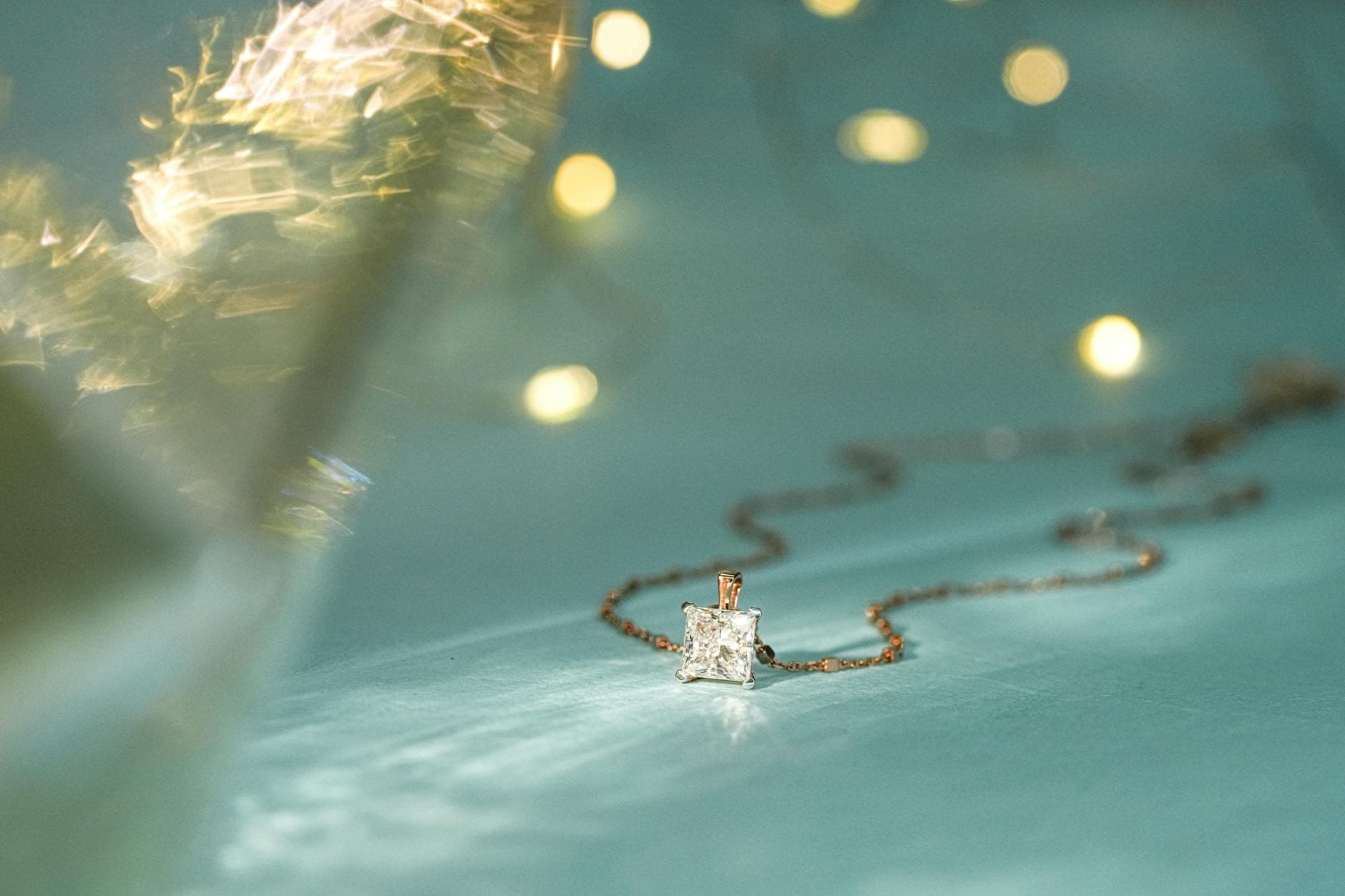
The brand mood: symbolic, light, and easy to repeat
What stands out across the current collections is how often symbolism appears alongside simplicity. News18’s Women’s Day coverage highlighted minimal rings and symbolic pendants, which is telling: the jewelry is still personal, but the execution is pared back. Malabar Gold & Diamonds’ ZOUL collection and Zen Diamond India’s Solitaire Midnight Spark Tennis Bracelet both sit in that territory, where sentiment is expressed through line and sparkle rather than excess.
This is also why the trend has staying power beyond a single season. National Jeweler quoted designer Jade Trau on the appeal of jewelry that feels familiar and flexible enough to wear every day and layer with pieces already owned. That idea captures the most useful rule in the category: new diamonds should not demand a new wardrobe. They should slip into the one you already have.
What makes the shift matter
The move from occasion jewelry to daily uniform says something broader about how luxury is being worn now. Jewelry is increasingly expected to perform in daylight, not just under event lighting. Diamonds, with their durability, brilliance, and inherent adaptability, are well suited to that expectation, which is why National Jeweler called them the perfect stone for everyday birthstone jewelry in April 2026.
De Beers Group has been trying to reinforce that emotional logic through new natural-diamond marketing, including Ombré Desert Diamonds and ORIGIN, both launched on June 6, 2025. The emphasis there was on individuality, authenticity, and personal meaning, which mirrors exactly where the minimalist diamond conversation has landed. The strongest pieces now are not trying to announce themselves all at once. They are built to accrue meaning through repetition, until a ring, a bracelet, or a tiny hoop becomes part of the signature.
That is the real appeal of everyday diamonds: they turn fine jewelry into habit, and habit into style.
This article was produced by Prism’s automated news system from verified source data, official records, and press releases, then run through automated quality and moderation checks before publishing. The system is built and supervised by the people who set the standards it runs under. Read our full AI policy.
Did this article answer your question?


