Forbes names Mejuri top pick for minimalist jewelry, Quince on a budget
Mejuri sets the minimalist standard, while Quince proves subtle gold and lab-grown sparkle can still be priced with discipline. The real test is clearer materials, better policies, and wearability that lasts.
The minimalist sweet spot
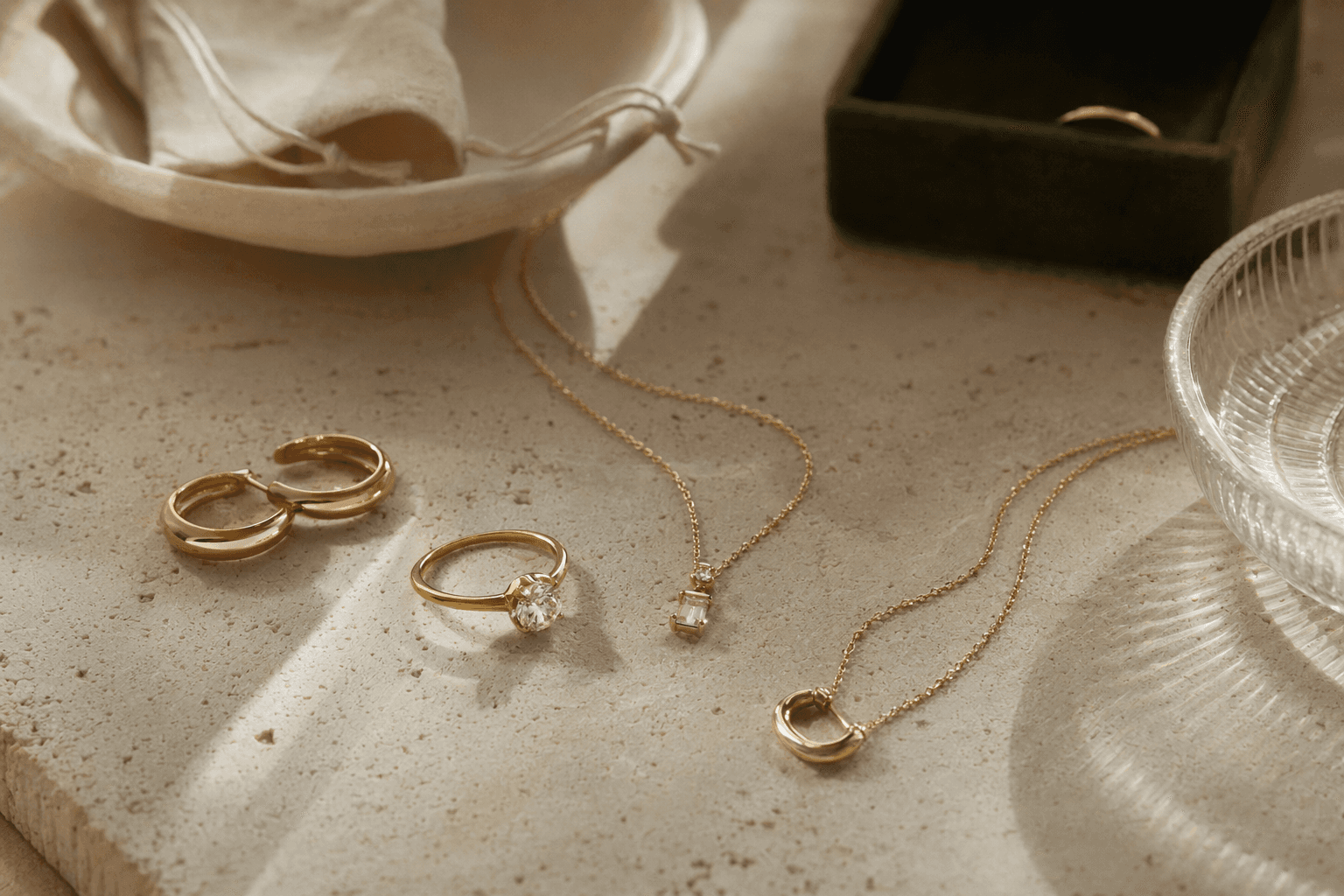
The thin chain you buy for yourself and never take off is the real measure of an online jewelry store. Forbes Vetted’s 2026 guide leans into that truth, naming Mejuri its standout for minimalist sophistication and Quince its strongest budget-minded option for shoppers who want quiet pieces that still feel considered. The useful question is not how much jewelry a brand sells, but whether its staples, from tiny studs to bezel necklaces, look good on a Tuesday and still hold up after a year of wear.
That matters because the market is large, and getting larger in the categories most minimalist buyers actually use. Statista puts the global luxury jewelry market at about 31 billion euros in 2024, while projecting that 75% of jewelry sales in 2026 will be non-luxury. In practice, that means the most active part of the market is not high-drama red-carpet pieces, but the kind of collarbone chain, huggie, and subtle diamond ring that disappears into daily life until you notice it doing its job.
Why Mejuri lands so naturally in the minimalist conversation
Mejuri has built its identity around jewelry for everyday wear, and its visual language reflects that: slim bands, restrained settings, delicate chains, and a current of polish that reads as modern rather than flashy. Forbes Vetted describes the Toronto-based brand as strong on minimalist sophistication and notes that it does not lean heavily into maximalist styles, which is precisely why it has become such a reference point for people who want a little shine without a lot of ceremony.
The practical details matter just as much as the aesthetic. Mejuri offers free standard shipping on orders of $75 and above, free 30-day returns, and a 2-year warranty for defects. For a first-time buyer, that policy stack is reassuring: it gives you time to test scale, color, and comfort on the body, where a necklace or hoop either works or does not.
The brand also makes a clear claim about materials and sourcing. Mejuri says each 14k gold piece is made with 94% recycled gold and 6% newly mined gold, and it launched its SEA Program in 2023 to set expectations around human rights, safe labor, environmental care, and ethical conduct. That is the kind of specificity readers should look for. “Sustainable” is vague; recycled content percentages and sourcing standards are much harder to wave away.
Mejuri says it has been creating jewelry for every budget since 2015, and that the company has grown to more than 700 team members across headquarters and retail stores, with 78% identifying as women. That scale helps explain how the brand keeps releasing new shapes and styles without abandoning its core aesthetic. For minimalist shoppers, the appeal is not just the brand name, but the consistency of its design language across precious metals, enamel, and ceramic.
Where Quince fits when price matters most
Quince occupies a different lane, but it is an important one. Forbes Vetted identifies it as the best affordable online jewelry store, and its strength lies in making subtle pieces feel attainable rather than stripped down. The company says it was built by founders who had worked for high-end brands and wanted to make luxury clothing, jewelry, and home goods more accessible, then paired that mission with a factory-direct model that cuts out supply-chain middlemen.
That model is central to Quince’s pitch. The brand says it works only with factories that meet or exceed global guidelines for workplace safety and equitable wages, and it says it is transparent about materials, manufacturing, and pricing. For readers wary of greenwashing or race-to-the-bottom pricing, that combination is more meaningful than a generic “affordable luxury” label.
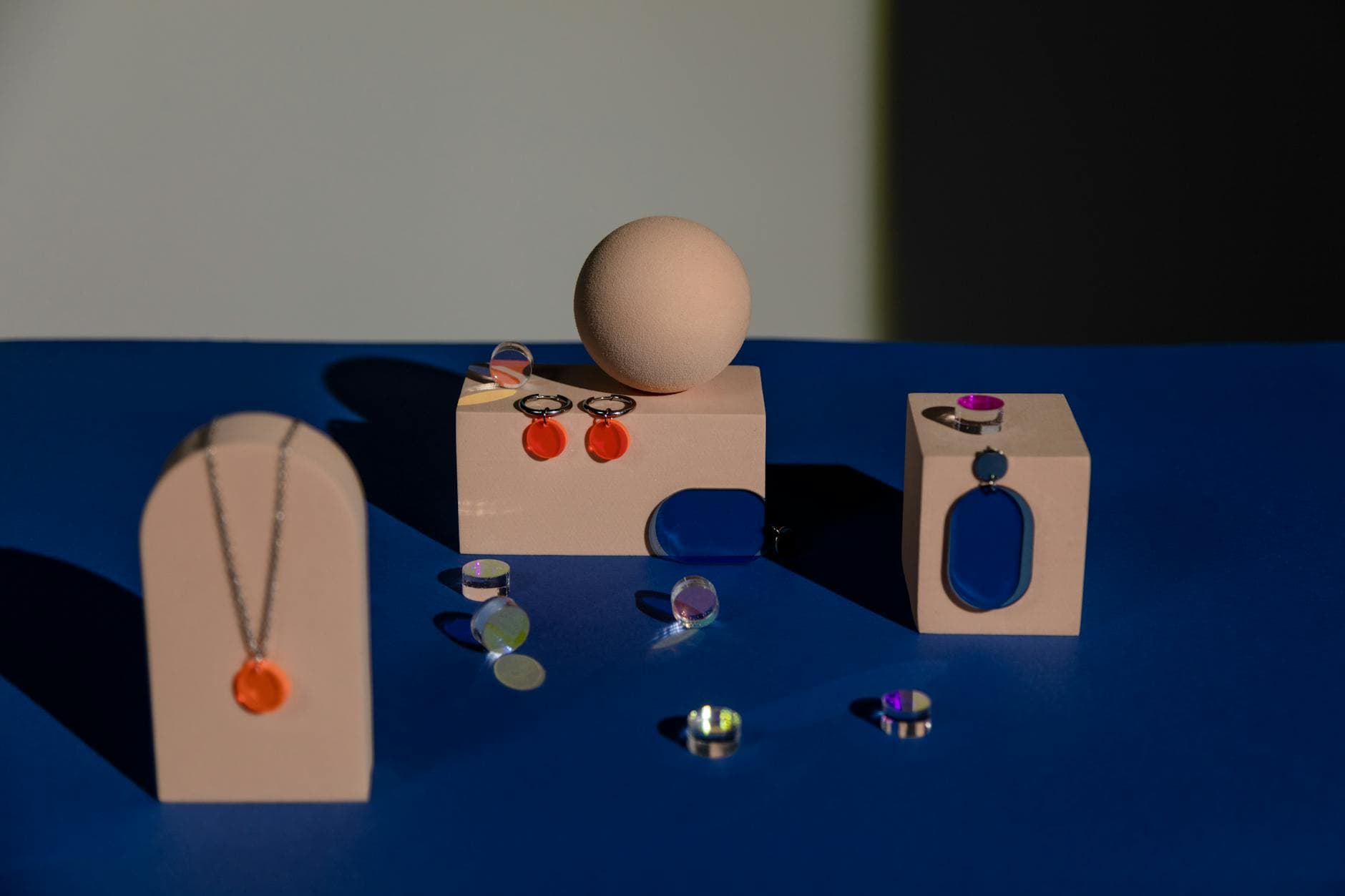
The jewelry assortment backs up the minimalist focus. Quince’s lab-grown diamond category includes 80 items on a single page, with pieces such as martini studs, graduated bar necklaces, pave bands, bezel necklaces, tennis bracelets, huggies, tiny studs, pearl pieces, and other understated silhouettes. On that page, prices start at $298 for martini studs, rise to $349.90 for a graduated bar necklace, $398 for a pave band, $498 for a bezel necklace, and reach $1,400 and up for tennis bracelets and even $6,900 at the top end.
That range is useful because it shows where Quince competes best. The sweet spot is not heirloom-level fine jewelry; it is the polished everyday piece that reads clean, simple, and current. If you want a diamond look without paying for a large-brand markup, Quince’s bezel settings and small-scale stone work are the most relevant part of the assortment.
What to inspect before you buy
A minimalist piece can still disappoint if the clasp is flimsy, the metal plating is thin, or the return policy is opaque. The Federal Trade Commission’s consumer guidance is a useful reminder that online jewelry shopping requires caution, smart decisions, and a clear understanding of your rights. For a category where photos can flatter scale and finish, the return window and warranty matter almost as much as the design.
A few checks separate a satisfying purchase from a regrettable one:
- Look for explicit material details, such as 14k gold, recycled content, or lab-grown diamond disclosure.
- Confirm the return window before buying, especially for necklaces and rings that are harder to judge from images alone.
- Check whether the brand names its sourcing standards, not just its values.
- Read warranty language closely, since defect coverage is different from damage or normal wear.
The minimalist pieces worth prioritizing
If you are building a small, useful jewelry wardrobe, the strongest bets are the pieces that disappear into rotation and still register as polished. Thin hoops, fine chains, bezel-set diamonds, tiny studs, huggies, and simple bands are the objects that make a blazer feel finished, a sweater look intentional, and office return dressing feel less like a uniform.
That is why Forbes Vetted’s framing works so well for this category. Mejuri suits the buyer who wants restrained design with stronger service protections and a more explicit sustainability story. Quince suits the buyer who wants tasteful simplicity, visible price discipline, and lab-grown sparkle without the premium markup. Together, they show where minimalist jewelry has landed: less about chasing trends, more about choosing pieces whose materials, price, and wearability can all survive a closer look.
This article was produced by Prism’s automated news system from verified source data, official records, and press releases, then run through automated quality and moderation checks before publishing. The system is built and supervised by the people who set the standards it runs under. Read our full AI policy.
Did this article answer your question?


