Hong Kong Jewellers Innovate Manufacturing Techniques Amid Soaring Gold Prices
A patented diamond-cut technique claims to cut gold usage by over 50%, as Hong Kong jewellers race to stay profitable while gold prices soar.

Gold prices have pushed manufacturers into genuine engineering territory. At the Hong Kong International Jewellery Show, jewellers arrived not just with new collections but with new answers to a material problem: how to keep fine gold jewellery accessible when the metal itself has become prohibitively expensive.
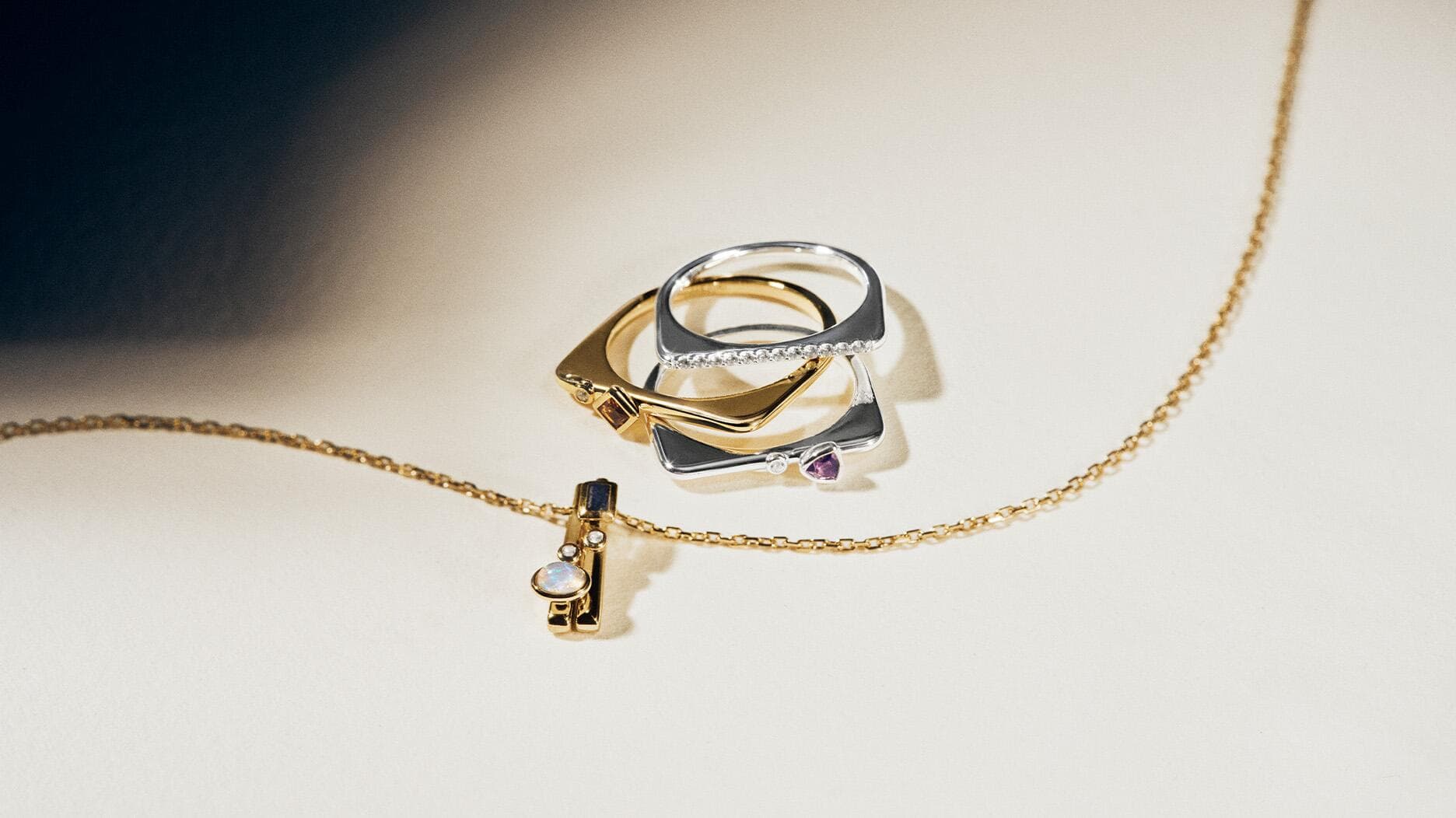
Italian manufacturer Loto Preziosi brought its Cashmere Line to the floor, a collection built around a patented diamond-cut technique applied to gold jewellery. The patent details, including the filing jurisdiction and specific claims, were not made available at the show, but the technique is central to what Alberto Angioletti, Sales Manager at Karp Jewellery, described as a structural shift in how ultralight pieces are now being produced. According to Angioletti, the technique can reduce the weight of gold used in a piece by over 50 percent, a figure that, if independently verified, would represent a significant manufacturing breakthrough. No before-and-after weight comparisons or third-party testing data were provided to support the claim.
The commercial logic is straightforward. "Given current gold prices, our Cashmere Line enables us to offer ultralight jewellery that can provide our clients with greater margins," Angioletti said. "With competition coming from various sources and business conditions getting increasingly challenging, we need to innovate to have an edge in the market."
Karp Jewellery, for its part, presented collections positioned around timeless craftsmanship and responsibly sourced diamonds. The company did not specify which certification programs or chain-of-custody processes underpin that sourcing claim, a gap worth pressing before taking "responsibly sourced" at face value.

On the demand side, the show reflected a consumer landscape in transition. An industry figure identified only as Virani, whose company affiliation was not disclosed in available materials, described primary markets across Asia, the Middle East, and selected European partners as holding firm on traditional values. "There is a strong appreciation for natural diamonds, heritage craftsmanship and long-term value," Virani said. "We also see growing interest from younger consumers who want meaningful, heirloom-quality pieces rather than purely trend-driven jewellery."
That younger-consumer appetite is shaping product priorities. Beyond bridal and engagement categories, Virani predicted steady demand this year for versatile fine diamond jewellery capable of moving from day to evening, with minimalist designs and strong wearability at the center. Personalised and customisable pieces, including unique settings, mixed metals, and combinations of classic and modern styling, were also flagged as categories likely to draw attention.
The throughline at the show was practical ingenuity under pressure. Whether a claimed 50-percent reduction in gold weight holds up to scrutiny will matter enormously to buyers weighing whether these techniques justify the investment. For now, the direction of travel is clear: the manufacturers gaining ground are the ones treating material constraints as a design brief.
Know something we missed? Have a correction or additional information?
Submit a Tip