Initial jewelry and engravings drive minimalist personalization trends for 2026
Initials are winning because they make jewelry personal without losing the clean lines of minimalism. The strongest pieces feel like private signatures, not disposable monograms.
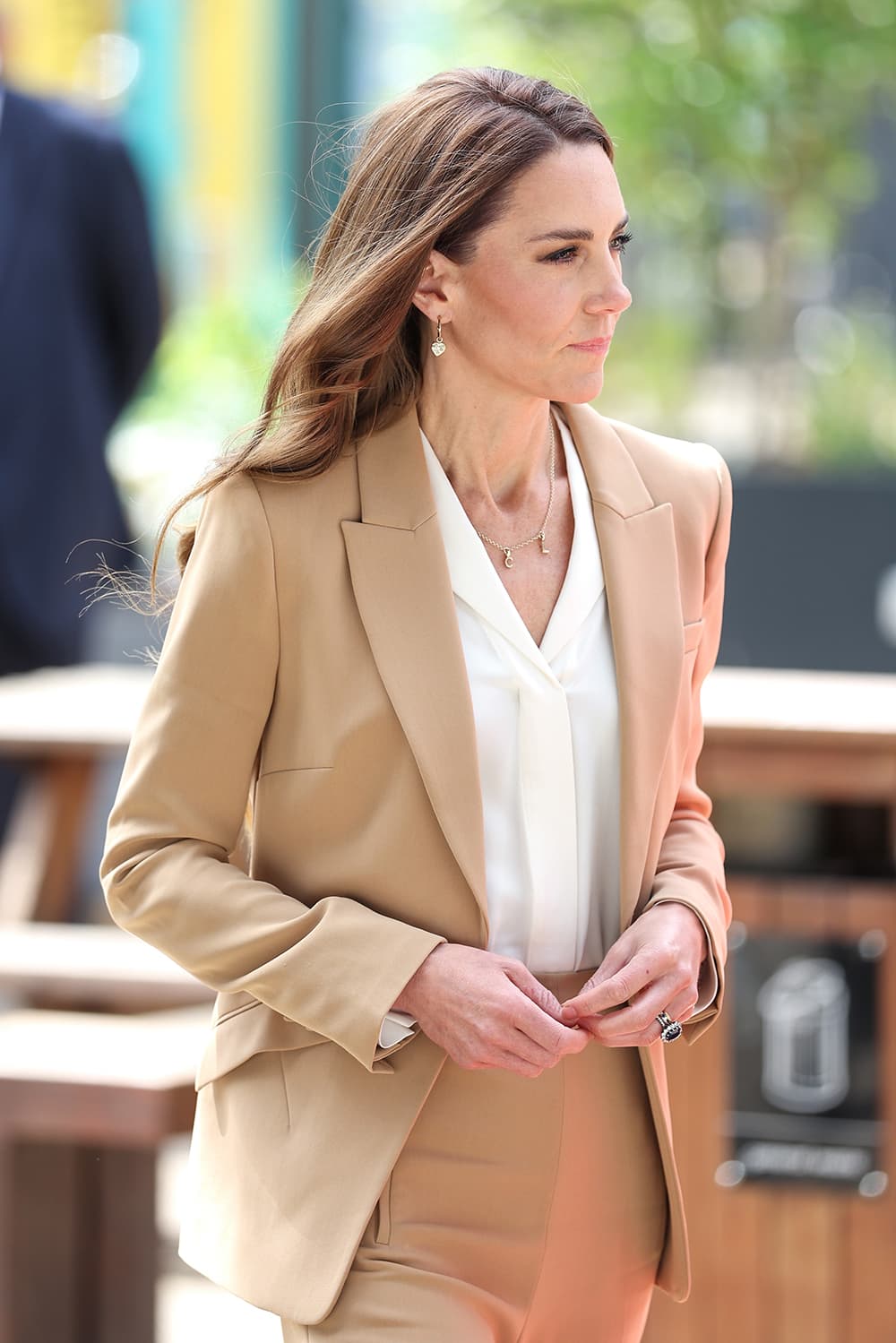
Why initials fit the minimalist brief
Initial jewelry keeps selling for a simple reason: it gives the wearer something meaningful, giftable, and easy to make their own without adding visual noise. Stuller’s January 14, 2026 trend report says customers want jewelry that feels expressive, intentional, and lasting, and initials sit neatly inside that shift. They are personal enough to matter, but restrained enough to disappear into a daily wardrobe of thin chains, small hoops, and clean silhouettes.
That balance explains why engraved initials, symbols, dates, and birthstones now sit inside Stuller’s “Storyteller” direction, one of five design themes shaping the market alongside Vintage Vibes, Flow & Form, Max Appeal, and High-Impact Hues. The strongest initials pieces do not shout identity; they compress it. In a minimalist market, that makes them feel less like novelty and more like a quiet signature.
The best versions are tactile, not fussy
Coverage around the Las Vegas Jewelry Week Couture show pointed to a broad range of interpretations, from three-dimensional letters to engravable pendants and relief designs. That variety matters because the category is not just about a first letter on a flat surface anymore. A well-proportioned raised initial or a low-relief engraving can add depth while preserving the spare line that minimalist buyers want.
The key is restraint. The best initial jewelry reads as a design object first and a message second, with enough structure to feel considered and enough simplicity to avoid dating itself to a single gifting moment. Once letters become oversized, overly embellished, or too literal, they lose the quiet flexibility that makes them work with everyday clothes.
This trend has deeper roots than the current market cycle
Nameplate jewelry did not begin with a recent fashion moment. JCK traces the style to African-American and Latino communities in the 1980s and 1990s, where hip-hop music videos, album art, and magazine shoots helped individualized scripts become part of a larger visual language. That history gives initials real cultural weight, not just decorative appeal.

The same JCK coverage also points to research that preserved testimonials and photos of nameplate wearers, underscoring how long the style has functioned as both adornment and identity marker. That matters now, because the current wave of initials should not be flattened into a generic personalization trend. The best pieces acknowledge that a letter can carry memory, lineage, and belonging, not just a monogram.
Designer initials show how the look has matured
Sophie Bille Brahe’s diamond initial collection, reported by National Jeweler in February 2023, shows how the category can move beyond obvious branding. Letter pendants were priced at about $1,540, while single-letter stud earrings were about $870, and shoppers could custom order letters not yet in the collection. The range was modern and refined, but not loud, which is exactly why it resonated.
The Copenhagen-based designer’s approach also reflects the way luxury initials have evolved. Rather than leaning on decorative excess, the collection used diamond detail and controlled scale to keep the forms crisp. That kind of design discipline is what separates a keepsake from a trend piece: the letter is recognizable, but the construction feels intentional enough to live beyond the season.
Minimalism has not disappeared, it has become more personal
National Jeweler’s 2025 look back at the prior decade said minimalist jewelry was at the forefront in 2015 and 2016, when small, delicate pieces dominated the conversation. The newer turn is not a rejection of that instinct; it is a refinement of it. Bella Neyman of NYC Jewelry Week put it plainly, saying designers are increasingly positioning themselves as “storytellers.”
That shift explains why initials still feel current. They satisfy the old minimalist appetite for small scale and clean geometry, while answering the newer demand for identity-driven jewelry. In other words, the line is still clean, but the meaning behind it is richer.

What the awards signal about lasting appeal
INSTORE’s 2024 Design Awards gave first place in Best Initial/Monogram to Gigi Ferranti Jewelry’s Graffito Initial S pendant, priced at $1,700. On a minimalist buyer’s lens, that is the kind of piece that should be judged by proportion, surface quality, and whether the letter feels architecturally resolved rather than decorative for its own sake. A strong initial pendant works when the form is distinctive enough to feel special, but not so stylized that it reads as a seasonal flourish.
That distinction is the difference between a subtle, lasting signature and a novelty monogram. A good initial pendant or engraved charm should sit comfortably against the collarbone, layer easily, and hold its own when worn alone. If the letter needs styling tricks to stay interesting, it probably will not outlast the gifting moment.
What buyers should look for now
The most persuasive initials pieces share a few traits: clear letterforms, disciplined scale, and enough material presence to feel finished rather than flimsy. Engraving works best when it adds meaning without crowding the surface, while three-dimensional letters and relief details work best when they stay visually light. Diamond initials can feel elevated, but only if the setting respects the line of the letter instead of overpowering it.
The category is winning because it solves a modern problem with unusual elegance. It lets jewelry carry identity without becoming ornate, and it lets minimalism keep its clean outline while making room for memory, heritage, and a name. That is why initials and engravings are not just back, they are becoming one of the most convincing ways to wear something personal every day.
This article was produced by Prism’s automated news system from verified source data, official records, and press releases, then run through automated quality and moderation checks before publishing. The system is built and supervised by the people who set the standards it runs under. Read our full AI policy.
Did this article answer your question?


