Jewelers of America CASE Awards spotlight wearable, crafted fine jewelry
Thin chains, sculptural rings and low-slung stones stood out at CASE, where judges rewarded wearability and disciplined craft across price points.

Jewelers of America’s 36th CASE Awards showed that the industry still rewards jewelry that can be worn, not just admired from afar. More than 120 entries were judged across creativity, artistry, style and excellence, and the criteria put wearability and quality of manufacture on the same level as originality and marketability. That matters in a market where understated pieces have become a serious buying proposition, not a quiet afterthought.
Amanda Gizzi, Jewelers of America’s senior vice president of corporate affairs, said the awards reflect “craftsmanship, innovation and artistry” and help shape the future of fine jewelry. The finalists were evaluated in a two-part process by a panel that included Brecken Branstrator of GemGuide, writer Tanya Dukes, Deirdre Featherstone of Featherstone Design, Natalie Francisco of National Jeweler, GIA Graduate Gemologist Adrianne Sanogo and Amina Sorel of Amina Sorel Fine Jewelry. Open to employees of JA member retailers and suppliers, plus MJSA members, the competition again made clear that fine jewelry’s prize committee is looking closely at proportion, polish and restraint.
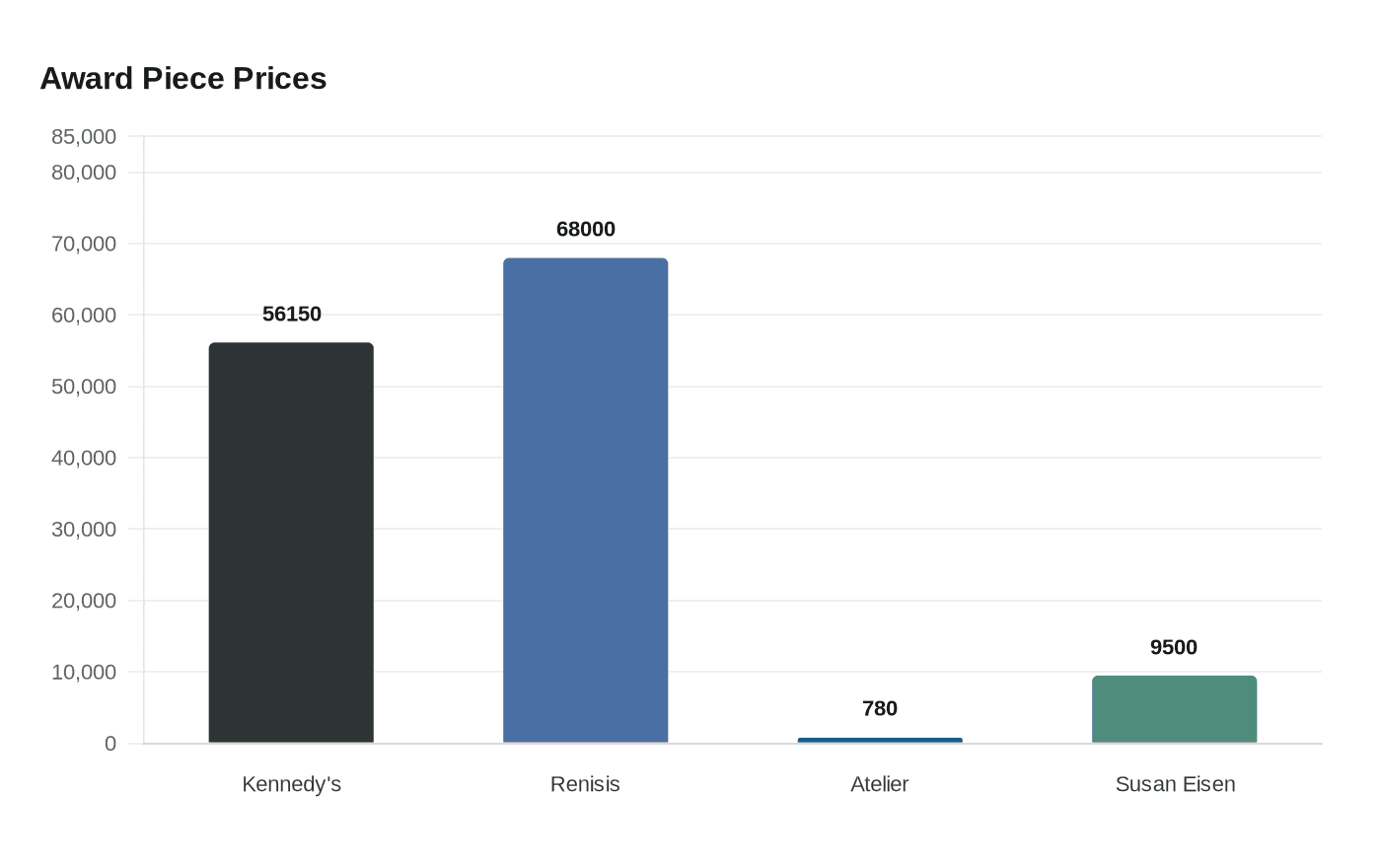
The strongest example of that balance was Kennedy’s Jewelers of Blue Springs, Missouri, which took Best in Show in retail with a custom 14K yellow-gold necklace priced at $56,150. Its 201.64 carats of pink, green and bi-color cabochon tourmalines gave the piece scale, but the cabochon cutting and 6.63 carats of accent diamonds kept the look smooth rather than crowded. On the supplier side, Renisis of New York won Best in Show with a $68,000 double bullet diamond ring in 18K yellow gold, set with two rose-cut bullet diamonds, pavé diamonds and navy blue vitreous enamel. The ring’s appeal lies in its geometry: sharp, deliberate and tightly edited, with no extra visual noise.
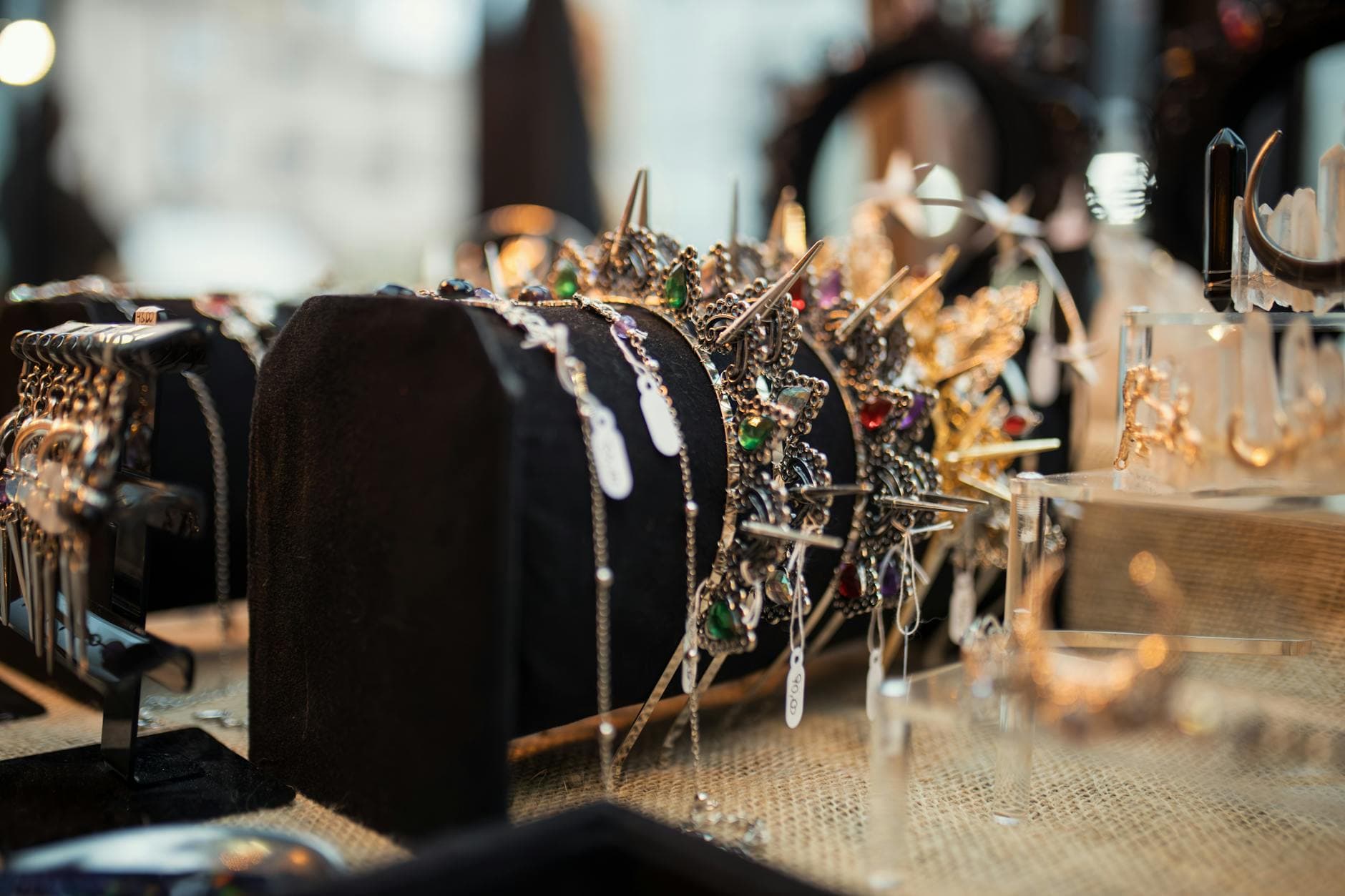
The lower-priced winners were just as telling. Atelier Mythique in New York took the retailer jewelry up to $5,000 category with a $780 sterling-silver and 18K yellow-gold-plated La Dragonne long three-finger ring with blue sapphire eyes. Susan Eisen Fine Jewelry and Watches in El Paso won the $5,001 to $10,000 category with a $9,500 watermelon tourmaline crystal brooch. Together, those pieces show how lighter visual weight and disciplined stone use can carry as much authority at $780 as at five figures. Silver, 14K and 18K gold, and selective use of gemstone color all read as intentional rather than overloaded.
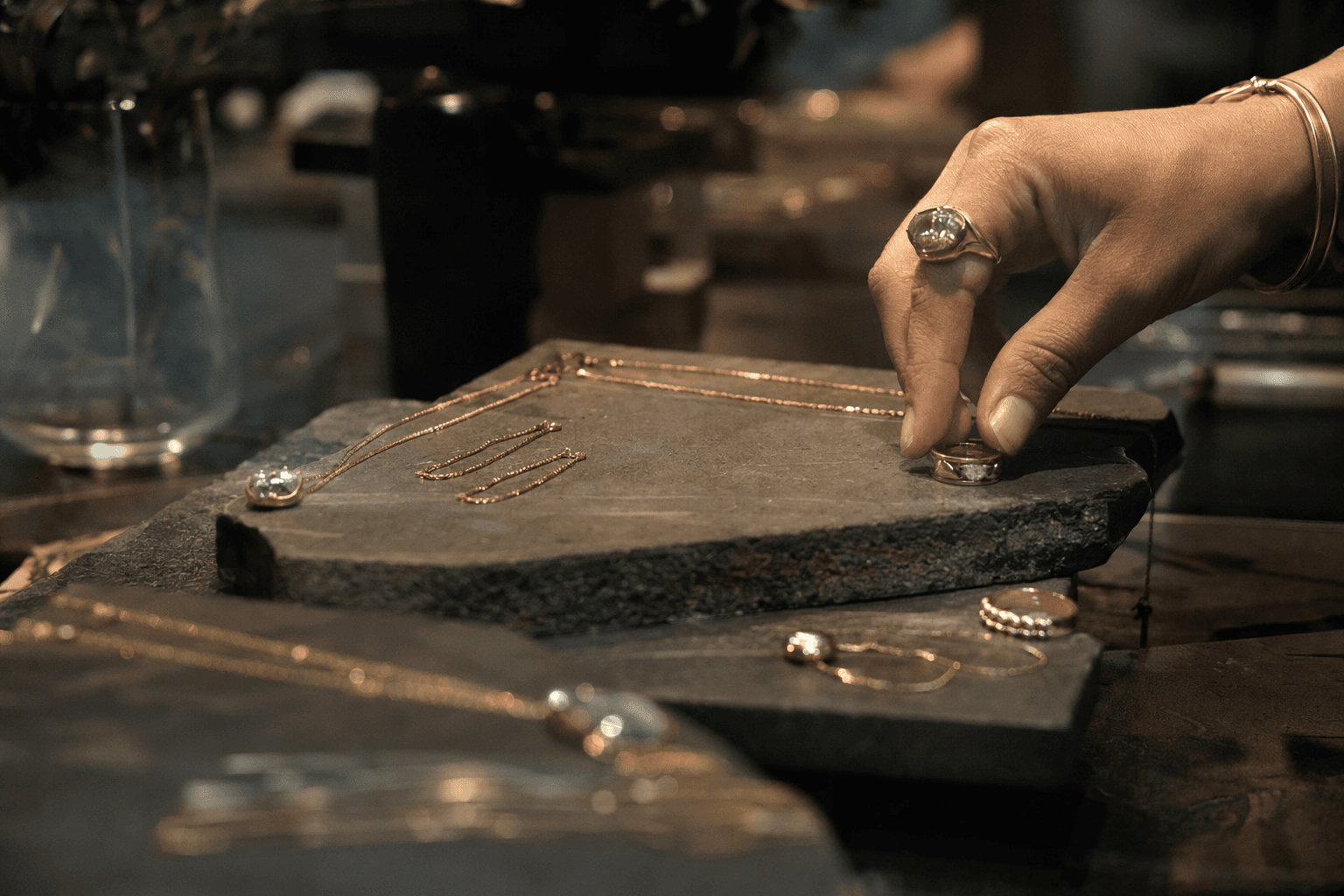
That is the signal for understated jewelry shopping in 2026: the most interesting pieces are not shouting for attention, they are refining it. CASE rewarded forms that sit close to the body, let metal do part of the work and treat stones as punctuation, not clutter. In other words, minimalism is not being rewarded because it is simple. It is being rewarded because, in skilled hands, it looks exacting.
This article was produced by Prism’s automated news system from verified source data, official records, and press releases, then run through automated quality and moderation checks before publishing. The system is built and supervised by the people who set the standards it runs under. Read our full AI policy.
Did this article answer your question?


