Micro jewellery becomes luxury’s answer to everyday wear
Micro jewellery is winning by doing more with less, from platinum pendants to tiny hoops that move from workout to dinner without losing polish.

The new luxury is quiet enough to wear all day
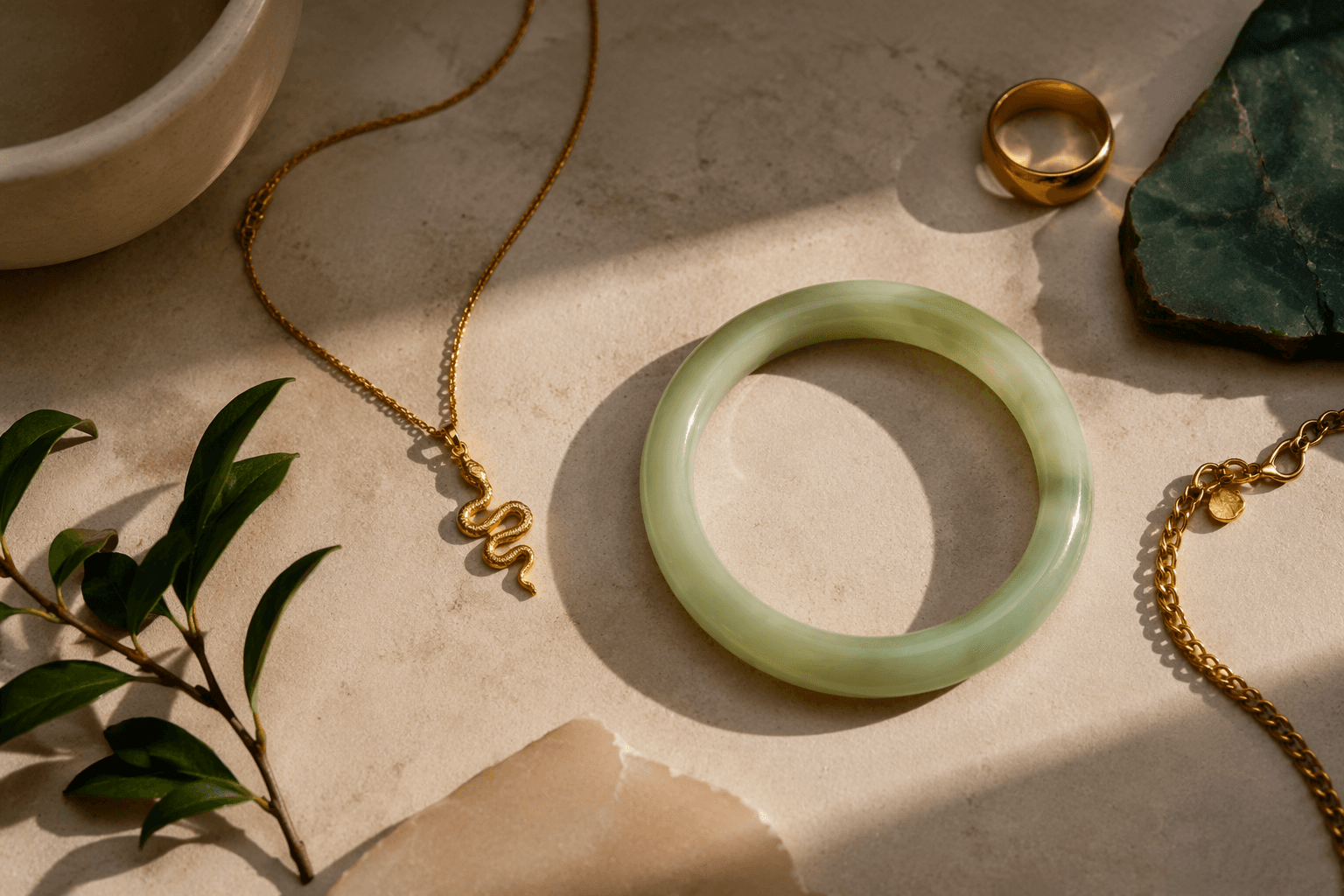
Micro jewellery is having a moment because it solves a modern problem: how to look polished without feeling dressed up. SCMP frames the appeal through whisper-thin chains, miniature hoops, and delicate pieces from Chaumet, Harry Winston, and Mikimoto that move from daytime to evening with ease, and that flexibility is the point. These are not statement jewels trying to dominate an outfit. They are the pieces that sit close to the skin, layer cleanly over a T-shirt, and still feel intentional under a blazer or at dinner.
The strongest versions of this look are elevated by restraint, not reduced by it. A fine chain looks luxurious when its line is precise and its drape is controlled. A small hoop reads as modern when it has enough presence to catch the light but not enough bulk to interrupt the rest of the look. That balance is what makes micro jewellery feel expensive: it is designed to be worn, not merely shown.
Why the market is moving smaller
There is a hard commercial logic behind the softness. Bain & Company said the global personal luxury-goods market was forecast to fall 2% to €363 billion in 2024, and it described jewelry as the most resilient luxury segment. The firm also said only about one third of luxury brands were expected to achieve positive revenue growth. In a market like that, smaller and more wearable pieces make sense because they lower the psychological barrier to purchase while preserving the aura of fine jewelry.
Bain’s latest luxury-goods study also points to a broader reset, with reinvention needed for brands to benefit fully even as long-term growth is still expected after the 2024 dip. That matters for jewelry because the category can thrive when it meets people where they actually live, not just where they dress up. Micro jewellery does exactly that. It fits daily routines, which is why it has become the luxury answer to everyday wear rather than a seasonal detour from maximalism.
The pieces that make minimalism feel finished
What separates elevated micro jewellery from merely small jewellery is construction and intention. Harry Winston’s diamond pendants are set in platinum or yellow gold and are described by the house as a more delicate interpretation of its signature fine-jewelry aesthetic. That language matters. It signals that the piece is not a pared-down afterthought, but a distilled version of the brand’s identity, translated into something easier to live with.
Harry Winston also says its jewelry collections are designed to brighten everyday moments and transition from day to night. The Sunflower collection goes a step further, tracing its origins to archival sketches from the 1950s and emphasizing that same day-to-night versatility. That is the kind of detail that makes minimalist jewelry feel meaningful rather than anonymous. A tiny pendant with a strong design lineage carries more weight than a generic charm, even when it is visually quiet.
Chaumet and Mikimoto sit comfortably in the same conversation because they help define the look’s modern language: refined, wearable, and discreet without being forgettable. The editorial appeal is not size alone, but the way these pieces hold their own in real life. They read cleanly against a knit sweater, sharpen a collar, and slip into evening wear without requiring a costume change.
From T-shirt-and-blazer to evening dressing
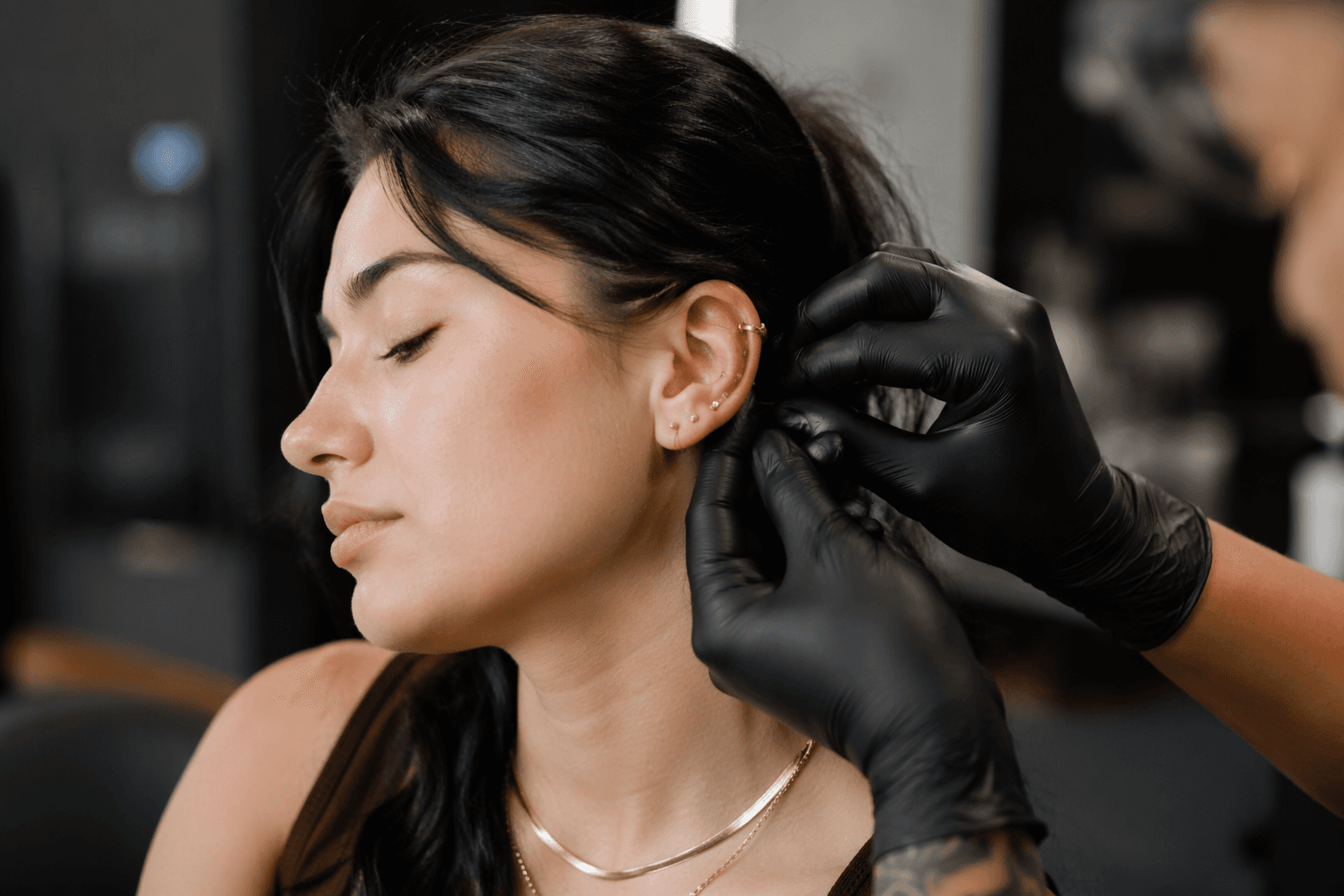
Micro jewellery works because it moves. A slender chain across bare skin softens a blazer during the day, then becomes more deliberate when layered with a second necklace or paired with earrings at night. Small hoops do the same job for the face: they tidy the frame in daylight and flash just enough under evening light to feel complete. The pieces are modest in scale, but they are active in an outfit.
That versatility is exactly why the trend feels current rather than cautious. The best minimalist jewelry does not disappear. It creates a line, a glint, a bit of structure. It makes a white T-shirt look considered and lets a satin dress stay sleek instead of overworked. For readers who want polish without visual noise, that is the entire promise.
Why shoppers keep returning to it
Mintel’s U.S. Jewelry Market Report helps explain why this category keeps finding an audience. It says 49% of shoppers bought jewelry as a gift for others, while 39% bought jewelry to treat themselves. Those numbers point to a category that serves both ritual and self-definition. Jewelry is still emotional, but it is also becoming more personal and more frequent in everyday life.
That shift favors pieces with low-friction wearability. If a necklace can be worn to work, on a flight, and at dinner, it stops feeling like an event purchase and starts feeling like part of a personal uniform. Micro jewellery fits that behavior especially well because it is easy to layer, easy to style, and easy to keep on. It is luxury stripped of fuss, but not of meaning.
What to look for when minimalism is the goal
The best micro jewellery does not rely on size to justify itself. It earns attention through proportion, finish, and a clear design point of view. A delicate pendant in platinum or yellow gold, a miniature hoop with a crisp silhouette, or a thin chain with a precise drop will always feel more elevated than something that merely appears dainty.
Look for pieces that carry a recognizable house vocabulary, whether that comes from archival references like Harry Winston’s Sunflower sketches from the 1950s or from a brand’s established approach to fine jewelry. The point is not to collect the smallest object in the case. It is to choose the one that can move through the day, hold up at night, and still feel like the same piece of jewelry the next morning.
That is why micro jewellery has become luxury’s answer to everyday wear. It offers softness without surrendering craftsmanship, and it gives modern wardrobes a polished finish that never feels loud.
This article was produced by Prism’s automated news system from verified source data, official records, and press releases, then run through automated quality and moderation checks before publishing. The system is built and supervised by the people who set the standards it runs under. Read our full AI policy.
Know something we missed? Have a correction or additional information?
Submit a Tip