Minimalist jewelry brands define everyday fine jewelry style
Minimalist jewelry is being judged less by how little it does and more by how honestly it is made. Recycled gold, lab-grown stones, and warranty-backed construction now separate true capsule pieces from plain basics.
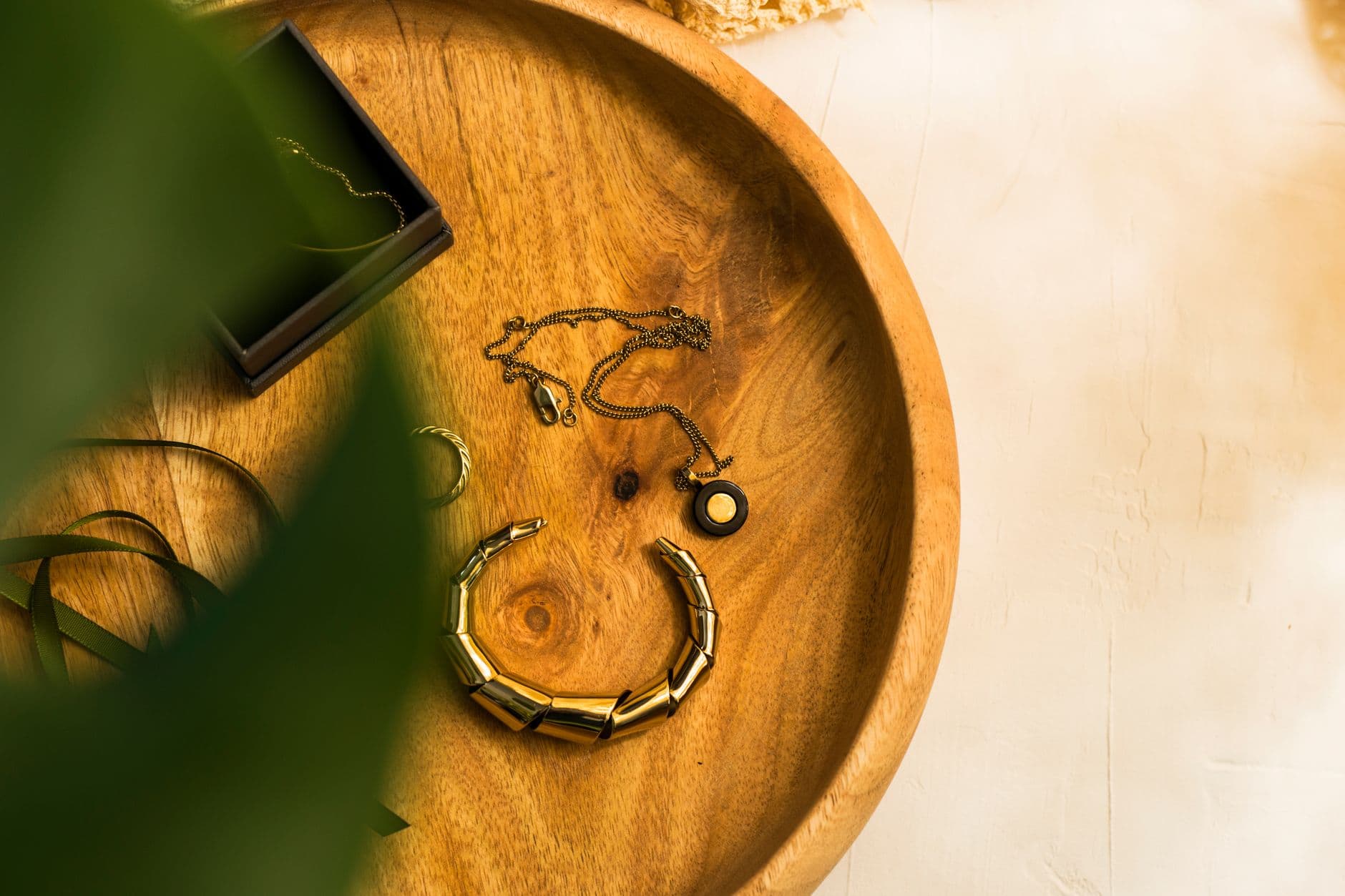
The best minimalist jewelry no longer reads as an afterthought. It is built for daily wear, designed to stack quietly, and increasingly judged by what sits beneath the polished surface: recycled gold, traceable sourcing, and stones that are chosen as much for ethics as for sparkle. In a market Statista values at about 31 billion euros in 2024, minimalism has become a serious fine-jewelry language, not just a stripped-back aesthetic.
That shift matters because jewelry has always carried personal meaning. Minimalist pieces now translate that long history into clean hoops, slim bands, dainty necklaces, and restrained gold shapes that can move from office to evening without feeling costume-like. The brands that matter most in this space are not merely selling basics. They are selling wearability with a provenance story.
What true minimalist design looks like
Minimalist jewelry is at its best when the design is disciplined rather than empty. Editorialist’s roundup centers the category on simple gold rings, dainty layering necklaces, natural pearl shapes, sculptural brass baubles, and classic hoops, chains, and bands. Those are the pieces that earn a place in a jewelry wardrobe because they can be worn together, not because they demand attention on their own.
The distinction is subtle but important. A plain piece is not automatically minimalist, and a minimalist piece is not automatically basic. The strongest labels use proportion, finish, and restraint to make a ring, chain, or hoop feel considered. That is what allows the category to function as everyday fine jewelry instead of occasion-only adornment.
Materials are the real test of credibility
If the design language is quiet, the material choices should not be. Recycled metal content, lab-grown stones, and responsible sourcing have become the clearest markers of a label that understands modern luxury. Forbes Vetted has pointed out that the best affordable jewelry brands increasingly use recycled materials and lab-grown stones to lower costs without sacrificing quality, and that point is especially relevant in a category where “minimal” can otherwise be used as a cover for thinner construction or vague sourcing.
Catbird is one of the clearest examples of how materials shape trust. Established in Brooklyn in 2004, the brand says it has worked with a sustainability ethos from the start, using over 95% recycled solid gold and recycled diamonds. Mejuri takes a slightly different route, grounding its mission in “fine jewelry for every day” and stating that its 14k collection is made with 90% recycled gold and 10% newly mined gold. Monica Vinader says it has moved to 100% recycled gold and sterling silver, a meaningful benchmark for shoppers comparing environmental claims across labels.
For a reader building a pared-back wardrobe, those percentages matter. They tell you whether a brand is truly reducing extraction, or simply using minimalist styling to imply virtue. The best labels make the material story legible and specific.
How the leading brands define the category
Mejuri sits at the center of the affordable-minimalist conversation because it has made everyday fine jewelry its entire premise. Forbes Vetted describes it as known for minimalist, sophisticated jewelry, which is exactly the sort of language that signals a brand has moved beyond trend into uniform. Its strength is that it looks designed to be worn constantly, not stored for special occasions.
Catbird brings a different mood, more handmade and slightly more romantic, but still committed to restraint. Founded in Brooklyn in 2004, it has built an identity around sustainability and delicate proportions, making it especially compelling for buyers who want softness without abandoning transparency. The recycled gold and recycled diamond focus gives its quiet pieces more weight than their scale suggests.

gorjana, founded in 2004 by Gorjana and Jason Reidel in Laguna Beach, California, tends to read as more relaxed and giftable. That makes sense in a market where minimalist jewelry often doubles as an easy present: hoops, chains, and simple layering pieces that can fit into almost any wardrobe. If Catbird feels artisanal and Mejuri feels urban and direct, gorjana occupies the polished, sunlit middle ground.
Monica Vinader is the brand in this group that most clearly signals polished longevity. Founded in 2008, it says it now uses 100% recycled gold and sterling silver, a shift that places the label firmly within the sustainability-forward tier of modern fine jewelry. Its appeal lies in balance: enough polish for dressing up, enough restraint for every day.
Missoma rounds out the map with a London design identity and a useful durability claim. The brand says every piece is covered by a 2-year warranty, and that is not a trivial detail in a category where delicate construction can be a liability. A warranty is one of the clearest signs that a label expects its jewelry to survive regular wear, not just a single season of styling.
Price point is only part of the story
Minimalist jewelry is often sold as accessible, but that word can obscure a wide range of construction and pricing. The category now spans entry-level pieces intended as gifts, midrange fine-jewelry staples meant for stacking, and higher-end designs where recycled gold content or warranty coverage helps justify a steeper ticket. Forbes Vetted’s placement of Mejuri as a top affordable pick and gorjana as strong for gifts reflects that spread, while Catbird’s sustainability-driven positioning suggests a buyer paying for values as much as silhouette.
The smartest way to read price in this category is to ask what the piece is made of, how much of it is recycled, and whether the brand backs its work with clear policies. A slim gold band is not the same proposition if it is 90% recycled gold, 100% recycled gold, or simply marketed as minimalist with no further detail. In a crowded field, the value is in the specifics.
How to shop minimalist jewelry like a collector
A refined everyday jewelry wardrobe is built on repetition, not novelty. Look for pieces that can layer without tangling, sit flush against the skin, and survive repeated wear without losing their shape or finish. Material transparency should be the first filter, followed by construction, warranty coverage, and whether the design feels restrained enough to live with for years.
The strongest minimalist brands now understand that elegance is not only about appearance. It is about proof: recycled gold percentages, recycled diamonds, sterling silver that has been responsibly recast, and warranties that imply confidence in the work. That is what separates a true minimalist label from a brand that simply packages basics as luxury.
In the end, minimalist jewelry has become the clearest expression of modern fine jewelry because it asks for less spectacle and more responsibility. The pieces that last are the ones that look quiet, feel substantial, and can explain exactly where they came from.
This article was produced by Prism’s automated news system from verified source data, official records, and press releases, then run through automated quality and moderation checks before publishing. The system is built and supervised by the people who set the standards it runs under. Read our full AI policy.
Did this article answer your question?


