Mixed-Metal Jewelry Returns, Two-Tone Stacks Feel Intentional Again
A mixed-metal stack lets yesterday’s silver and gold pieces read like a deliberate 2026 uniform, especially when a two-tone watch does the editing.
Why mixed metals feel intentional again
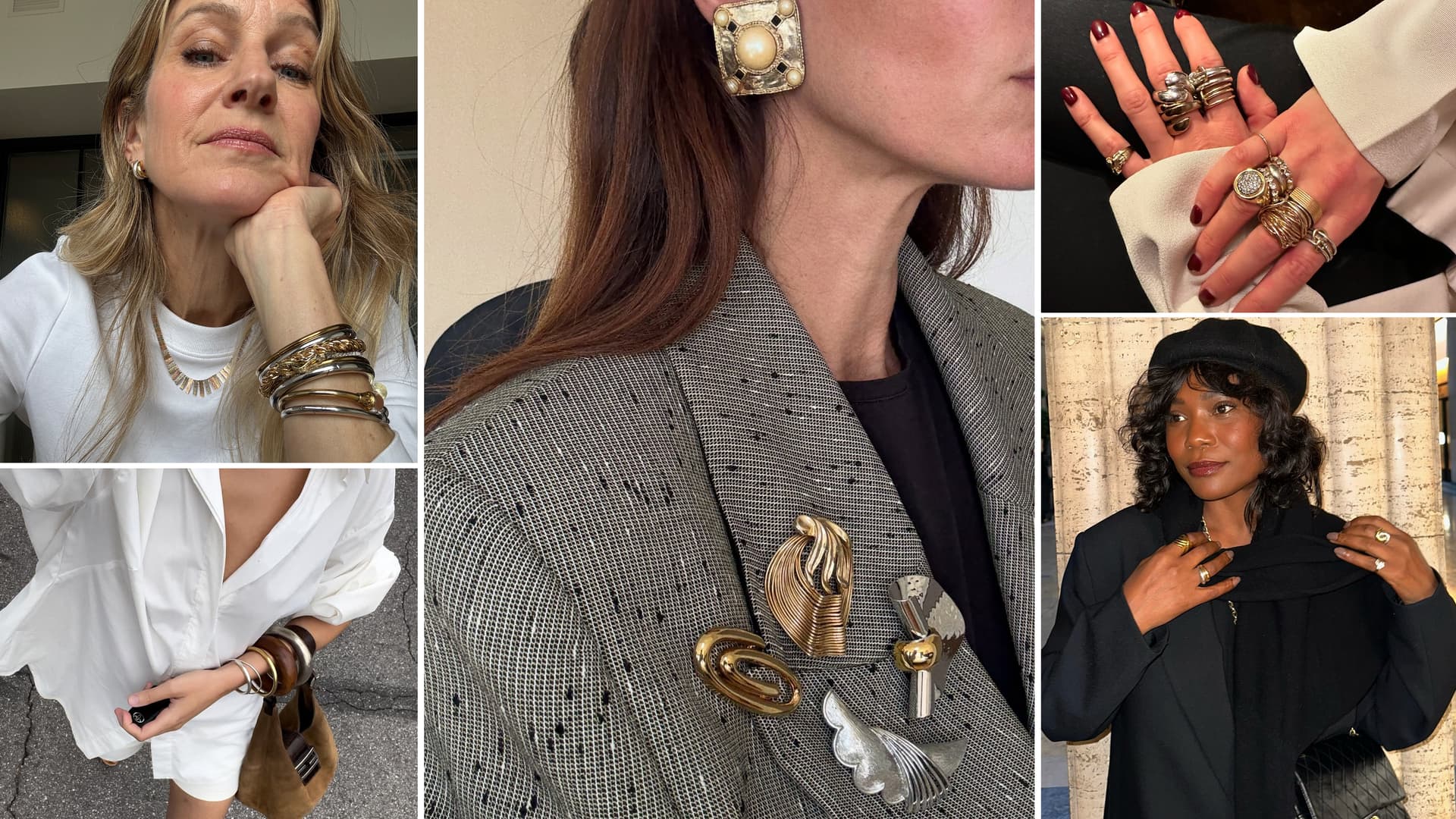
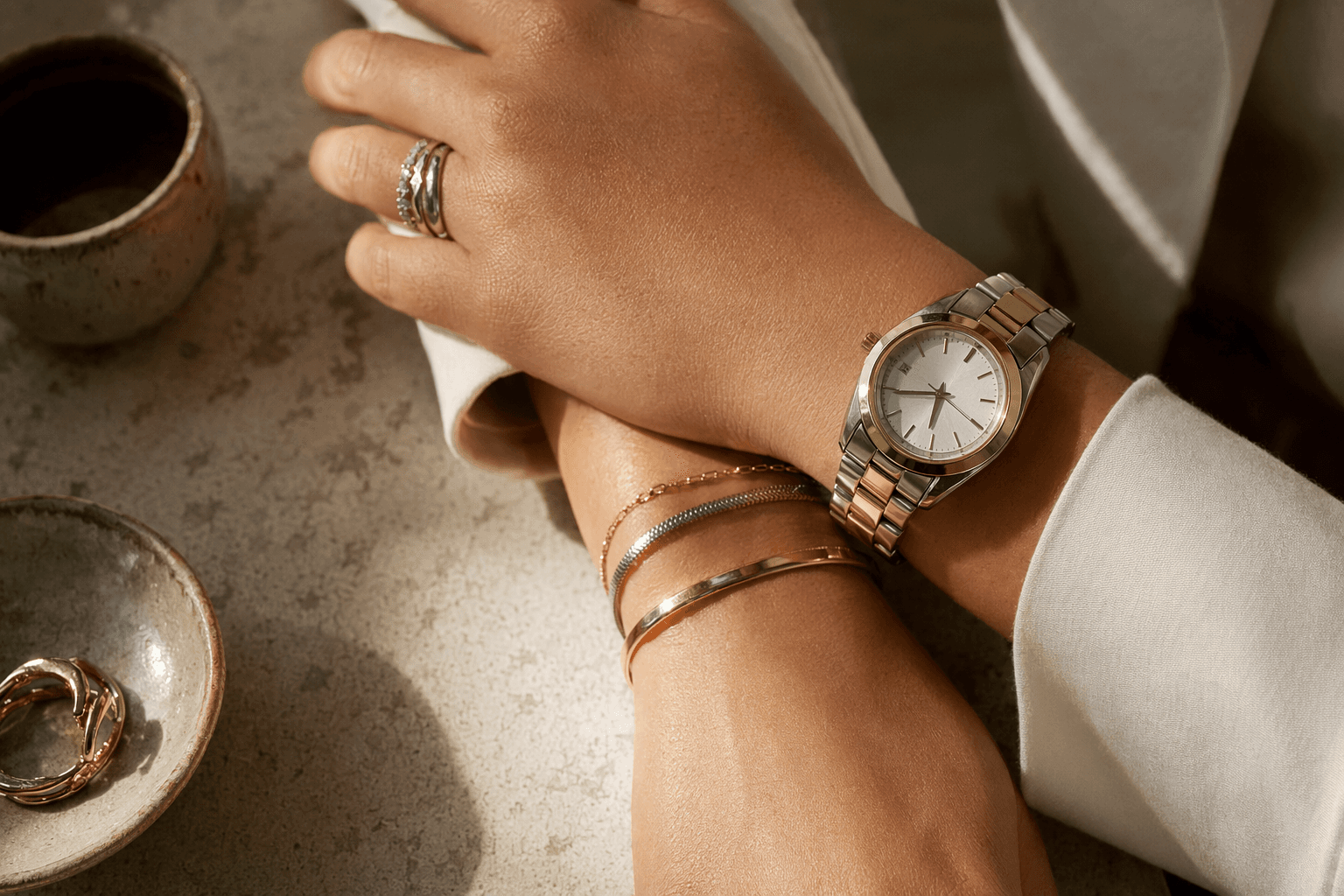
A slim gold ring next to a silver cuff, with a two-tone watch anchoring the wrist, no longer looks like a styling accident. It reads as editing, which is exactly why mixed metals have returned with so much force in 2026: the old rule that every finish must match now feels more rigid than chic. Who What Wear frames the shift as a way to make the most of the jewelry already in your drawer, while its January 2026 trend roundup casts the year’s jewelry mood as louder, more expressive, and unapologetically personal.
Start with what you already wear
Jenny Bird’s advice is the clearest blueprint: begin with the everyday pieces you already reach for, then add the opposite metal gradually so the result feels effortless rather than overworked. If your rotation is mostly gold, add silver in small doses. If you live in silver, bring in gold one piece at a time. Bird also points to a two-tone watch as the most natural starting point, because it gives you permission to build around it without making the whole look feel forced.
That logic is why the best mixed-metal styling rarely looks like a sudden overhaul. It usually has one repeated metal that feels familiar, then one contrasting accent that creates tension. Coco Schiffer’s version of the argument is even simpler: mixed metals are an easy way to look intentional without trying too hard, and that sense of relaxed control is what makes the look feel modern rather than fussy.
The formula for rings, chains, and watches
For rings, think in threes: one slender gold band, one silver band, and one bridge piece that contains both metals or at least visually sits between them. Tiffany & Co. makes that idea explicit in T by Tiffany, where the collection is designed for layering and stacking and encourages customers to mix metals, widths, and diamond details. A stack built that way feels collected, not random, because the variation comes from proportion and finish as much as from color.
For chains, the most convincing formula is contrast in density. A delicate gold chain worn with a chunkier silver link necklace gives the eye something to read, especially if the two pieces differ in texture as well as tone. JCK singled out bold two-tone chain-link designs when it declared in 2023 that mixing metals was back, and that detail matters because links create a stronger visual rhythm than a chain that simply swaps one metal for another.
For watches, treat the case and bracelet as the anchor and let your jewelry answer it. Rolex’s Lady-Datejust in Rolesor, the brand’s term for two-tone combinations, shows how established that language is in luxury watch design. A yellow-gold ring stack beside a steel-and-gold Datejust feels deliberate because the watch already contains the mixed-metal logic the rest of the wrist can follow.
Why this is not a brand-new trend
The 2026 return of mixed metals did not appear out of nowhere. Marie Claire included two-tone jewelry in its summer 2025 trend coverage, where it sat alongside sculptural cuffs and other easy-to-wear statement pieces, which tells you the look had already been building before this year’s surge. JCK was tracking the movement even earlier, noting in 2022 that yellow gold’s hold on fashion jewelry was weakening and that two-tone styles were making a case for mixing metals, then writing in 2023 that the trend was back in force.
That slow build matters. JCK has long argued that the jewelry industry moves in cycles, which is part of why mixed metals never disappear entirely. They ebb, return, and reframe themselves with each pass. The current version feels less like rebellion for its own sake and more like a practical answer to how people actually dress now: they want flexibility, repeat wear, and pieces that can move across outfits instead of belonging to one rigid metal family.
What the luxury houses are telling you
Tiffany and Rolex both show that mixed metals are not an outsider idea borrowed from trend culture. Tiffany’s T by Tiffany is built around layering, stacking, and mixing finishes, which makes it one of the clearest modern examples of how two-tone styling can be integrated into a polished wardrobe. Rolex’s Lady-Datejust, available in Oystersteel and yellow gold as well as Oystersteel and Everose gold, proves the same point in watches: two-tone is not a compromise, it is a design language with staying power.
How to make the look feel edited in daily life
The easiest way to keep mixed metals from looking accidental is to repeat one metal at least twice. If you wear a yellow-gold hoop, echo it in a ring or chain clasp, then let silver arrive in a cuff or watch. If your wardrobe is mostly white metal, a single gold ring or chain can warm the whole composition without overwhelming it. The effect should feel like a point of view, not a compromise, which is why the strongest mixed-metal looks in 2026 are the ones that rewear what you already own and make the whole jewelry box feel newly considered.
This article was produced by Prism’s automated news system from verified source data, official records, and press releases, then run through automated quality and moderation checks before publishing. The system is built and supervised by the people who set the standards it runs under. Read our full AI policy.
Did this article answer your question?


