Pandora adds carbon-footprint labels to lab-grown diamonds for shoppers
Pandora is putting a carbon number beside the 4Cs, giving lab-grown diamond shoppers a new way to weigh a slim gold ring against its climate cost.
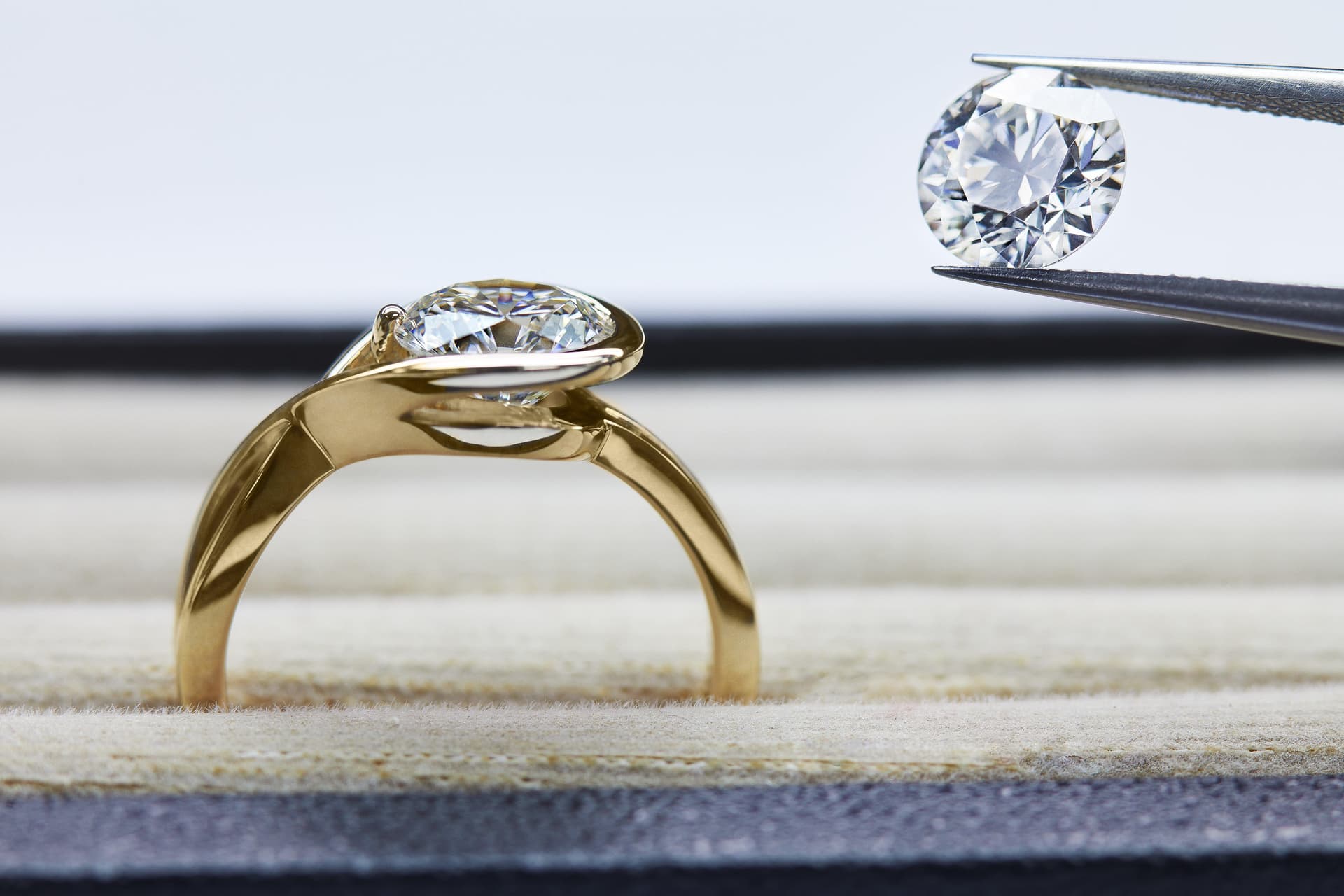
A thin 14-karat gold ring with a one-carat stone has always sold the fantasy of restraint: just enough sparkle, no excess. Pandora is now asking shoppers to judge that same minimalism by a harder metric, adding carbon-footprint labels to every Pandora Lab-Grown Diamond on pandora.net and training store associates to explain the figures in person.
The brand is calling carbon the fifth C, alongside cut, color, clarity and carat, and the number it is putting forward is striking. Pandora says a one-carat lab-grown diamond carries 12.58 kilograms of CO2e, about 90% less than a mined diamond of the same size. It says the calculation covers emissions from producing the raw materials used to grow the diamond through cutting and polishing, with the jewelry itself made from 100% recycled silver and gold and the stones grown, cut and polished using 100% renewable electricity.
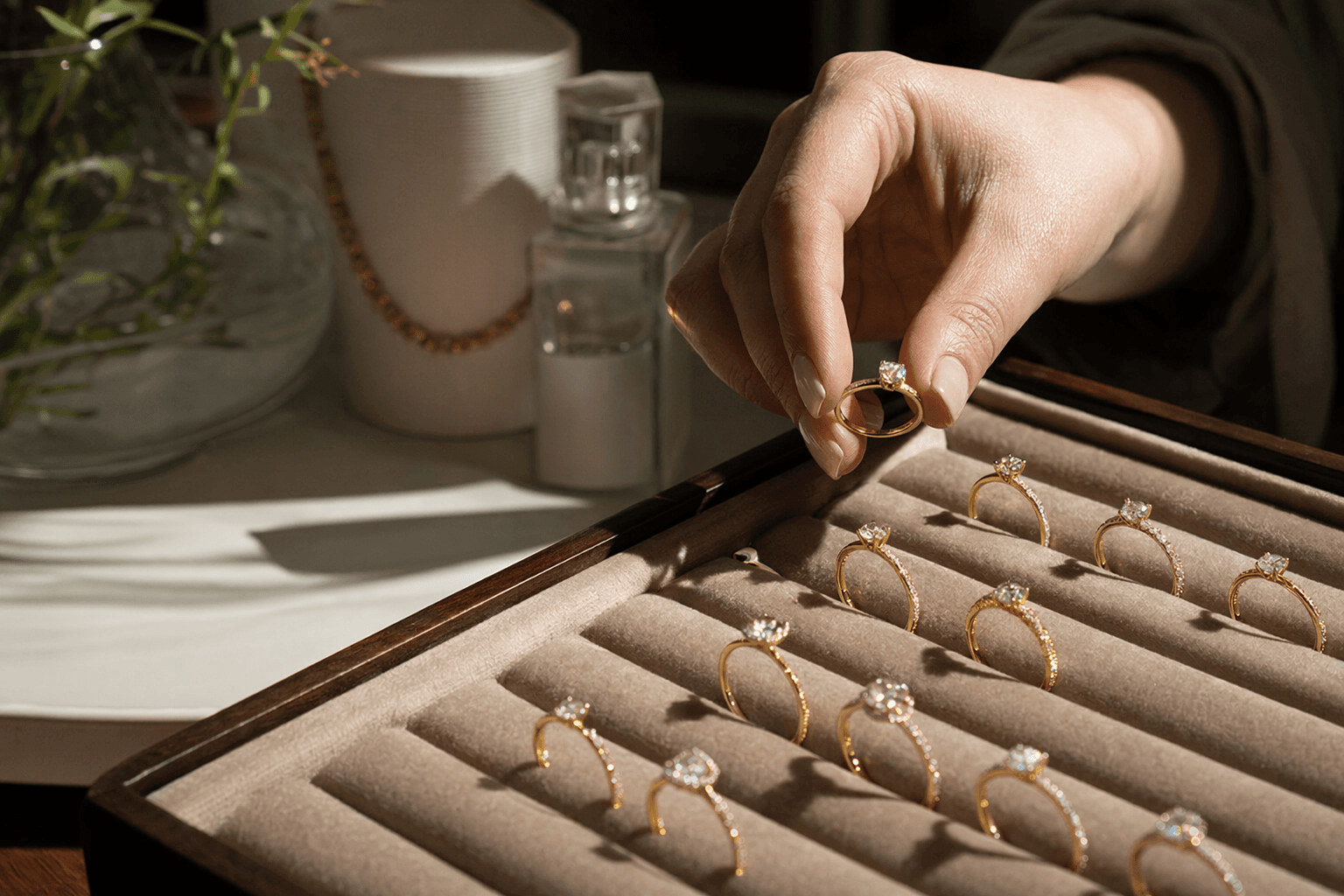
For shoppers who buy minimalist jewelry as a forever basic, that turns a familiar purchase into a more exact comparison. A slim band, a clean bezel, a solitaire meant to disappear into daily wear can now be weighed not only by price and proportion, but by measurable impact. Pandora says its 14-karat gold Infinite ring with a one-carat lab-grown diamond has a carbon footprint comparable to a pair of jeans, a shorthand that makes the climate math feel tangible rather than abstract.
The move also gives Pandora a public answer to a question that has lingered around lab-grown diamonds: how much sustainability can a buyer actually see at the point of sale? The company says the figures were calculated by external life-cycle assessment experts and verified by EY, based on a carbon-footprint report covering its lab-grown diamond portfolio from 2022 through 2025 on a cradle-to-gate basis. Pandora says it plans to share the methodology and findings with other jewelry makers, positioning the labels as both a consumer tool and an industry nudge toward product-level disclosure.
That push comes while lab-grown diamonds remain a small slice of Pandora’s business. In 2025, the category accounted for 1% of sales and brought in 357 million Danish kroner, or $55.9 million, across six markets, including the United States, the United Kingdom, Canada, Australia, New Zealand and Denmark. Pandora said the category grew 15% like-for-like in 2025. With chief marketing officer Jennie Farmer set to speak at the Global Fashion Summit in Copenhagen alongside brand ambassador Pamela Anderson, the company is making the case that the modern diamond conversation now includes a new number, even if the label still leaves the final judgment to the shopper.
This article was produced by Prism’s automated news system from verified source data, official records, and press releases, then run through automated quality and moderation checks before publishing. The system is built and supervised by the people who set the standards it runs under. Read our full AI policy.
Know something we missed? Have a correction or additional information?
Submit a Tip