Smaller diamond prices rebound in May as 1-carat stones soften
Tiny stones are rebounding first: 0.30-carat diamonds rose 2.1% in May, even as 1-carat goods slipped, a split that hits minimalist jewelry hardest.
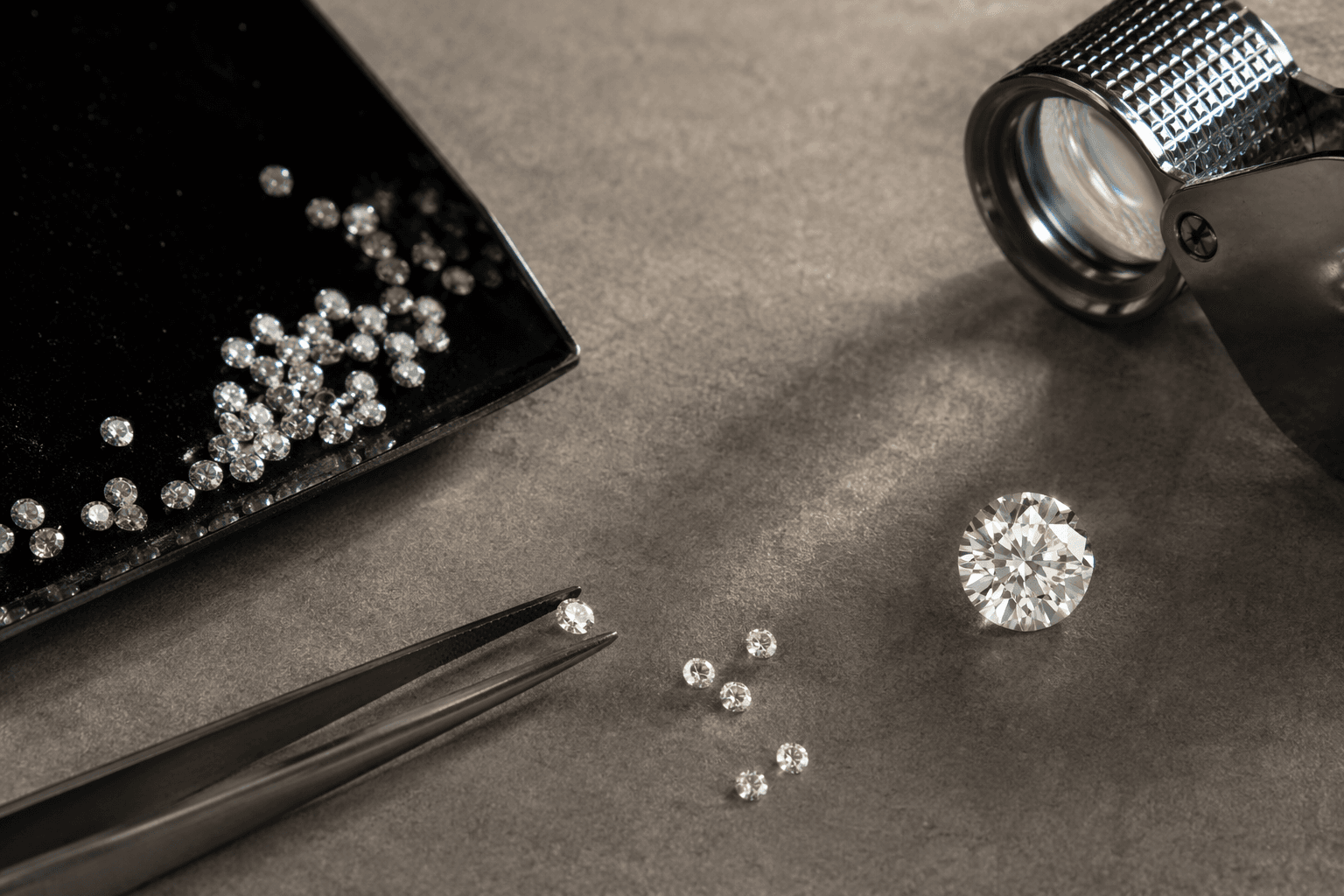
Smaller diamonds are moving back up, and that matters most in the jewelry case where dainty studs, pavé bands and delicate pendants are built stone by stone. Rapaport’s May pricing showed the 0.30-carat category rising 2.1% and the 0.50-carat category climbing 0.9%, while the 1-carat index fell 0.3%, a clear divide between the stones that feed minimalist assortments and the stones that tend to grab headlines.
Rapaport’s Trade Diamond Index, or RAPI, tracks asking prices for round, D-H, IF-VS2 diamonds on Rapaport Trade. In May, the rebound in smaller sizes followed inventory declines and a wave of buyers taking advantage of lower valuations. Listings of 0.3-carat diamonds on Rapaport Trade were down by more than 50% from the start of the year after production cuts, yet the smaller categories were still deeply damaged by 2025’s price slide, with year-on-year declines of 27.6% for 0.30-carat stones and 29.1% for 0.50-carat stones.
For designers and retailers working in the entry-luxury lane, that split matters more than the softer 1-carat market. Tiny stones are what keep slim eternity bands, micro-pavé earrings and fine halo settings accessible, and even small shifts in their wholesale cost can push finished prices higher or narrow what a brand can carry in stock. The pressure is particularly sharp because minimalist jewelry depends on repetition: a single ring or pair of studs may use dozens of matched stones, so a rebound in the smallest sizes can ripple through entire collections.
The market was also dividing by size at JCK Las Vegas in early June, where diamonds 2 carats and larger were selling strongly, while smaller “bread and butter” goods were slower. Rapaport’s market comments pointed to brisker demand in larger stones, mixed trading in the 1.20- to 1.99-carat range and jewelry performing better than loose diamonds overall. Indian demand helped support some smaller categories, while Chinese demand remained quiet.

Rapaport’s April market note had already linked the recovery in 0.30- and 0.50-carat goods to production cuts that thinned inventories after heavy price drops through 2025. The May data suggests that smaller diamonds are stabilizing first, but not evenly enough to call it a broad recovery. For minimalist collections built on petite stones, the market is still being set one carat fraction at a time.
This article was produced by Prism’s automated news system from verified source data, official records, and press releases, then run through automated quality and moderation checks before publishing. The system is built and supervised by the people who set the standards it runs under. Read our full AI policy.
Did this article answer your question?


