SSEF flags possible new Ethiopian source of Paraíba tourmaline
SSEF has flagged two oval stones that may point to a new Ethiopian source of Paraíba tourmaline, a discovery that could tighten provenance and pricing pressure.
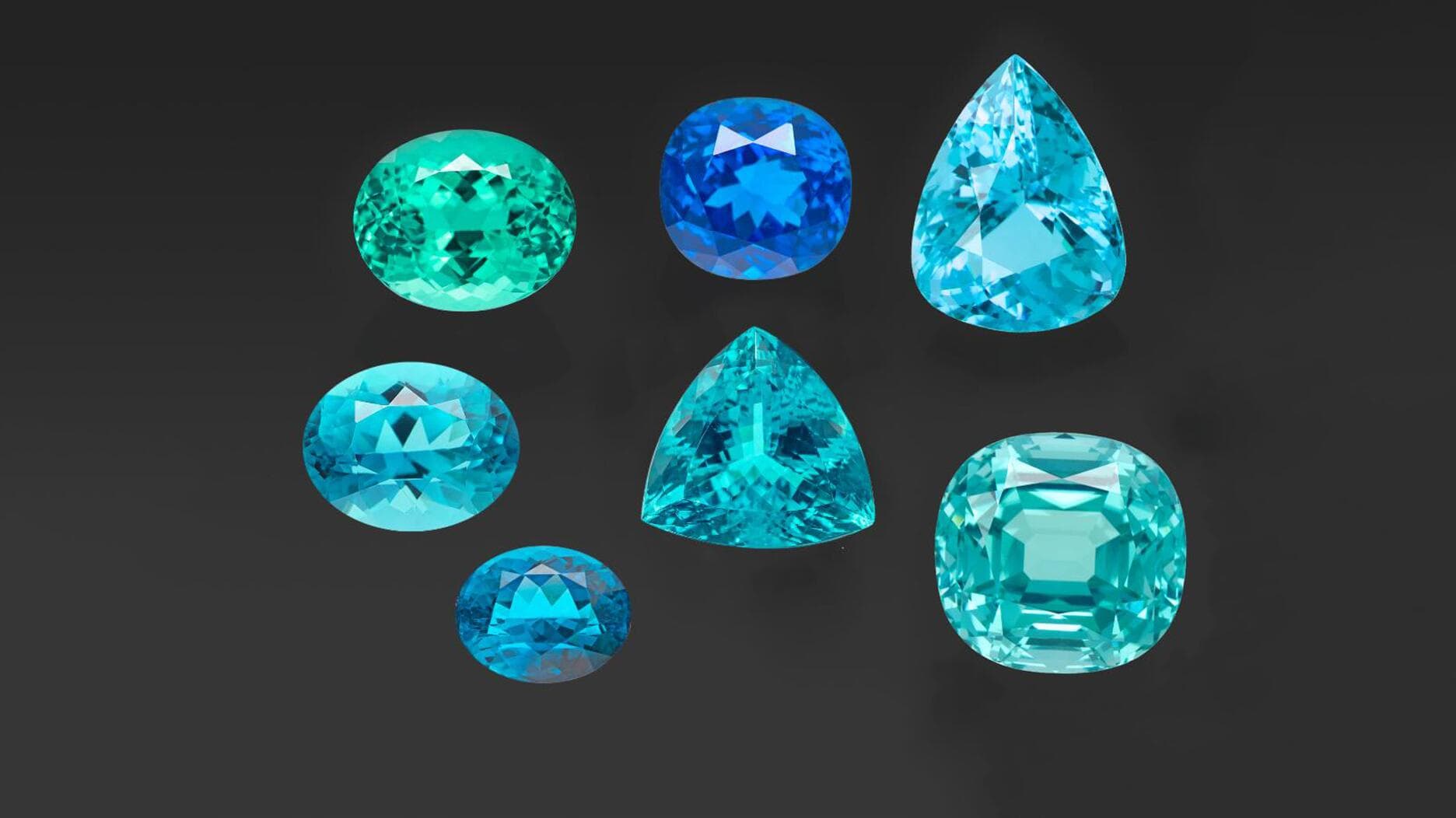
Swiss Gemmological Institute SSEF has flagged a possible new Ethiopian source of copper-bearing Paraíba tourmaline after receiving credible trade reports and examining two oval stones that may come from the reported deposit. If the material is verified, the find would complicate supply, provenance and pricing in a category prized as much for origin as for its electric color.
The gemmological problem is the point. SSEF says origin determination for the Ethiopian-linked stones has been difficult and, in some cases, inconclusive because preliminary trace-element data overlap considerably with stones from known localities, especially Brazil. GIA has long said Paraíba tourmalines are recovered from Brazil, Nigeria and Mozambique, that prices depend in part on geographic origin, and that standard gemological testing cannot definitively separate stones from those three sources. Quantitative chemical analysis, using elements including copper, zinc, gallium, strontium, tin and lead, is what sharpens the picture.

Paraíba tourmaline has carried this tension since the late 1980s, when Heitor Barbosa first found it near São José da Batalha in Brazil’s Paraíba state. Its blue to bluish-green glow comes primarily from copper in the crystal structure, which is why even a slim stone can dominate a minimalist ring, pendant or pair of studs. SSEF says Nigeria and Mozambique entered the story in the early 2000s, and Mozambique in particular became an important supplier, with stones arriving in far larger quantities and, at times, in sizes measured in several hundred carats.
That history explains why a verified Ethiopian source would matter beyond the lab. Minimalist jewelry often relies on a single gemstone to carry the entire composition, so any shift in supply can change what designers can source, how much they can pay and how explicitly they must disclose origin to buyers. The category is also still commandingly liquid at the top end: Sotheby’s said in 2023 that a 93.94-carat Mozambique stone, The Blue Lagoon, was the largest top-quality Paraíba tourmaline to come to auction and estimated it at up to $2.7 million.
Recent auction results have reinforced that momentum. Sotheby’s also offered a 7.70-carat Brazilian Paraíba tourmaline in 2026, accompanied by AGL and Gübelin reports listing Brazilian origin. GIA notes that Brazilian Paraíba tourmalines are typically more highly valued than African counterparts, which is why a new Ethiopian source, if confirmed, would not just add another dot to the map but another pressure point in a market where color, provenance and scarcity are inseparable.
This article was produced by Prism’s automated news system from verified source data, official records, and press releases, then run through automated quality and moderation checks before publishing. The system is built and supervised by the people who set the standards it runs under. Read our full AI policy.
Did this article answer your question?


