Strategist tests mall-brand fine jewelry for everyday minimalist wear
Mall-brand fine jewelry can pass the minimalist test, but only the simplest pieces earn their keep when materials, settings and daily wear line up.
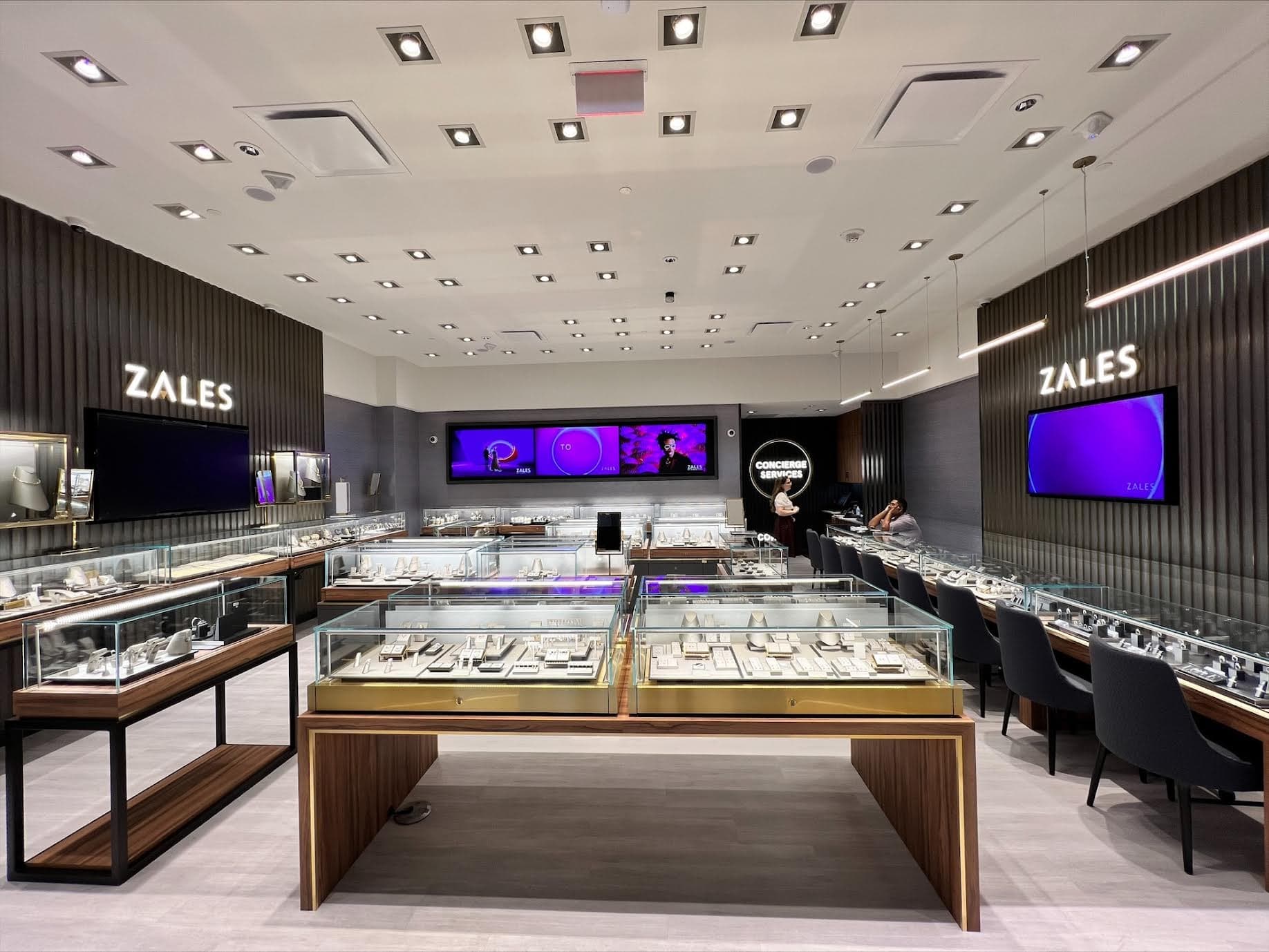
A thin gold chain only earns its place if it can be worn hard, mixed with everything and still look polished after months of real life. That is the true test The Strategist applies to Kay, Pandora and Zales, where minimalist staples are being sold not as indulgences for a special night out, but as the small, durable luxuries that live on the body every day.
Why mall jewelry still matters
The mall giants have history on their side, and that history explains their appeal. Zales opened its first store on March 29, 1924, in Wichita Falls, Texas, and grew up around a famously accessible sales pitch, “a penny down and a dollar a week.” Signet Jewelers, the parent company behind Kay, Zales, Jared and Banter by Piercing Pagoda, says it is the world’s largest retailer of diamond jewelry. Pandora, meanwhile, calls itself the world’s largest jewelry brand. Scale does not guarantee good taste, but it does mean these brands know how to sell jewelry at prices that feel less intimidating than luxury-house counter tags.
For minimalist shoppers, that matters because the best everyday pieces are often the least theatrical. A plain chain, a narrow hoop or a stackable ring needs to disappear into your wardrobe, not announce itself from across the room. Mall brands make their case by offering those pieces at accessible price points, then layering in the promise of gold, diamonds and, increasingly, more explicit material transparency.
What to look for in the everyday pieces
The Strategist’s test centers on the categories that most reward restraint: solid-gold chain necklaces, hoops and lab-grown diamond tennis bracelets. These are the pieces that should earn repeat wear, which means you want simplicity in design and seriousness in construction. A minimalist chain should sit flat, close cleanly and feel substantial enough that it does not twist into a frustration by lunchtime.
Chains and hoops
This is where mall jewelry can be genuinely smart. A thin gold chain or small hoop is the kind of purchase where you feel the value most in the first 30 wears, not in a display case. If the metal is honest and the proportions are right, the piece can elevate a T-shirt, a crisp shirt or a black knit without ever looking like a “fashion jewelry” compromise.
The smart buyer pays attention to the metal before anything else. Solid gold, especially in a straightforward silhouette, is the category most likely to justify a mall-brand purchase because the piece works across seasons and trends. If you are buying a hoop or a chain to live in, the question is not whether it is dazzling. It is whether it sits comfortably, closes securely and holds up to the unglamorous parts of daily life.
Rings that stack without shouting
Stackable rings are another area where simplicity can pay off. Their appeal comes from repetition and proportion, which means a clean finish and a smooth profile matter more than elaborate setting work. In this category, the mall brands are strongest when they keep the design minimal and the metal clearly identified, because the ring’s job is to blend rather than compete.
When diamonds enter the picture, the equation changes
Pandora’s lab-grown diamond strategy makes the strongest argument for the mall category’s future. The brand says its lab-grown diamond assortment comes in 14k white gold, 14k yellow gold and sterling silver, with stones ranging from 0.15 to 1 carat. It also says the diamonds are excellent cut for 0.10 carat and above, VS+ clarity, and near colorless with G-J color grading, and that the stones are hand-set. Those are not vague fashion promises. They are specifications, and specifications matter when you are buying something meant to be worn often.
Pandora’s earlier U.S. and Canada Pandora Brilliance line, introduced in 2022, started at $300 and ran up to $1,950. The company said those diamonds were grown, cut and polished using 100% renewable energy, set in recycled silver and gold. By May 2026, Pandora said the carbon footprint of its lab-grown diamonds was around 90% lower than mined alternatives. That is a striking number, and it gives shoppers a concrete way to think about the environmental argument rather than treating sustainability as a marketing blur.
Kay and Zales have also expanded their lab-grown diamond offerings online, which signals that mainstream mall jewelry is competing on disclosure and material story as much as on sales events. That shift is important for minimalist buyers because the modern luxury of these pieces is not just sparkle. It is clarity: knowing what the stone is, what the setting is and how much of the price is going into the thing you actually wear.
Where to buy now, and where to save up
The everyday pieces are the ones most likely to make sense at a mall brand. Thin chains, small hoops and uncomplicated stack rings can be excellent value when the design is restrained and the material is clear. They are also the easiest pieces to integrate into a wardrobe that already does the heavy lifting, which is why they often deliver the best price-per-wear.
Save your bigger spending for the categories where construction is more visible and the setting does more of the talking. A tennis bracelet, for example, asks more of the maker than a plain chain does. The stones need to sit evenly, the clasp has to feel secure, and the bracelet has to move fluidly without looking flimsy. That is where the difference between an inexpensive buy and a truly satisfying one becomes visible at a glance and tangible on the wrist.
The most persuasive case for mall-brand fine jewelry is not that it replaces luxury. It is that, for a narrow set of minimalist staples, it can be a practical starting point with real material credibility. Buy the chain, the hoop and the stack ring when the construction is clean and the metal is worth wearing every day. Trade up when the piece depends on diamond size, setting finesse and long-term heft, because that is where craftsmanship becomes the whole point.
This article was produced by Prism’s automated news system from verified source data, official records, and press releases, then run through automated quality and moderation checks before publishing. The system is built and supervised by the people who set the standards it runs under. Read our full AI policy.
Did this article answer your question?


