White metals and charms emerge as key jewelry trends for 2026-27
White metals and pared-back charms are the real takeaways from Las Vegas, while beads, turquoise, and Western flourishes read louder than the minimalist market needs.
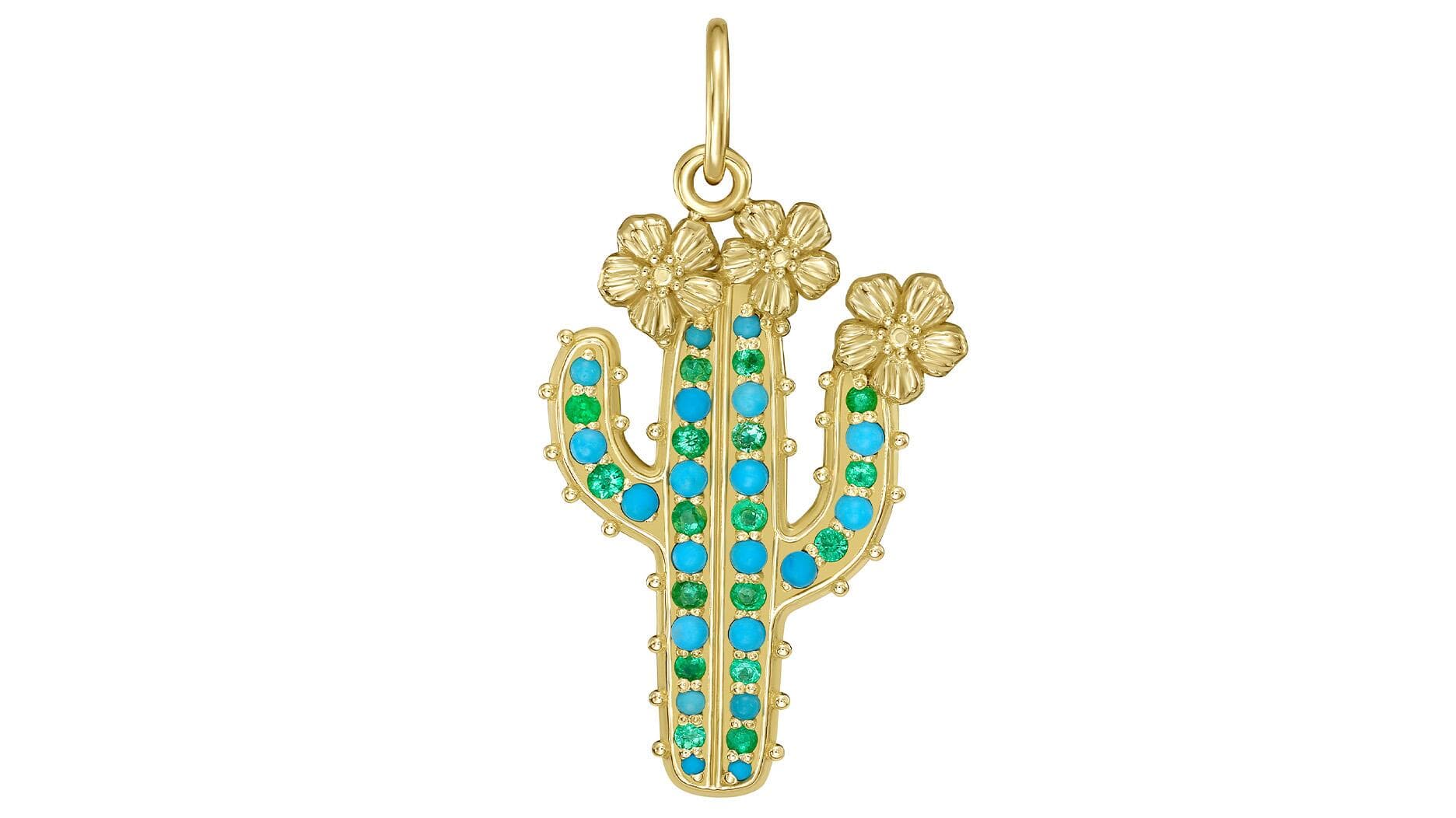
White metals have emerged as the quietest, and perhaps the most wearable, signal to come out of Las Vegas. The latest trade-show pulse does not point to minimal jewelry disappearing; it points to minimal jewelry being sharpened, simplified, and pushed through cleaner silhouettes, slimmer charms, and mixed-metal styling that feels considered rather than decorative.
What actually lasted after the show floor
National Jeweler’s post-Vegas trend read, led by associate editor Natalie Francisco, puts white metals in the same frame as charms, alternative materials like wood and leather, Western-inspired motifs, big colorful beads, and turquoise. That mix matters because it shows where the market is splitting: some looks are moving bigger and more expressive, while the quieter end is being redefined by silver-toned and white-metal pieces that feel easier to live with every day.
For a minimalist buyer, white metals are the clearest carryover. They flatter clean lines, keep attention on proportion instead of ornament, and sit comfortably between fine and fashion jewelry wardrobes. In a market shaped by strong statement pieces, they offer the opposite impulse: restraint, brightness, and a finish that reads polished without looking precious in the old-fashioned sense.
Why white metals feel right now
The timing is not accidental. JCK’s own trend preview framed the week around market realities as much as design innovation, especially the ongoing pressure of gold prices and the consumer appetite for versatility. That is exactly where white metals gain traction. They let designers keep forms lean and modern while giving shoppers a way to avoid the visual and financial weight that can come with yellow gold.
There is also a styling reason white metals endure. Jewelers Mutual’s 2026 forecast says mixing metals has become a core jewelry choice, and the contrast of yellow gold, white gold, and rose gold can add depth even to the most minimal pieces. That makes the new minimalism less rigid than the pared-back jewelry of a few seasons ago. A slim white-metal chain with a single yellow-gold accent, or a stack that uses one cool-toned band to break up a warmer mix, feels more editorial and less severe.
The same forecast says stacking is getting more curated, and that quiet luxury, or minimal opulence, continues to resonate. That is useful language for this market moment. The point is not to pile on more jewelry, but to choose pieces that do more with less: a crisp signet, a narrow bangle, a small pendant, a ring stack with deliberate spacing and better proportion.
Charms, but stripped down
Charms are also back, though not in the crowded, jangling version that dominated more maximal moments. The version that translates best for an understated wardrobe is smaller and more architectural: a single drop, a tiny symbol, a restrained cluster on a fine chain. On the trade-show floor, charms signaled energy and personalization, but the minimalist reading is narrower and more disciplined.
That is where the strongest buyers’ edit begins. A charm necklace works when the charm itself is treated like a punctuation mark, not a centerpiece. A bracelet with one small charm keeps movement and sentiment without tipping into costume. The more the metalwork is clean and the proportions are tight, the more likely the piece will last beyond the trend cycle that brought it in.
The trends that lean too far for everyday wear
Not every Vegas signal belongs in a minimalist jewelry box. Big colorful beads and turquoise were part of the broader picture, along with Western-inspired motifs, and those looks are clearly having a moment. But they read as louder, more seasonal, and more styling-dependent than the pieces most everyday buyers will wear repeatedly.
That does not make them irrelevant. It means their value is in mood, not permanence. Oversized beads can feel playful; turquoise can feel graphic and fresh; Western cues can add edge. But for readers building a lean wardrobe, those trends are better understood as accent ideas than core investments. They work best when a designer keeps the silhouette spare and lets one material or motif carry the statement.
Alternative materials like wood and leather sit somewhere in between. They can introduce texture and a more tactile, grounded feel, which is useful when a collection risks becoming too polished or too familiar. Yet they only feel truly modern when they are handled with discipline. A thin leather cord, a small wood inlay, or a restrained mixed-material pendant can feel fresh. Large, rustic applications can slide quickly from refined to theme-driven.
Why the trade show mattered
The credibility of these signals comes from where they were seen. CoutureTalks ran May 29 to 31 at The Wynn Las Vegas, and JCK Las Vegas followed from June 4 to 7 at The Venetian Expo in Las Vegas. Together, those events set the tone for the season’s buying conversation, which is why their afterglow matters for the second half of 2026 and into 2027.
National Jeweler’s June report is essentially reading the room after the industry’s biggest buying week. The takeaway is not that minimal jewelry is being replaced. It is that minimal jewelry is being refreshed by the same forces that are pushing the rest of the market: price pressure, a need for versatility, and a desire for pieces that can move easily between categories. White metals answer that brief cleanly. So do lean charms and carefully edited stacks.
The minimalist buyer’s edit
- Choose white metals when you want the clearest line through the trend cycle. They are the most adaptable of the Vegas signals and the easiest to wear daily.
- Treat charms as accents, not clutter. One well-proportioned charm will age better than a crowded cluster.
- Mix metals with intention. Jewelers Mutual’s point about yellow, white, and rose tones is strongest when the contrast is subtle and the shapes stay simple.
- Use alternative materials sparingly. Wood and leather work best as texture, not as the whole story.
- Keep Western references contained. A hint of motif can feel modern; a full costume read can date quickly.
The market around Las Vegas is not asking minimal jewelry to get louder. It is asking it to become smarter, with cleaner surfaces, sharper proportions, and enough contrast to feel current without losing its restraint.
This article was produced by Prism’s automated news system from verified source data, official records, and press releases, then run through automated quality and moderation checks before publishing. The system is built and supervised by the people who set the standards it runs under. Read our full AI policy.
Did this article answer your question?


