Akoya pearls firm up as Chinese demand and supply woes drive prices
Akoya prices are firming as Chinese demand collides with a fragile supply base, and the best 8mm-plus Hanadama pearls are tightening fastest.
Akoya has become the pearl market’s pressure point again. Stronger buying from Chinese clients, much of it flowing through Hong Kong, is meeting a supply base strained by warming waters, viral disease, and an aging farm workforce, and that combination is keeping prices firmer than many in the trade expected. One market account says current akoya pricing remains far above expectations and has only fallen about 30 percent from its all-time high, which tells you this is not a short-lived spike but a market that has reset higher.
What is tightening first
The squeeze is landing first on the most exacting material: clean, well-matched, highly lustrous round whites, especially 8mm-plus stones that can clear the Hanadama bar. That matters because the 7mm to 8mm range still reads as the mainstream akoya sweet spot, but the market is increasingly separating everyday classic strands from the top end that collectors, luxury houses, and bridal buyers want when they are paying for perfection rather than mere presence.
Size is only part of the story. Akoya prices rise fastest where luster, matching, and surface quality all converge, so the pieces most likely to tighten first are the ones with mirror-bright surfaces, near-round shape, and minimal spotting rather than simply larger millimeter counts. In practice, that means buyers chasing the purest white akoya look are feeling the pinch before shoppers who can accept softer grading or move into looser matching standards.
Why Hanadama now matters so much
GIA’s decision to add a Hanadama comment to pearl reports gave the trade a sharper language for the best akoya. The term is historical, but the designation is rigorously modern: to earn it, cultured akoya pearls must meet a combination of round to near-round shape, white body color, excellent luster, clean to lightly spotted surface, excellent to very good matching, and sufficient nacre thickness and quality. In a market where top-quality supply is tight, that comment works as a shorthand for the top shelf.
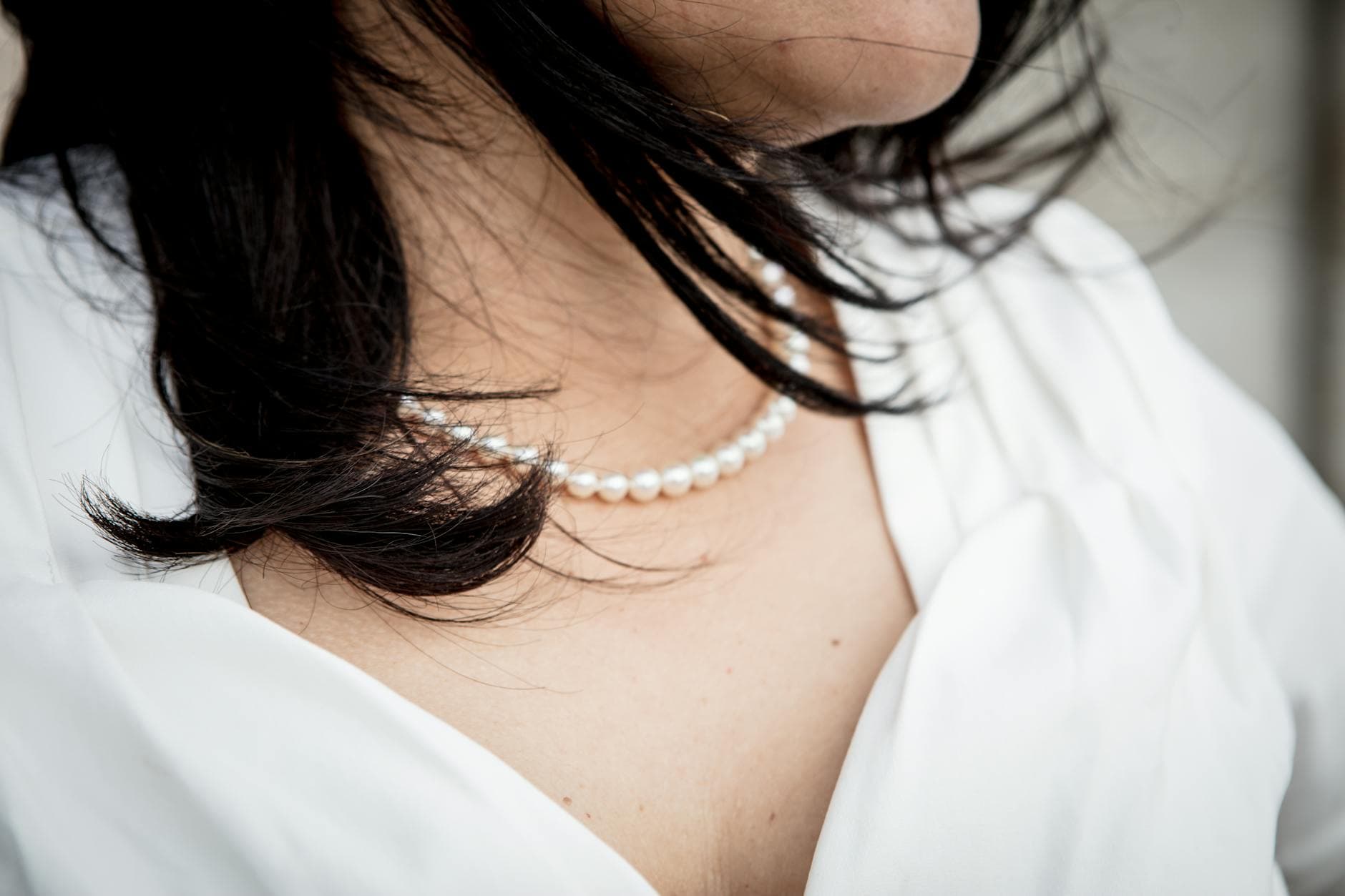
That clarity is especially useful because akoya has long been the benchmark white pearl category. The look is specific, almost architectural: classic roundness, white to cream color, a crisp mirror finish, and overtones that read as polished rather than flashy. GIA’s value framework, which evaluates size, shape, color, luster, surface, nacre, and matching, is built around exactly the qualities that make akoya feel different from more baroque or more voluptuous pearl categories.
The supply story is no longer abstract
Ago Bay remains the emotional center of the akoya trade, and it is also where the fragility is easiest to see. Reporting from Japan describes warming waters that weaken oysters and leave them more vulnerable to a deadly virus, while older farmers struggle to find successors for their family operations. In one account, Akihiro Takeuchi lost 80 percent of his juvenile oysters to a birnavirus outbreak, a reminder that the bottleneck is biological as much as it is commercial.
The result is a supply curve that can bend only so far before it snaps into higher prices. Akoya farming takes time, and when water conditions deteriorate or a disease cycle hits, the market does not simply refill itself the next season. That is why the current firmness feels durable: the problem is not one missing harvest, but a layered strain on production, succession, and the health of the oysters themselves.
Why this category still carries such weight
Akoya’s prestige rests on a lineage that still shapes how the category is sold. Kokichi Mikimoto developed the process behind culturing akoya pearls in Japan more than a century ago, and the category later expanded to north Vietnam and the southern coast of China. Even so, Japan remains the reference point, which is why price movements there still set the tone for the wider white-pearl market.
That history also explains the category’s persistent appeal. Akoya is the pearl most closely associated with the polished, white, perfectly rounded strand, the one that has defined modern pearl dressing for generations. Other cultured pearls may offer more size, more color, or a softer price, but akoya still carries the strongest shorthand for restraint, precision, and finish.
Where buyers may go next
If akoya prices keep firming, some buyers will almost certainly trade down for value or sideways for visual drama. Freshwater pearls offer the accessible alternative, while South Sea and Tahitian pearls sit higher up the luxury ladder and deliver scale, rarity, or darker color stories that akoya cannot mimic. The trade-off is obvious: no other category gives quite the same white, round, razor-clean signature, so the substitution is real, but never perfect.
That pressure may reshape merchandising as much as pricing. Gemworld International says the Japanese pearl industry is becoming more open and visible to attract younger collectors, a telling move in a market increasingly influenced by social-media attention and faster-changing taste. The pearl conversation is no longer confined to tradition alone; it now depends on whether the category can explain its value clearly enough to a new generation that wants provenance, beauty, and a story it can see instantly.
Akoya is still the standard by which white cultured pearls are judged, but the standard is getting harder to source. In a tighter market, the best strands become less like inventory and more like reference material, and that is exactly why the category’s pricing power looks set to stay elevated.
Know something we missed? Have a correction or additional information?
Submit a Tip