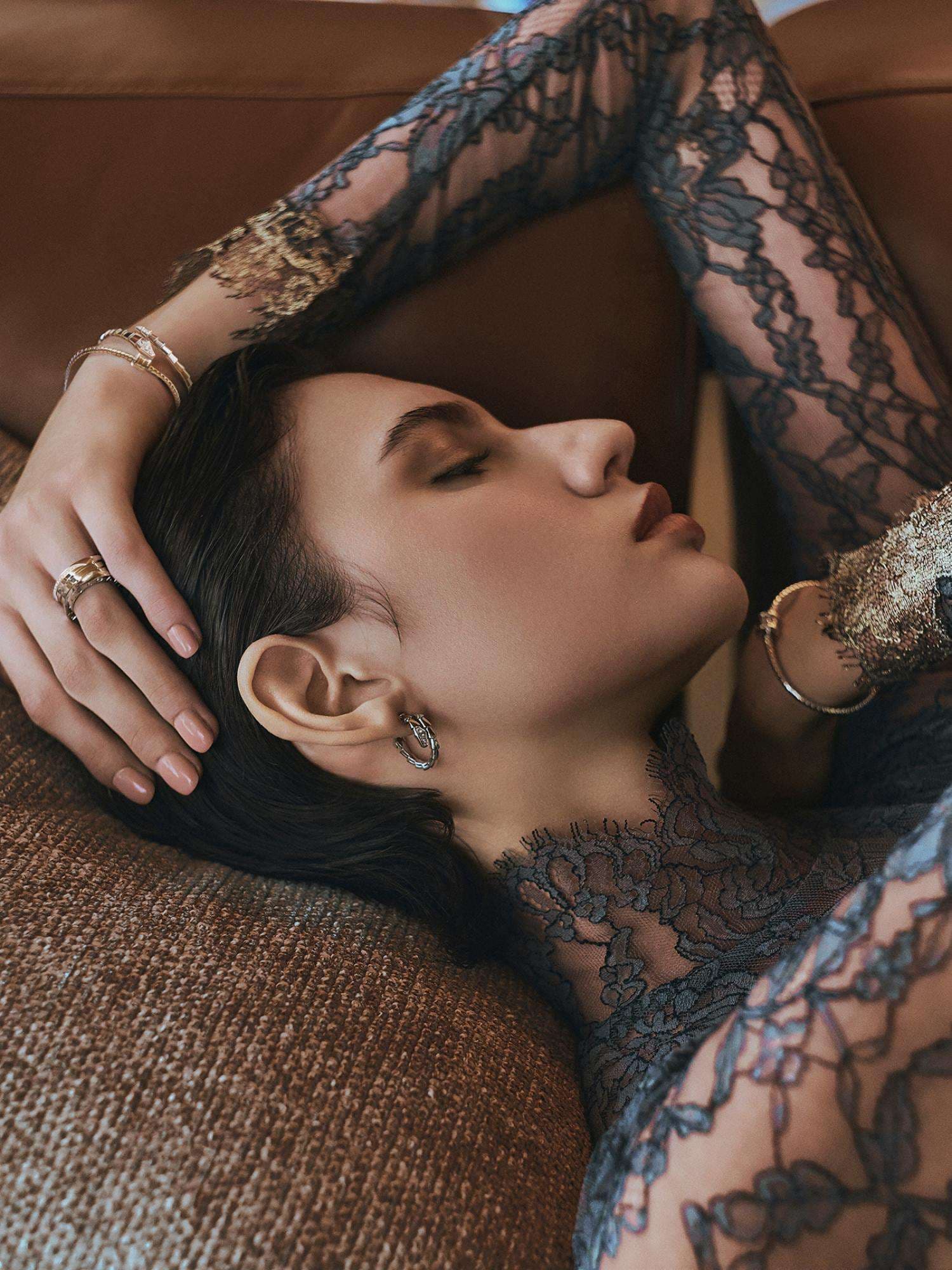
Couture jewelry trends embrace color, whimsy and organic shells
Pearls are shedding formality at Couture, where shells, leather cords and vintage cues made them feel inventive, wearable and unexpectedly modern.

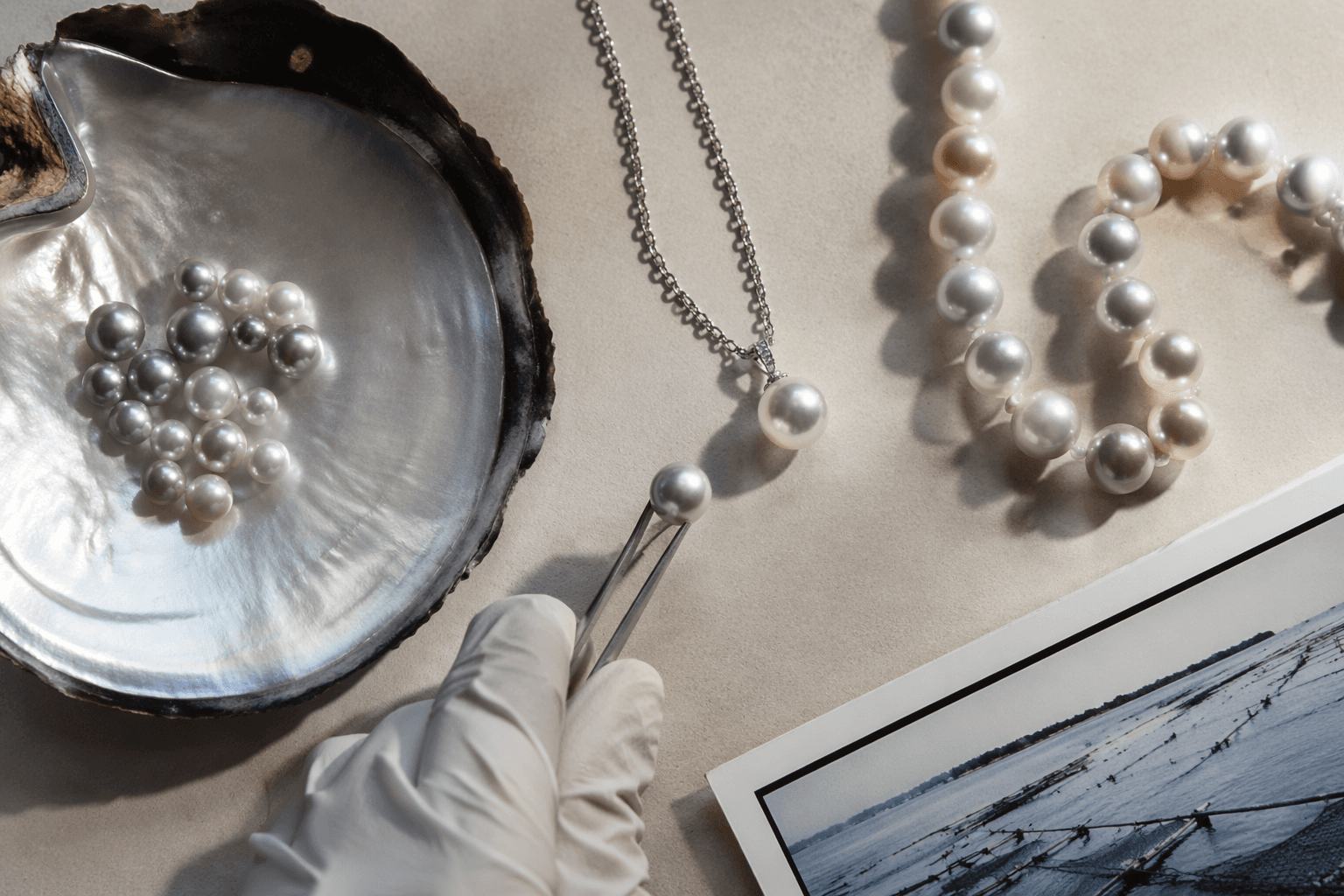
The strongest pearl story at Couture was not about propriety, but personality. In a year defined by color, whimsy, storytelling and alternative materials, pearls surfaced as something far less rigid than their old reputation suggests: tactile, expressive and surprisingly fresh when designers placed them beside shells, leather cords and other organic elements.
Couture set the tone for a more playful luxury market
The 2026 COUTURE show ran from May 27 through May 31 at Wynn Las Vegas, opening with the kind of tightly edited energy that has made the event feel more like a private salon than a sprawling trade fair. Organizers continue to position it as the industry’s most exclusive and intimate destination for designer fine jewelry and luxury timepieces, and that smaller scale matters now more than ever. In a market where buyers are chasing meaning, rarity and point of view, curation is not a luxury, it is the point.
That attitude was reflected in the floor conversation. Gannon Brousseau, executive vice president of show organizer Emerald, has described the fair as a home for “best-in-class” brands with distinct points of view, and the 2026 mood bore that out. Retailers said the dominant impulse was individuality, not uniformity, with collections leaning into color, storytelling, whimsy and vintage revival rather than a single hard-edged aesthetic. Alexandra Lippin of Elyse Walker called the show “incredibly expressive,” and that word felt especially apt for the pearl category, which has long struggled with the burden of appearing proper before it appears personal.
Why pearls suddenly feel less formal
Pearls are benefiting from a broader reset in how fine jewelry is worn and read. WWD’s spring 2026 coverage explicitly captured the shift toward “not-your-grandma’s pearls,” and that phrase landed because it describes a real design turn: pearls are being styled less as ceremonial objects and more as components in a modern jewelry wardrobe. The most compelling versions are no longer trying to imitate the uniformity of a classic strand. They are embracing asymmetry, mixed materials and a sense of narrative, which gives them room to feel contemporary without losing their softness.

That shift is also practical. Matthew Rosenheim of Tiny Jewel Box said emotions are driving purchases, and designers are building meaning directly into their collections. Pearls are naturally suited to that language. Their glow is intimate rather than flashy, and their history carries enough cultural weight to feel heirloom-level even when the design is new. In other words, pearls do not need to compete with gemstones by shouting; they win by deepening the story.
Shells, leather cords and organic textures change the script
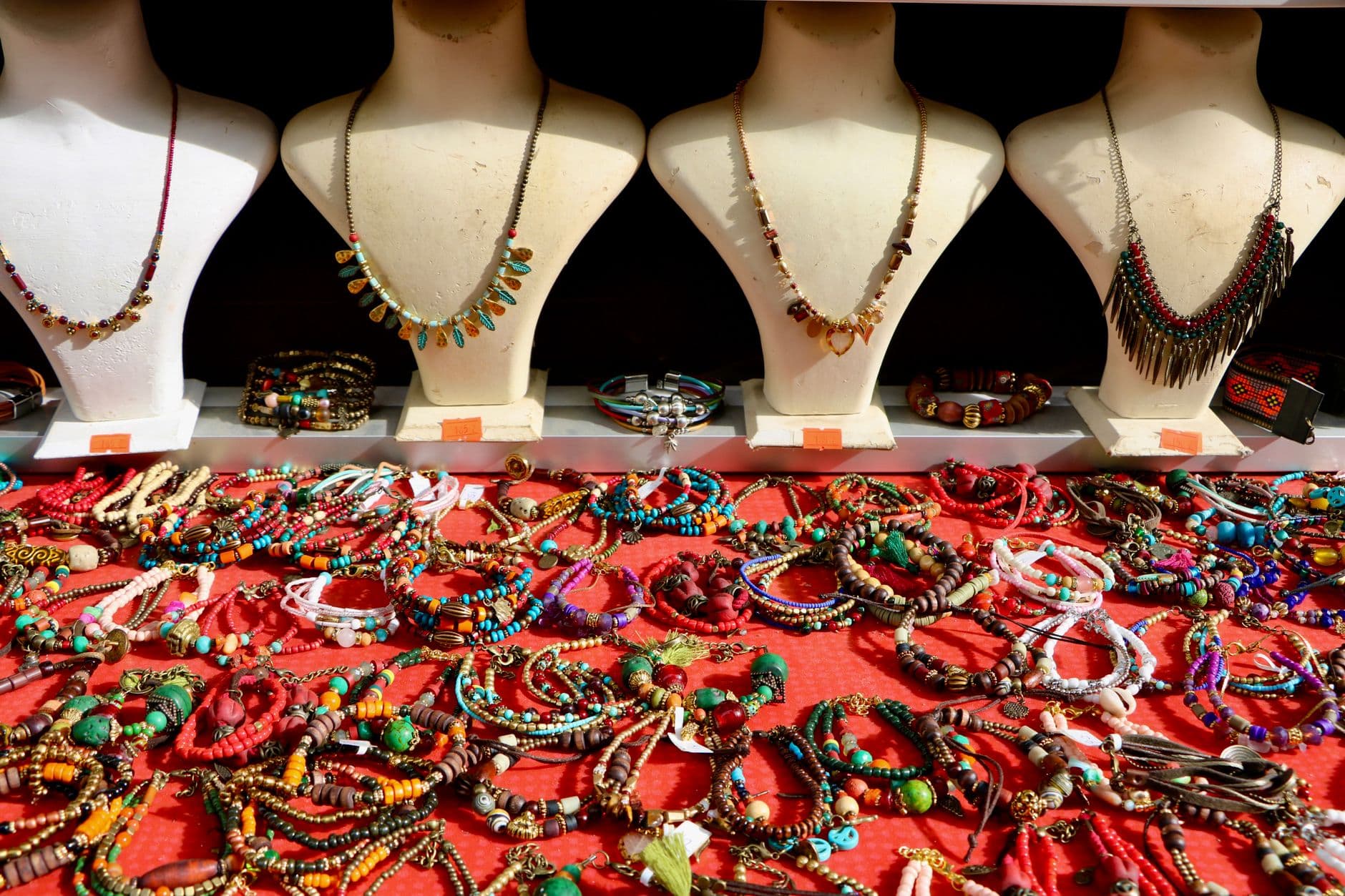
The most revealing detail in Couture’s trend report was the rise of alternative materials, including leather cords, shells and other organic elements. Those materials matter because they pull pearls away from the polished predictability that has defined so much traditional pearl jewelry. A pearl on a fine chain or set in a strict symmetrical arrangement can still be elegant, but at Couture the more memorable approach was to let pearls participate in something earthier and more textural.
This is where pearls can outshine other classics. Shell accents echo their natural origin without becoming literal; leather cords add tension and casualness; and organic forms create a lived-in, collected feeling that sits comfortably beside vintage revival. The result is jewelry that reads as personal rather than prescribed. For collectors, that difference is meaningful because it changes pearl jewelry from a category associated with formality into one that can feel like a signature.
What separates traditional pearl design from the new approach
Traditional pearl jewelry still has its place, especially when the craftsmanship is exacting. A matched strand of round pearls remains one of the cleanest demonstrations of symmetry, surface quality and color consistency in fine jewelry. But Couture’s pearl conversation suggested that today’s most interesting pieces are not trying to be textbook perfect. They are often more varied in shape, more fluid in construction and more willing to mix a cultured pearl with unexpected materials or hidden details.
That approach dovetails with the broader buyer appetite seen at the show. Retailers highlighted hidden details, convertible functionality and one-of-a-kind pieces, all of which favor design intelligence over obvious display. A pearl clasp that is beautifully engineered, a pendant that can be worn multiple ways, or a necklace that balances a pearl against shell or cord all offer more narrative than a straightforward string. For a client building a jewelry wardrobe intentionally, that narrative can be just as important as carat weight.
How to judge a pearl piece now
When pearl jewelry feels current, it usually succeeds on three levels: proportion, material contrast and restraint. The pearl should still be the visual center, but it should not be trapped inside a rigid formula. Look for designs that use mixed materials thoughtfully, especially if they include shells, leather cords or vintage references that are integrated rather than decorative for decoration’s sake.
A useful checklist is simple:
- The pearl has luster and presence, not just size.
- The setting or mounting supports the pearl’s shape instead of overpowering it.
- Any shell, cord or organic element feels intentional, not novelty-driven.
- The piece offers some sense of versatility, hidden detail or wearable ease.
- The design tells a story that feels personal, not costume-like.
That last point is where the category is strongest right now. Buyers were clear that the market is rewarding pieces with emotional resonance, and pearls are especially persuasive when they seem inherited from a future collection rather than borrowed from a past dress code.
The market backdrop favors originality
The K-shaped consumer dynamic visible at Couture helps explain why pearls are thriving in this new register. Demand remains strong at both the highest and lowest ends of the market, while the middle looks softer and more selective. Ylang 23 noted that the $5,000 to $10,000 retail sweet spot felt less prominent this year, which means middle-market jewelry has to justify itself through sharper design and stronger identity. Pearls, especially when they are wrapped in narrative or mixed with organic materials, have that advantage.
There is also a reassuring anchor in the category’s history. Mikimoto, founded in 1893 by Kokichi Mikimoto, who created the world’s first cultured pearl, still stands as a touchstone for pearl credibility. That legacy matters because it reminds the market that innovation in pearls is not about abandoning tradition. It is about expanding it, so the category can move confidently from the museum case to the modern wardrobe without losing the quiet authority that made pearls essential in the first place.
This article was produced by Prism’s automated news system from verified source data, official records, and press releases, then run through automated quality and moderation checks before publishing. The system is built and supervised by the people who set the standards it runs under. Read our full AI policy.
Did this article answer your question?