Dreweatts auction preview explores pearls, history, symbolism and style
Pearls are back in a sharper, more modern form, and Dreweatts’ June auction shows why collectors are paying attention to rarity, provenance, and wearability.

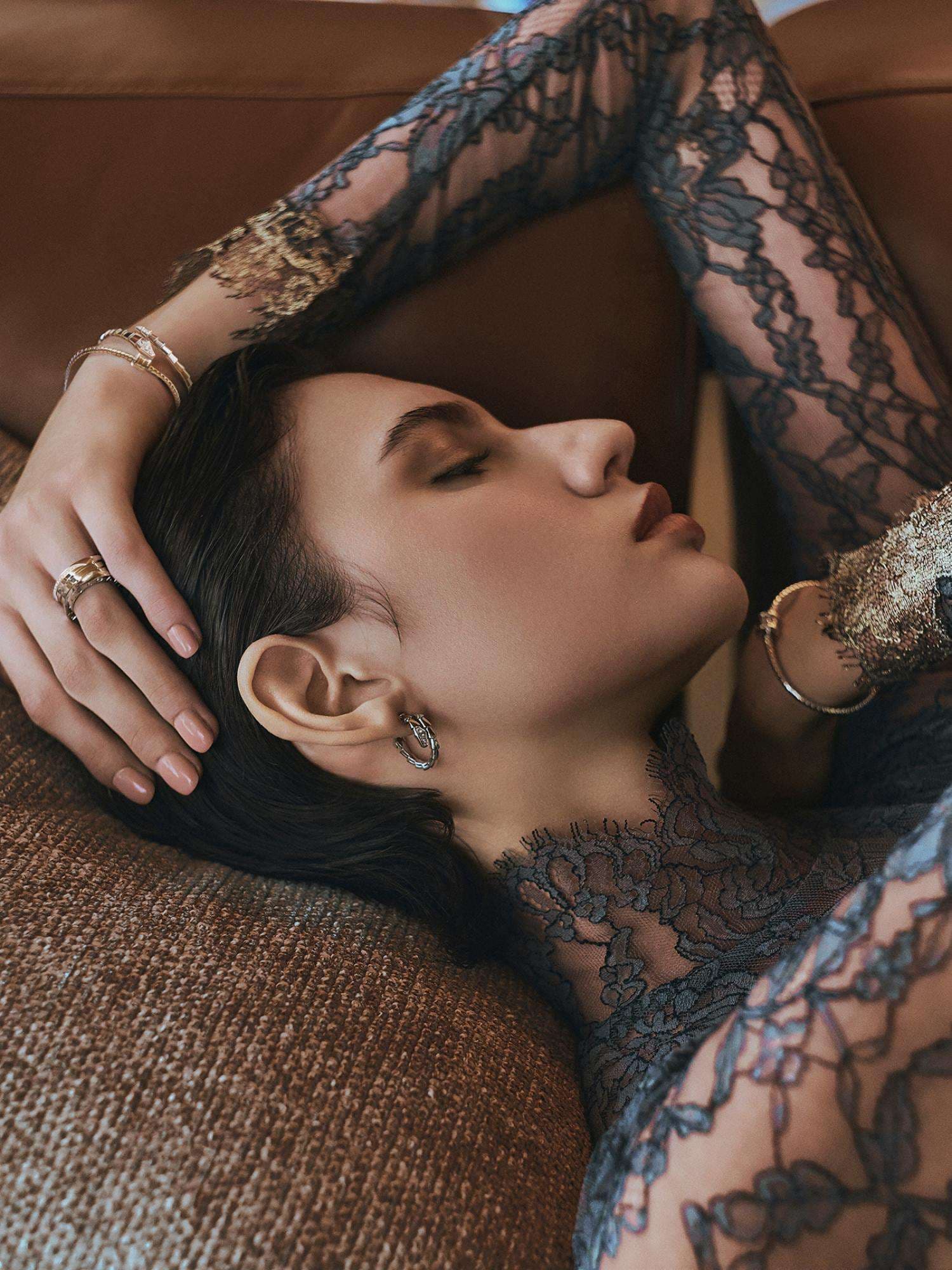
Pearls are no longer floating on the margins of fine jewelry as polite, inherited things. Dreweatts’ Fine Jewellery auction makes the case that they are back in the conversation because they now read as both historical and newly current: elegant in a classic strand, striking beside diamonds, and compelling when their scarcity or provenance gives them weight. The strongest pearl pieces in the sale are not museum-stiff relics. They are the kind of jewels that still work with modern wardrobes, especially when the setting gives the pearl a cleaner, more graphic frame.
Pearls as a 2026 style signal
The sale lands at exactly the right moment for pearls. Fashion, retail, and collector interest have all pushed the category forward again, and the appeal is not nostalgia alone. A pearl necklace or earring today often feels most relevant when it is worn with contrast, whether that means a sleek diamond setting, a colored-stone accent, or a form that lets the pearl itself stay the focus.
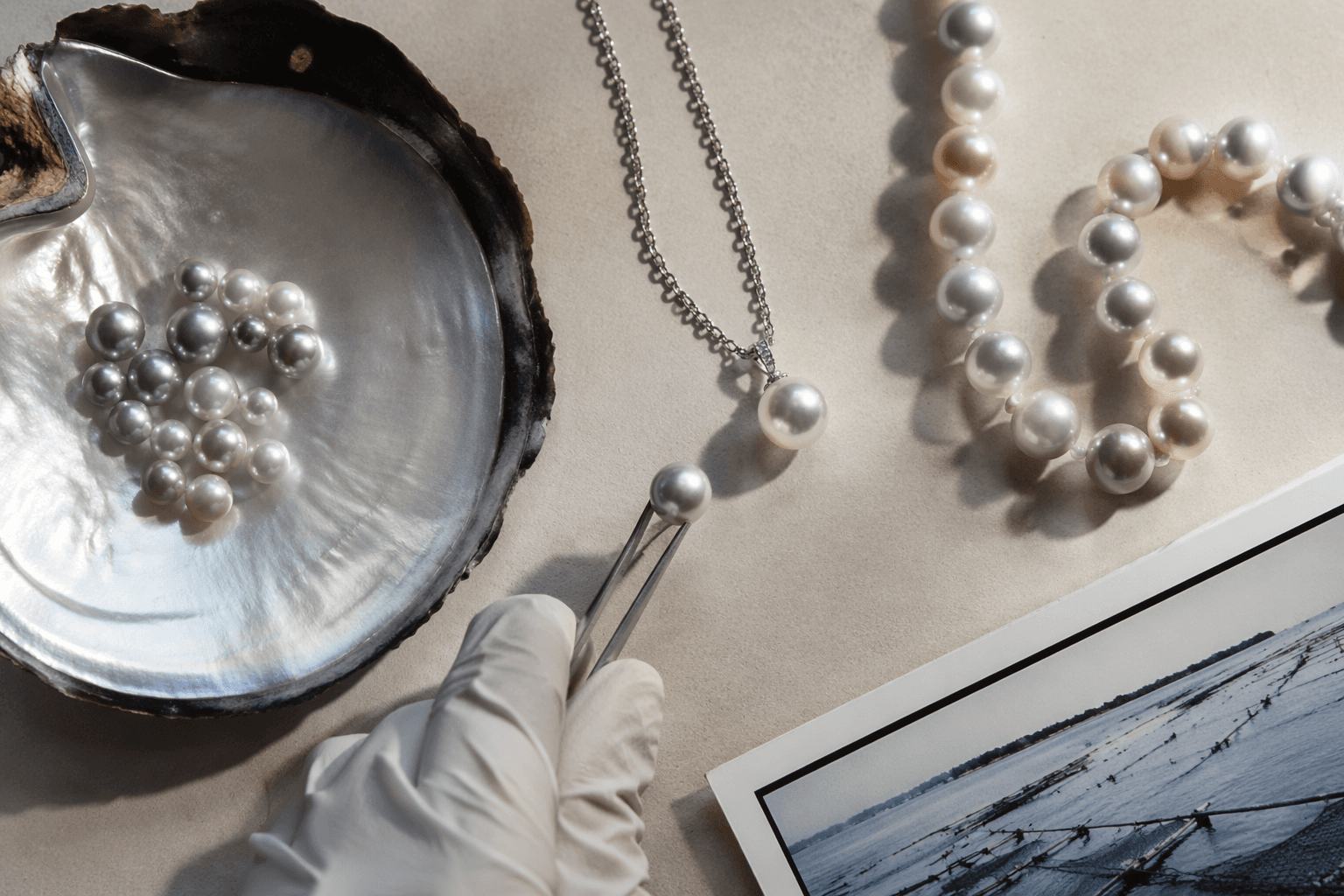
Dreweatts’ preview highlights that shift with an elegant selection of pearl jewelry and, notably, a sapphire, diamond and pearl necklace among the featured jewels. That combination matters. It suggests the kind of styling readers are responding to now: pearls that are not isolated as formal dress codes, but integrated into jewelry with a harder, more contemporary edge. In other words, the most desirable pearl pieces look less like heirlooms waiting for an occasion and more like jewels that can hold their own in daily rotation.
Why pearls still carry cultural power
Part of the pearl’s renewed appeal comes from the stories it has always carried. GIA notes that natural pearls have been prized for thousands of years as symbols of wealth and status. Across different cultures, pearls have also been tied to the moon, modesty, chastity, and purity. That long symbolic life gives them an unusual range: they can feel regal, devotional, restrained, or quietly luxurious depending on how they are set and worn.
That depth of meaning is one reason pearls remain so easy to collect and so easy to misunderstand. A pearl is never just a bead of nacre. It can signal lineage, travel, courtly display, or deliberate understatement. In a market saturated with louder statement stones, pearls still offer a subtler kind of authority, and that is part of their strength.
Natural versus cultured, and why the distinction still matters
If you want to understand why some pearls command real collector attention, rarity is the first lens to use. One commonly cited estimate is that fewer than 1 in 10,000 wild oysters produce a natural pearl, which explains why natural pearls sit at the top end of the market. Cultured pearls, by contrast, are the backbone of the modern pearl trade and make the category far more accessible.

The history here is important. GIA traces the first steps toward pearl culturing to China centuries ago, with Japanese pioneers later succeeding in producing whole cultured pearls around the beginning of the twentieth century. By the 1920s, cultured pearls had become commercially important as natural pearl production declined. Mikimoto marks a crucial milestone in that transformation: Kokichi Mikimoto is credited with creating the world’s first cultured pearls in 1893, a breakthrough that changed the market forever.
For readers, this is the practical takeaway: natural pearls are prized for extreme rarity and historical cachet, while cultured pearls offer the look, luster, and versatility that keep pearls relevant in everyday fine jewelry. Both have a place. The difference is that one is a near-mythic object of scarcity, while the other is the form that made pearls wearable for a much wider audience.
Provenance, collectors, and the auction premium
Pearls also remain collectible because they arrive with stories attached to famous owners and landmark sales. Christie’s has pointed to pearl wearers ranging from King Henry VIII to Princess Diana and Coco Chanel, a reminder that pearls have moved easily across centuries and style codes. The same house also records Elizabeth Taylor’s La Peregrina natural pearl as a record-setting auction lot, selling for $11,842,500 in 2011.
That kind of result helps explain why provenance still matters so much. A pearl with documented history can be worth more than the sum of its materials, especially when it combines rarity, exceptional size or form, and a notable owner. Sotheby’s has also underlined collector demand in a May 20, 2026 guide on pearl jewelry, reinforcing the sense that this is not a sleepy category but a serious one for buyers who care about history as much as beauty.
Dreweatts sits comfortably in that conversation. Established in 1759, the UK auction house serves buyers and consignors from around the world, which is exactly the kind of international marketplace where pearl jewelry can move between fashion, collecting, and investment-minded buying. In that setting, pearls are not treated as quaint. They are treated as material with a market, a past, and a future.
What to watch in the sale
The June Fine Jewellery auction takes place on Tuesday 16 June 2026, with live online bidding at 10:30 AM BST. Viewing is scheduled at Dreweatts London, 16-17 Pall Mall, St James's, on 9-10 June 2026. That preview window matters because pearls reveal a great deal in person: luster, surface quality, proportion, and how comfortably a piece sits against the skin.

A few practical signals stand out for buyers looking at pearl jewelry now:
- Pieces that combine pearls with diamonds feel especially current, because the contrast keeps the look crisp.
- Necklace forms remain important, but the best ones avoid fuss and let the pearl take center stage.
- Vintage pearl jewelry still reads as modern when the proportions are clean and the setting is disciplined.
- Natural pearls should always trigger a provenance check, because rarity is part of their value story.
Care still matters, but mostly because pearls are organic and deserve respect, not because they are fragile relics. Wearability has become the deciding factor in whether a pearl feels dated or fresh. The jewels that endure are the ones that can move from archive to wardrobe without losing their authority.
Why the pearl comeback has staying power
Pearls are resurging because they solve a problem many fine jewelry buyers now recognize: how to wear something meaningful without looking overdone. They bring history without heaviness, symbolism without sentimentality, and luxury without the flash of larger stones. Dreweatts’ auction preview captures that balance well, using pearl jewelry to show how a category built on old prestige can still feel unmistakably present.
This article was produced by Prism’s automated news system from verified source data, official records, and press releases, then run through automated quality and moderation checks before publishing. The system is built and supervised by the people who set the standards it runs under. Read our full AI policy.
Did this article answer your question?