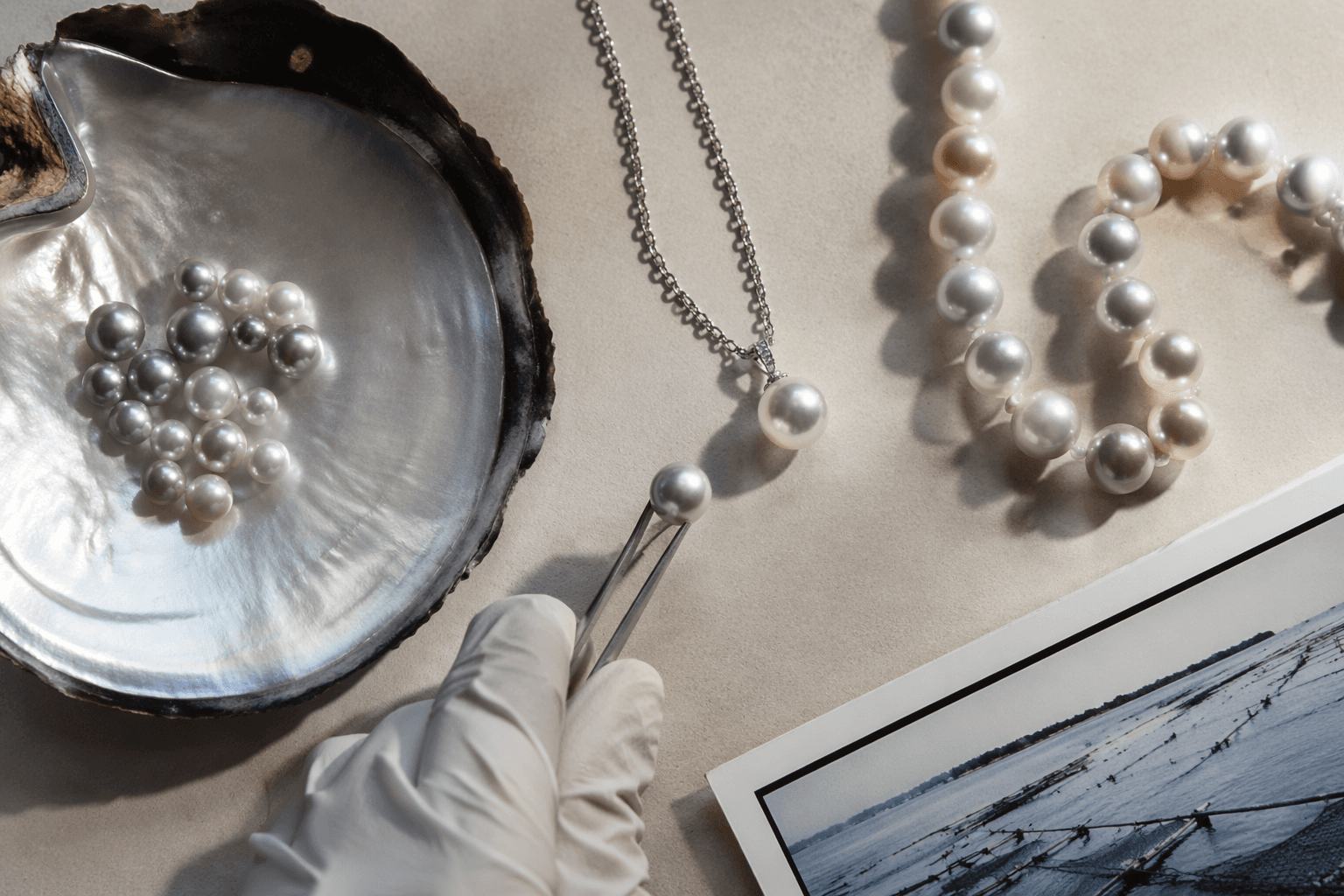
Freshwater pearl prices, what drives value and quality today
Freshwater pearls are still the entry point into real pearl jewelry, but luster, nacre and matching can move a piece from simple to seriously expensive.
Why freshwater pearls still define the starting line
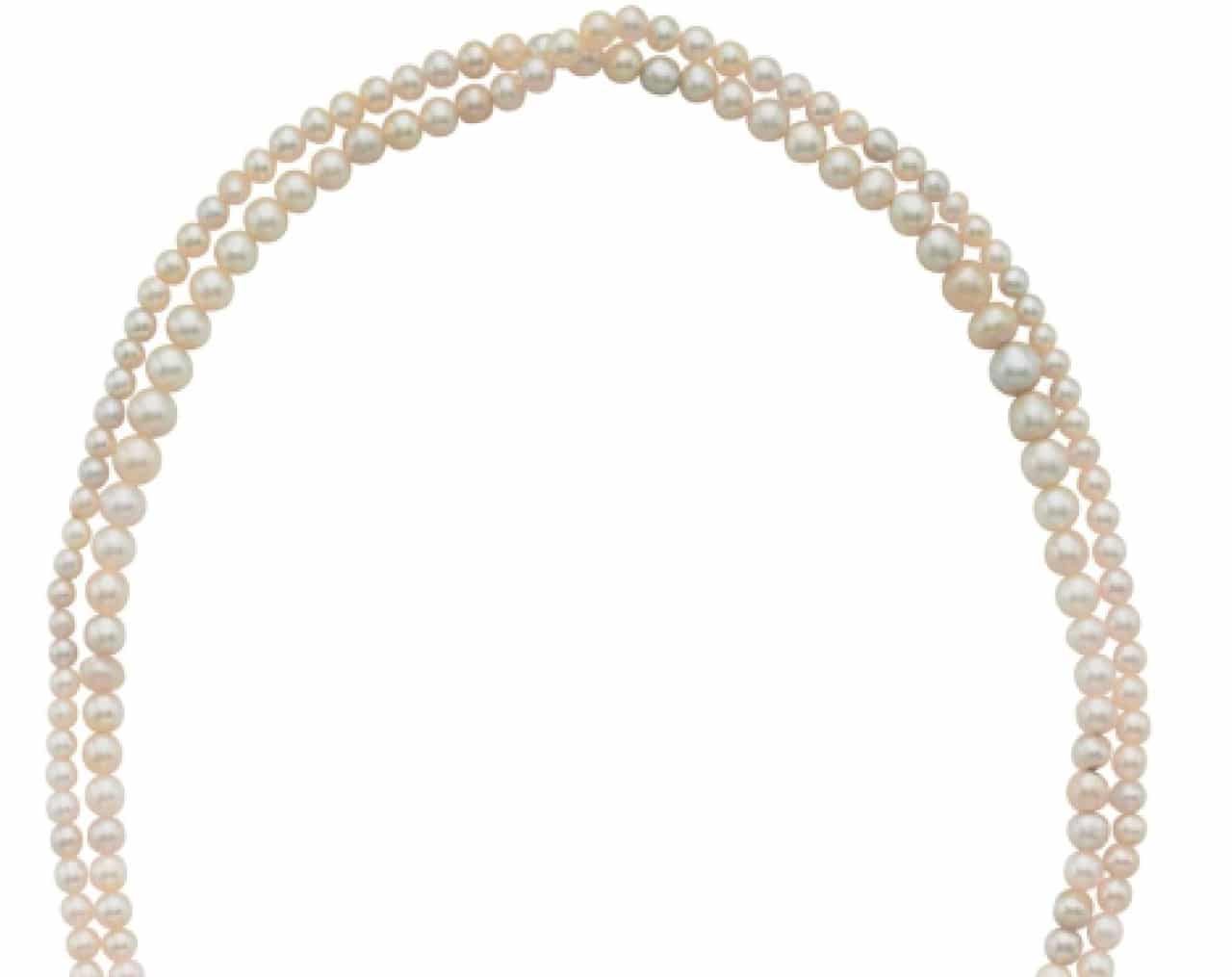
Freshwater pearls remain the most accessible way into real pearl jewelry, yet the category is far broader than many shoppers expect. A single strand can be modestly priced, while a stronger color, better luster, tighter matching and a solid-gold mounting can push the same gem type into far more serious territory. That spread is exactly why freshwater pearls matter now: they are no longer just the “cheap pearl” option, but a market where value depends on how carefully each piece was chosen and built.
Retailers keep describing the category as one of the most affordable in pearls, and that is still broadly true. But affordability does not mean uniform quality. Freshwater pearls come in a wide range of shapes, colors and sizes, which makes them the perfect place for first-time buyers to learn how much craftsmanship and grading language can change what a piece is worth.
The seven factors that actually move value
The cleanest lens comes from the Gemological Institute of America, which breaks pearl value into seven factors: size, shape, color, luster, surface quality, nacre quality and matching. That framework has been the reference point many retailers and labs use since GIA published its pearl classification feature in 2021. It is useful precisely because it cuts through the haze of romantic descriptions and puts the focus back on measurable quality.
Luster is usually the first thing the eye catches. Pearls with sharper, brighter reflections look more alive on the skin, while duller pearls can seem flat even when they are large or unusually colored. Surface quality matters just as much: the fewer marks, pits and blemishes, the cleaner and more premium the pearl appears.
Nacre quality is the quiet part of the equation, but it is one of the most important. Thicker, better-developed nacre usually gives a pearl more depth and a fuller glow, while weaker nacre can make a pearl look thin or chalky. For multi-pearl jewelry, matching is its own premium signal, because a strand or pair with close alignment in size, color, shape and luster takes more sorting and more curation to assemble.
Where price rises fastest
Size matters, but not in isolation. A larger freshwater pearl can command more money, yet only if its luster, surface and nacre keep pace. Once the quality drops, size alone stops being convincing value and starts becoming a trade-off.
Shape is another major divider. Round pearls still tend to be the easiest to sell at the top end because they feel classic and require more select material, but baroque and near-round pearls can be beautiful value plays when the surface is attractive and the proportions are intentional. Color also changes the conversation, since freshwater pearls appear across a broad palette, and stronger or more unusual tones can raise desirability when the hue is even and natural-looking.
The setting matters too. The Pearl Source notes that freshwater pearls are often sold as affordable jewelry, but premium strands and pieces with better mounts can still command much higher prices. That is the key point shoppers often miss: they are not only paying for the pearl itself, but for the design, the metal, the pairing work and the consistency of the final piece.
What good value looks like right now
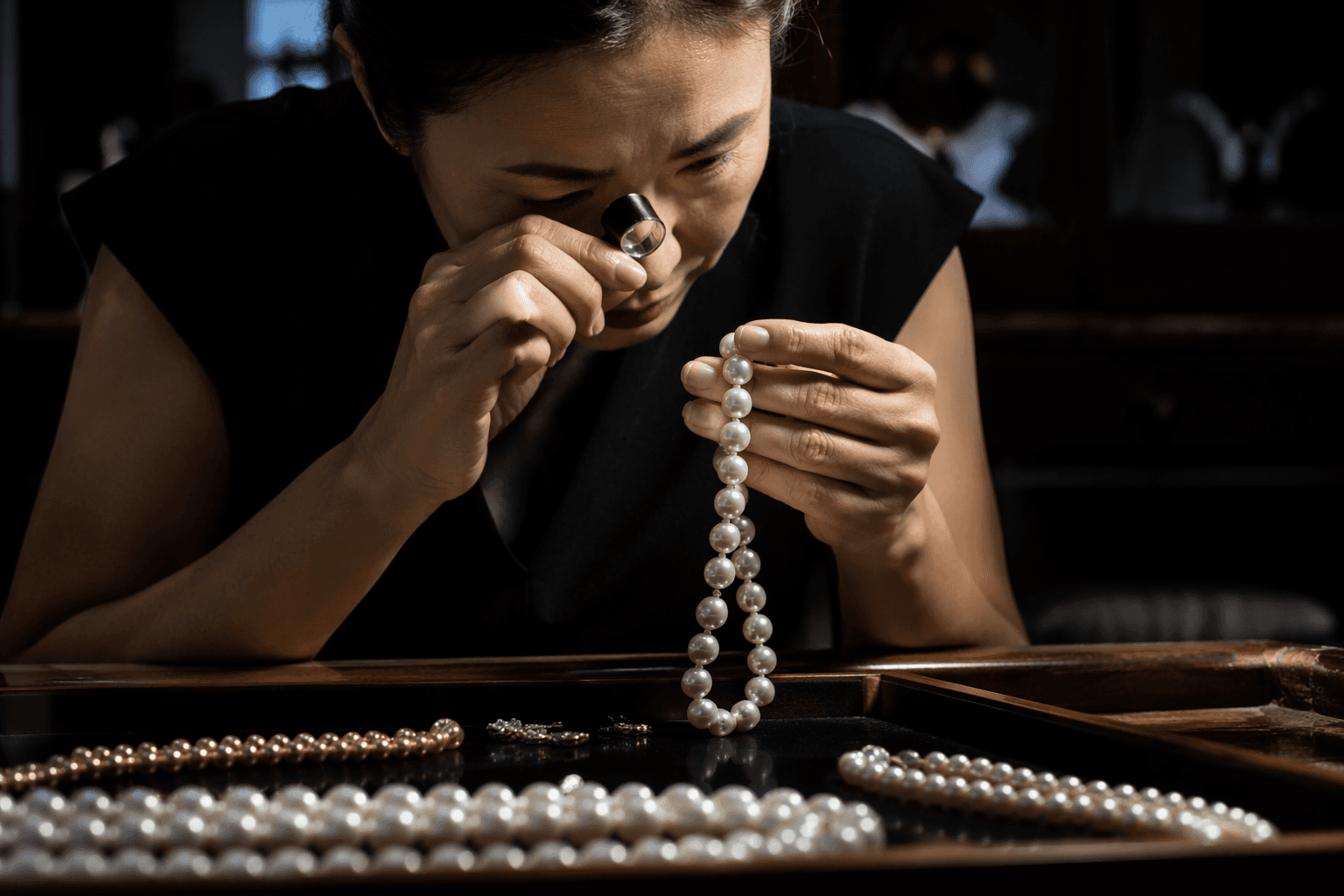
The best value in freshwater pearls usually sits where quality is strong enough to read as refined, but not so perfect that the price jumps into collector territory. For many buyers, that means prioritizing good luster first, then clean surfaces, then convincing matching if the piece includes multiple pearls. A slightly irregular shape can be excellent value if the pearl has lively light return and a rich, honest look.
Solid-gold settings are worth watching carefully, because they often signal a piece that is meant to last and to sit above entry-level costume jewelry. A plain pearl pendant in gold can be a smarter long-term buy than a larger but less convincing strand in weaker materials, especially if the pearl’s nacre and finish are strong. The smartest purchases tend to feel balanced rather than inflated by one flashy trait.
The provenance story is older, and more interesting, than most labels admit
Freshwater pearls carry a long cultivation history that gives the category real depth. Britannica says freshwater pearl cultivation in China was known from before 1000 BCE, and the Food and Agriculture Organization of the United Nations identifies the Deqing Freshwater Pearl Mussels Composite Fishery System in Zhejiang Province as an 800-year-old fish-mussel co-cultivation system and the birthplace of freshwater pearl cultivation. That heritage matters because it places today’s jewelry inside a long aquaculture tradition, not a recent industrial shortcut.
Most cultured freshwater pearls now come from freshwater mussel tissue in China’s lakes and ponds, which is where modern production still draws much of its scale. Britainnica also notes that commercial cultured pearl production was advanced in 1892 by Kokichi Mikimoto in Japan, a turning point that helped transform pearls from a rarity into a globally organized jewelry material. For a buyer, that history is not decorative trivia. It is the backdrop for understanding how pearls are grown, selected and priced today.
How to cut through marketing noise
Pearl language can get vague fast. Terms like “premium,” “luxury” or “high quality” mean little unless a seller can explain which of the GIA factors is actually strong in the piece. If a listing leans on mood words but avoids the basics, luster, surface, nacre, matching, shape and size, that is usually a sign the value story is thin.
- Is the pearl’s luster bright and crisp, or soft and muted?
- Are the surfaces clean enough to justify the price?
- Is nacre substantial enough to support long-term wear and visual depth?
- If there are multiple pearls, do they match closely enough to look intentional?
- Is the setting part of the value, or just a decorative afterthought?
The most useful questions are the simplest ones:
Freshwater pearls are still the most approachable place to begin, but they are no longer the obvious bargain bin of the pearl world. The category now rewards buyers who can read the details, because the real price differences are driven less by the word “freshwater” than by the small, visible decisions that make one pearl glow and another merely exist.
This article was produced by Prism’s automated news system from verified source data, official records, and press releases, then run through automated quality and moderation checks before publishing. The system is built and supervised by the people who set the standards it runs under. Read our full AI policy.
Did this article answer your question?