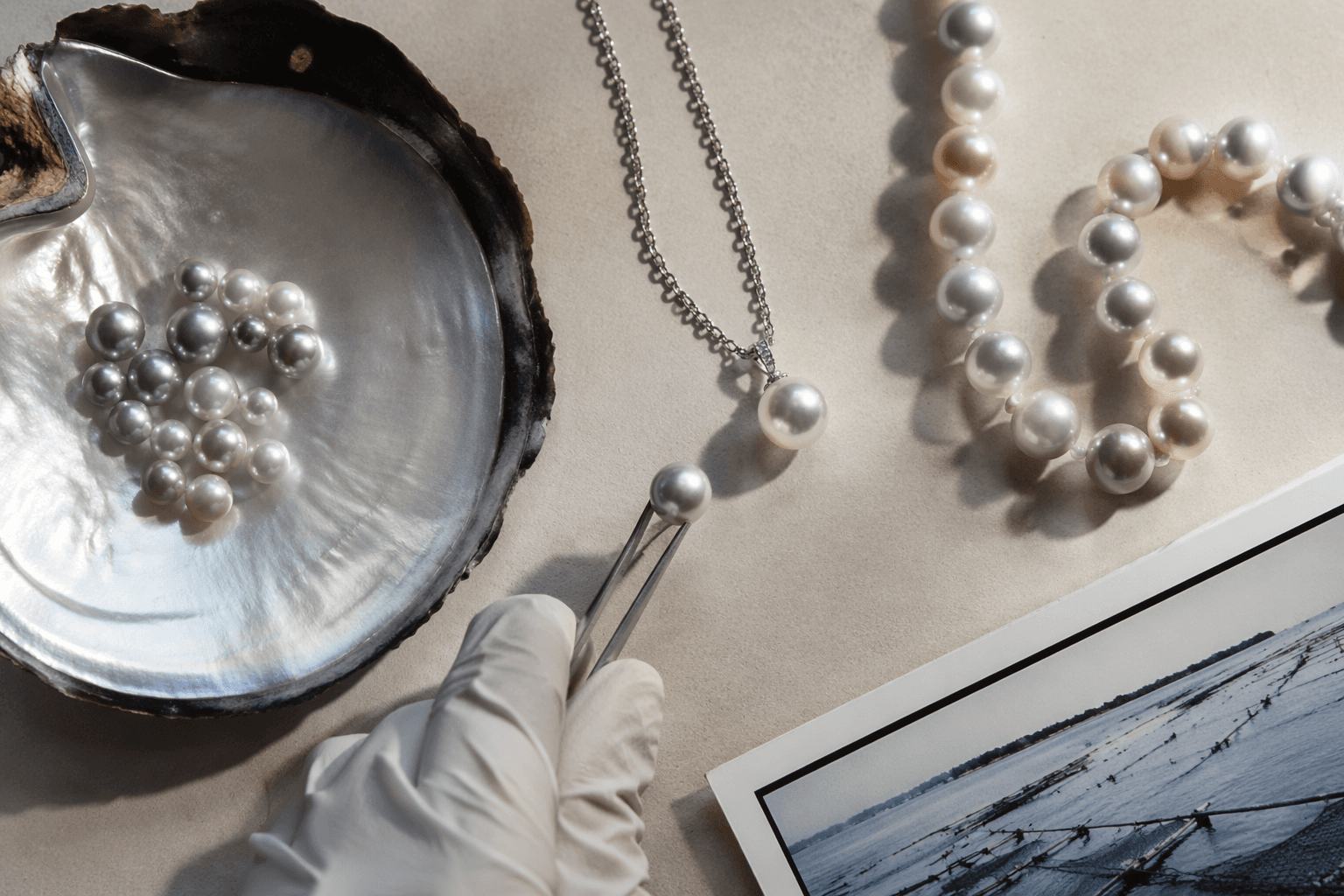
Freshwater pearls emerge as the best choice for daily wear
Freshwater pearls are the practical first buy for daily wear, while Akoya, Tahitian, and South Sea each trade polish, scale, and price for a different look.

If you want pearls you can wear often without feeling overdressed, freshwater pearls make the strongest case. They sit at the point where durability, versatility, and value meet, which is why they have become the clearest entry point for everyday pearl jewelry. Akoya, Tahitian, and South Sea pearls still matter, but each asks for a different kind of wardrobe commitment.
Why freshwater pearls are the everyday answer
Freshwater pearls are grown in freshwater lakes, rivers, and ponds, predominantly in China, and that origin matters because it shapes both availability and price. Compared with the more formal read of classic saltwater pearls, freshwater strands and earrings usually feel easier to wear with a T-shirt, a blazer, or a dinner dress. That flexibility is the heart of their appeal: they do not ask to be reserved for special occasions.
They also fit the modern buying mood. Pearls are one of the few gemstones not measured in carats, so size alone does not tell the story the way it does with diamonds. What matters instead is how the pearl looks on the body, how it performs over time, and how gracefully it handles repeat wear.
How pearl quality is really judged
Pearl value is built on a different set of criteria than most people expect. The most important factors are size, shape, color, luster, surface quality, nacre quality, and, for jewelry with two or more pearls, matching. That last detail is especially important in strands, earrings, and bracelets, where even tiny differences can change the entire effect.
Nacre deserves special attention because it is not just part of a pearl’s beauty, it is part of its structure. GIA notes that nacre thickness and continuity affect durability, which is why pearls with better nacre tend to stand up more confidently to regular wear. For a daily piece, that kind of resilience matters as much as sheen.
Freshwater versus Akoya: the most useful comparison
Akoya pearls remain the reference point for the classic pearl look. They are usually white or cream, round, and commonly range from 2 mm to 10 mm, which gives them a tidy, refined presence on the ear or at the throat. If your idea of pearls is polished, symmetrical, and unmistakably traditional, Akoya still delivers that language better than almost anything else.
Freshwater pearls, by contrast, usually win on practicality. They offer a broader value proposition because they tend to be more accessible while still giving you the substance and softness people want from pearls. And the comparison is becoming more interesting, not less: some newer Chinese freshwater pearls are now being grown using shell bead-nucleation, the same technique used for Akoya cultured pearls. That means certain freshwater pearls are starting to resemble Akoyas more closely than the traditional freshwater look many buyers still picture.
Where Tahitian and South Sea pearls fit
Saltwater pearls cover a different aesthetic territory. Common saltwater cultured pearls include Akoya, white or golden South Sea, and black Tahitian pearls, and each brings its own scale and mood. Tahitian pearls carry a darker, more dramatic presence, while South Sea pearls are prized for their generous size and can range from 9 mm to 20 mm.
That size range is one reason South Sea pearls read as statement pieces rather than casual staples. They can be extraordinary, but they are not usually the most economical choice for frequent wear. If you want a pearl that can move through daily life without feeling too precious, freshwater still makes the best balance of presence and ease.
Style, scale, and the real-life test of wearability
The everyday-wear question is less about ornament than about routine. Pearls are soft and porous, which means they are vulnerable to the small habits that shape a day: perfume, lotion, hairspray, and other common products can all do damage over time. That does not mean pearls are fragile in a precious-only sense, but it does mean they reward care and consistency.
For that reason, the best daily pearl jewelry is usually the piece you will actually maintain. A freshwater stud in a well-made mounting, a short strand with clean matching, or a pendant that sits safely away from heavy contact will age more gracefully than a more extravagant design you wear once a year. In pearl jewelry, usefulness is part of beauty.

Why pearls still feel current
Pearls have spent centuries moving between status symbol and intimate adornment. In Tudor England, the upper class embraced pearls so intensely that the sixteenth century became known as the Pearl Age, and pearls were also prized in ancient Egypt. Their broad appeal changed again in the early 1900s, when commercial saltwater pearl culturing began in Asia and made pearls more accessible to a wider clientele.
That history helps explain why pearls keep returning in new forms. They carry old-world authority, but the market around them keeps evolving, especially as production methods change. The newest freshwater pearls are not just a cheaper alternative; in some cases, they are becoming a more technically interesting one.
How to choose a pearl for daily wear
The best daily pearl is the one that balances beauty with patience. Look closely at luster first, then surface quality, then nacre, because those are the traits that most affect how the pearl looks and how long it will last. After that, weigh the style question honestly: if you want the sharpest classic polish, Akoya still has the edge; if you want the broadest mix of wearability and value, freshwater usually wins; if you want scale or drama, South Sea and Tahitian pearls are where the conversation shifts.
- Choose freshwater if you want a pearl you can wear often without treating it like a museum piece.
- Choose Akoya if you want a crisp, traditional white or cream round pearl.
- Choose Tahitian if you want deeper color and a more dramatic presence.
- Choose South Sea if you want size and impact, and are prepared to pay for it.
The modern pearl buyer is not choosing between old-fashioned and fashionable. The real choice is between a jewel that can sit at the center of everyday dressing and one that asks for a more ceremonial life, and freshwater pearls are the family that most often makes daily wear feel effortless.
This article was produced by Prism’s automated news system from verified source data, official records, and press releases, then run through automated quality and moderation checks before publishing. The system is built and supervised by the people who set the standards it runs under. Read our full AI policy.
Did this article answer your question?