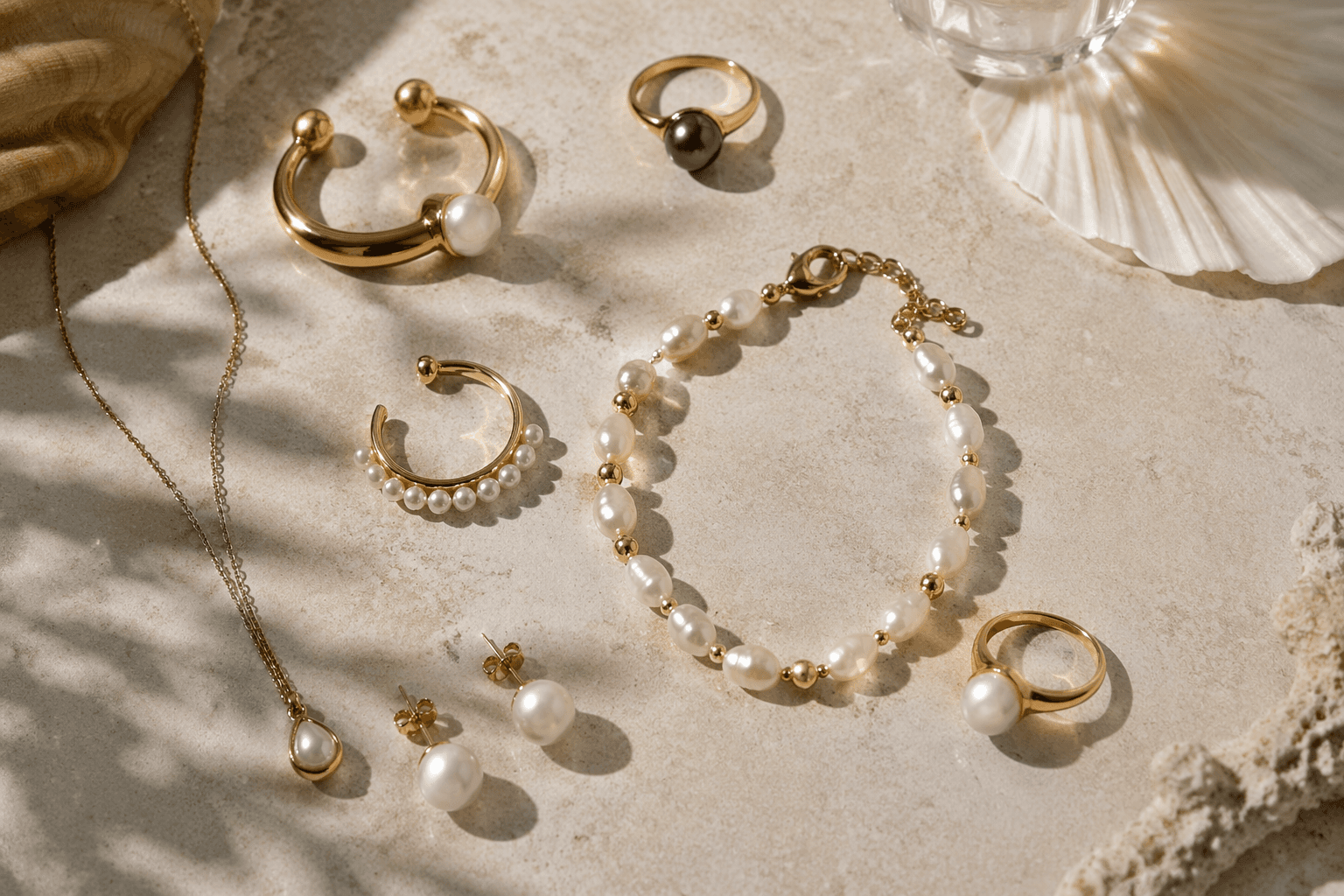
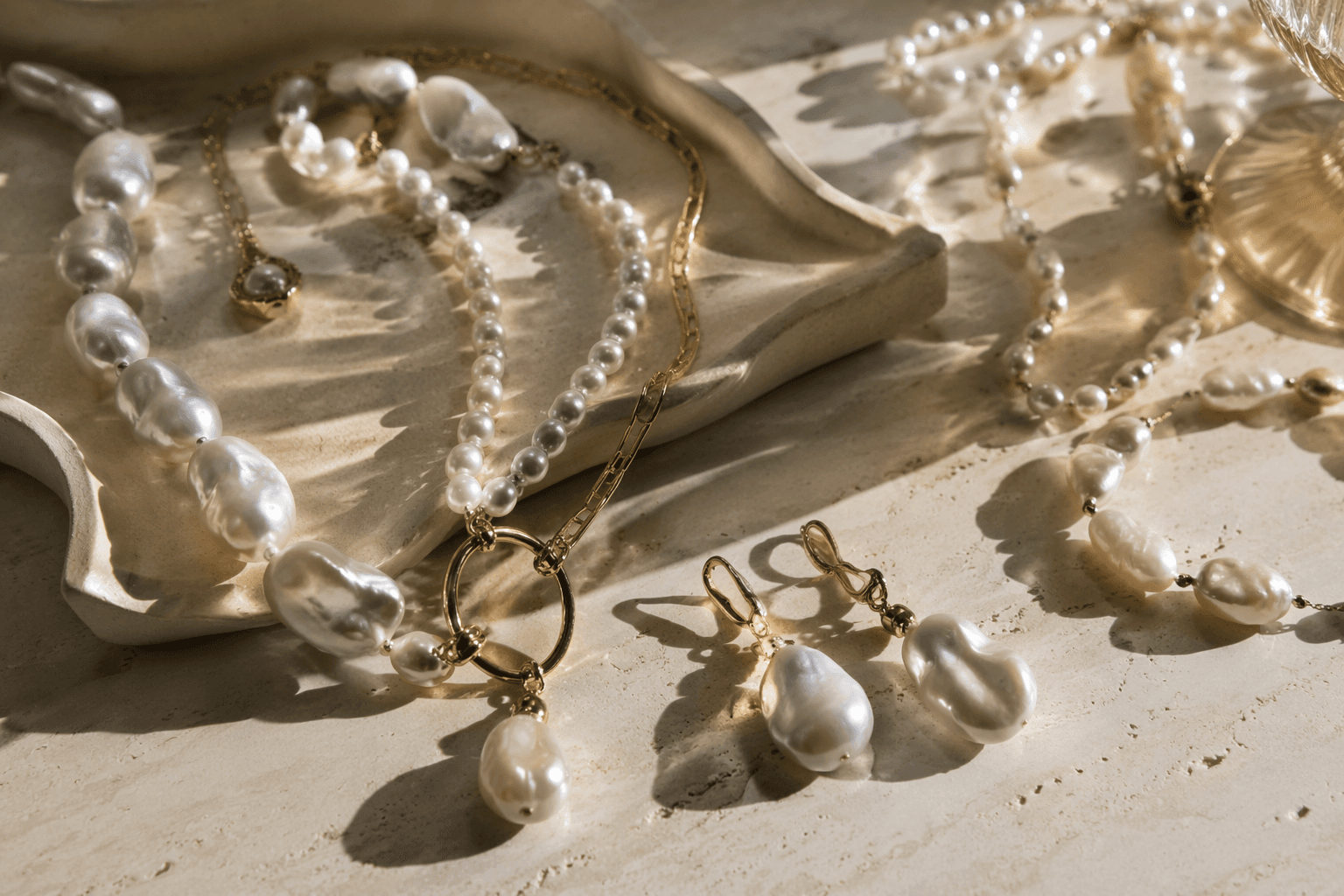
GIA advises gentle care to protect pearls from scratches and damage
Pearls look effortless, but the quickest way to dull them is daily care mistakes. Keep perfume, heat, rough storage, and harsh cleaners far away.
Pearls are having a very visible moment in everyday jewelry, but the same pieces that feel easy and modern are also among the most delicate gems you can wear. The fastest way to ruin that soft glow is also the most ordinary: perfume, hairspray, rough storage, ultrasonic cleaners, steam, and the habit of scrubbing them too often. With pearls ranked at 2.5 on the Mohs hardness scale, the real luxury is not hard wear but careful wear.
Why pearls need a gentler rulebook
Pearls are not cut and polished like harder stones. They are formed from aragonite, conchiolin, and water, which helps explain both their beauty and their vulnerability. That structure makes them especially susceptible to scratching, acids, ammonia, and the kind of daily wear that barely registers on diamonds or sapphires.
GIA notes that some pearls become even more fragile with age, dehydration, and excessive bleaching during initial processing. Heat adds another layer of risk: cultured pearls can burn, discolor, split, or crack when exposed to high temperatures. Intense light can also pull moisture from the gem, leaving it dehydrated and, in the worst cases, causing cracked nacre. Once nacre is damaged, the surface glow that makes pearls look expensive is difficult to recover.
The mistakes that damage pearls fastest
The most damaging habits are usually the ones that feel harmless in the moment. Hair spray and perfume are especially rough on pearls because GIA warns that pearls can be damaged by many chemicals and all acids, including cosmetics and perspiration. American Gem Society educational material reinforces the same point: everyday products like perfume can quietly harm soft, porous stones.
- Put pearls on after beauty products, not before.
- Keep them away from hairspray, perfume, lotion, and makeup.
- Never soak them in water or cleaning solution.
- Skip ultrasonic and steam cleaners entirely.
- Do not toss them into a jewelry dish with rings, chains, or anything sharp.
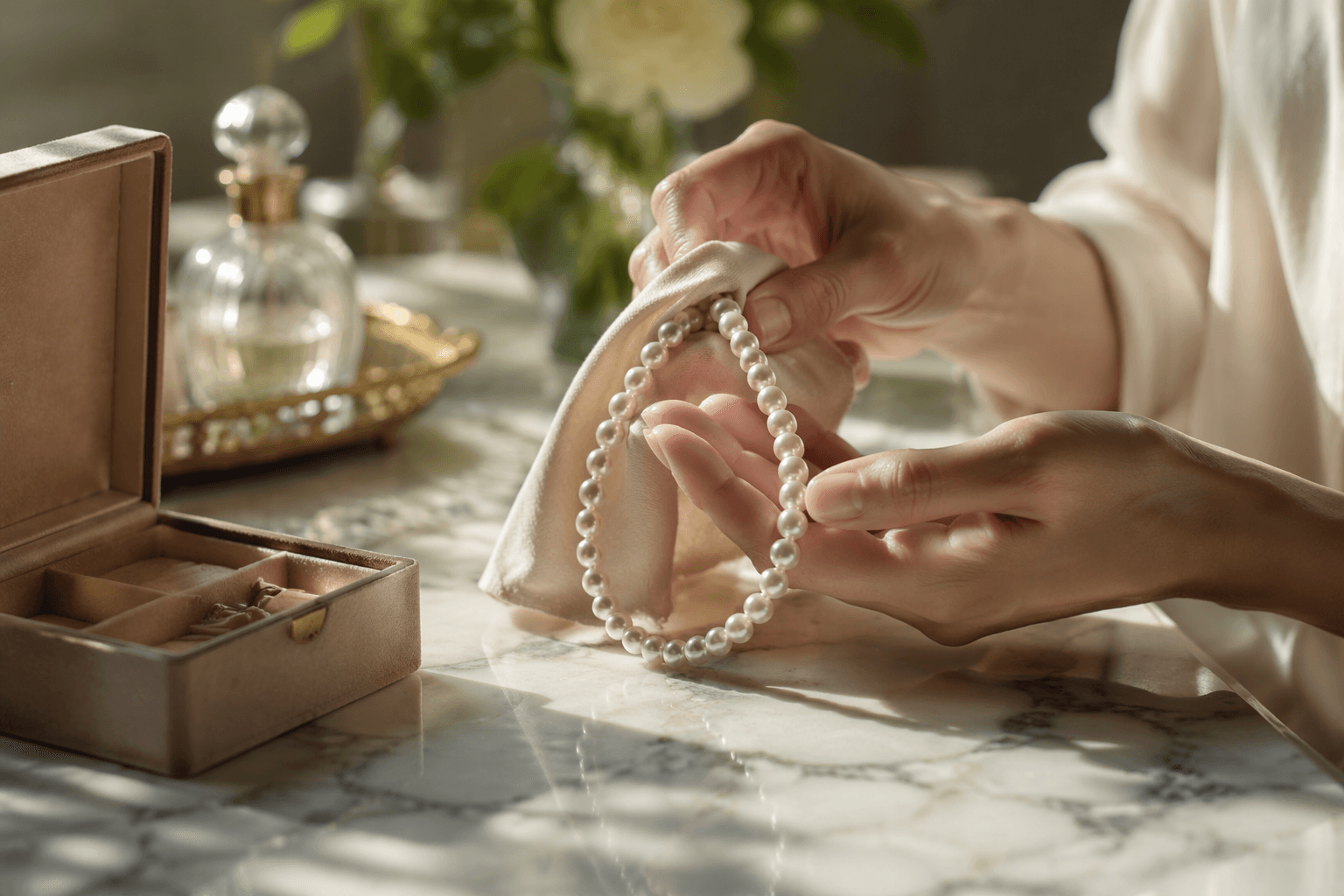
Rough storage is another hidden enemy. Pearls scratch easily when they rub against harder pieces, and GIA advises keeping them away from sharp or rough objects and storing them in a soft pouch or case. If you have ever opened a jewelry box to find a strand dulled by contact with metal clasps or stone pavé, you already know how quickly that damage can add up.
The cleaning routine that actually works
Pearls do not need aggressive maintenance to stay luminous. In fact, over-cleaning can do more harm than good. GIA’s guidance is simple: wipe cultured pearls with a very soft, clean cloth after each wearing, and use warm, soapy water only for occasional thorough cleaning.
That means the everyday routine should be light touch, not deep treatment. A soft cloth removes skin oils, traces of makeup, and the residue that builds up during a full day of wear. When a more thorough cleaning is needed, keep it brief and gentle, then dry the piece completely before storing or wearing it again. For strung pearls, full drying matters especially because moisture trapped near the silk can weaken the strand over time.
The sequence matters as much as the product. Pearls should be among the last pieces you put on and the first you take off, after all fragrances and cosmetics have settled. That small change protects the nacre from the ingredients most likely to haze or stain it.
On necklaces, knots are not just decorative
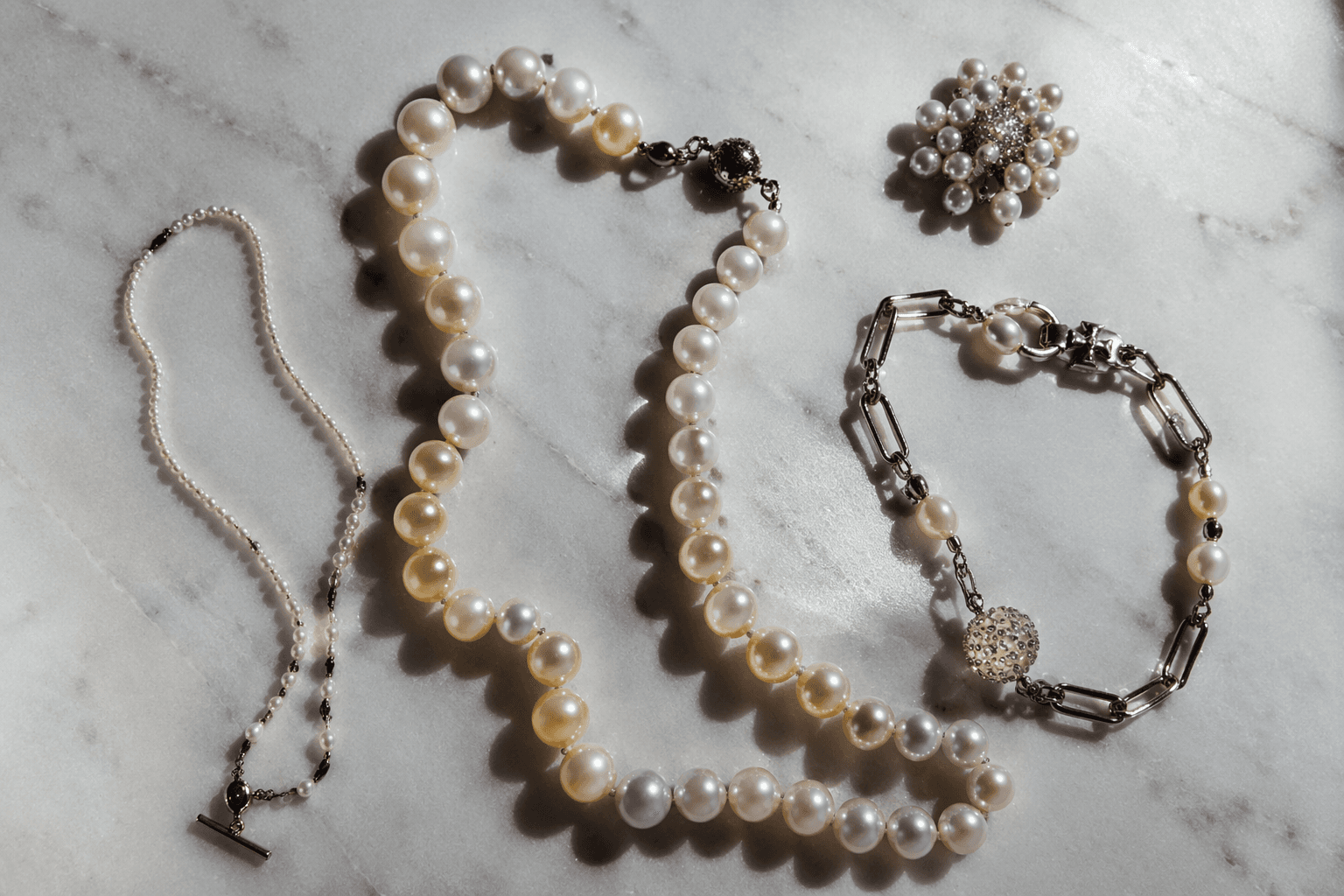
A pearl necklace is strongest when the construction helps protect the gems themselves. The International Gem Society recommends knotting between pearls on necklaces to reduce abrasion and keep grime from entering drill holes. That detail does more than preserve the strand’s drape. It also limits how much the pearls can rub together, which helps prevent surface wear and the gradual dulling that can make a necklace look tired before its time.
Knotted strands also have a practical advantage if one section weakens. The knots help keep pearls from scattering and create a little cushion between each stone. For readers buying into the current everyday-pearl mood, this is the kind of craftsmanship detail that separates a piece meant for a season from one meant for years.
What makes pearl care different from other gems
Pearls need a care routine closer to that of a fine textile than a hard gemstone. The International Gem Society notes that their composition leaves them vulnerable to acids, ammonia, and scratching, which is why the usual jewelry-cleaning habits can be the wrong ones here. The American Gem Society makes the same larger point: delicate gems deserve delicate care, and the small routines of daily life matter more than elaborate treatment later.
That is why the best pearl wardrobe habits are surprisingly simple:
- Wipe after wear with a very soft cloth.
- Store in a soft pouch or lined case.
- Keep away from rough surfaces and hard stones.
- Avoid heat, direct harsh light, and chemical exposure.
- Use only brief, occasional warm soapy cleaning when needed.
These steps are not about fussiness. They are about preserving luster, protecting nacre, and keeping strands from aging before their time.
Why pearls still matter now
Part of pearls’ staying power comes from their history. GIA notes that natural pearls were coveted for thousands of years, but they were too irregular to satisfy growing demand. That changed when Kokichi Mikimoto began experiments in Japan around 1890 and produced the first cultured pearls in 1893, with round cultured pearls following in 1905. The Japan Patent Office says Mikimoto secured a cultured pearl patent in 1896, and later helped turn cultured pearls into a representative export product of contemporary Japan, accounting for about 60 percent of the world cultured pearl market.
That history matters because it explains why pearls remain both accessible and storied. They are the birthstone for June and the gem for the third and thirtieth anniversaries, which keeps them in circulation as gifts, milestones, and everyday signatures. But their renewed place in modern styling only works if the care is equally modern in its discipline. The new pearl wardrobe is less about preciousness on display and more about preserving a soft, clean glow that can survive real life.
This article was produced by Prism’s automated news system from verified source data, official records, and press releases, then run through automated quality and moderation checks before publishing. The system is built and supervised by the people who set the standards it runs under. Read our full AI policy.
Know something we missed? Have a correction or additional information?
Submit a Tip