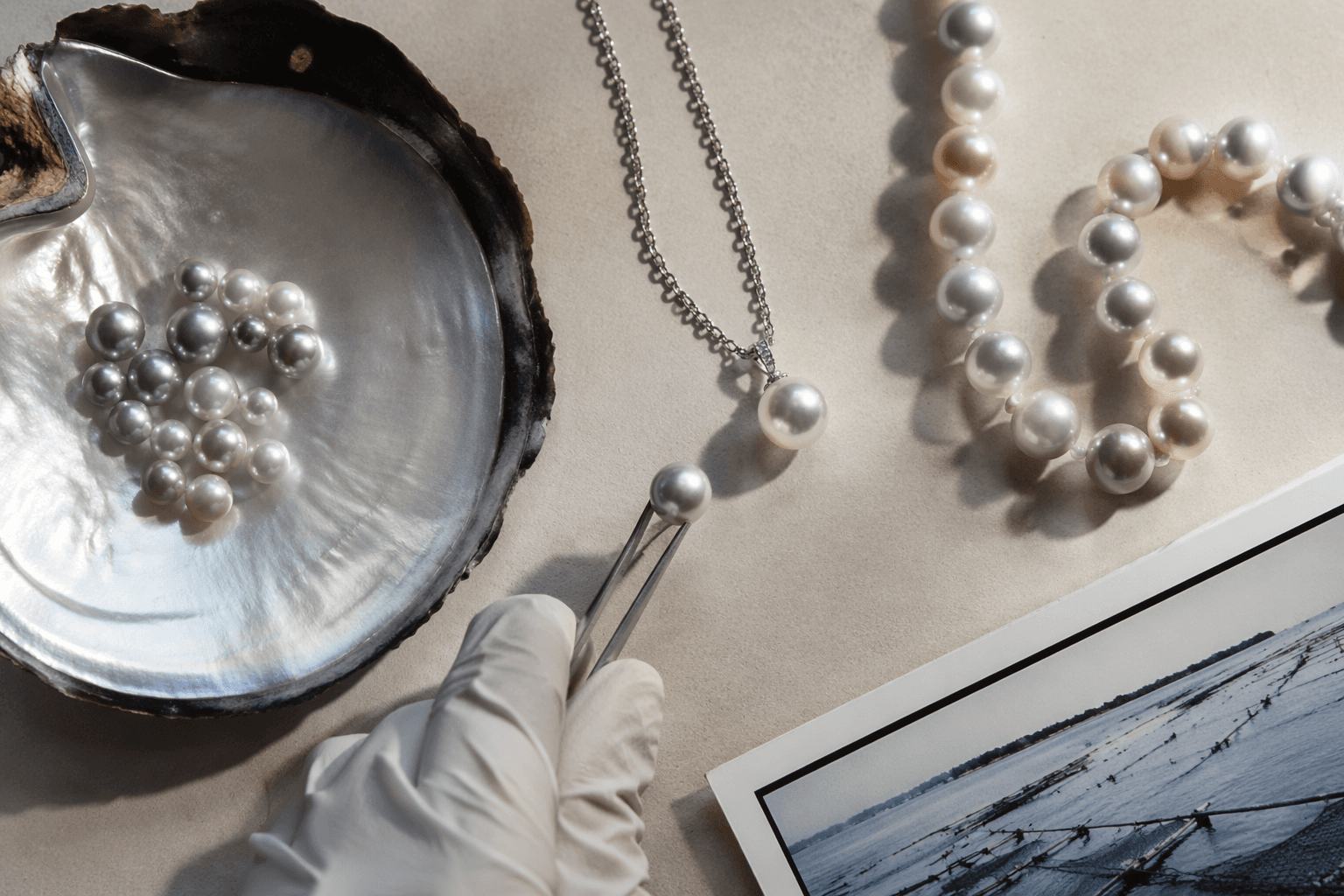
Inland pearl farming takes root in Moradabad as demand rises
Waterlogged land in Moradabad is being turned into pearl ponds, a shift that could give designers a more traceable freshwater supply and cut reliance on imports.
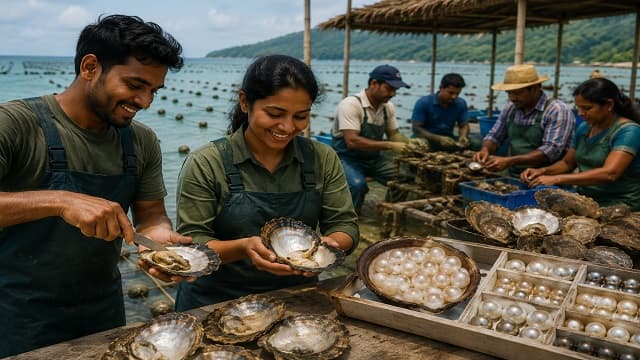
Waterlogged fields in Moradabad are being recast as pearl ponds, and that may matter as much to jewelry designers as it does to farmers. The inland setup, built with floating bottles and underwater net structures, points to a freshwater supply chain that is closer to the source, easier to follow and far less dependent on India’s long-standing import market.
The appeal is practical before it is romantic. Dr. Deepak Mehdiratta said nearby higher fields were sending water onto the family land, making conventional farming nearly impossible and pushing the switch to pearl cultivation. He also said India produces only around 3 per cent of its pearl requirement, while nearly 97 per cent is imported, a split that turns every new domestic pearl unit into more than a rural experiment. It becomes a bid to keep value, skill and traceability inside the country.
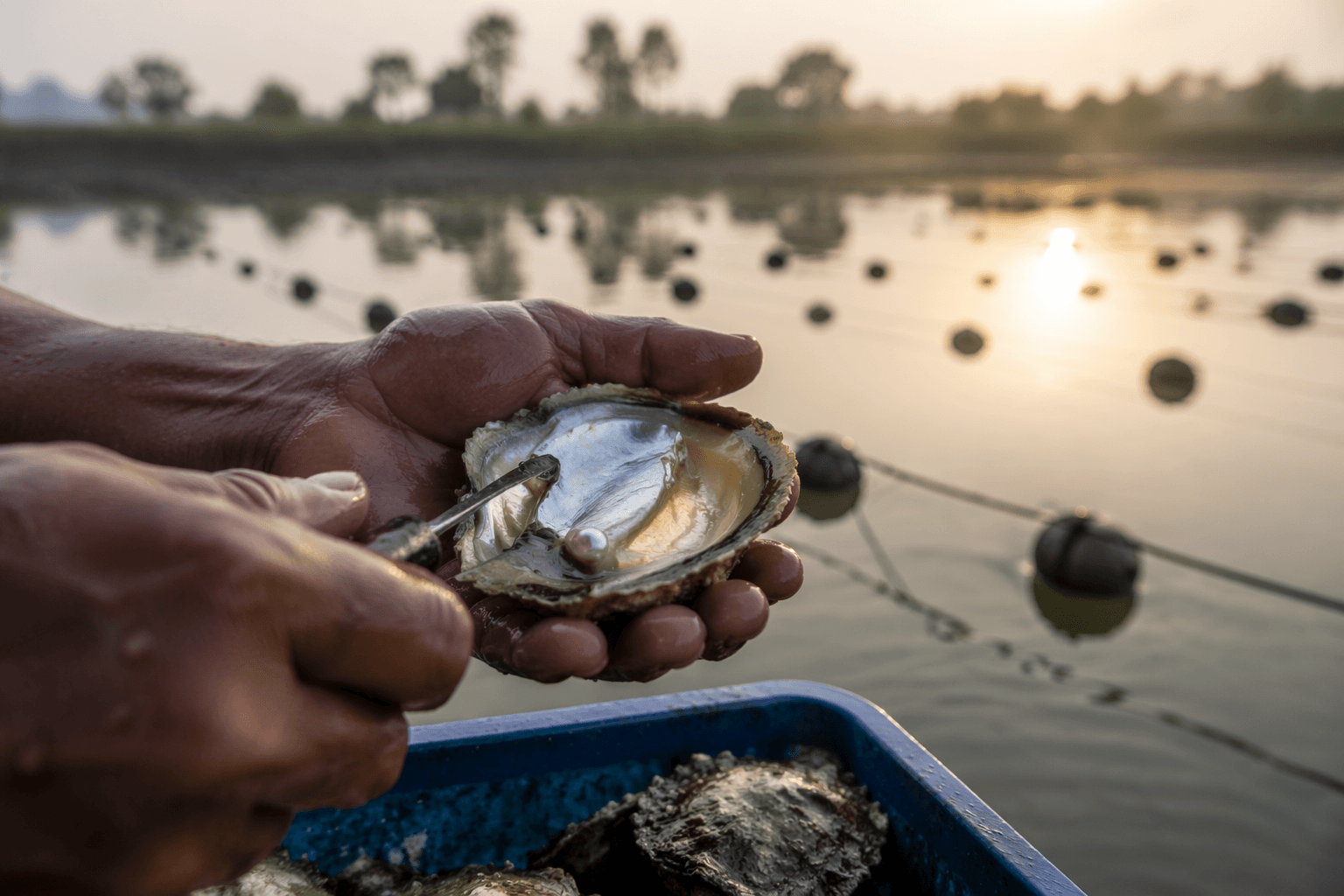
That shift is visible in the way the oysters are being grown. The ponds rely on floating bottles and submerged net structures, with oysters cultivated over several months before pearls are harvested. For the jewelry trade, that kind of inland husbandry could offer a new kind of inventory: freshwater pearls with a clearer origin story, potentially steadier availability and a wider range of natural variation than the factory-polished look many buyers still associate with pearls. Whether the end result is more uniform or more characterful will depend on the biology, the water and how carefully each lot is sorted.
The policy backdrop is pushing in the same direction. The Department of Fisheries has approved 2,307 bivalve cultivation units, including mussels, clams and pearl-related units, under the Pradhan Mantri Matsya Sampada Yojana at a total cost of Rs 461 lakh. It has also circulated an SOP for fisheries and aquaculture production clusters, including pearl clusters, while ICAR-Central Institute of Fisheries Education and ICAR-National Bureau of Fish Genetic Resources have been part of the broader skill-building push. In March 2024, ICAR organized a three-day Freshwater Pearl Culture Technology training programme in Nagaon, Assam, showing how actively the technique is being carried beyond coastal aquaculture.

Moradabad is also emerging as a test case for who benefits first. Separate coverage has described the work as creating opportunities for farmers and young entrepreneurs, and training-led adoption has already reached at least four farmers in the city, alongside a 50 per cent government subsidy. With India’s trade data portal updated through May 19, 2026, and the country still a net importer of pearls, the significance is larger than one district’s flood-prone land. If Moradabad can turn damaged fields into productive pearl farms, it may help redraw the map of pearl sourcing itself.
This article was produced by Prism’s automated news system from verified source data, official records, and press releases, then run through automated quality and moderation checks before publishing. The system is built and supervised by the people who set the standards it runs under. Read our full AI policy.
Did this article answer your question?