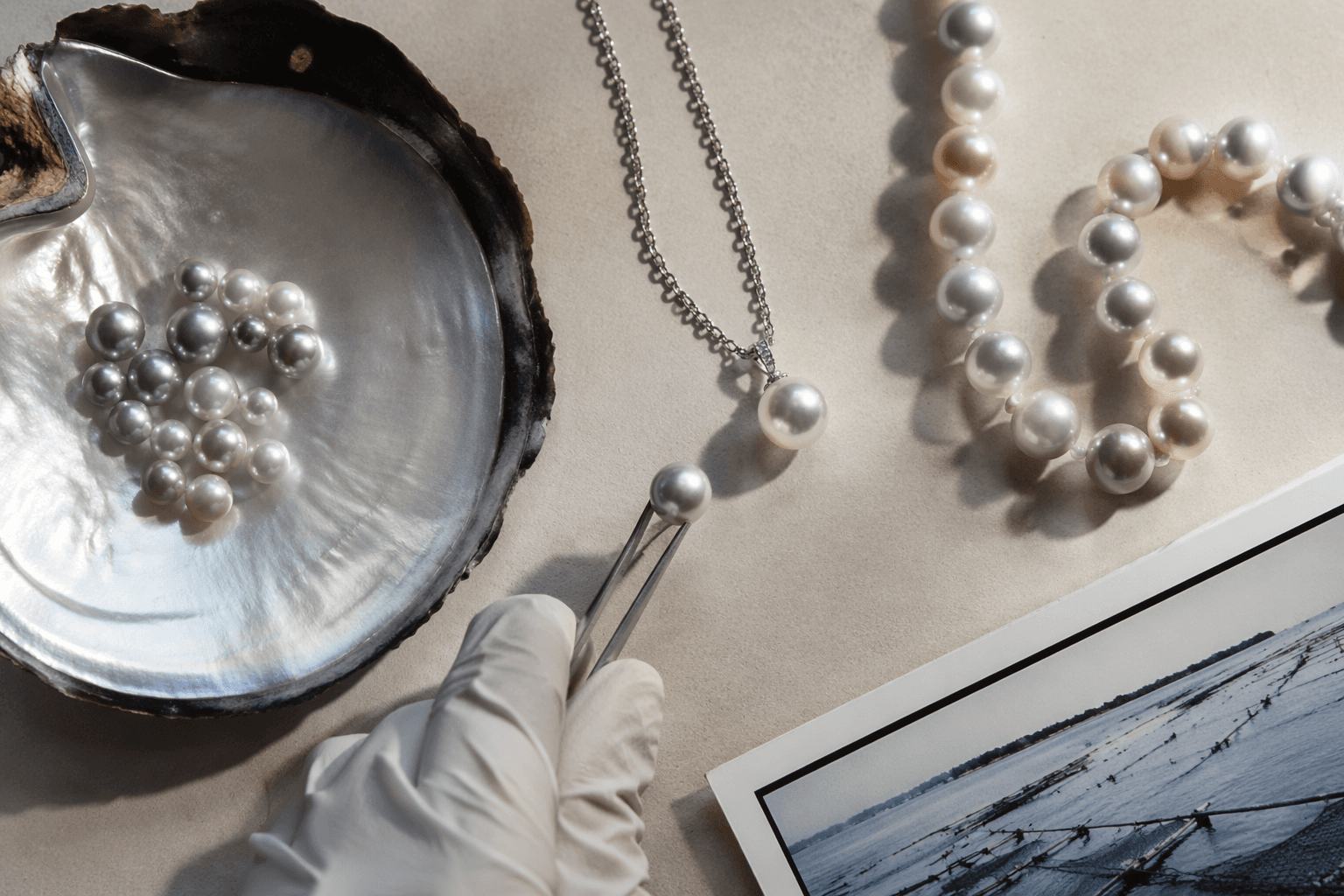
Jewelmer and Hapag MNL pair Filipino cuisine with golden South Sea pearls
Jewelmer’s dinner with Hapag MNL turned golden South Sea pearls into a story of place, craft, and premium value, showing where pearl marketing is headed.

The new pearl pitch
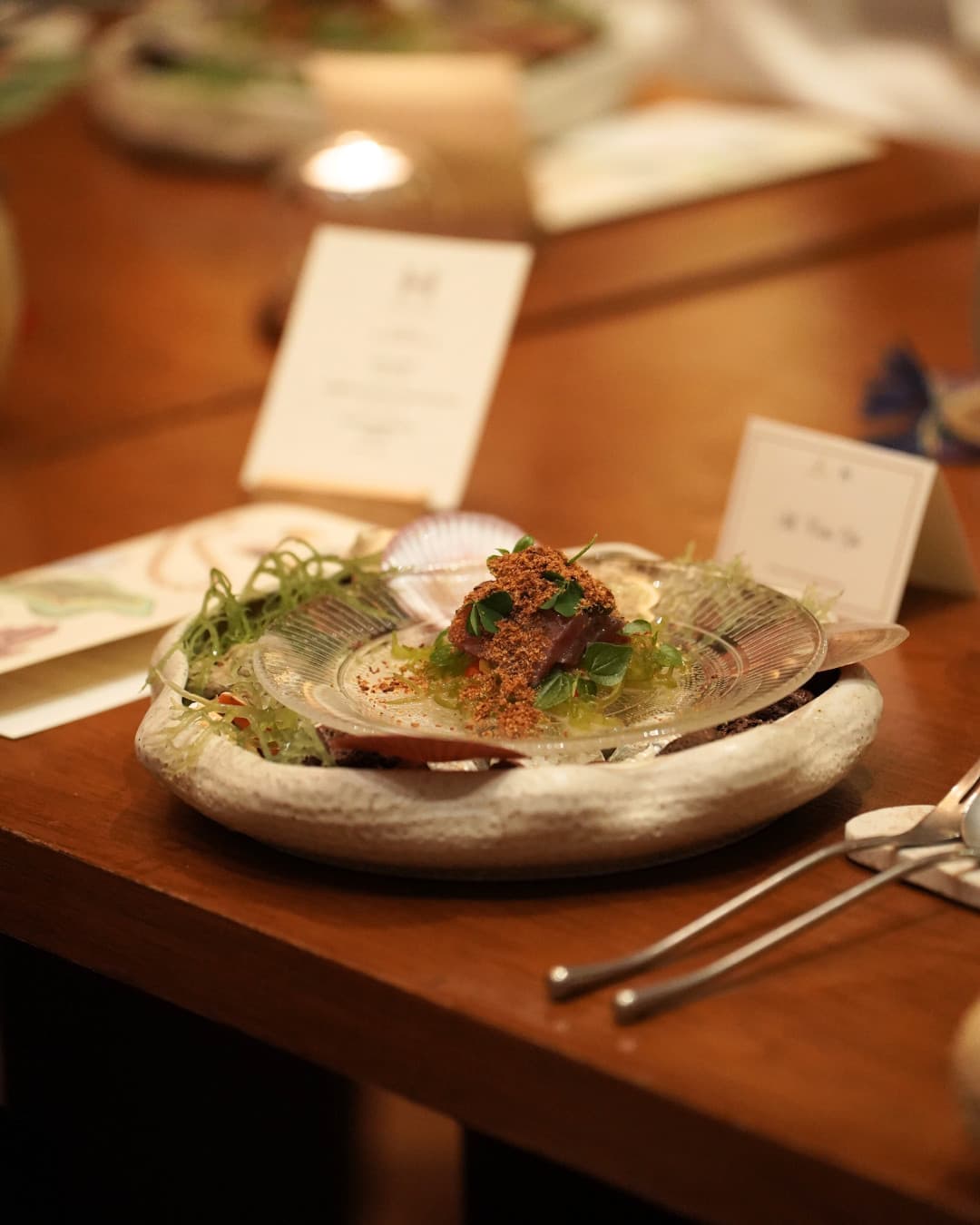
Pearl marketing is moving beyond display and into narrative, and Jewelmer’s “Pearls of the Archipelago” dinner made that shift impossible to miss. By pairing golden South Sea pearls with Filipino culinary craft at The Balmori Suites in Rockwell Center, Makati City, the brand turned provenance into something guests could taste, see, and remember.
That matters because pearls are no longer being sold only as beautiful objects. They are being positioned as evidence of origin, stewardship, and cultural fluency. In that frame, a pearl necklace or pair of drops is not just adornment. It is a condensed story about place, labor, and rarity, which is exactly the sort of story that can justify premium pricing.
Why the collaboration works
Jewelmer’s side of the evening was led by CEO Jacques Christophe Branellec, while Hapag MNL brought the restaurant’s Filipino dining table concept to the collaboration. That pairing was more strategic than decorative. Pearl jewelry often risks feeling distant from everyday life, but food, especially food rooted in a specific culture, gives luxury a human scale.
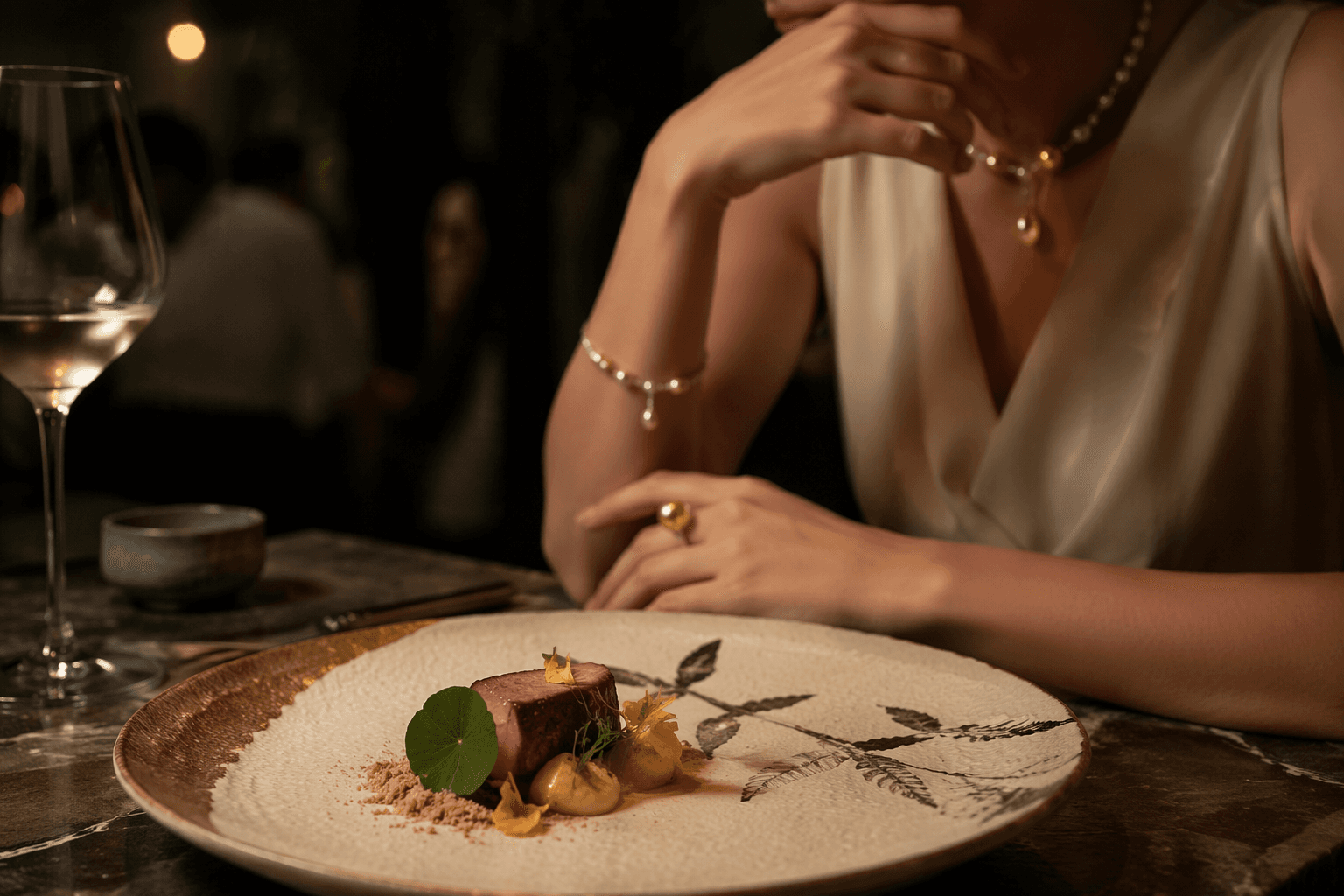
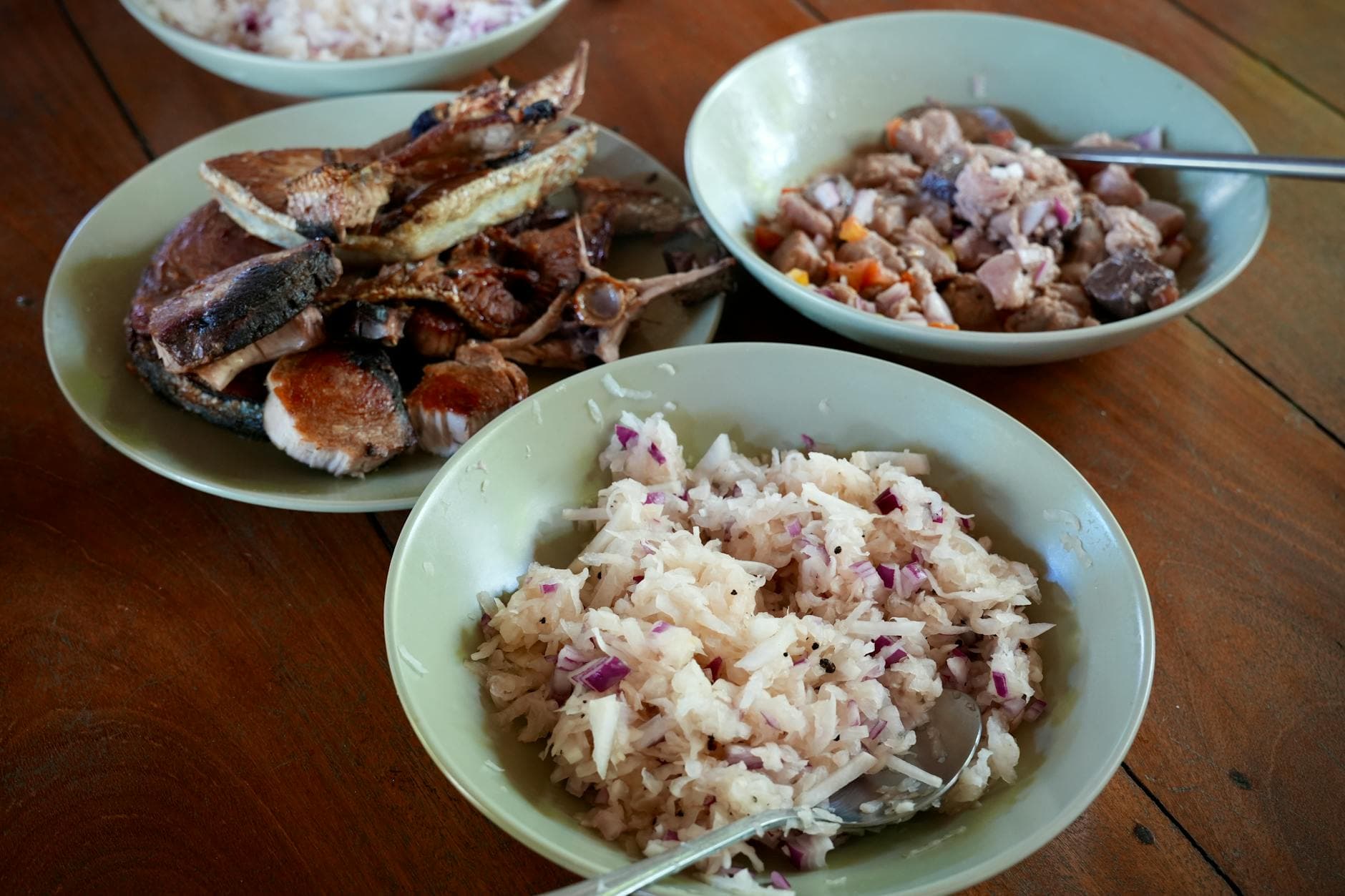
Hapag MNL’s culinary identity is anchored by chefs and co-owners John Kevin Navoa and Thirdy Dolatre, whose backgrounds add weight to the concept. Navoa studied Culinary Arts at KDU University College in Kuala Lumpur, while Dolatre graduated from the Center of Culinary Arts in Manila. Their restaurant’s role in this dinner was not to merely cater an event, but to translate the idea of the archipelago into a dining experience that could sit naturally beside Jewelmer’s golden South Sea pearls.
The guest list reinforced the story’s social register. Philstar’s coverage identified Nico Bolzico and Solenn Heussaff-Bolzico among those connected to the event, a reminder that luxury branding today often relies on cultural visibility as much as product excellence. When the right names appear in the same room as the right objects, the message travels quickly: this is not just a dinner, but a statement of taste.
What Jewelmer is really selling
Jewelmer was founded in 1979 by a French pearl farmer and a Filipino entrepreneur, and that origin story still shapes its positioning. The company describes itself as an international high-jewelry maison working in harmony with nature to sustainably produce golden South Sea pearls, and that language is not incidental. It places the brand in a rare category where craftsmanship, ecology, and national identity are presented as inseparable.
The pearls themselves come from gold-lipped Pinctada maxima oysters in the pristine waters of Palawan, which is central to their appeal. Golden South Sea pearls already occupy a distinct place in the jewelry market because their color is natural, not dyed, and their size and luster give them a presence that smaller pearls cannot match. When a brand ties those qualities to a specific marine environment, the object gains a deeper sense of legitimacy.
Jewelmer’s Save the Palawan Seas Foundation, established in 2005, strengthens that argument by linking conservation with livelihood. For buyers, that connection can make a premium feel earned rather than merely expensive. In the modern luxury market, consumers increasingly want the romance of rarity without the discomfort of extraction for extraction’s sake, and Jewelmer is clearly speaking to that expectation.
Why provenance now sells pearls better than polish alone
The dinner at The Balmori Suites is best understood as a case study in where pearl marketing is headed. The old model favored formality: strands, studs, and a narrow idea of elegance that often felt static. The newer model is broader and more persuasive because it turns pearls into part of a lived world, one defined by cuisine, culture, ecology, and regional identity.
That shift is especially important for pearl jewelry because pearls have always carried symbolic weight. They signal refinement, but they also risk being read as conservative or overly familiar. By placing golden South Sea pearls in dialogue with Filipino culinary storytelling, Jewelmer modernizes the category without abandoning its core luxury cues. The result is less about nostalgia than about authorship.
This is where willingness to pay becomes more durable. A consumer may admire a pearl necklace for its surface beauty, but a consumer is more likely to invest in it when the piece comes with a credible origin story, visible craftsmanship, and a sense that the purchase supports a larger ecosystem. Experiential activations like this do not replace product quality; they amplify it.
A brand that understands scale
Jewelmer has been building this positioning for years. In 2022, it unveiled the La Mer en Majesté crown for Miss Universe Philippines, set with 17 golden South Sea pearls. That was not simply a pageant accessory. It was a public declaration that the brand’s pearls belong in the highest tier of visibility, where jewelry is expected to perform as symbol, spectacle, and national calling card.
Seen in that light, “Pearls of the Archipelago” is part of a broader strategy rather than an isolated dinner. The event took the same raw material, the golden South Sea pearl, and presented it through a different lens: one of Filipino craftsmanship, marine provenance, and contemporary luxury hospitality. That is a more sophisticated sales proposition than the traditional jewelry showcase because it gives the buyer an emotional and cultural rationale for choosing one pearl over another.
For collectors and first-time buyers alike, the message is clear. In the next phase of pearl marketing, the most compelling pieces will not only be the most lustrous or the most perfectly matched. They will be the ones with a traceable origin, a clear point of view, and a story strong enough to make rarity feel personal.
This article was produced by Prism’s automated news system from verified source data, official records, and press releases, then run through automated quality and moderation checks before publishing. The system is built and supervised by the people who set the standards it runs under. Read our full AI policy.
Did this article answer your question?