June birthstone pearls, from Victorian seed pearls to Mikimoto's breakthrough
June's pearl story runs from bridal seed-pearl sprays to platinum lace and sculptural mabe rings. Mikimoto's 1893 breakthrough still shapes what buyers value today.

Pearls carry more than a June birthstone claim. They also mark the third and thirtieth anniversaries, which is part of why they keep resurfacing in jewelry boxes as both sentiment and style. The best pearl pieces tell you exactly where they came from, whether they are natural or cultured, and which era taught them how to shine.
Why pearls still feel personal
Pearls are the only organic birthstone in the calendar, and they come in far more colors than the familiar white and cream most shoppers expect. That range matters when you are comparing antique and modern pieces, because a subtle blush, silver, or golden tone can change both the mood and the market value of a jewel. The basic distinction is simple but important: natural pearls form without human intervention, while cultured pearls begin when a bead or piece of tissue is deliberately inserted into a mollusk to stimulate nacre formation.
That difference is not just technical. Natural pearls are now extremely rare, which is why documented antique natural pearl jewelry can command exceptional prices. Cultured pearls made the category far more available, but the old, pre-1920s natural examples remain the ones collectors chase hardest.
Mikimoto changed the market, not just the method
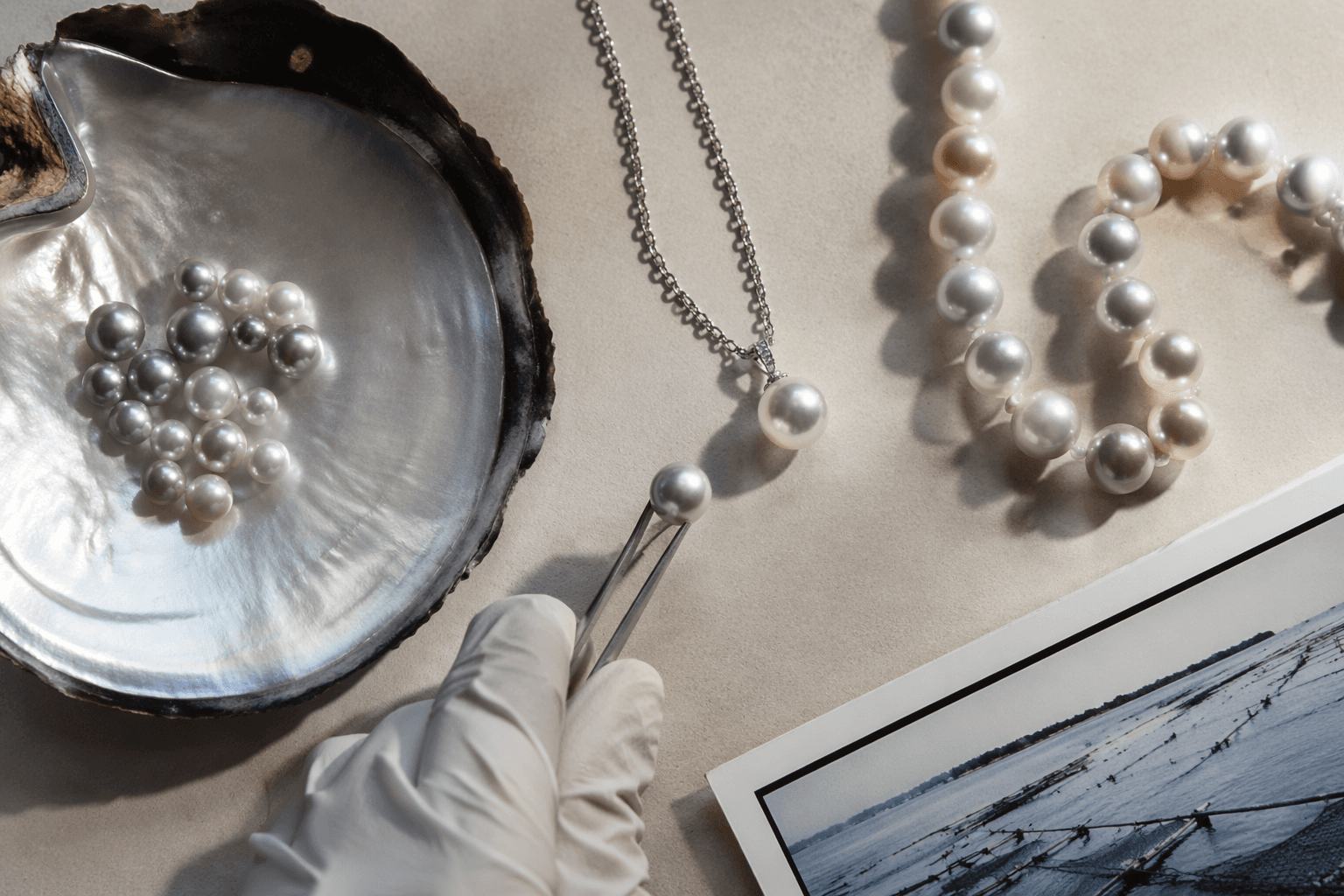
Kokichi Mikimoto changed pearl history in 1893, when he successfully created the world’s first cultured pearls in Japan. After years of experimentation that began around 1890 at Ago Bay, he later produced round cultured pearls in 1905, a breakthrough that helped make pearls more commercially available and changed how they were used in jewelry. Once cultured pearls spread, the natural pearl trade began a gradual decline, with affordability pushing the market away from the rarest organic finds.
For today’s buyer, that history explains why the word “pearl” does not automatically mean the same thing at every price point. A strand made from well-matched cultured pearls may be elegant and wearable, but an antique natural pearl jewel with clear provenance sits in a different category entirely. When a seller cannot tell you whether a piece is natural or cultured, the lack of specificity should be treated as a warning sign rather than a detail.
The three vintage looks coming back now
Seed pearl jewelry is the quietest of the three looks, and that is part of its appeal. The Metropolitan Museum of Art notes that seed pearl jewelry became increasingly popular in the Federal period and was often given to brides at the time of their wedding, which helps explain why the style still feels intimate and ceremonial. In today’s market, the look resurfaces in delicate pendants, floral brooches, hair ornaments, and slim rings that read as soft, sentimental, and easy to layer.
Edwardian platinum is the opposite in mood but just as relevant. Platinum’s strength allowed jewelers to build airy, lace-like white-on-white settings that often paired pearls with diamonds, creating a lightness that still feels modern on the skin. These pieces usually sit in a higher price tier because platinum, diamonds, and hand-finished detail all raise the cost, but they are also among the most wearable antique forms for readers who want elegance without bulk.
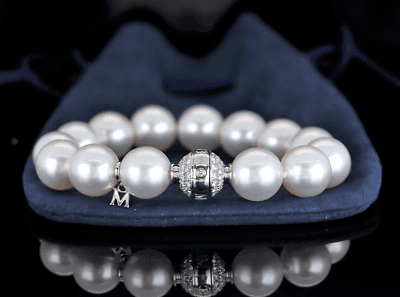
Mid-century mabe pearls bring the drama. A mabe is a domed half-pearl, and in the postwar years it often appeared in large gold cocktail rings that leaned into statement dressing rather than delicacy. That style is resurging because it reads instantly from across a room, and because a bold mabe ring often offers a more accessible price than a rare natural pearl jewel while still delivering strong visual impact.
How to shop estate and modern-inspired pearl pieces
If you are looking at estate jewelry, the best clues are in the mounting, the surface, and the way the piece wears on the hand or neck. Seed-pearl jewels usually look finely worked and compact, with tiny pearls arranged in floral or lace-like motifs. Edwardian pieces tend to feel open and bright, often with milgrain edges, diamonds, and a platinum structure that looks almost filigreed despite its strength. Mabe rings usually announce themselves through a single domed pearl set into a broad gold frame, often with a bolder profile than round-pearl styles.
- Is the pearl natural or cultured?
- Is there documented provenance, especially for antique natural pearls?
- What metal is the setting, and does it match the period styling?
- Has the strand been restrung recently, and with what thread?
- Are there signs of wear, repair, or surface loss to the nacre?
A careful buyer should always ask:
That last question matters more than many shoppers realize. Pearl restringing is not cosmetic housekeeping; it is preservation. Silk thread can stretch, fray, or break over time, and the gaps between pearls may widen before a strand snaps, which means an apparently intact necklace can fail without much warning.
Buying for beauty, rarity, and wearability
The smartest pearl purchases balance romance with specificity. If a seller says a piece is “sustainable” or “heritage-inspired” but cannot explain the source, the pearl type, or the materials in the setting, that language is too vague to mean much. By contrast, a well-described cultured strand, a clearly documented antique natural pearl piece, or a thoughtfully made modern jewel in platinum or gold gives you real information to weigh against price.
That is why pearl shopping rewards close looking. The vintage looks returning now, seed-pearl delicacy, Edwardian platinum lace, and mid-century mabe drama, each offer a different way to wear June’s birthstone, and each carries its own tier of rarity, labor, and care. The most valuable pearl jewelry is not just beautiful; it is legible, and that distinction is what separates a pretty pearl from one worth collecting.
This article was produced by Prism’s automated news system from verified source data, official records, and press releases, then run through automated quality and moderation checks before publishing. The system is built and supervised by the people who set the standards it runs under. Read our full AI policy.
Did this article answer your question?