Long pendant necklaces and pearl shell styles define summer looks
Long pendants still finish summer looks fast, but pearls are offering the cooler 2026 version: sautoirs, shell drops and tassel-like pendants.

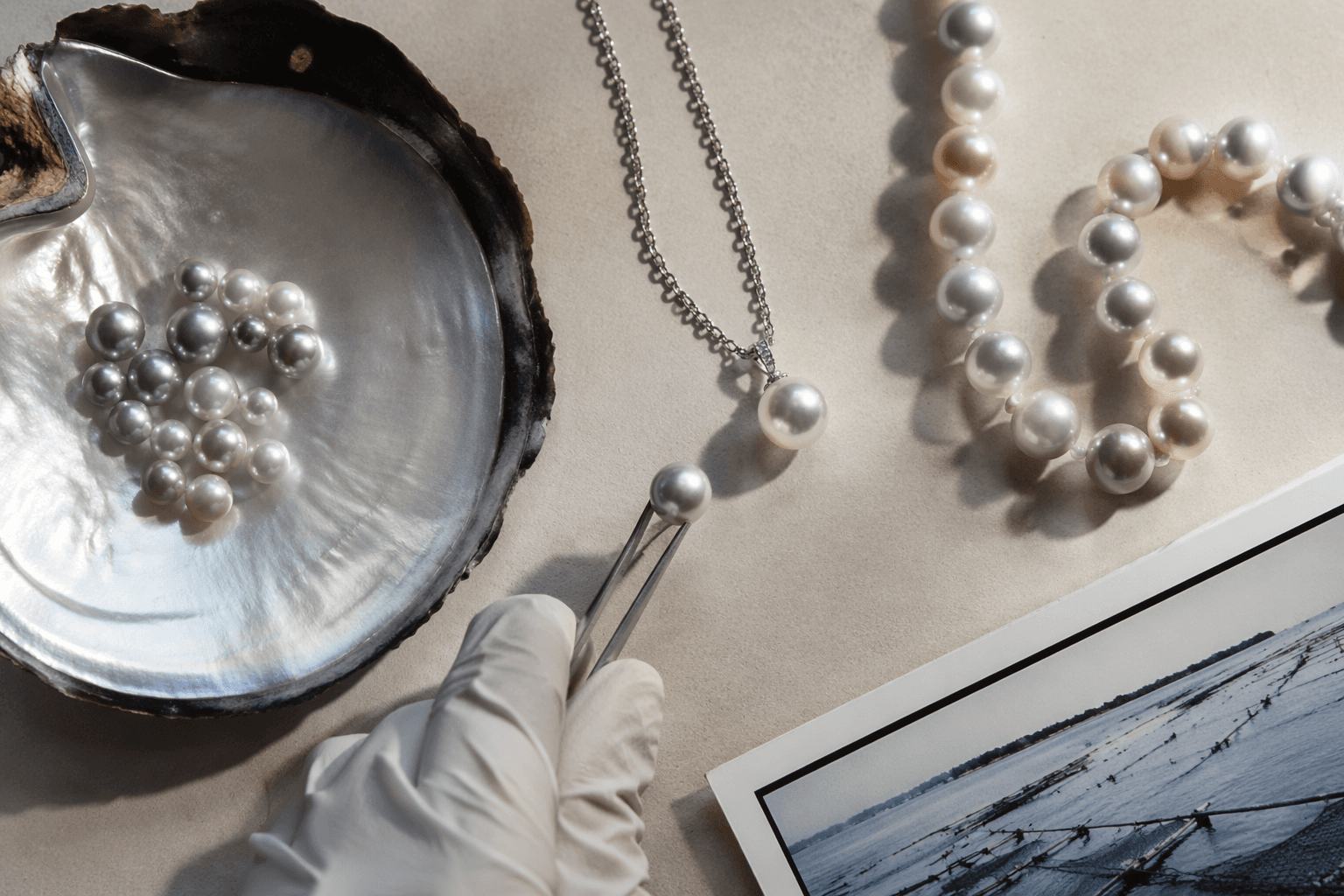
A Pearl Shell Pendant Necklace sitting inside the season’s shopping edit points to the shift: the look keeps the elongating, outfit-finishing line of a pendant, but trades the stiffness of a classic strand for something more coastal, lighter and easier to style now. The fastest necklace story of summer is still the long pendant, but the most interesting answer is happening in pearls.
The long-pendant silhouette still owns the moment
Long necklaces have returned as the season’s final flourish, and the appeal is practical as much as visual. Long pendant necklaces, especially tassel styles, are the piece fashion people are using to make simple summer outfits look instantly cooler, and the comeback runs through the early-2000s pendant craze and the spring-summer 2026 runways, where long cords, charms and tassels were layered into the clothes rather than treated as afterthoughts. Zoey Deutch’s Dries Van Noten dress with a single Tiffany Elsa Peretti Bean necklace shows the formula at its cleanest: one long line, one uninterrupted dress, and enough movement to make the whole look feel considered.
The look travels easily from denim to eveningwear. Designers paired low plunging pendants with shirts, blouses and dresses, then pushed the idea further by making long necklaces part of an outfit’s architecture.
Pearls are answering the trend, not resisting it
Pearls are having their own reset, and it is notably less prim than the old single-strand script. By spring 2026, the category had more momentum than it had carried in years, backed by retail signals, runway cues and consumer search data. Pearls have been status symbols since as far back as 420 BC, were especially coveted in the Elizabethan era, and have been reimagined before whenever fashion wanted something familiar to feel newly current.
Baroque and irregular pearls, layered necklaces, mixed metals, oversized silhouettes and pieces that read as having personality rather than polish alone keep returning in recent pearl coverage. The modern pearl necklace is often paired with other materials, elevated by pendants and offered in long lengths, while 2026 trend coverage highlights baroque shapes, floating-illusion strands and intentionally mismatched pearls as the category’s sharper edge.
Why sautoirs and pearl drops feel so current
The smartest way to wear the trend is to think in terms of sautoirs, pearl drops and tassel-like pendants rather than bridal strands. A sautoir is the long necklace format that suspends a tassel or ornament, and that shape gives pearls the same swing and drama that pendant necklaces now provide. In contemporary pearl jewelry, that can mean a long pearl chain with a single drop, a shell-shaped pendant, or a tassel of pearls that moves with the body instead of sitting flat against it.
JNA Publications’ Pearl Report 2025-2026 says pearls appeal to younger buyers because they offer multifunctionality, compelling narratives and social relevance. Pearl pendants can be worn with a white tank, a silk slip, a button-down or a backless dress, and still feel intentional. The current mix includes freshwater, Akoya and golden South Sea pearls, broad enough to span understated daytime pieces and richer, more directional evening jewelry.
The case for pearls as the more wearable 2026 answer
Pearls are becoming the easier answer to the long-necklace craze because they bring the same vertical line with more range. Custom Market Insights places the global pearl jewelry market at about $14.2 billion in 2025 and $15.8 billion in 2026, with growth projected toward $42.2 billion by 2035. The category’s appeal is broadening because pearl jewelry now works as both a statement and a staple, especially when the design language leans into baroque shapes, layered chains and shell-inspired details rather than strict symmetry.
This article was produced by Prism’s automated news system from verified source data, official records, and press releases, then run through automated quality and moderation checks before publishing. The system is built and supervised by the people who set the standards it runs under. Read our full AI policy.
Did this article answer your question?