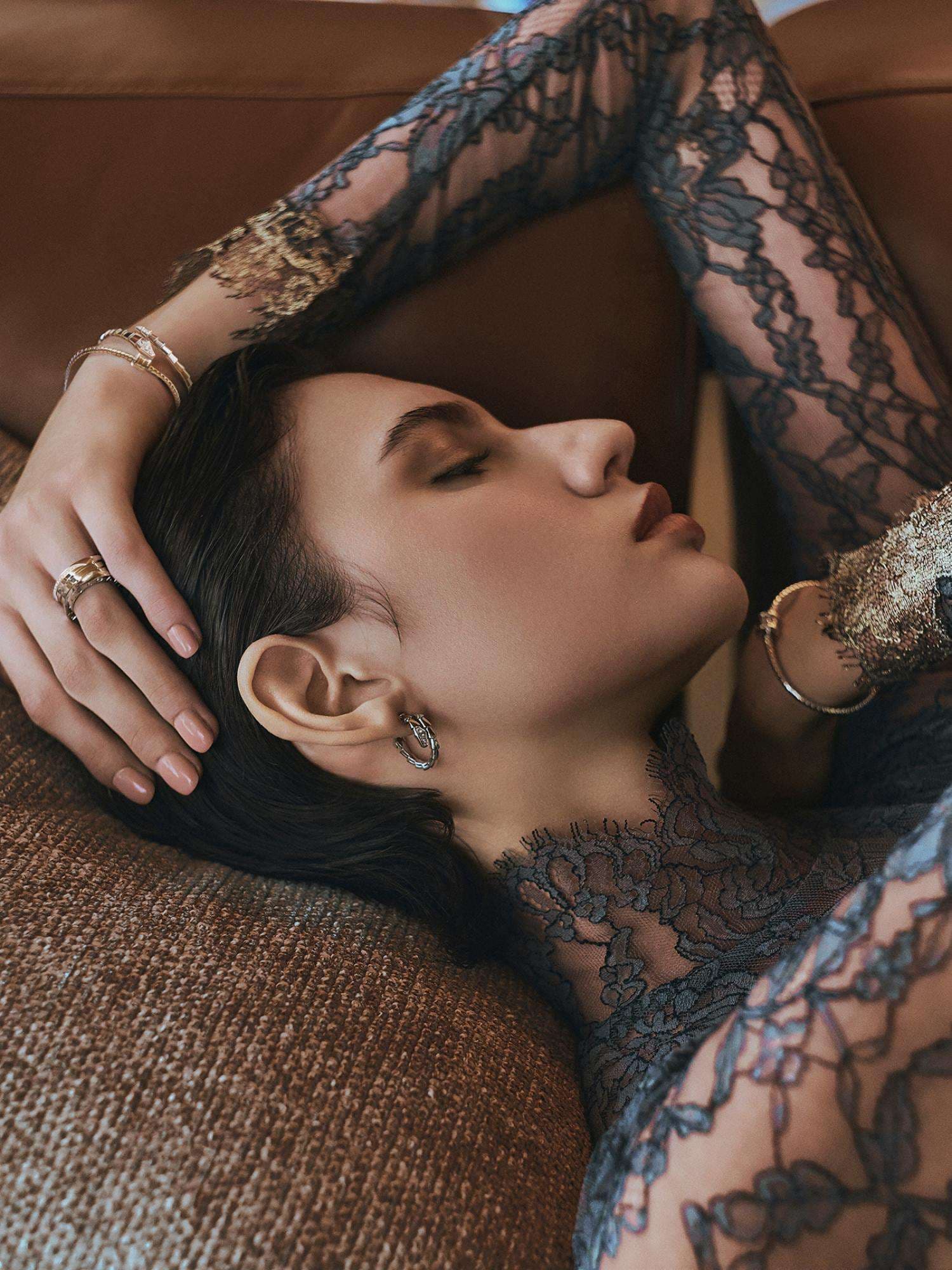
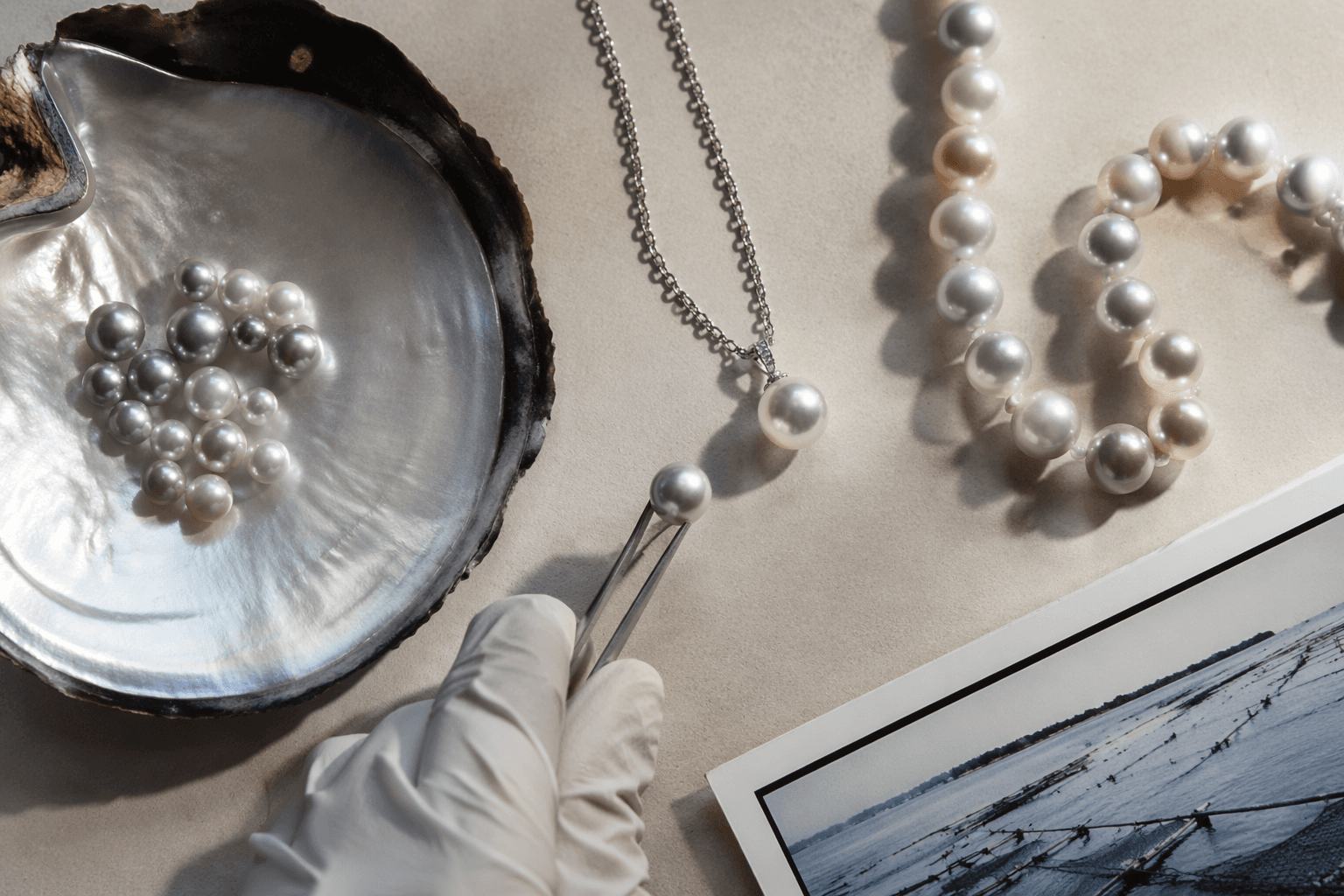
Mikimoto and Tahitian pearls lead Couture 2026 aquatic jewelry trend
Pearls are shifting into aquatic opulence for fall 2026, with Tahitian strands, shell textures, and Mikimoto’s tassel necklace turning classic into statement.
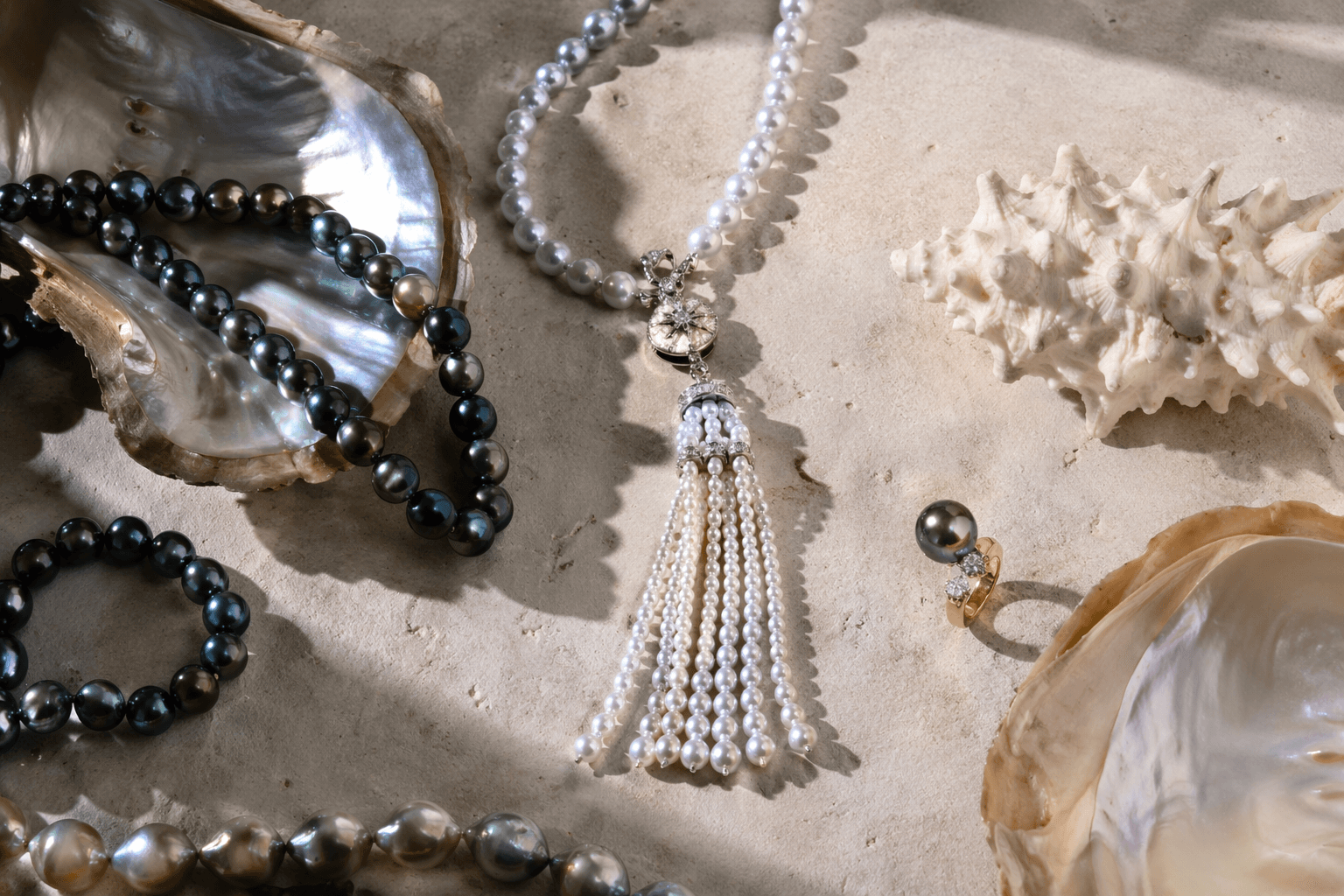
Pearls have slipped out of the bridal box and into something far more dramatic. At Couture 2026 in Las Vegas, the clearest pearl story was aquatic opulence: Tahitian pearls, shell-inspired materials, and Mikimoto’s double-strand necklace with a cascading pearl tassel signaled a look that feels both polished and theatrical.
Aquatic opulence is the pearl mood to watch
The strongest pearl jewelry for fall 2026 is not minimalist and it is not precious in a shy way. It is lush, tactile, and openly inspired by the sea, with surfaces that suggest shells, movement, and tide-worn texture. That shift matters because Couture remains one of the jewelry industry’s most influential trade shows, where heritage houses, emerging designers, and independent brands preview the styles that will define the season ahead.
This is also why pearls are suddenly reading as fashion rather than tradition. WWD described spring 2026 jewelry as embracing "not-your-grandma’s pearls" and linked the category to self-expression, while later fall 2026 showroom coverage pointed to bold volumes, playful ideas, and animal-inspired enamels in Paris. Put together, the message is clear: pearls are no longer being framed as conservative heirlooms, but as expressive objects with attitude.
Why Mikimoto still sets the tone
Mikimoto gives the trend its anchor. The brand says founder Kokichi Mikimoto succeeded in cultivating the world’s first cultured pearls in 1893, and that history still gives its work a special authority in pearl jewelry. But the point for fall 2026 is not nostalgia alone. Mikimoto continues to push pearls into contemporary territory through strong silhouettes, layered construction, and nature-driven design language.
Its current high-jewelry collection, Les Pétales, makes that direction explicit. Mikimoto describes a pearl necklace "knitted like lace" with flower petals tracing the wind’s path, a description that captures exactly where the category is heading: delicate in idea, elaborate in execution, and clearly built for close viewing. The brand also sells pearl necklaces using Akoya, South Sea, and black pearls, which underscores how varied the pearl palette has become. Akoya still brings that crisp, luminous classicism, South Sea pearls add size and warmth, and black pearls push the look toward a deeper, more modern register.
The standout fashion signal is the double-strand pearl necklace with a cascading pearl tassel. Tassels are not new, of course. They have historical precedent in Art Deco sautoirs and vintage evening jewels, and that lineage gives the fall 2026 version a subtle sense of evening glamour. What makes it current is the combination of old-world reference and contemporary construction, which turns a familiar motif into something sharper and more directional.
Tahitian pearls and shell textures push pearls into the modern marine lane
If Mikimoto supplies the heritage, other designers are supplying the texture. Emily P. Wheeler’s Moana collection brings Tahitian pearls together with suede, shell, wood, and carved stone, a material mix that feels intentionally coastal without becoming costume-like. Tahitian pearls are especially important to this new pearl language because their dark, iridescent surfaces immediately change the mood of a necklace or earring. They read less like ceremony and more like confidence.
Yvonne Léon takes the idea in a more whimsical direction with an aquarium-themed pendant necklace built from topaz, fish motifs, sapphires, tsavorite garnets, diamonds, and pearl accents. That mix shows how pearls are being used now: not as the only hero, but as one element in a richer marine narrative. Shell textures, fish shapes, and colored stones all contribute to the same larger idea, which is that pearls look freshest when they are surrounded by movement and surprise.
This is the real update for readers trying to understand what will feel current next fall. The pearl pieces that matter are the ones that look as if they belong to a living ecosystem. A strand of Tahitian pearls, a shell-like finish, or a pearl tassel softens the old formality of the category and gives it a more sensual, fashion-forward edge.
How to read the trend when you buy
The best pearl jewelry for fall 2026 will likely share three traits: a named pearl type, a visible design concept, and a material mix that breaks the monotony of a plain strand. Look for Tahitian, Akoya, South Sea, or black pearls rather than vague language that blurs variety and value. Then look at the construction itself. Double strands, tassels, lace-like settings, and mixed-media details tell you more about a piece’s intent than a generic claim of elegance ever will.
The other thing to watch is scale. WWD’s fall 2026 coverage made clear that bold volumes and playful ideas are still driving the market, which means pearls need to hold their own against stronger silhouettes and more sculptural settings. That is one reason the new pearl look feels so persuasive: it is not asking to be discreet. It is asking to be noticed.
For anyone wondering what kind of pearl jewelry will feel current next fall, the answer is no longer a simple single strand. It is aquatic opulence, with Tahitian pearls, shell-inspired surfaces, and Mikimoto’s tassel-led high jewelry giving pearls a sharper, more expressive future.
This article was produced by Prism’s automated news system from verified source data, official records, and press releases, then run through automated quality and moderation checks before publishing. The system is built and supervised by the people who set the standards it runs under. Read our full AI policy.
Did this article answer your question?