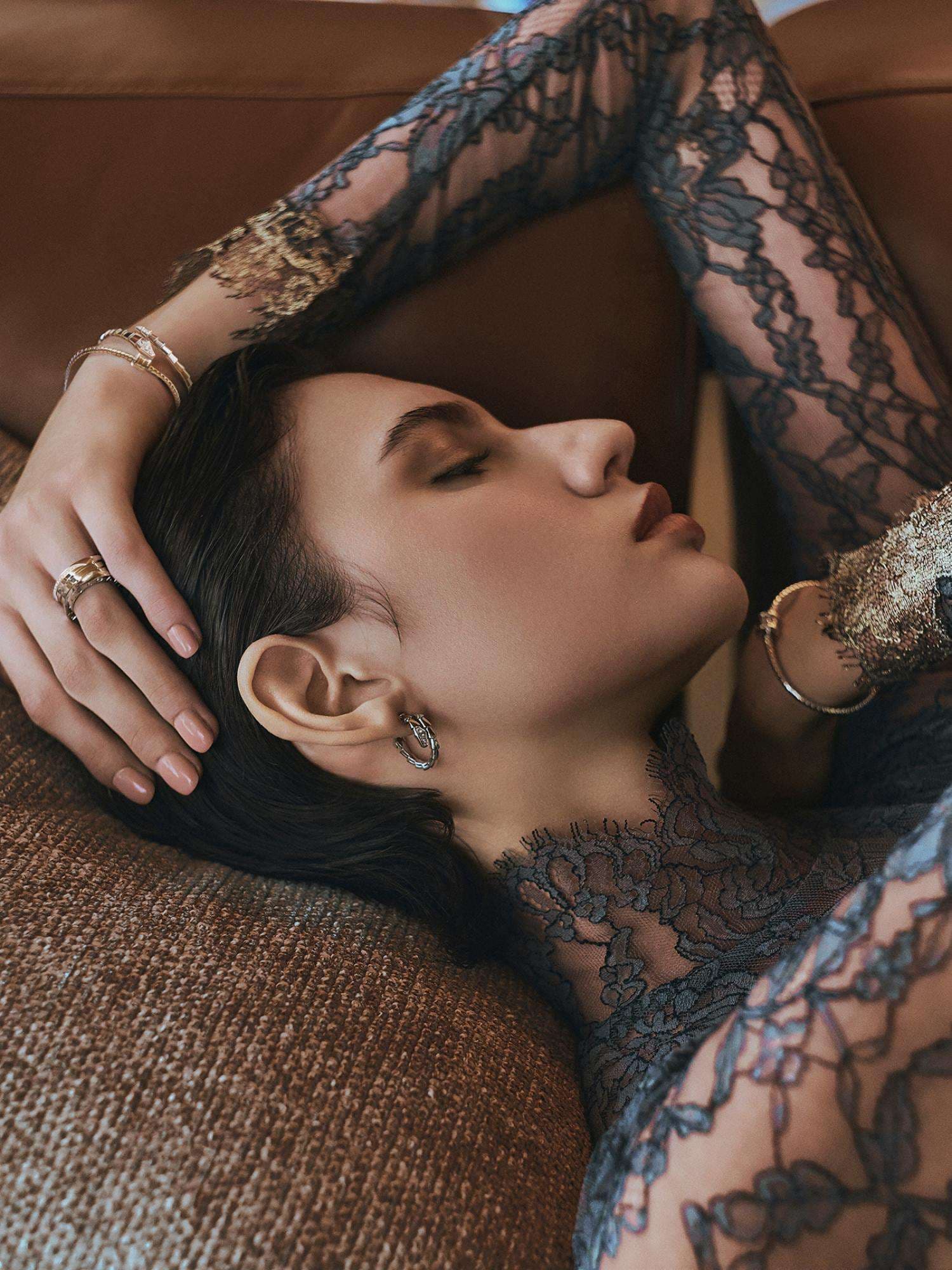
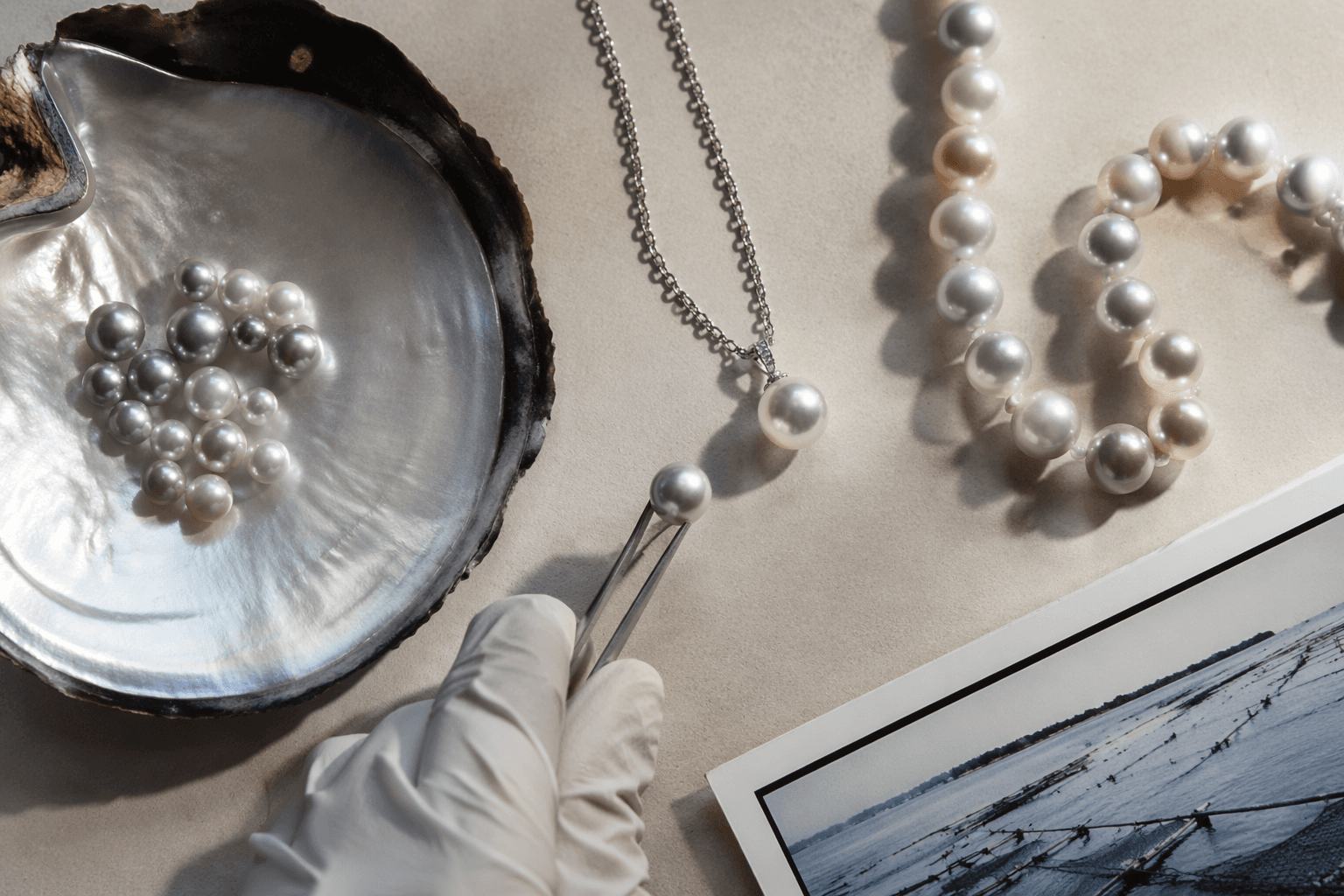
Mikimoto Pearls Get a Modern Refresh with Denim and Tailored Basics
Mikimoto pearls feel most modern with the clothes already hanging in your closet: denim, white shirts and spare evening pieces, which makes each strand work harder.
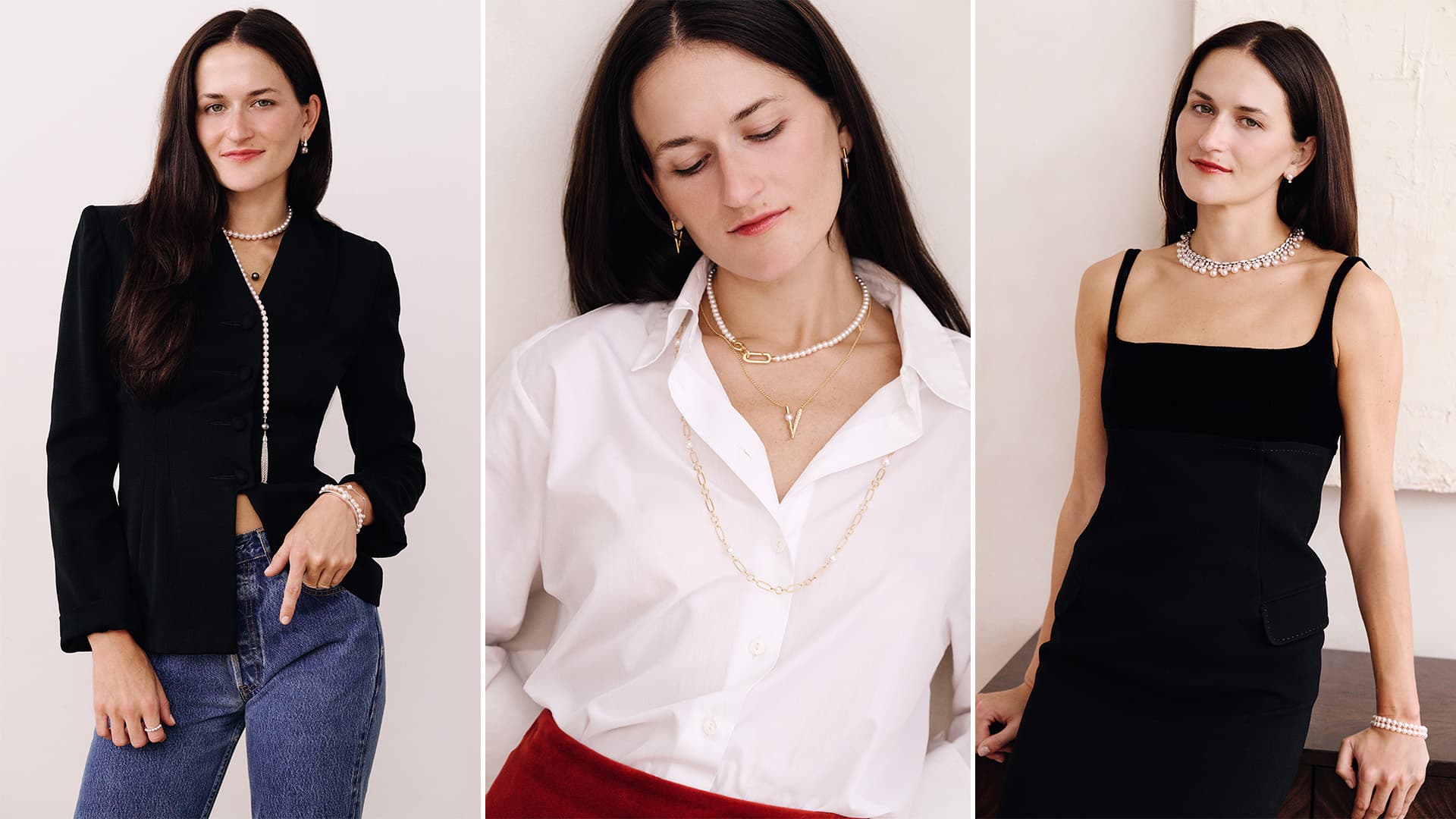
Why Mikimoto pearls look different when you stop dressing them formally
Mikimoto’s strongest case for modern pearl dressing is not novelty, it is restraint. A strand that might once have been reserved for occasion wear suddenly feels alive when it meets raw denim, a crisp button-down, or a simple black dress with clean lines. That contrast is the point: investment pearls become more useful per wear when they are not locked into one kind of outfit.
The brand itself gives this approach credibility. Founded in 1893 by Kokichi Mikimoto, the house says he created the world’s first cultured pearls, changing a category defined by rarity. Mikimoto also notes that natural pearls are exceptionally scarce, with fewer than one in 1,000 oysters producing a pearl in the wild. Cultured pearls did not dilute luxury; they made pearl jewelry wearable, reliable, and buildable into a wardrobe. That is why the best way to style them now is not with formality, but with pieces you already trust.
Start with the contrast: denim and pearls
Denim is the quickest route to making Mikimoto pearls feel contemporary. A white T-shirt and straight-leg jeans with a single strand at the collarbone creates a sharp, easy frame for a classic pearl necklace. The trick is to keep the rest of the look plain so the luster of the pearls does the work. Dark denim gives the pearls a cleaner visual edge; lighter washes feel looser and more daytime.
If you want the look to feel intentional rather than thrown together, add structure. A tailored blazer over denim and pearls brings the whole formula into sharper focus, especially when the pearls sit close to the neck or are doubled for a little more volume. Mikimoto’s own styling logic favors this kind of mix, where a precious material is allowed to look unexpectedly relaxed instead of precious in a predictable way.
- straight-leg denim
- white T-shirt or fine-knit tank
- single Mikimoto strand or short layered necklace
- loafers, slingbacks, or clean leather boots
A useful outfit formula looks like this:
That combination works because the denim keeps the pearls from reading costume-like, while the pearls keep the denim from reading basic.
Make a white shirt do more than one job
The white button-down is one of the best partners for pearls because it brings precision without stiffness. Worn open at the collar with a strand tucked just inside the neckline, it creates the kind of elegant nonchalance that pearl jewelry rarely gets credit for. Buttoned to the top and worn with a shorter necklace, it becomes sharper, more graphic, and more editorial.
This is where Mikimoto’s design language matters. The brand describes its necklaces as ranging from elegant classic to strikingly contemporary, and that range makes sense only if you are willing to style them against something plain. A pearl necklace does not need a formal dress to prove its worth. It needs a good shirt, a sleeve rolled just so, and enough space around the neckline for the pearls to look architectural.
- white button-down, slightly oversized
- slim trousers or dark jeans
- short pearl strand or a layered necklace
- minimal gold or platinum accents
Try this formula when you want polish without ceremony:
The result should feel considered, not literal. Pearls against cotton make the jewelry look more alive, because the contrast of textures sharpens the soft glow of the stone.
Choose evening basics with clean lines, not heavy decoration
Pearls are at their best at night when the clothing steps back. A black slip dress, a satin skirt with a fitted knit, or a column dress with a bateau or square neckline gives Mikimoto pearls room to read as luminous objects rather than accessories competing for attention. The most compelling evening styling is often the simplest: one strand, one strong neckline, no excess.
That simplicity also aligns with the brand’s own history. Mikimoto’s craftsmanship archive says its catalogue “Pearl,” published between 1908 and 1938, fused Art Deco and Japanese aesthetics. That combination still feels instructive now. Art Deco gives pearls structure; Japanese aesthetics bring balance and clarity. Together, they suggest that the most modern way to wear pearls is with discipline, not decoration.
- black slip dress or minimal column dress
- Mikimoto strand, ideally sitting at the collarbone
- understated heels
- hair pulled back so the neckline stays clean
A strong evening formula:
If the dress already has embellishment, keep the pearls minimal, perhaps a shorter necklace or refined earrings only. Pearls work best when they provide the last note, not another layer of noise.
Why this styling equation is a value decision
Luxury jewelry earns its place when it earns repeat wear, and that is where pearls have an advantage. A strand that can move from denim to tailoring to evening basics does more than a cocktail ring or statement earring that only works for one kind of event. The versatility is not a soft bonus; it is the real economics of buying well. When a piece can live across your week, not just your formal calendar, the cost per wear drops and the emotional value rises.
That is especially true with Mikimoto, which says it has spent more than 130 years refining pearl jewelry. The brand’s long view matters because pearls are not a trend impulse purchase. They are a material decision. If you buy them, you want them to disappear into your life naturally, not sit in a box waiting for a dress code.
What Mikimoto is signaling now
The brand’s current activity reinforces that modern reading. Michelle Yeoh fronted a March 2026 global campaign, a smart choice for a house that wants to be seen as culturally current without abandoning heritage. Yeoh brings the kind of quiet authority that pearls need now: elegant, sharp, and entirely self-possessed. That is exactly the mood the jewelry calls for when it is styled with denim or a white shirt instead of a gala gown.
Mikimoto also says it joined the Responsible Jewellery Council in August 2021, a useful detail for anyone weighing the ethics of fine jewelry alongside its beauty. In a market where provenance and sourcing matter more to buyers than they once did, that commitment adds another layer to the purchase. The piece is not only beautiful and versatile; it sits inside a broader conversation about responsibility in luxury.
Pearls become more compelling when they are treated as part of daily style, not an exception to it. Mikimoto’s own history, from the invention of cultured pearls to the Art Deco lines of its archive and the contemporary reach of its campaigns, argues for exactly that. Worn with denim, a white shirt, or a spare evening dress, these pearls do what the best jewelry always should: they sharpen the person wearing them, without ever overwhelming the clothes.
This article was produced by Prism’s automated news system from verified source data, official records, and press releases, then run through automated quality and moderation checks before publishing. The system is built and supervised by the people who set the standards it runs under. Read our full AI policy.
Did this article answer your question?