Modern brides choose pearl jewelry for lasting wear and meaning
Pearls are the bridal buy that keep earning their place, from ceremony to honeymoon to weekday dressing. The shift favors pieces with history, status, and real rewearability.
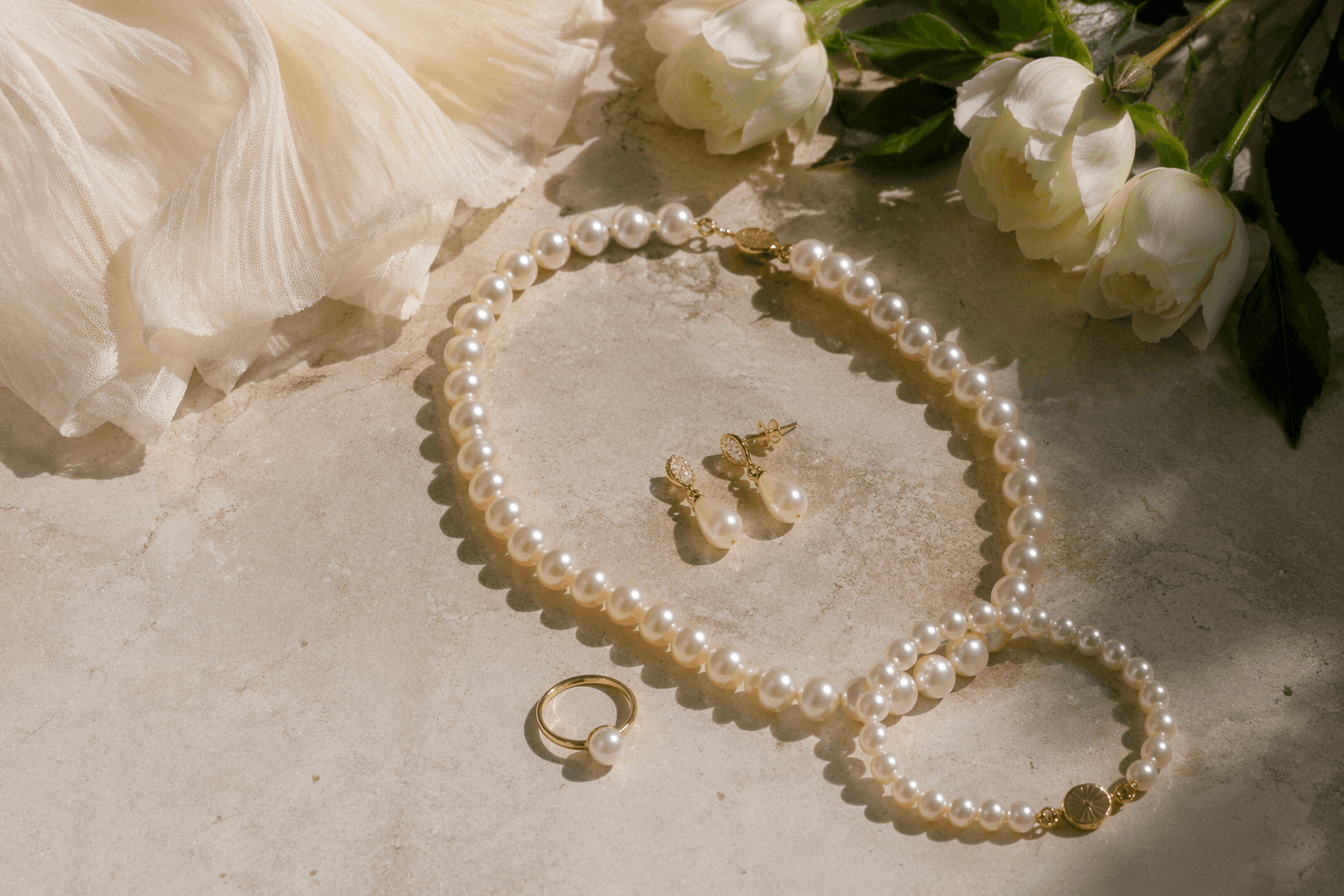
Pearl jewelry is having a bridal renaissance for one simple reason: it passes the rewearability test. Modern brides are moving away from rigid matching sets and toward pieces that feel personal at the altar and believable with a white shirt later, which is why pearl earrings and small pearl accents now feel more relevant than the one-day-only jewels that spend most of their lives in a box.
The new bridal standard is wearability
Who What Wear’s bridal guidance lands on a useful truth: the most convincing wedding jewelry is not the most ceremonial, but the most repeatable. A bride who chooses pearls today is not just choosing a classic look, she is choosing something that can move from ceremony to honeymoon to the rest of her wardrobe without looking like a costume change. That is a meaningful shift in taste, especially for readers who want their wedding purchases to feel intimate rather than prescribed.
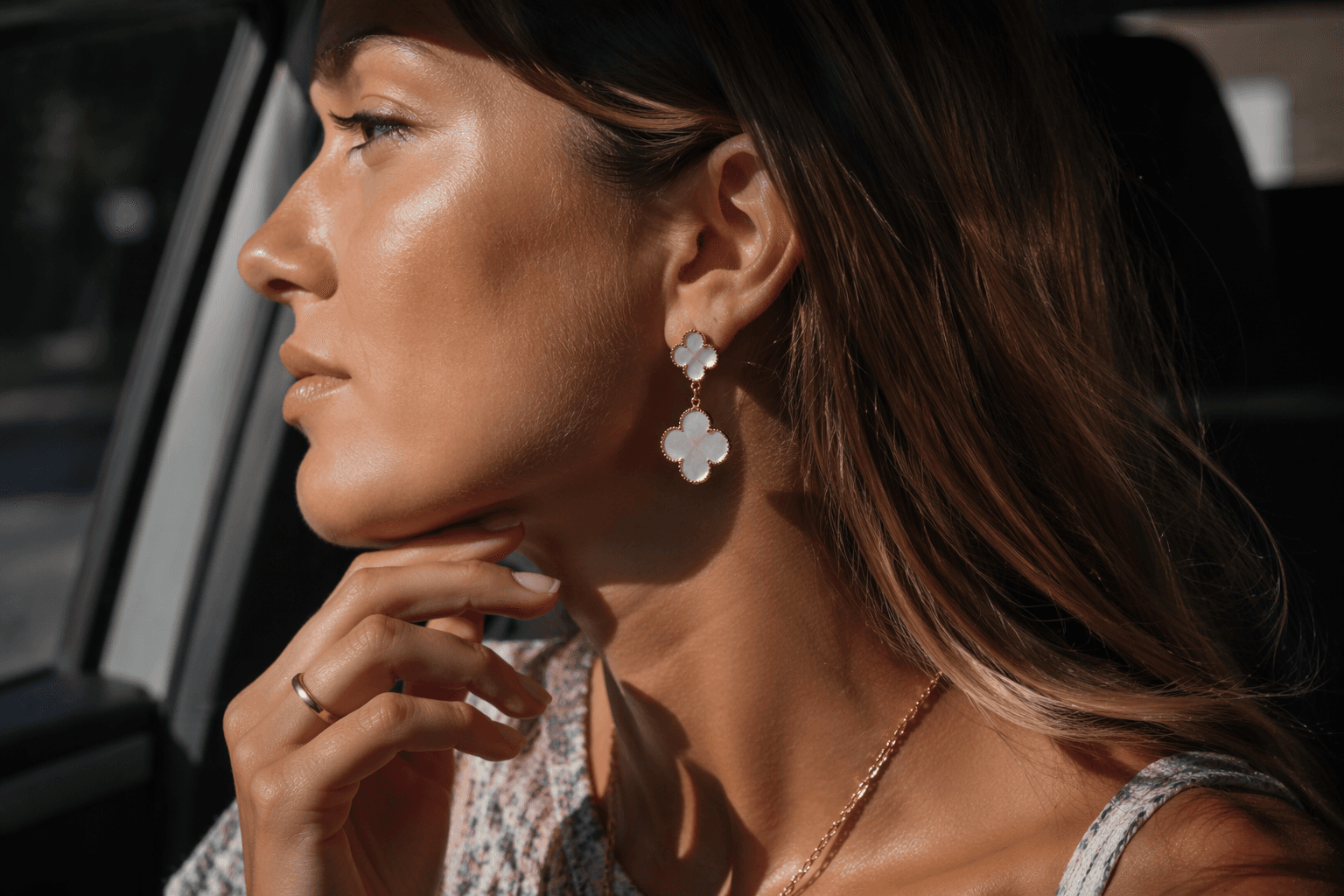
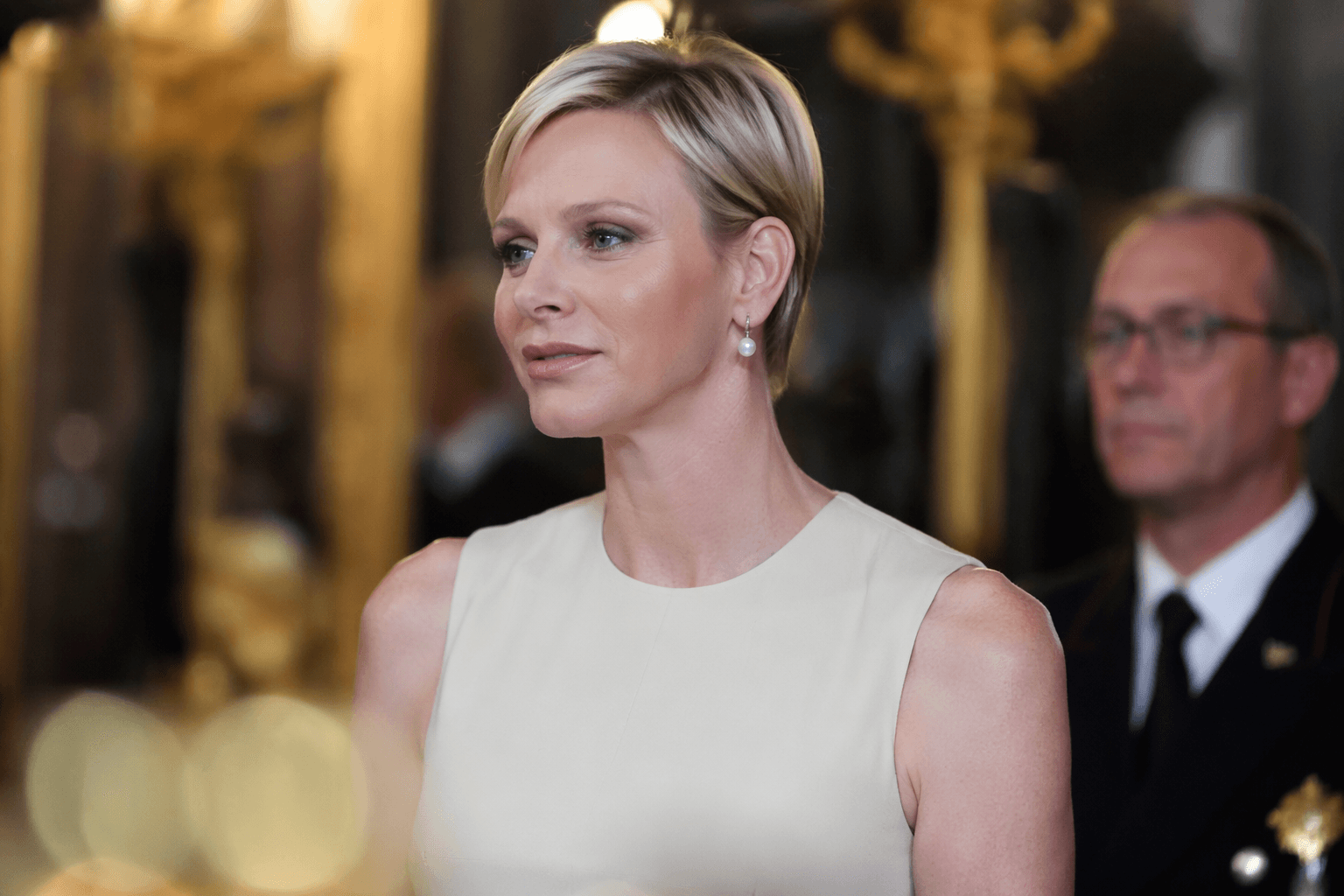
Pearls work so well in that role because they bring polish without forcing formality. A pearl earring can soften a veil, catch light at a dinner table, and still feel right with denim later. That flexibility is exactly what separates a lasting piece from the kind of bridal purchase that only makes sense in photographs.
Why pearls still read as bridal
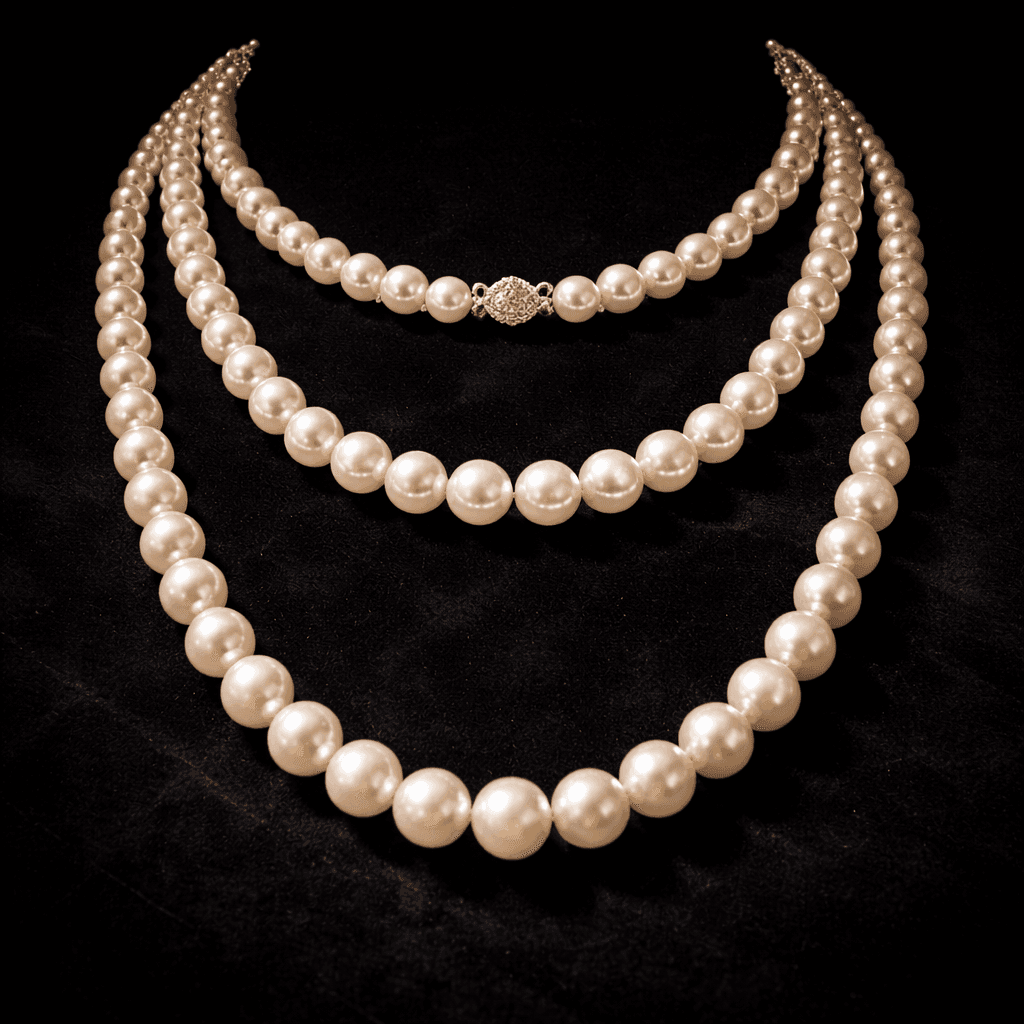
The bridal link is not a modern marketing invention. The Metropolitan Museum of Art notes that seed pearl jewelry became increasingly popular in America after its introduction during the Federal period, and that it was often presented to a bride at the time of her wedding. The museum also points to a Florentine bride in Renaissance dress wearing a pearl necklace, a reminder that pearls have long signaled ceremony, status, and marriage across cultures and centuries.
The Met Store adds another important layer: from the 16th century onward, pearls became a newly accessible luxury through expanding global trade routes. That shift matters because it explains why pearls have always sat at the meeting point of taste and aspiration. They have never been merely decorative. They have carried the charge of what was difficult to obtain, and therefore worth wearing close to the skin.
For a modern bride, that history changes the meaning of the category. Pearls are not a retreat into old-fashioned dressing. They are a way of borrowing from a long visual language of celebration while keeping the silhouette restrained enough to feel current.
The market is still rewarding jewelry that lasts
The case for pearl jewelry also makes sense in the broader luxury economy. Bain & Company said jewelry was the most resilient luxury category in 2024, even as the wider personal luxury goods market was forecast to fall 2% to EUR 363 billion, or $383.48 billion. In plain terms, shoppers were still willing to buy jewelry even as spending cooled elsewhere, which helps explain why bridal clients are gravitating toward pieces with life beyond the wedding day.
That resilience reinforces a practical way to think about bridal buying. The question is no longer just whether a piece looks right under soft ceremony lighting. It is whether it earns a place in the drawer after the cake is cut. Pearls answer that better than most bridal materials because they can be formal, but they are rarely precious in a way that feels trapped in formality.
From couture salons to jewelry fairs
Pearls are also visible at the top end of the market, which matters for anyone watching where taste is headed next. WWD reported pearl-heavy high jewelry trends at Paris Couture Week, a sign that pearls have not been relegated to sentimental dressing or nostalgia alone. They remain part of the conversation among the most fashion-forward houses and clients.
Forbes added another telling signal from the Hong Kong Jewelry Fair, where pearls and sustainability were central themes and rare, investment-quality pearl jewelry was on display. That combination is revealing. Pearls are being discussed not only for beauty, but for their place in a more considered luxury market, one that increasingly values provenance, rarity, and long-term relevance. In bridal terms, that makes them feel less like a special occasion accessory and more like a considered acquisition.
Mikimoto and the modern meaning of pearl status
No discussion of pearl jewelry is complete without Mikimoto. The brand says founder Kokichi Mikimoto successfully created the world’s first cultured pearls in 1893, an innovation that changed the shape of the pearl market and helped make pearls more available without stripping away their prestige. That history is part of why the name still carries such authority in bridal jewelry circles.
Mikimoto’s origin story also clarifies why pearls remain so potent in wedding dressing. They sit at the intersection of technique and romance, of science and ritual. A pearl can read as inherited, even when it is new; that is a rare quality in jewelry, and one reason brides still return to it when they want meaning without excess.
What to look for if you want pearl jewelry you will actually wear again
The smartest bridal pearl pieces are the ones that look polished in ceremony photos and unforced at dinner six months later. Pearl earrings are the most direct answer because they frame the face without overwhelming it, and pearl accents work best when they are allowed to share the stage with clean metalwork or a pared-back silhouette.
The rewearability test is simple: if the piece only makes sense with a gown, it is decoration. If it works with tailoring, a slip dress, or a simple button-down, it becomes part of a real jewelry wardrobe. That is why pearls are resonating now. They offer history without stiffness, luxury without flash, and bridal presence without the burden of being worn only once.
The modern bride is not abandoning symbolism. She is simply asking it to come with a future.
This article was produced by Prism’s automated news system from verified source data, official records, and press releases, then run through automated quality and moderation checks before publishing. The system is built and supervised by the people who set the standards it runs under. Read our full AI policy.
Know something we missed? Have a correction or additional information?
Submit a Tip