Pearl Association of America adds farm visits to training program
Pearl education is moving from the classroom to the farm, with Japan tours, a new conch module and sharper lessons in quality at a time of tight supply.
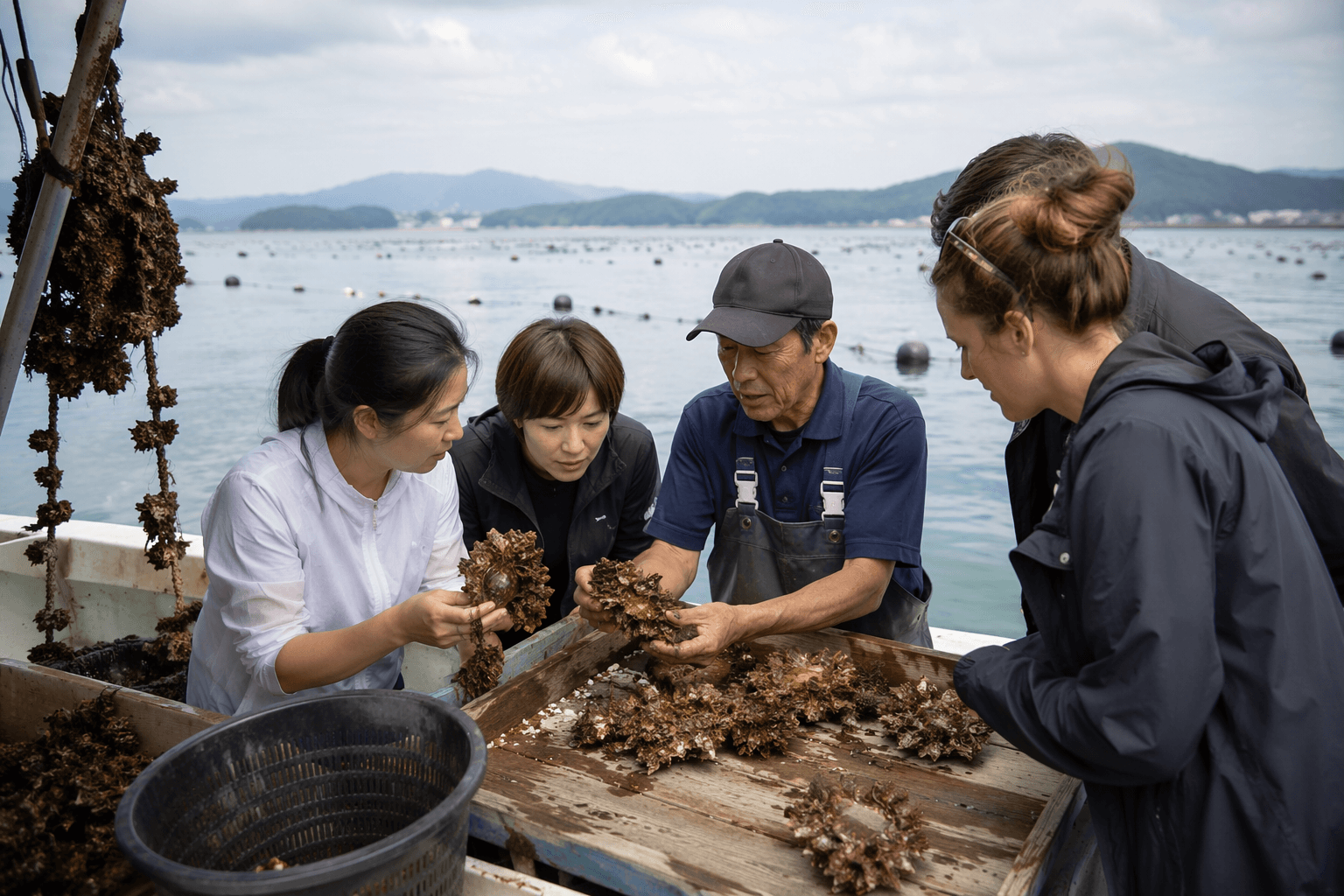
Pearls are back in the spotlight, but the market around them has grown more complicated. As buyers weigh fine pearls against cultured pieces and cheaper lookalikes, the Pearl Association of America is pushing its Pearls As One program beyond classroom theory and into the farms themselves, where luster, nacre and origin can be studied in real time.
The trade group, founded in 1957 as the Cultured Pearl Association of America, said it rebranded in 2025 as the Pearl Association of America to reflect a broader mission. That wider scope is now showing up in the curriculum. The association completed two Japan pearl tours in 2025, including visits to farms in Mie Prefecture and to Mikimoto Pearl Island, and says those immersive experiences now sit alongside Pearls As One, the course that leads to Pearl Specialist certification.
The timing matters. Pearl shortages and price hikes have been pressuring the U.S. market since the beginning of 2023, with Akoya supplies hit especially hard. Rapaport has reported that some Japanese Akoya farms lost 70% to 80% of their shells amid birnavirus outbreaks and other environmental stress, a blow that helps explain why replacement inventory has become so difficult to source. AGTA said fine freshwater pearl prices were up as much as 60% and Tahitian pearls at least 20%, while South Sea production has been steadier.
That squeeze is changing what sells, too. Industry coverage points to a market moving away from the classic round white strand and toward baroque shapes, natural-color pearls and men’s pearl jewelry. AGTA’s 2026 trend coverage said pearls are benefiting from broader strength in colored gemstones and pearls overall, while Rapaport noted growing interest in more distinctive pearl forms. The association has also added a new Pearls As One module focused on natural conch pearls, a sign that rarer, less conventional material is no longer a niche curiosity but part of the modern pearl conversation.
For consumers, the practical payoff is transparency. A buyer who understands why one pearl is round, another is baroque, why one Akoya strand commands a premium, or why a conch pearl is prized for its natural color is better equipped to judge value. In a market where origin, quality and supply are shifting at once, that kind of training is becoming part of the sale itself.
This article was produced by Prism’s automated news system from verified source data, official records, and press releases, then run through automated quality and moderation checks before publishing. The system is built and supervised by the people who set the standards it runs under. Read our full AI policy.
Did this article answer your question?