Pearl colors, shapes and care guide bridal looks and daily wear
Pearl value lives in the details: color, shape, luster, and matching shape what you pay for, while careful wear protects the strand you plan to keep.
Pearls are not one category, and that is where buyer confidence begins
Pearls reward a closer look. Their value is not just about whether they are white or black, classic or baroque, bridal or everyday: it is about how size, shape, color, luster, surface, nacre, and matching work together in the piece in front of you. That is why a strand can look quietly elegant and still command a very different price from another strand that seems similar at first glance.
The old idea that pearls belong only to formal occasions has long since softened. Today, the most useful pearl purchases are the ones that can move from a wedding dress to a white shirt, from a groom’s jacket to a cashmere sweater, and still feel deliberate. The strongest pieces do not rely on trend alone; they rely on proportion, finish, and a buyer’s understanding of what actually drives value.
Color is more than white versus black
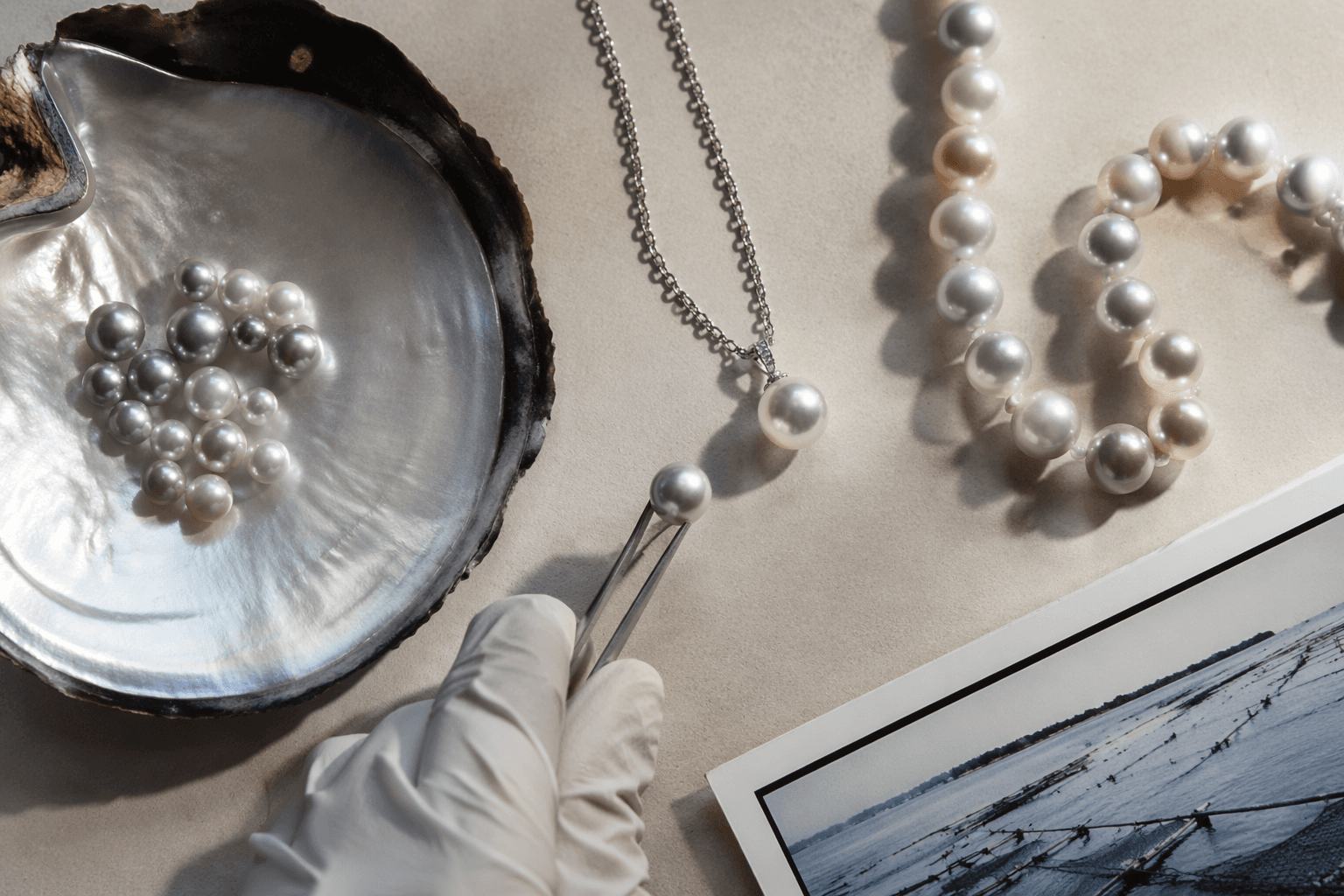
Pearl color is often described too simply, as if the choice were only between cream and something darker. In reality, pearl color has three distinct components: bodycolor, overtone, and orient. Bodycolor is the pearl’s main color, which may be white, cream, black, gray, silver, or nearly any hue in between. Overtone is the secondary color that seems to float over the bodycolor, while orient is the rainbow-like iridescence visible on or just below the surface.
That distinction matters because two pearls that both read as white can still look and price very differently. A white pearl with a clean bodycolor, a subtle pink or silver overtone, and strong luster will usually read as more refined than one that is simply pale. The same logic applies to darker pearls: black and gray pearls can appear dramatic, but the most appealing ones usually show depth rather than flat color.
Freshwater pearls are especially useful here because they come in a wide range of colors and are common at lower price points. That makes them attractive for buyers who want variety without committing to the higher costs often attached to rarer types.
Shape changes both price and personality
Pearls are commonly grouped into seven shapes: round, near-round, button, drop, oval, semi-baroque, and baroque. Shape is one of the quickest ways to understand whether a pearl is being sold for classic symmetry or for character. Perfectly spherical pearls are generally the most valued, and symmetrical drops also sit near the top because their lines feel balanced and intentional.
That said, value does not stop at perfect geometry. Well-formed pear, oval, and baroque pearls are also prized, especially when their shape gives the piece a modern, less rigid mood. This is where many buyers make a smart style calculation: a baroque pearl may be less expensive than a perfectly round one, but in a pendant or single statement earring, its individuality can deliver more wardrobe mileage than a stricter classic.
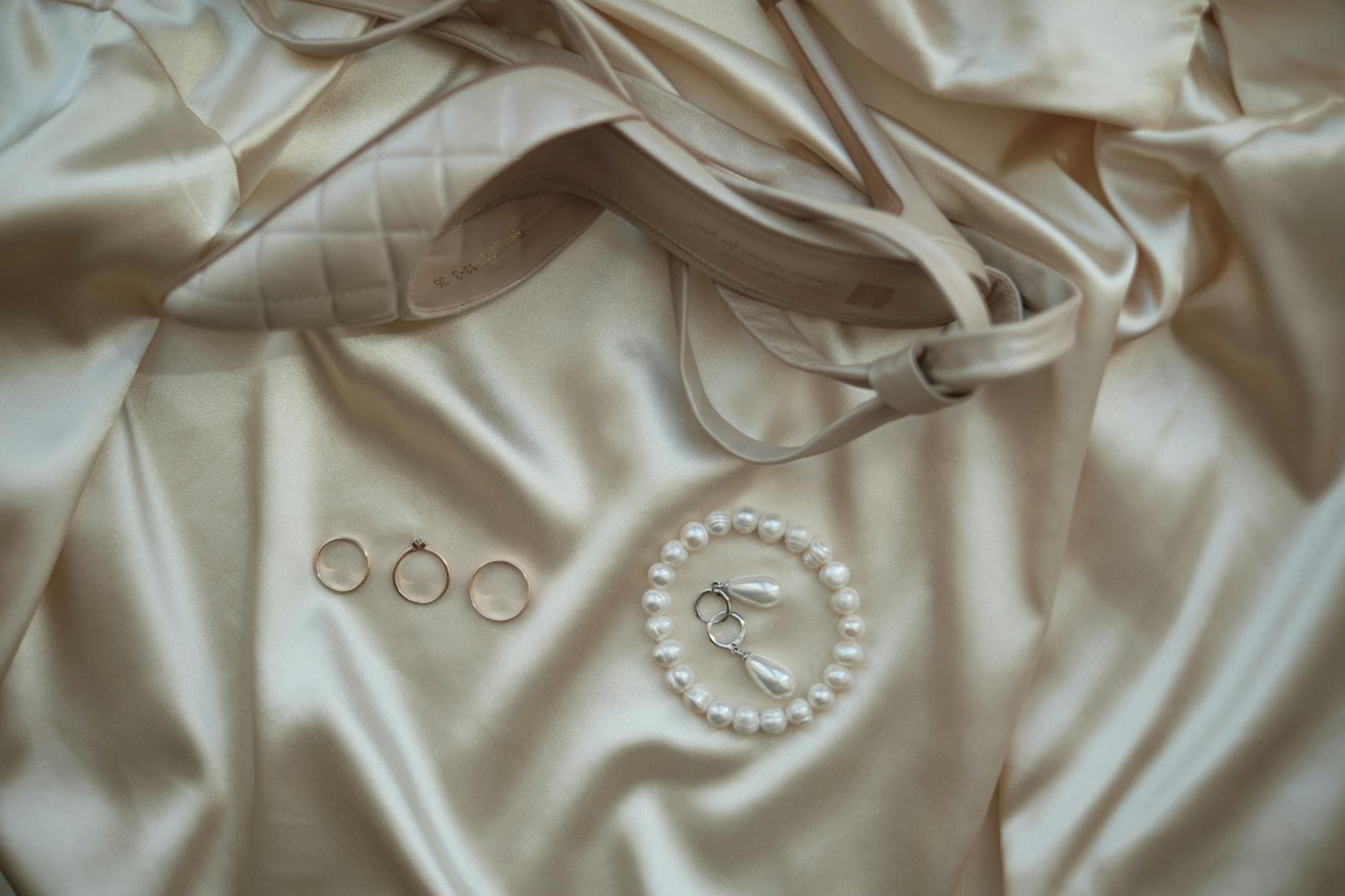
For bridal looks, shape matters in a practical way. Round and near-round pearls tend to feel most traditional in strands and studs, while drops can lengthen the line of an earring or pendant and read more graceful with necklines. For daily wear, semi-baroque and baroque pearls often offer the most relaxed versatility because they look intentional without feeling overly formal.
The seven factors behind value
The Gemological Institute of America uses seven Pearl Value Factors: size, shape, color, luster, surface, nacre, and matching. That framework is useful because it keeps you from overpaying for one attractive trait while ignoring another that affects the piece’s long-term appeal.
Luster is especially important. It is the glow that makes a pearl appear alive rather than chalky, and it often separates a merely pleasant strand from one that looks expensive across a room. Surface quality also matters: fewer blemishes usually mean higher value, and nacre quality affects both appearance and durability. Matching becomes crucial in strands, earrings, and any piece with multiple pearls, because inconsistent color or size can make even fine pearls look less polished.
Size is easiest to see, but not always the best shortcut to value. Larger pearls can be more expensive, but only if the rest of the grading holds up. A smaller strand with excellent luster, strong matching, and a clean surface may be the smarter purchase for someone building a collection rather than chasing maximum diameter.
Why cultivated pearls changed the market
Pearls were once so rare and expensive that they were largely reserved for royalty, the wealthy, and in some accounts even the gods. Natural pearls remain exceptionally rare, with less than one in a thousand oysters producing one during its lifetime. The modern pearl market changed when Kokichi Mikimoto created the world’s first cultured pearls in 1893, a breakthrough that brought pearls within reach of far more buyers.
That history still shapes value today. Cultured pearls are not a compromise by default; they are the standard foundation of most jewelry wardrobes. Among them, freshwater cultured pearls are the most commonly produced and are especially popular with shoppers and designers because they offer breadth in size, shape, and color at lower price points. Akoya, South Sea, Tahitian, and freshwater pearls each occupy their own place in the market, and the right choice depends on whether you want crisp classicism, richer color, larger scale, or broader accessibility.
Bridal versus everyday wear
Pearls remain unusually versatile because they can be styled as solemn, romantic, or contemporary without losing their sense of luxury. A classic single strand still feels right with bridal dressing, especially when the pearls are carefully matched and the strand sits cleanly against the neckline. At the same time, mixed-color designs and statement pieces have widened the category, letting pearls work with tailored suiting, knitwear, and even casual shirts.
If you want the wardrobe cost per wear to make sense, think beyond the wedding day. A pair of pearl studs, a simple drop pendant, or a short strand in a neutral tone can move through far more outfits than a highly specific design. Matching becomes especially important in earrings and necklaces with multiple pearls, where small differences are easy to spot and can affect the sense of refinement.
Care is protection, not housekeeping
Pearls deserve caution because they are organic and relatively delicate. They are generally stable to light, but intense heat can dehydrate them and crack the nacre. They can also be damaged by hair spray, perfume, cosmetics, perspiration, acids, and other chemicals, which means the way you get dressed matters as much as how you store them.
That is why pearls are best treated like heirloom pieces rather than hard-wearing daily stones. Put them on after beauty products, keep them away from harsh chemicals, and do not assume that a polished-looking pearl is automatically a low-maintenance one. Some freshwater pearls are dyed, and those colors can change over time, another reminder to ask not just what a pearl looks like now, but how it was made and how it may age.
A smarter way to buy
The most confident pearl purchase is the one that balances beauty with evidence. Look closely at color, but ask whether you are seeing bodycolor, overtone, or orient. Compare shape with your actual use, whether that is a formal strand, a modern drop earring, or a ring that needs a little irregularity to feel current. Then weigh the practical factors: luster, surface, nacre, and matching, because those are what keep a pearl looking expensive long after the box is opened.
Pearls still carry the romance of rarity, but the best modern buys are not bought on romance alone. They are chosen with enough precision to look beautiful now and sensible years from now, which is exactly why pearls remain one of jewelry’s most persuasive investments.
This article was produced by Prism’s automated news system from verified source data, official records, and press releases, then run through automated quality and moderation checks before publishing. The system is built and supervised by the people who set the standards it runs under. Read our full AI policy.
Did this article answer your question?