Pearl strands drive higher-ticket sales as average prices jump 58%
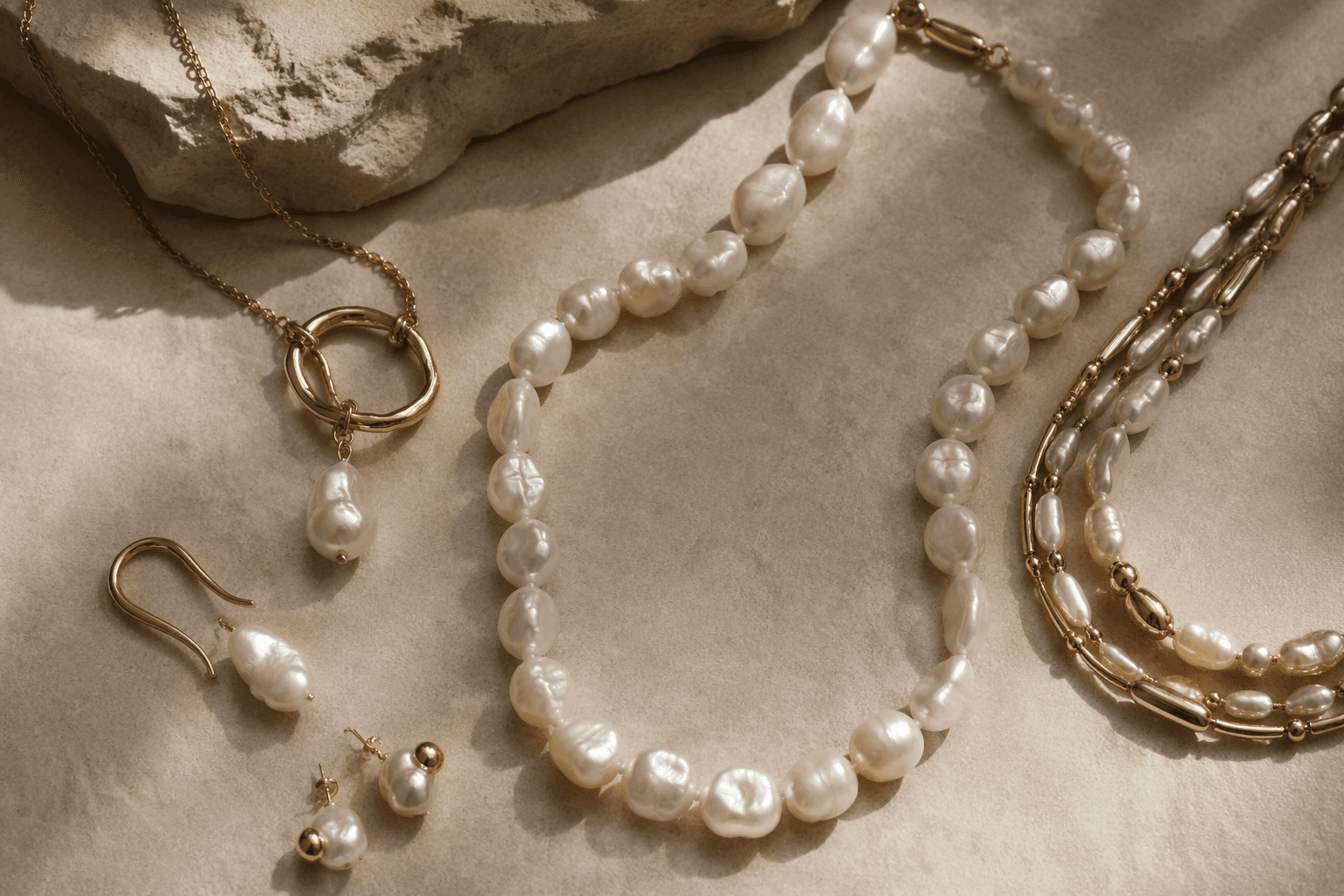
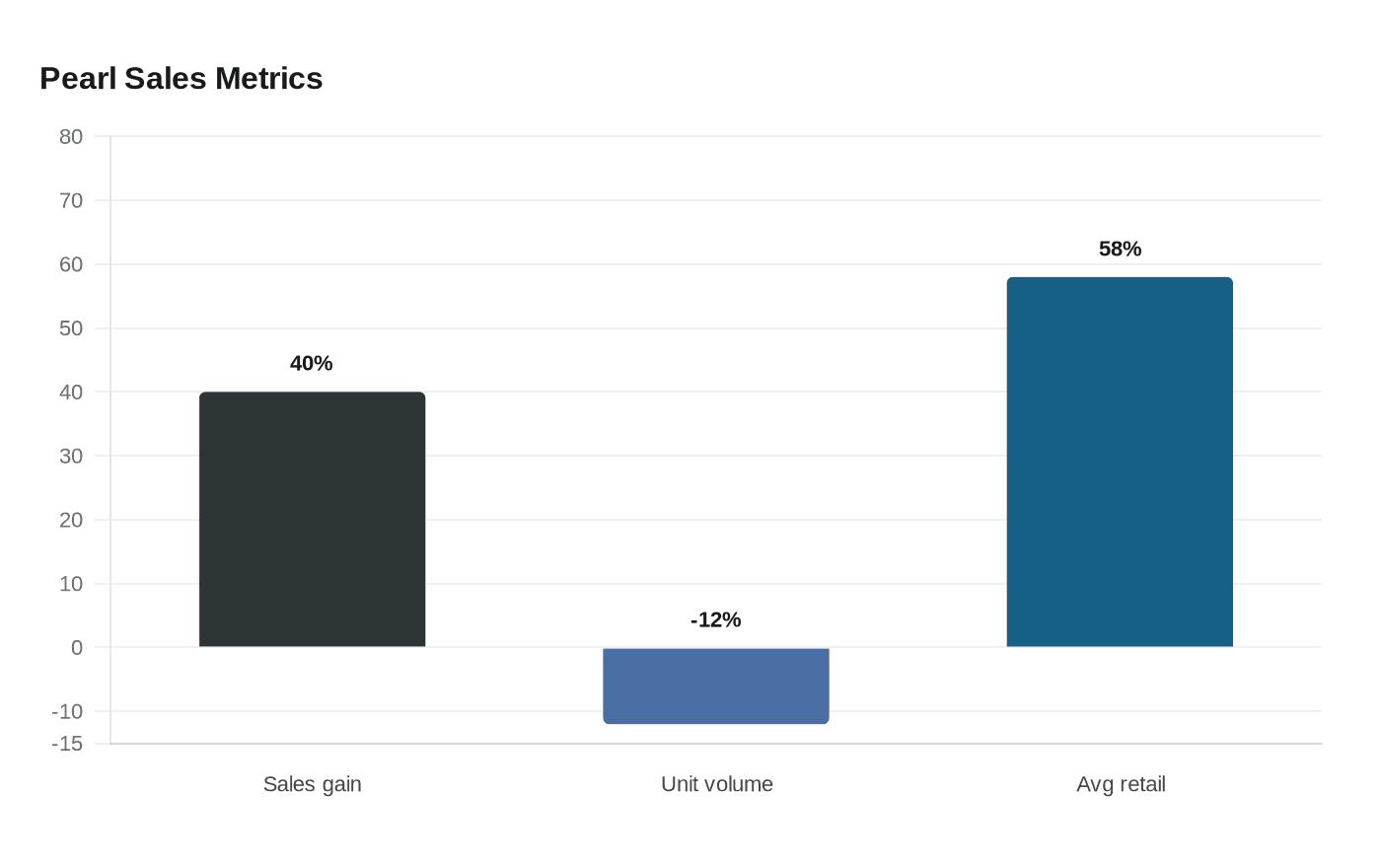
Pearl buyers traded up in April: strand and necklace sales rose 40% even as units fell 12%, and the average ticket leapt 58% to $1,059.
Pearl shopping is getting more expensive, and that is the point. In April 2026, pearl strands and necklaces posted a 40% sales gain even as unit volume fell 12%, a split that pushed the average retail sale up 58% to $1,059. The numbers suggest a category that is no longer being driven by casual add-ons or one-off impulse buys. Buyers are paying for more pearl, more presence and, increasingly, more intention.
The pattern was visible beyond strands alone. The broader Colored Stones & Pearls category rose 18% in sales in April while average retail sale climbed 31%, even as units slipped 10%. A month earlier, that same category had delivered 31% sales growth and a 41% increase in average retail sale, while pearls across all categories surged 71%. Taken together, the data points to a market where fewer pieces are moving, but the pieces that do sell are commanding more money.
That shift fits the way pearls have been reclaimed in fashion. WWD has described them on Paris runways as pearls that are not your grandmother’s, and has also noted that classic and heritage jewelry styles are finding a new audience among Gen Z and younger Millennial shoppers. Pearls have also moved well beyond the old single-strand stereotype, showing up in men’s jewelry, on high-jewelry stages and in red-carpet dressing. Anna Hu’s Dance of Dunhuang brooch, with its 112.32-carat non-nacreous pearl edged in yellow and pink diamonds and orange and pink sapphires, makes the case plainly: the modern pearl is being treated as a centerpiece, not a finishing touch.
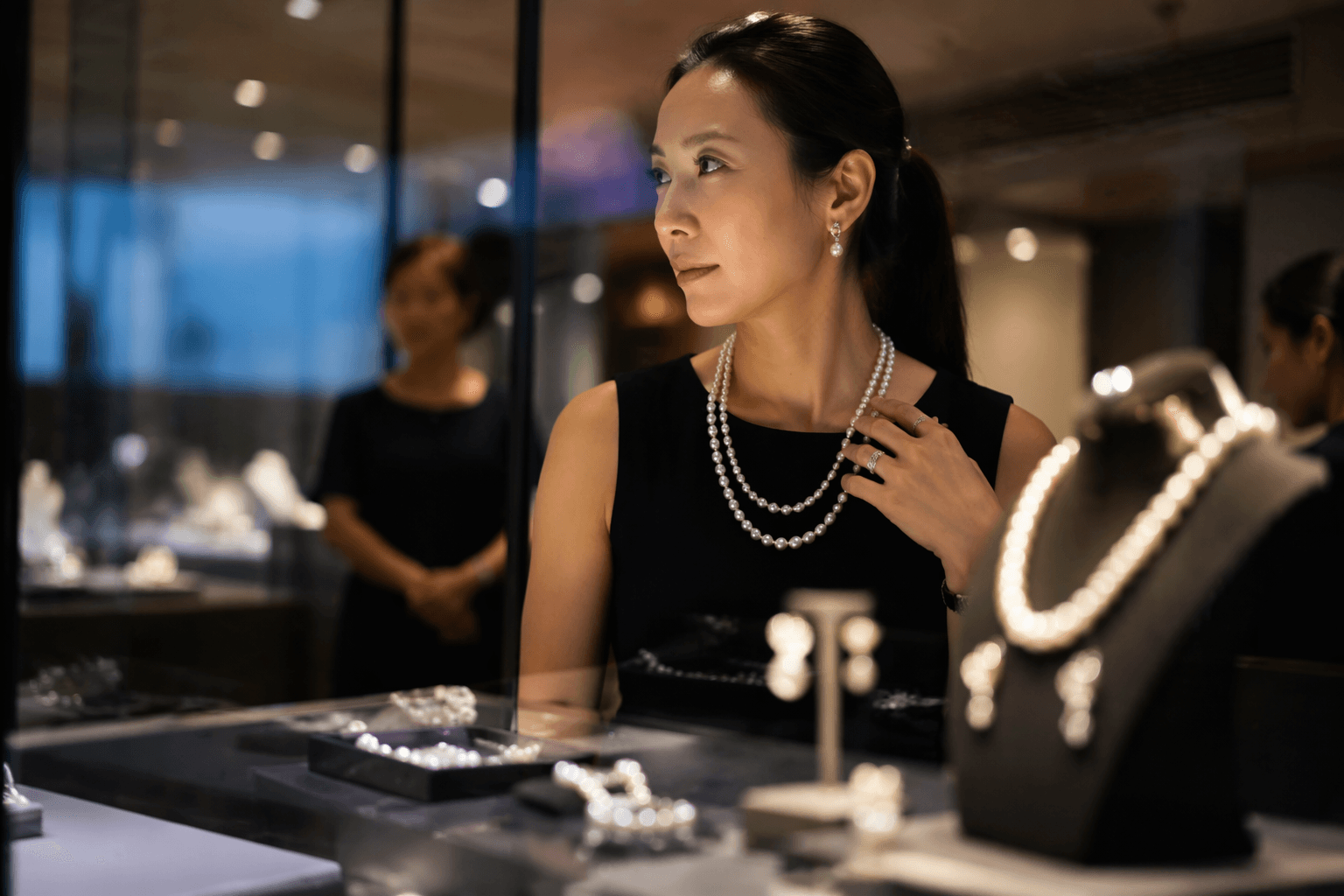
The buyer profile helps explain the trade-up. In a Centurion survey story, 66% of respondents said they owned at least one pearl jewel, and 69% of pearl owners owned a strand. Among consumers age 25 to 44, 43% to 48% said they had spent at least $3,000 on pearls in the prior two years. That is not a nostalgia purchase. It is a market in which younger clients are proving willing to invest when the design feels fresh, the pearls are well matched, and the piece carries enough scale or polish to justify the price.
Pearls still carry emotional weight, but the sales data show that sentiment alone is not enough. The strongest pieces now are the ones that combine clean construction, visible quality and a more fashion-forward point of view. For merchants, the message is clear: the pearl customer is buying less often, but buying better.
This article was produced by Prism’s automated news system from verified source data, official records, and press releases, then run through automated quality and moderation checks before publishing. The system is built and supervised by the people who set the standards it runs under. Read our full AI policy.
Know something we missed? Have a correction or additional information?
Submit a Tip