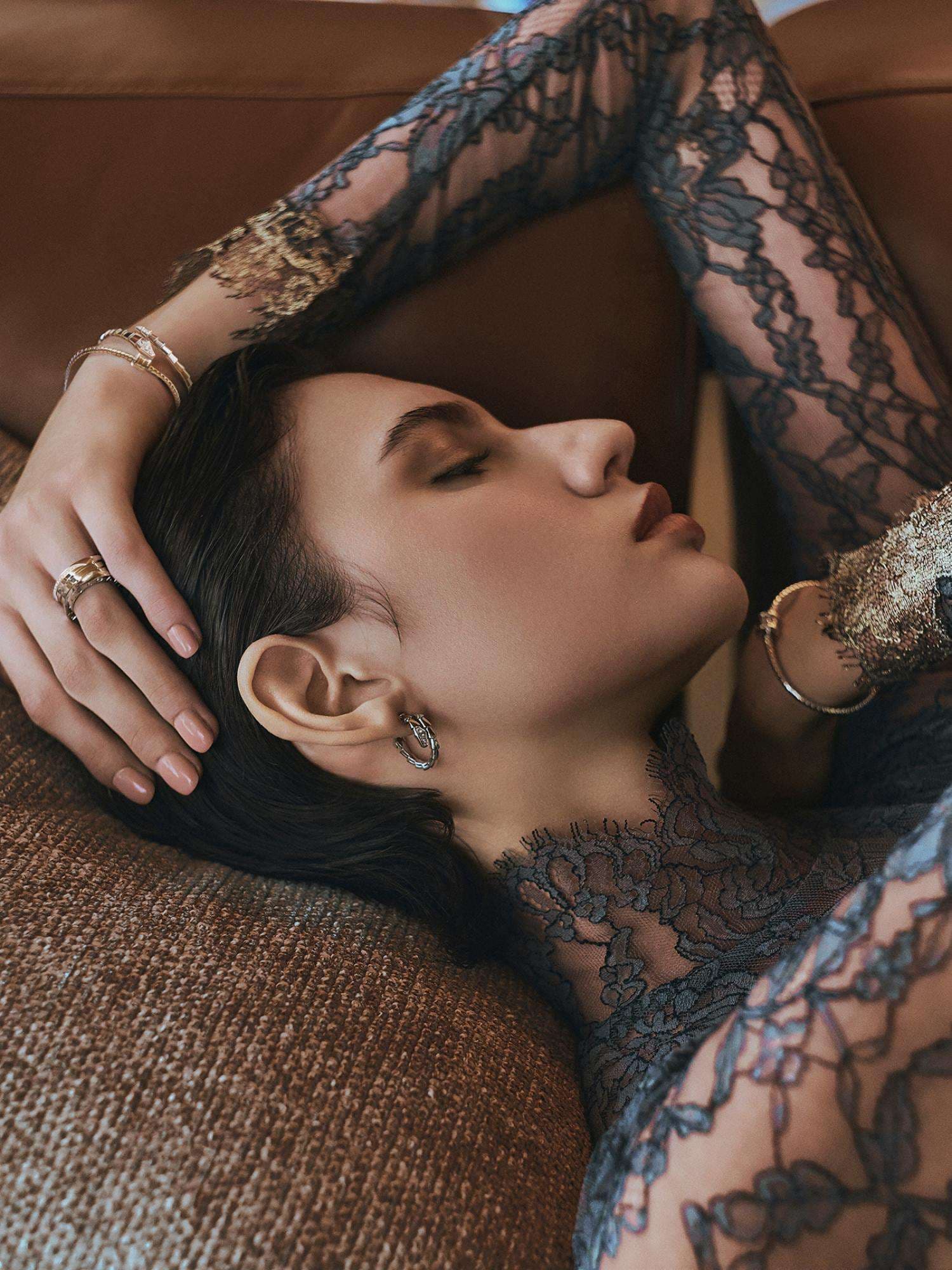
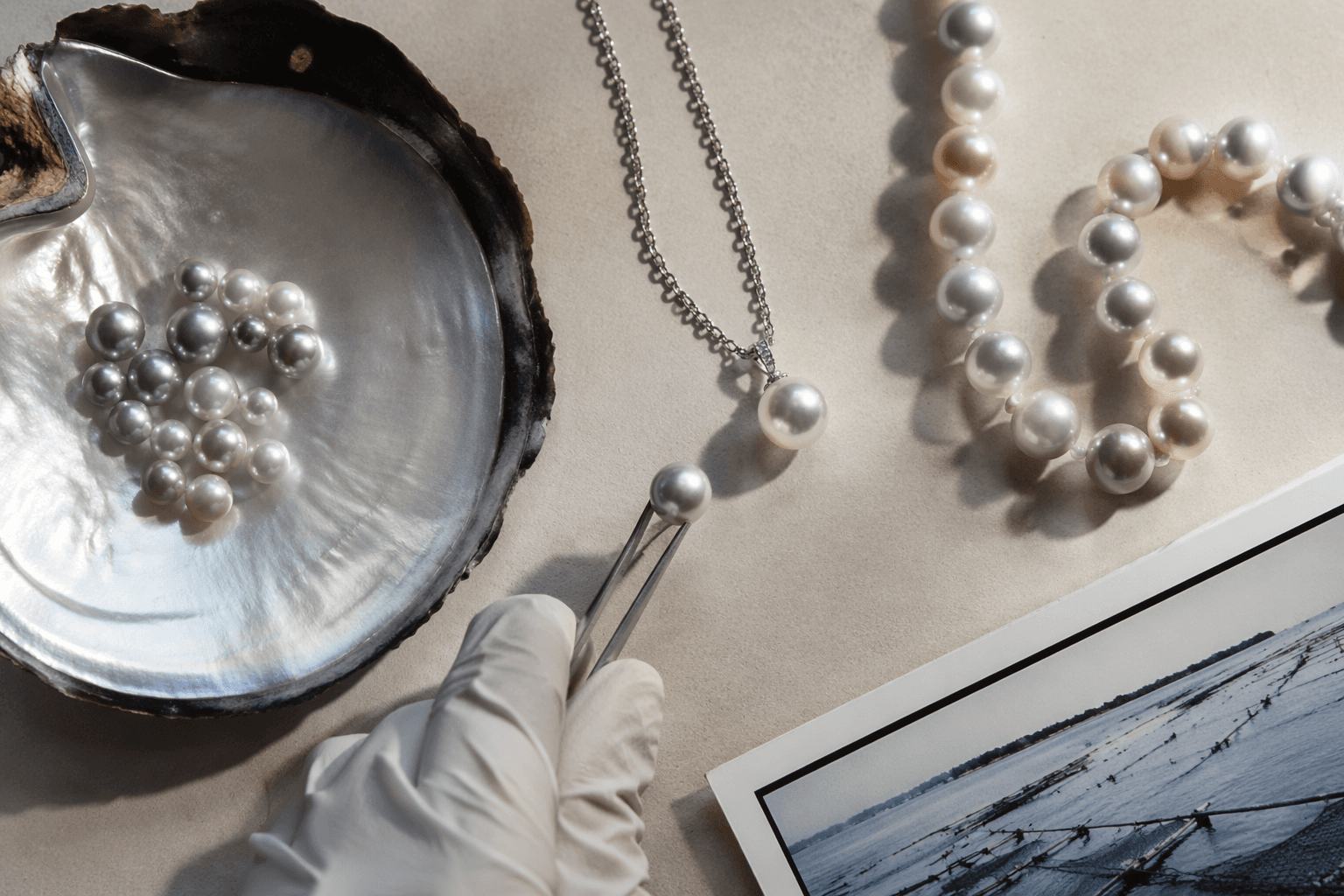
Pearls Return as a Timeless Classic, from Royalty to Runway
Pearls are the rare heirloom that still works at 9 a.m. and after dark, especially as slim strands and small Akoya studs.
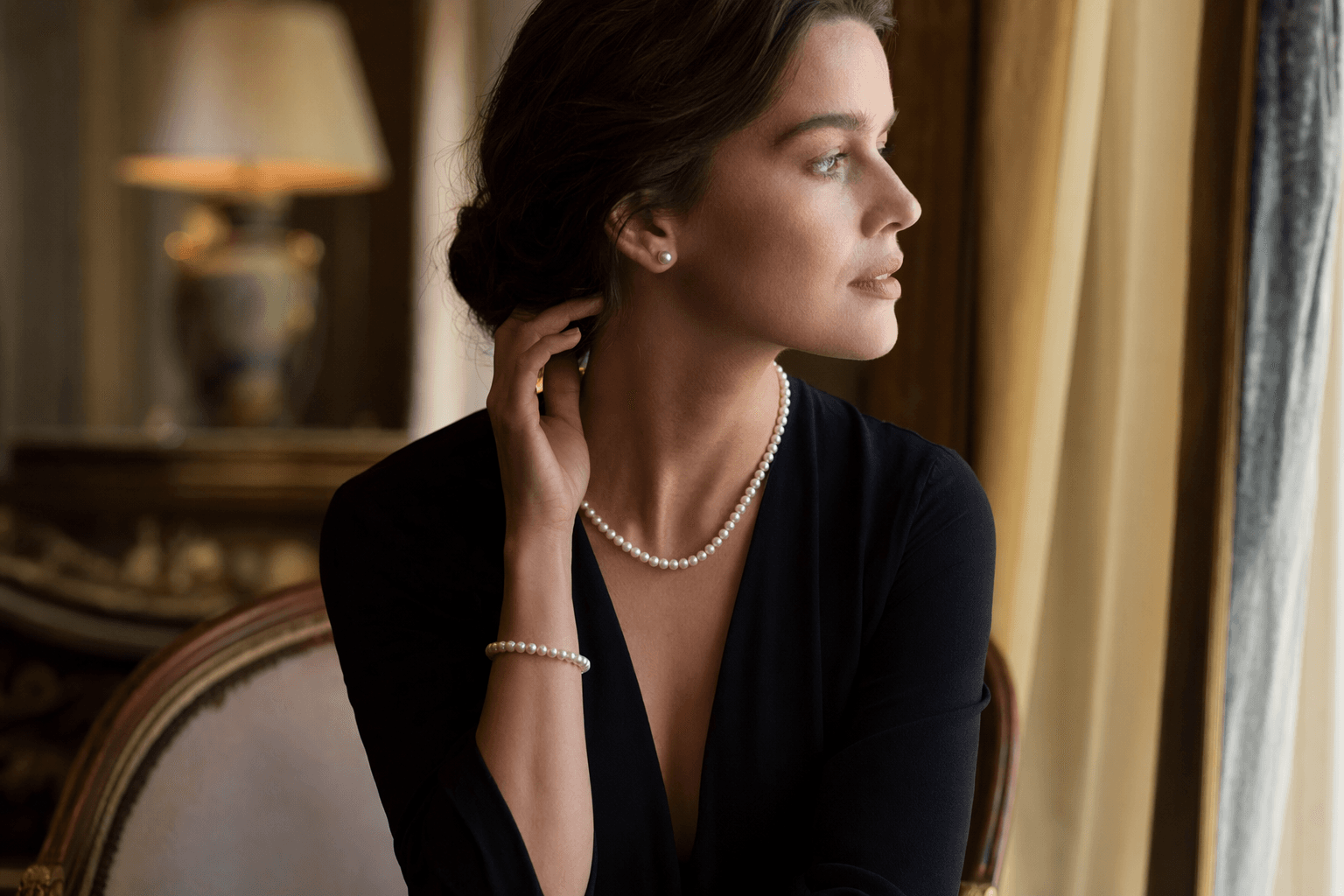
Pearls do something few jewels can: they move from family box to workwear without losing their authority. GIA traces pearl fashion through ancient times, the Mediterranean, Western Europe, and the United States, and that cyclical return is part of the appeal. Their status is older still. One historical account places pearls as gifts to Chinese royalty as early as 2300 BC, while Rome treated them as a wealth signal, with Julius Caesar said to have restricted them to the ruling class.
The pearl that looks current now
The most relevant pearl piece is still the simplest one. A classic single-strand necklace is back, and younger buyers are especially drawn to smaller Japanese Akoya pearls in the 5.5 mm to 7.5 mm range. That scale matters because smaller pearls sit closer to the body and feel sharper with tailoring, denim, and knits than oversized strands that can veer formal fast.
For a look that reads modern in real life, keep the strand short enough to frame the collarbone cleanly. The closer fit feels polished over a button-down or crewneck, while a longer strand works best when it is worn once, not layered with every other sentimental piece in the box. Pearls do not need to dominate the outfit to look expensive. They need clean lines around them.
How to wear grandmother pearls without costume energy
The fastest way to modernize inherited pearls is to edit the rest of the look. Pair one pearl statement with straightforward clothes, not another layer of decoration. A white shirt, straight-leg denim, a blazer, or a fine-gauge sweater lets the pearls do their job without turning the outfit into a period piece.
Earrings should stay scaled to the face and the occasion. Small pearl studs or modest drop earrings look current at work and during the day. Oversized chandeliers and heavily ornamented clips can still be dramatic, but they need restraint elsewhere: hair pulled back, makeup kept clean, and clothing that feels sharp rather than nostalgic. For rings, one pearl cocktail ring is enough. It should read as an accent, not a theme.
- Choose one pearl focal point at a time, strand, earrings, or ring.
- Mix pearls with denim, leather, wool, or crisp cotton to keep the contrast modern.
- Skip the matched set unless the design is intentionally minimal.
- Favor pieces with strong luster over pieces that look chalky or flat.
A few rules keep the look grounded:
Work, denim, evening: three easy ways to wear them now
At work, a single strand at the collarbone with a crisp shirt and tailored jacket looks polished without trying too hard. The pearl softens the severity of suiting, which is exactly why it still feels practical in a wardrobe built around structure.
With denim, the mood should be lighter. Swap the full strand for pearl studs, a short pendant, or a single pearl ring and let the jeans, tee, and trench keep the outfit casual. This is where pearls feel especially fresh in 2026: they are no longer reserved for dress codes, but used as the one refined element in clothes you already wear.
For evening, bring back the shine with a longer strand, a satin dress, or a tuxedo jacket. An opera-length strand can look striking when it is the only elaborate thing in the room. The trick is to let the silhouette stay simple so the pearls look elegant, not theatrical.
Why pearls still carry weight
Part of pearl power is historical, but part of it is access. Mikimoto says Kokichi Mikimoto created the world’s first cultured pearl in 1893, a breakthrough that the brand describes as the start of the modern cultured-pearl industry. That change made pearls far more attainable, which is why they can sit comfortably in both inherited heirlooms and contemporary jewelry boxes.
The market momentum is real, too. IMARC Group-linked data puts the global pearl jewelry market at USD 13.2 billion in 2024, with a projection of USD 34.6 billion by 2033. Growth is being supported by sustainability concerns, customization, e-commerce, changing fashion tastes, and celebrity endorsement. In other words, pearls are not surviving on sentiment alone. They are proving useful to a new generation of buyers who want jewelry that can cross from office to dinner without changing personalities.
What to ask before you keep or buy
Pearls reward specifics. Ask where they were cultured, what kind they are, whether they are Japanese Akoya or another type, and whether the seller discloses treatments or enhancements. Vague sustainability language is not enough. If a pearl seller cannot tell you what you are looking at, the marketing is doing more work than the jewelry.
The strongest pearl pieces are the ones that hold their place in daily life. They bring history, but they do not require costume. That is why pearls keep coming back: they remain one of the few heirloom-adjacent accessories that can look right with a shirt, a pair of jeans, or an evening jacket, all in the same week.
This article was produced by Prism’s automated news system from verified source data, official records, and press releases, then run through automated quality and moderation checks before publishing. The system is built and supervised by the people who set the standards it runs under. Read our full AI policy.
Did this article answer your question?