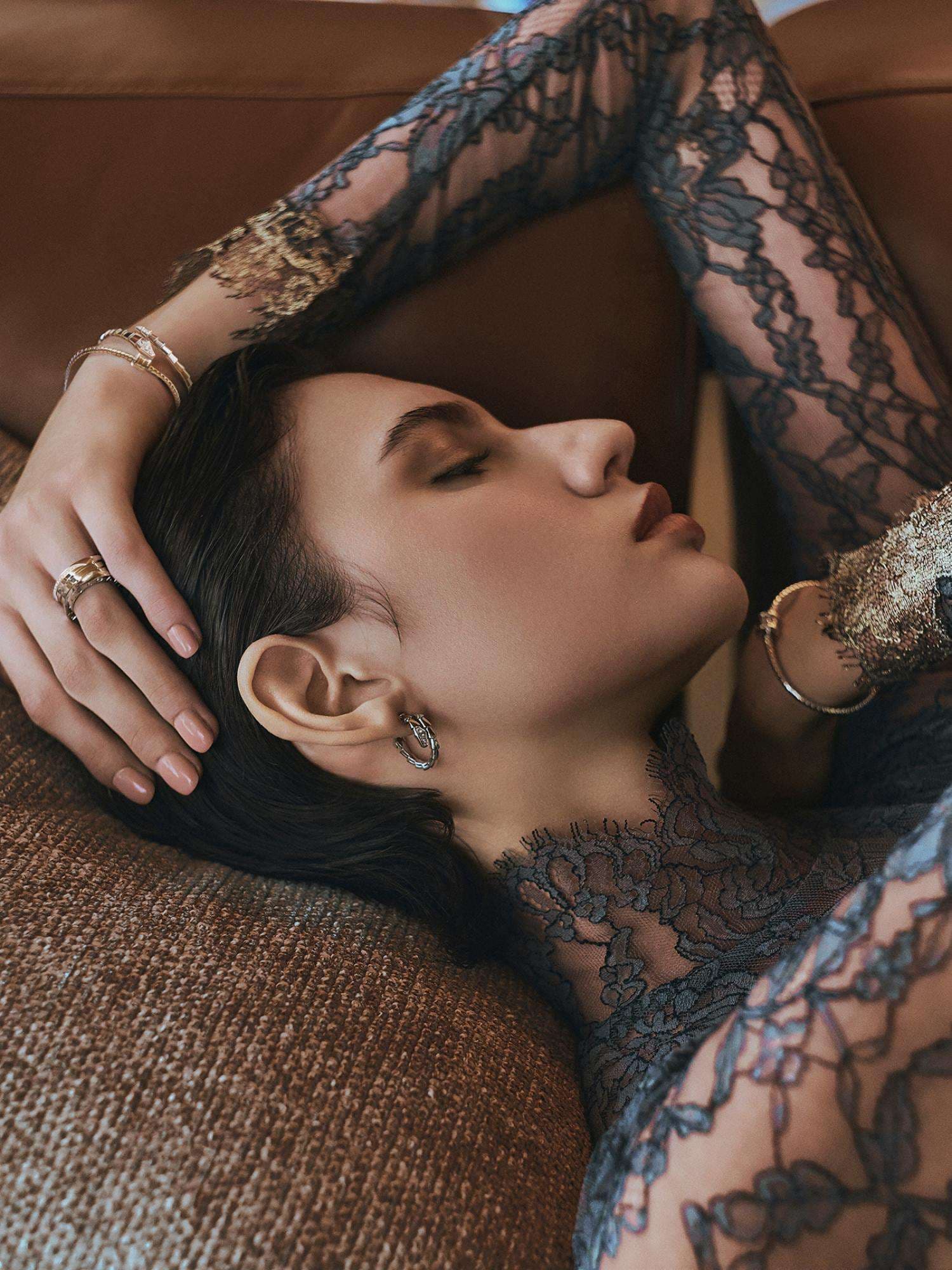
Pearls shine as June's timeless gemstone for modern wearers
Pearls are shedding heirloom stiffness this June, with cleaner settings, baroque shapes and mismatched pairs leading the reset.
Pearls are moving out of the velvet box
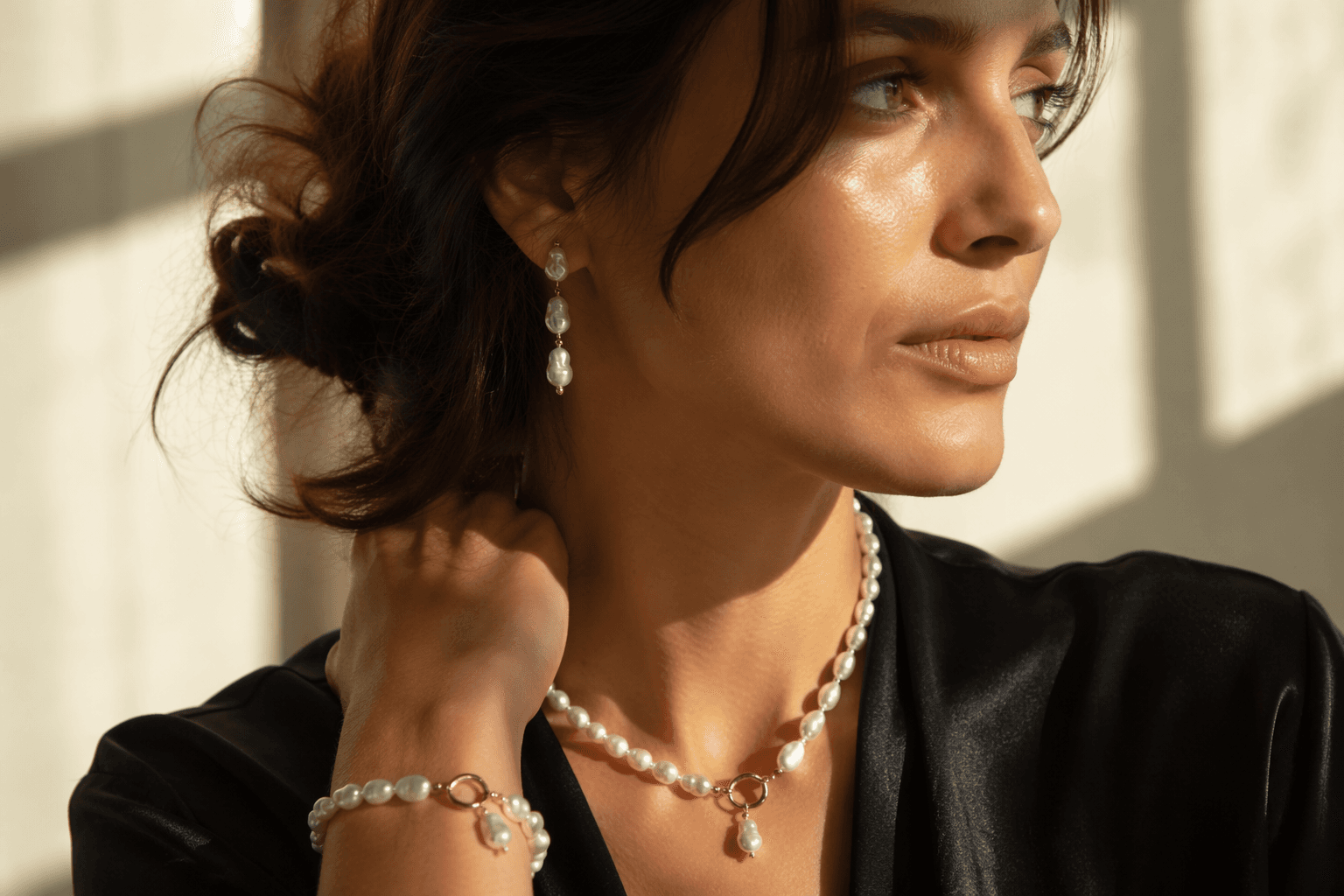
Pearls are shaking off the “dated classic” label and landing in a cleaner, cooler register this season. The look that feels current is baroque, floating, mismatched, and pared back, with pearls paired to chain, set in lighter mounts, or worn in ways that feel lived-in rather than formal.
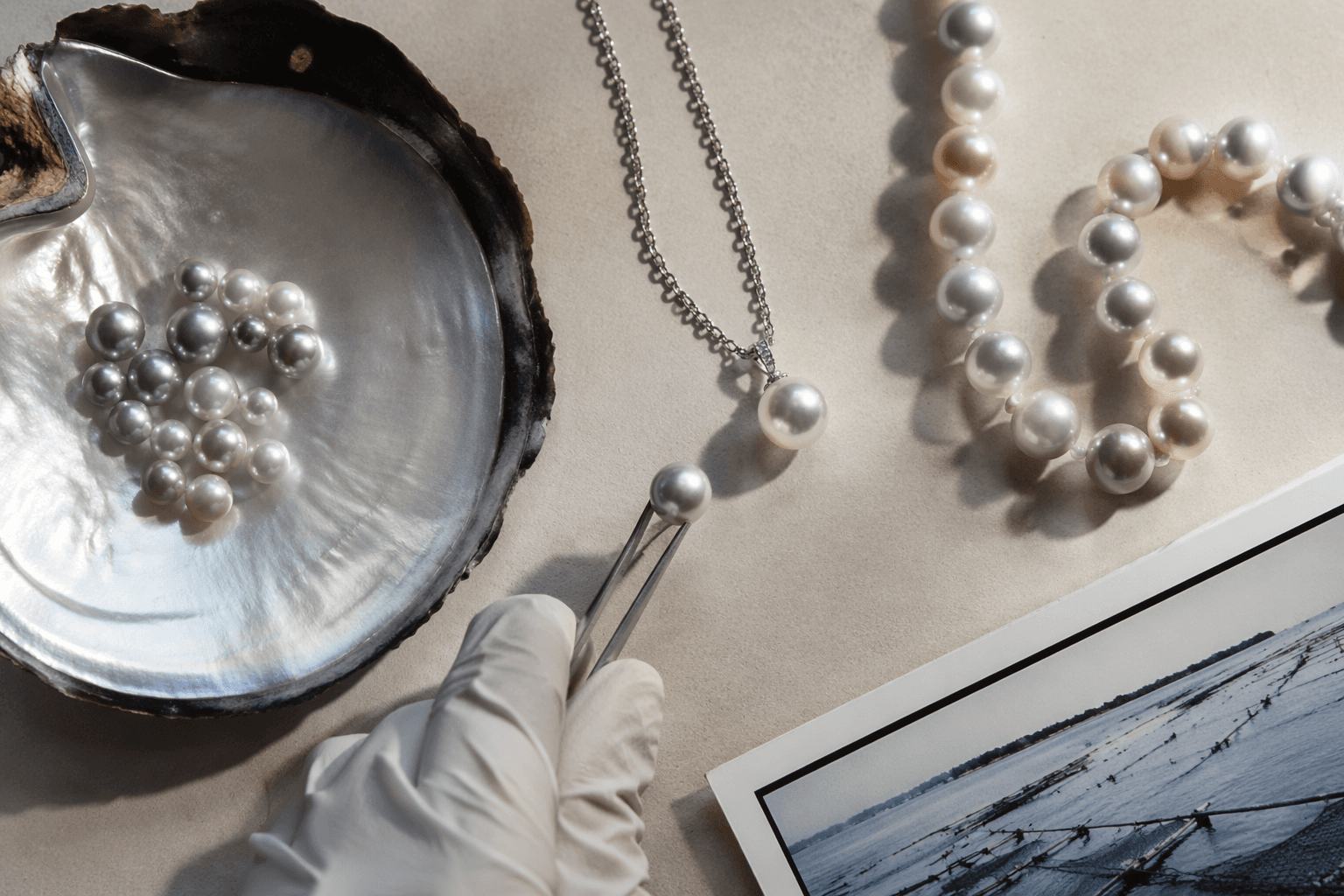
That shift matters because pearl jewelry is no longer being sold only as heirloom polish or occasion wear. GIA’s pearl services cover natural and cultured stones, identify whether a pearl formed in saltwater or freshwater, and can name the mollusk when it is determinable, which gives the category more technical credibility than most fashion language ever does.
What to ask for before you buy
The smartest pearl purchase starts with paperwork, not romance. A GIA Pearl Identification Report lists quantity, weight, size, shape, color, origin, mollusk, environment, and detectable treatments, while the Cultured Pearl Classification Report adds a full read on the GIA 7 Pearl Value Factors: size, shape, color, luster, surface, nacre, and matching.
- Ask whether the piece is natural or cultured, and whether it is freshwater or saltwater. Those details shape both value and appearance.
- Look for nacre information. GIA’s updated nacre scale now uses five ranges, Excellent, Very good, Good, Fair, and Poor, and the institute notes that nacre thickness and continuity affect durability. Thin, chalky, or damaged nacre is a real warning sign, not a cosmetic quirk.
- If the seller talks about “quality” but cannot say what has been treated, that is a gap. GIA reports note treatments, and pearl color can also be altered by dyeing, impregnation, coating, bleaching, or irradiation.
The point is not to turn a purchase into a laboratory exercise. It is to separate a piece with real substance from a vague promise wrapped in glossy language. When the data are specific, the pearl has room to be beautiful on its own terms.
The settings that make pearls feel modern
The most convincing pearl jewelry now avoids stiffness. Floating-illusion strands, ultra-fine wires, asymmetrical drops, and pearl-plus-chain combinations all create movement, which keeps pearls from reading like costume and pushes them toward everyday wear. Baroque shapes do even more, because their irregularity makes the piece feel collected rather than manufactured.
That is why younger buyers have embraced pearls when they are not locked into a rigid strand. The current mood favors clean settings, sculptural forms, and pieces that work with jeans, a shirt, or a simple knit, rather than only with evening clothes. Pearls are still elegant, but the elegance now comes from ease.
Mismatched earrings also belong to this shift. One longer drop beside a smaller stud, or two pearls that are intentionally not identical, gives the face texture without formality, and it makes the gem feel gender-neutral in the best sense: polished, not precious.
Why provenance and sustainability still matter
Pearls deserve the same provenance questions as any fine-jewelry purchase. Ask where the pearl formed, whether it is freshwater or saltwater, whether it is cultured or natural, and what treatments were used, because those details tell you far more than broad claims about luxury or “responsible” sourcing.
If a brand leans on sustainability language, the burden is on specificity. For pearls, that means traceable documentation, clear disclosure of treatments, and enough detail to compare one strand against another, not vague language about purity or ocean inspiration. GIA’s reports are useful here because they are built to state identity and environment, not just market a mood.
There is also a visual sustainability to the best pearl pieces, in the sense that they are made to stay in rotation. A restrained setting, a carefully matched strand, or a baroque pendant that can be worn often is more compelling than something delicate enough to feel seasonal and disposable. That is where the modern pearl story becomes more than nostalgia.
How to care for pearls so they keep their glow
Pearls are soft, with a Mohs hardness of 2.5, so they scratch and abrade easily. They can still last for years, but only if they are treated like organic gems, not hard stones, because heat, acids, chemicals, and dehydration can all damage them.
The safest routine is simple: wipe pearls with a very soft, clean cloth after each wearing, use warm soapy water only for occasional deeper cleaning, and never put them in an ultrasonic or steam cleaner. If the piece is strung, make sure the string is completely dry before you wear it again.
Keep them away from perfume, hair spray, cosmetics, perspiration, and high heat, all of which can dull the surface or damage nacre. Dyed pearls may shift in color over time, which is another reason to buy with your eyes open and your paperwork in hand.
The June case for pearls
Pearls are resonating now because they have found a less formal voice. Cleaner settings, baroque silhouettes, mismatched pairs, and floating constructions make them feel like jewelry for the present tense, while GIA’s reporting framework gives buyers a way to judge what they are actually looking at.
That combination, beauty with receipts, is what keeps pearls from becoming just another recycled classic. In June, they are not simply timeless. They are legible, wearable, and newly sharp.
This article was produced by Prism’s automated news system from verified source data, official records, and press releases, then run through automated quality and moderation checks before publishing. The system is built and supervised by the people who set the standards it runs under. Read our full AI policy.
Did this article answer your question?