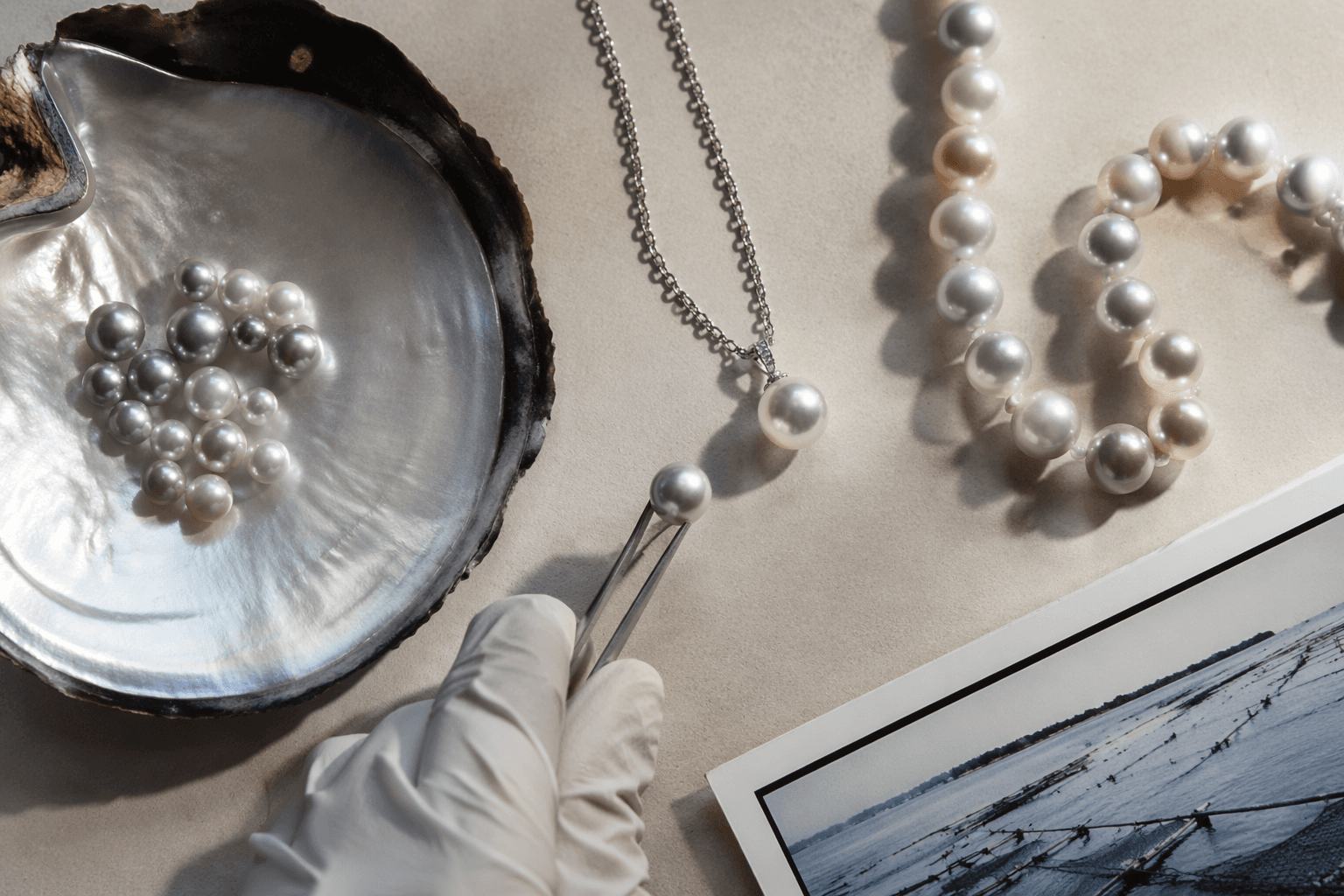
Pearls shine at JGA 2026, from classic styles to sustainability
Pearls moved to the center of JGA 2026, where classic silhouettes, contemporary design and sustainability signaled fresh retail momentum.
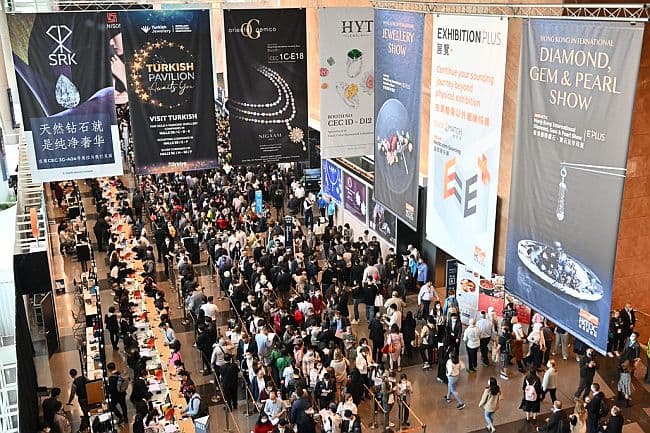
Pearls did not appear at JGA 2026 as a decorative sideline. In Hall 3, they sat inside the fair’s Diamonds, Gemstones & Pearls+ area at the Hong Kong Convention & Exhibition Centre, surrounded by the wider sourcing conversation that defines Jewellery & Gem ASIA Hong Kong. With nearly 1,100 exhibitors from around 30 countries and regions taking part from June 18 to 21, the message was unmistakable: pearls remain a serious category for buyers, not a sentimental one.
That positioning matters because the fair’s pearl story is being written across fashion, precious jewelry and occasion dressing at once. The Day 3 show daily singled out “Fascination for splendid pearls” among its featured stories, while preview coverage leading into the fair said pearl jewelry manufacturers would unveil their latest classic and contemporary collections. Put together, those signals suggest a market that still values the familiar glow of pearls, but wants them in forms that feel current, wearable and easy to place on retail floors.
Pearls inside the sourcing mix
JGA’s choice to group pearls with diamonds and colored gemstones in Hall 3 says more than a category map ever could. It places pearls in the same commercial frame as the stones that usually define high-value buying conversations, which elevates them beyond a niche bridal or legacy-product lane. For buyers walking the fair, pearls are not being isolated as a specialty curiosity, but presented as part of a broad B2B assortment strategy.
That is the right backdrop for the Day 3 emphasis on pearls. When a show daily highlights pearls in a hall dominated by core gem categories, it signals confidence in demand and a belief that pearls can carry more than one retail story. They can anchor the quiet-luxury end of the case, but they can also support fashion-forward programs where luster, softness and surface quality do as much work as carat weight or color saturation.
Classic forms, refreshed for the current case
The pre-fair preview language was telling in its own way. Pearl jewelry manufacturers were expected to debut “classic and contemporary” collections, and the extraordinary charm of pearls was described as being front and center at JGA 2026. That combination points to a familiar but important shift: pearls are being merchandised not as a single look, but as a flexible material that can move between polished tradition and sharper design.
For retail, that breadth is valuable. Classic pearls still carry the visual authority that makes them work in bridal settings and formal occasions, yet contemporary interpretations give buyers room to place pearls beside slimmer gold profiles, cleaner silhouettes and more directional styling. In a market where HKTDC’s 2026 buyer-and-exhibitor survey found respondents cautious about the year ahead and expecting one to two years for confidence to fully recover, the safest categories are often the ones that can speak to more than one customer mood at once.
The same survey identified stylish fashion jewelry and precious jewelry as the most in-demand segments. Pearls sit neatly between those poles. They can read as elegant and precious when the materials are strong, and they can read as fashion when the design is lighter, more graphic or more playful.

Uto Shinju and the power of material storytelling
Among the specialist names highlighted ahead of the fair, Uto Shinju Co Ltd offered a compact lesson in how pearl storytelling is evolving. The company planned to show three pearl pieces, including the 18-karat-gold 7Planet necklace, which uses white South Sea and Tahitian pearls and draws inspiration from seven celestial bodies. That is not just a product detail; it is a reminder that pearl design now often depends on narrative as much as on surface sheen.
The material mix matters here. South Sea pearls bring the scale and presence that justify a more substantial jewel, while Tahitian pearls add deeper tonal drama. Set in 18-karat gold, the result suggests a piece meant to feel elevated without becoming stiff, the kind of jewel that can move between evening wear and sharper daytime dressing if the styling is right.
This is also where the market’s appetite for stronger, more wearable pearl jewelry becomes visible. A design like 7Planet is not trying to mimic a classic strand. It uses pearl form, color contrast and celestial inspiration to create a recognizable signature, which is exactly the kind of differentiation buyers look for when they need pearls to do more than fulfill expectation.
Sustainability is now part of pearl value
If classic styling showed the enduring appeal of pearls, the June 20 seminar at JGA showed where the category must go next. The Japan Pearl Promotion Society organized “Japan Pearl Seminar - History, Quality and Sustainability,” a session focused on sustainable pearl farming, responsible cultivation of Japanese Akoya pearls and pearl quality standards, including processing and treatment guidelines. That is a serious agenda, and it places sustainability in the same conversation as quality control and product integrity.
For pearls, sustainability is not a decorative add-on. Farming practices, cultivation methods and post-harvest treatment all affect how the market evaluates value, especially when buyers are increasingly attentive to traceability and responsible sourcing. A seminar that pairs history with quality and sustainability makes a clear point: the category’s credibility depends on how pearls are grown, handled and described, not only on how they look under fair lighting.
That emphasis also helps explain why pearls are holding their place in a crowded sourcing environment. In a fair with nearly 1,100 exhibitors, buyers can afford to be selective. Pearls earn attention when they combine beauty with standards, design range with material distinction, and tradition with a credible sustainability story. At JGA 2026, that is exactly how the category was presented, and that is why its momentum feels broader than a seasonal trend.
This article was produced by Prism’s automated news system from verified source data, official records, and press releases, then run through automated quality and moderation checks before publishing. The system is built and supervised by the people who set the standards it runs under. Read our full AI policy.
Did this article answer your question?