Pearls turn statement-making as expressive jewelry takes over 2026
Pearls are dropping the polite act and leaning into bigger, louder styling. Oversized drops, layered strands and mixed materials make them feel newly current.
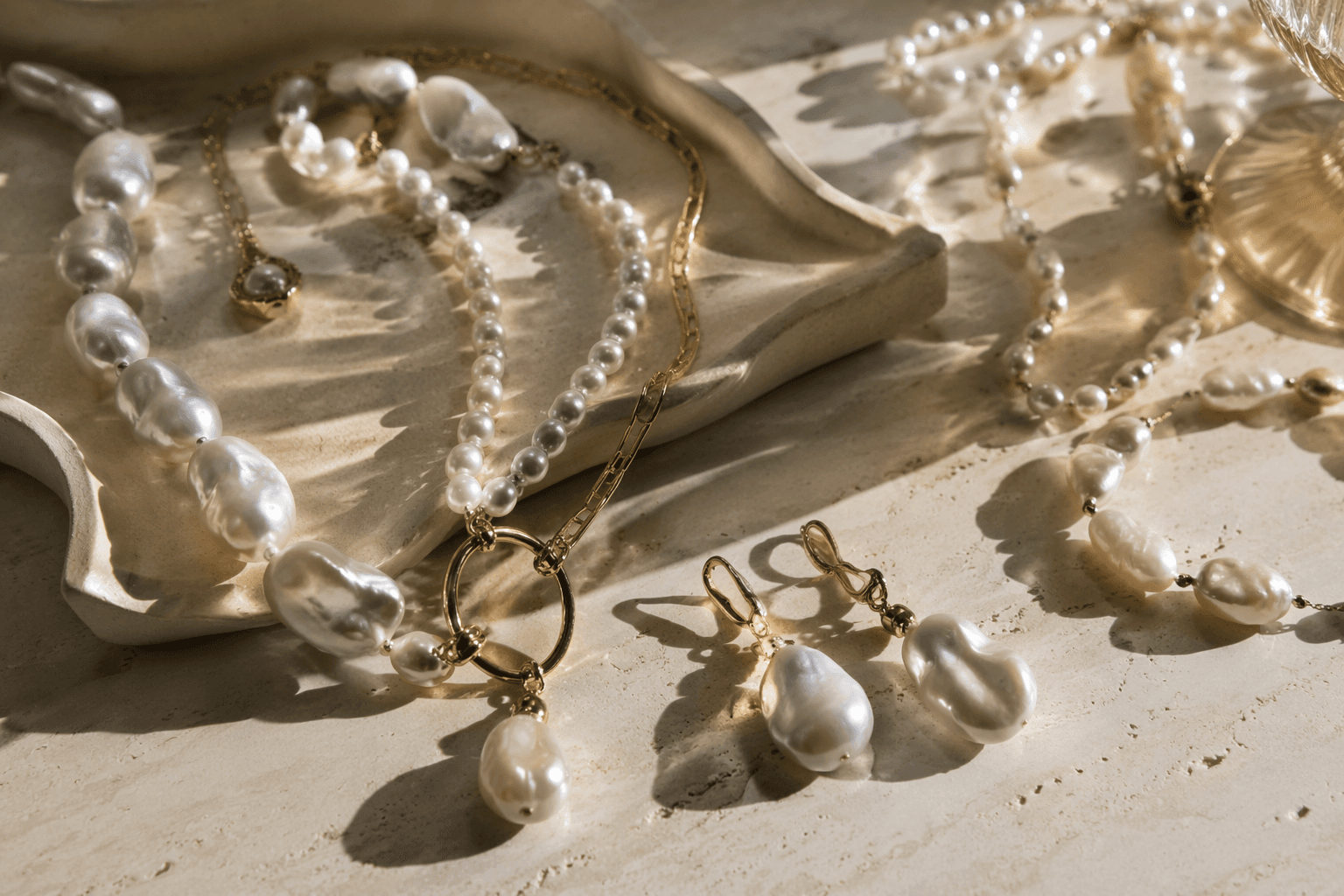
Pearls are shedding their polite reputation and stepping into the louder jewelry wave. The looks gaining traction are bigger, more tactile and less precious in attitude: oversized drops, layered strands, leather cord pairings and mixed-material stacks that read modern rather than ceremonial. That shift matters because pearls are no longer being framed as a special-occasion afterthought; they are becoming the focal point of the outfit.
Pearls are moving from classic to expressive
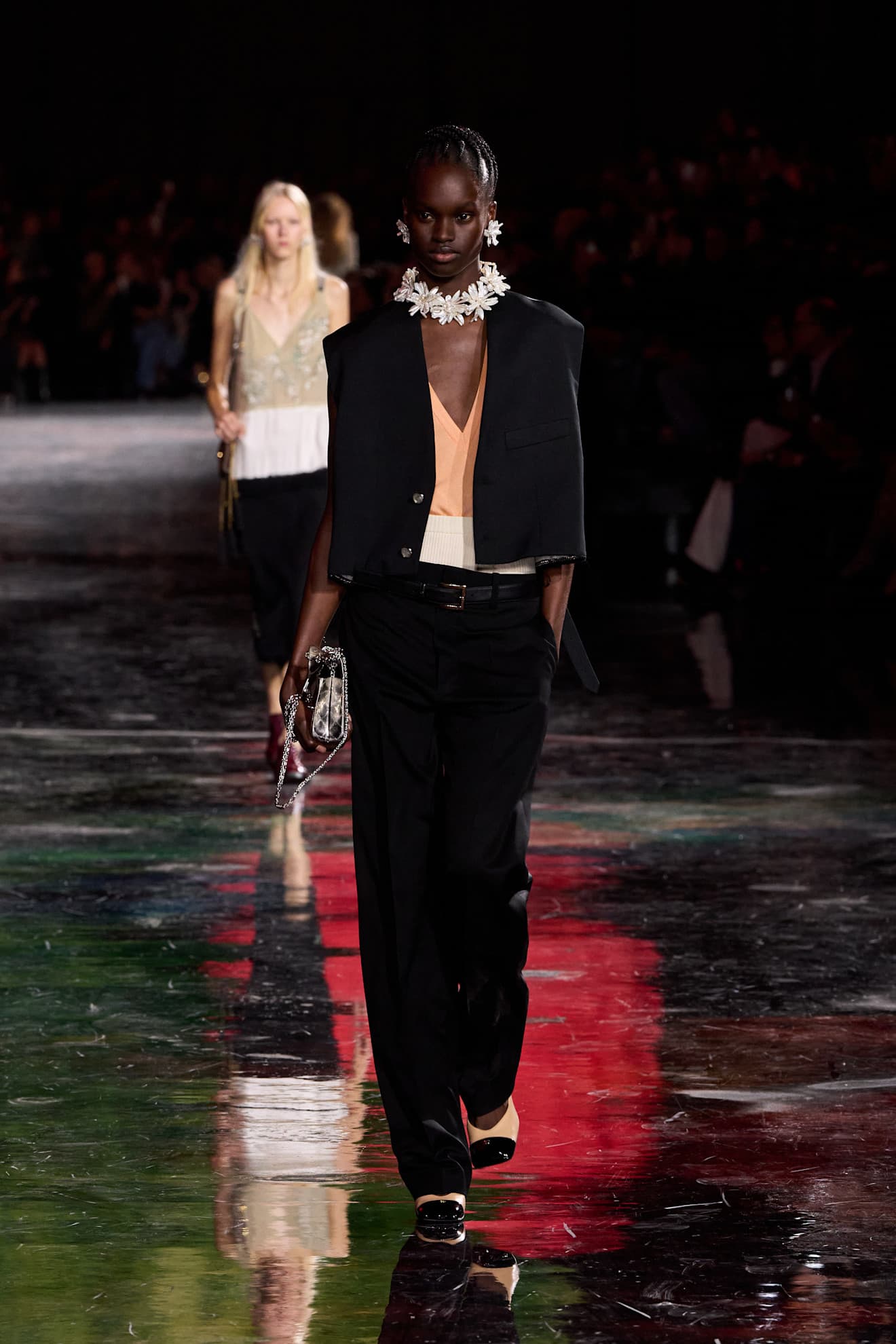
The clearest sign of the reset is the language around the runways. WWD’s spring 2026 jewelry coverage from Paris Fashion Week pointed to self-expression through heirlooms, color boosts, minimal lines and statement pieces, while also calling out “not-your-grandma’s pearls.” By fall 2026, the same Paris circuit had pushed further into bold volumes and playful ideas, which tells you pearls are being recast as sculptural, directional jewelry rather than a neat finishing touch.
That matters for styling. A pearl strand once implied restraint, but the new version wants friction, contrast and scale. Think of pearls as the bright white or soft cream anchor in a louder composition, not the entire composition itself.
The pearl looks defining the new mood
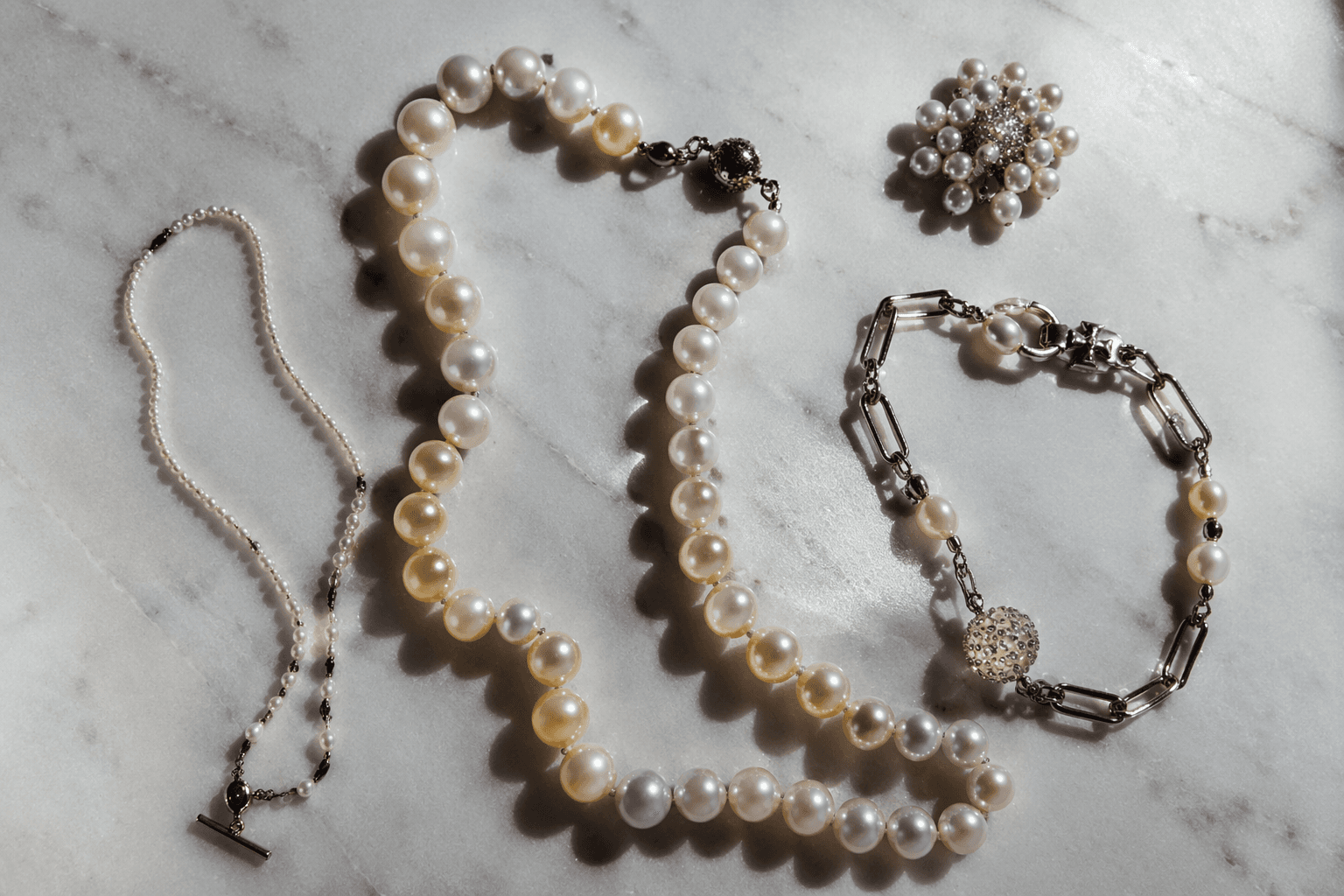
The strongest pearl pieces are the ones that change proportion. Oversized drop earrings, especially when they hang below the jawline, create more movement and feel more contemporary than button studs or tidy matched pairs. Layered strands are also back, but they work best when they are not rigidly perfect, with varying lengths, mixed bead sizes or one strand interrupted by a pendant for a less formal rhythm.
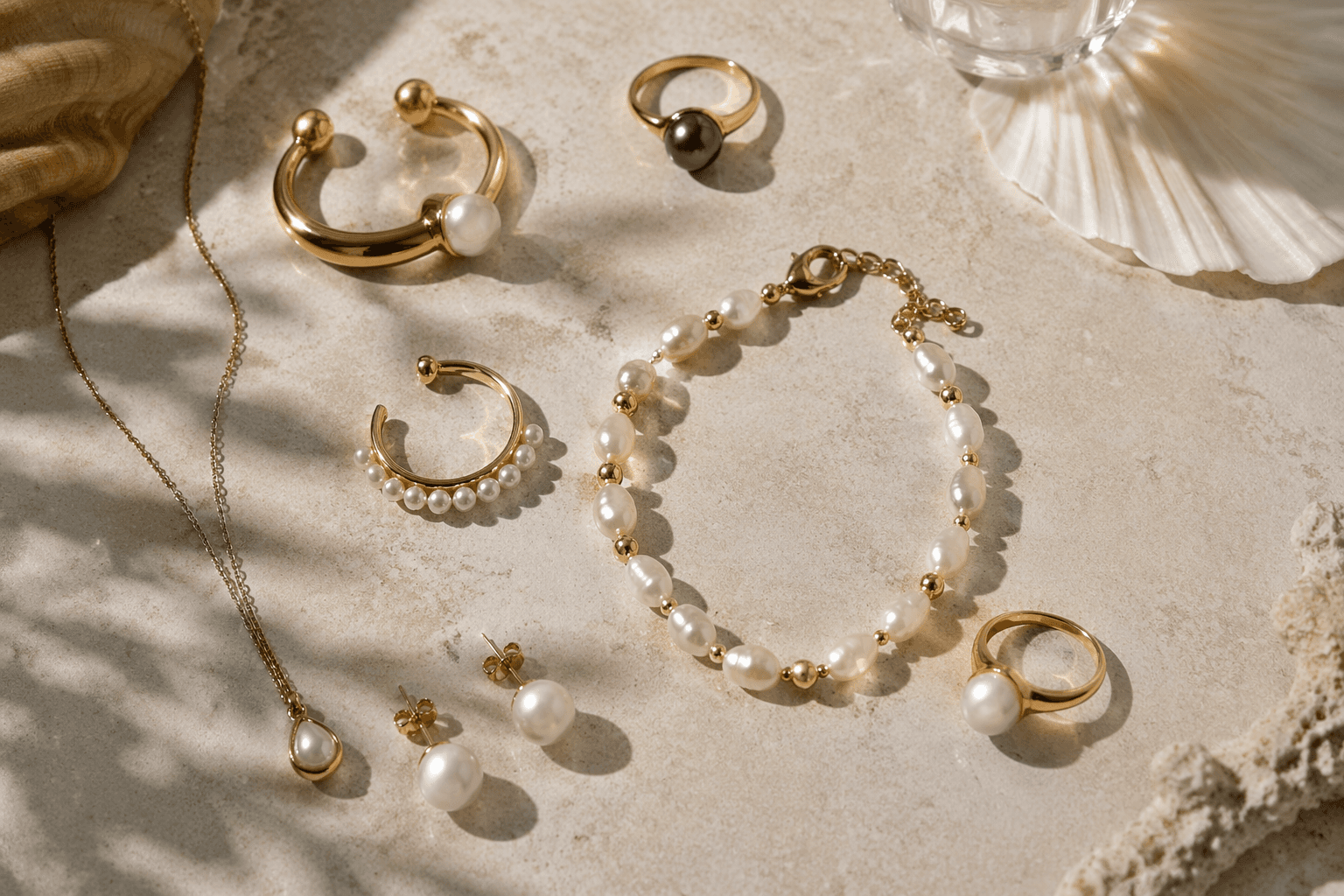
Mixed-material pairings are doing much of the heavy lifting. Pearls beside leather cord pendants, beads and lucite strip away the old idea that pearls have to be paired only with gold and diamonds. The effect is especially strong when a smooth pearl meets an intentionally rougher texture, or when a strand is worn with a sculptural cuff so the look feels assembled rather than matched.
A few styling cues are setting the tone:
- One oversized pearl drop with a crisp collar or open neckline, so the earring does the work.
- Layered strands over a white shirt, fine knit or tank, where the contrast keeps the pearls from feeling bridal.
- Baroque or irregular pearls mixed with leather cord, for a look that reads collected rather than precious.
- Pearls worn with beads or lucite, which introduces color and transparency into an otherwise classic material.
- A single pearl-centered piece offset by a sculptural cuff, so the jewelry feels edited but not minimal.
What is fading is the idea that pearls need symmetry to feel polished. The new pearl moment is less about perfect matching and more about visible design choices, from elongated drops to strands that break and rebuild the line of the neck.
Why the category feels more meaningful now
Pearls carry a long technical and cultural lineage, and that history gives the current reinvention more weight. Mikimoto says founder Kokichi Mikimoto created the world’s first cultured pearls in 1893, a breakthrough that changed pearl production and remains central to how the category understands itself today. Once pearls became cultured, they became a modern luxury with a reproducible supply chain, which is why questions of farming, sourcing and finishing still sit at the center of any serious pearl conversation.
That is also where provenance becomes impossible to ignore. If a brand is using pearl heritage as shorthand for responsibility, ask for the actual details behind the claim: where the pearls were grown, whether they are cultured or natural, how strand matching was handled, and what the metal, cord or mixed materials are. Vague language about “ethical” or “sustainable” pearls means little without specifics about origin and practice.
The business story sits behind the style story
The pearl comeback is not happening in a vacuum. Statista projects global jewelry revenue at US$408.64 billion in 2026, which places pearl jewelry inside a very large and competitive category. JNA Publications’ Pearl Report 2024-2025 adds another layer, saying rising demand for pearl jewellery across markets and demographics is pushing branding to the fore.
That branding push is easy to see in how labels talk about pearls now. Heritage, craft and modernity are being emphasized more aggressively because the category is growing, but commercial forecasts vary enough that the safest reading is directional rather than absolute. In other words, the market may be large and expanding, but the stronger takeaway is that pearls are fighting for attention inside a broader jewelry boom, not floating above it.
How to wear pearls so they feel current
The pearl pieces that land in 2026 share a few qualities: visual contrast, clear silhouette and a sense of motion. A long drop that swings against bare skin feels newer than a compact stud. A layered strand worn with a leather tie feels less formal than the same pearls on a single uniform chain. Even a classic pearl necklace can be updated if the spacing, scale or companion material introduces a little tension.
Look for designs that show their architecture. Prong-like caps, articulated drops, asymmetry and mixed textures make pearls feel designed rather than merely attached. The strongest pearl jewelry right now does not hide its mechanics; it uses them to make a familiar material feel charged again.
Pearls are not trying to return to the old idea of quiet luxury. They are becoming part of the louder jewelry conversation because they can carry scale, texture and personality without losing their lineage, and that combination is exactly why they look right for 2026.
This article was produced by Prism’s automated news system from verified source data, official records, and press releases, then run through automated quality and moderation checks before publishing. The system is built and supervised by the people who set the standards it runs under. Read our full AI policy.
Know something we missed? Have a correction or additional information?
Submit a Tip