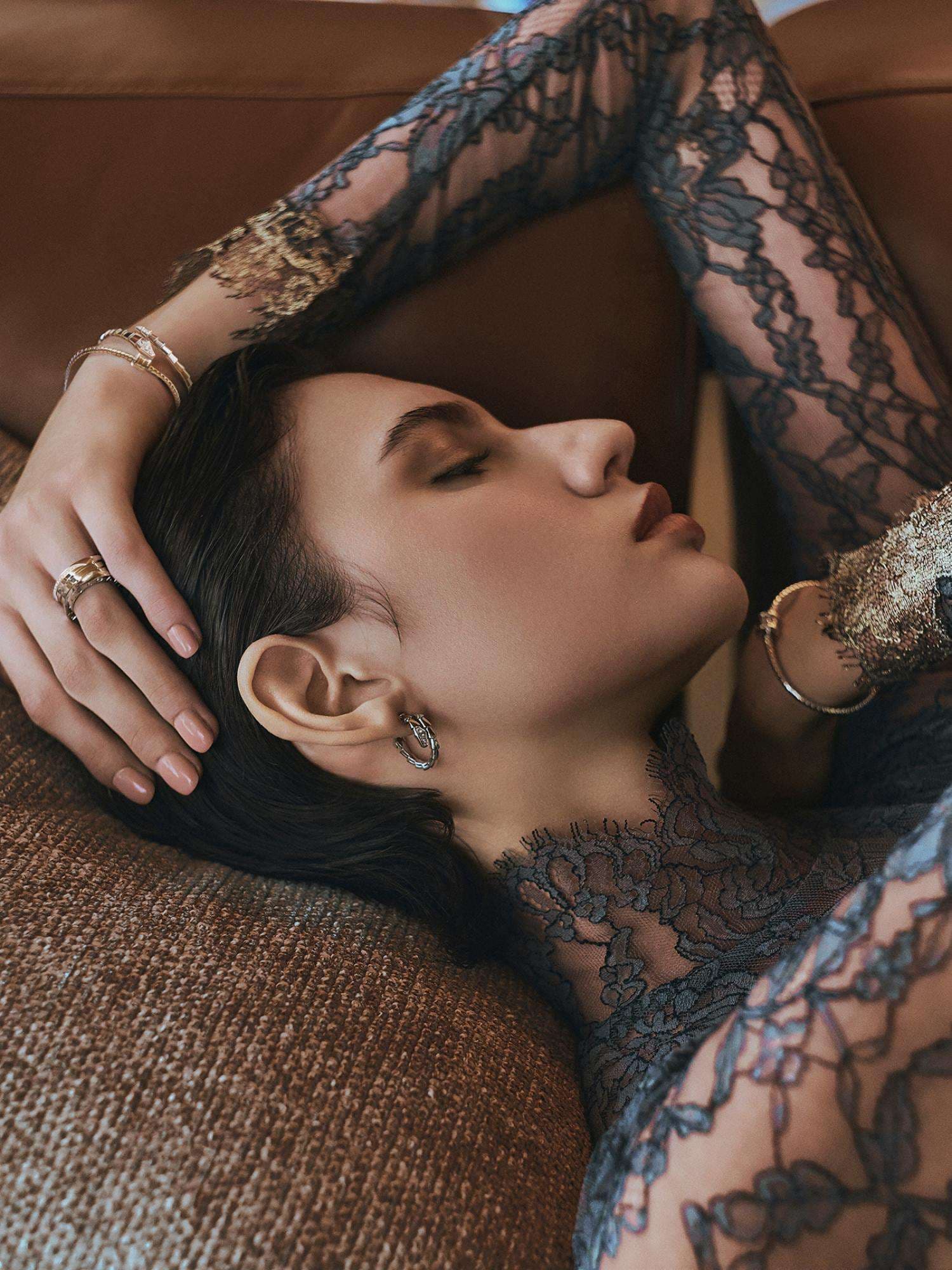
Philippines pearls rival diamonds as Jewelmer spotlights South Sea heritage
Philippine buyers are treating pearls as core luxury, not heritage keepsakes. Jewelmer’s gold, diamond and South Sea pearl formula shows why clean Western design codes are winning.

The market has already chosen its pearl language
Philippine buyers now rank pearl jewelry just behind diamonds, and that single shift explains a great deal about where the category is headed. The winning pieces are not heavily localized statement jewels, but pearl, diamond and gold combinations that look polished, international and immediately legible.
That is why the current pearl moment feels less like a trend and more like a reset. The old expectation was that pearls needed either formal dressing or overt cultural framing to feel relevant. In the Philippines, the market is rewarding the opposite: a streamlined luxury vocabulary where the pearl remains the hero, the diamond adds precision, and the gold gives the piece warmth and status.
Why Jewelmer’s heritage still feels modern
Jewelmer sits at the center of that story because it has always linked the South Sea pearl to both local identity and global luxury. The house was founded in 1979 by a French pearl farmer and a Filipino entrepreneur, and it established its first pearl farm in Palawan the same year. It also worked with Japanese grafters to culture South Sea pearls, a detail that matters because this is a craft built on international expertise as much as regional pride.
Jewelmer describes the South Sea pearl as the National Gem of the Philippines, and that claim has been reinforced on an unusually visible stage. The company said it served as the official Crown Sponsor for Miss Universe 2024, a positioning move that does more than promote a brand. It places the Philippine pearl in the language of global spectacle, where jewelry has to read instantly, photograph beautifully and carry prestige without explanation.
Why the golden South Sea pearl carries such force
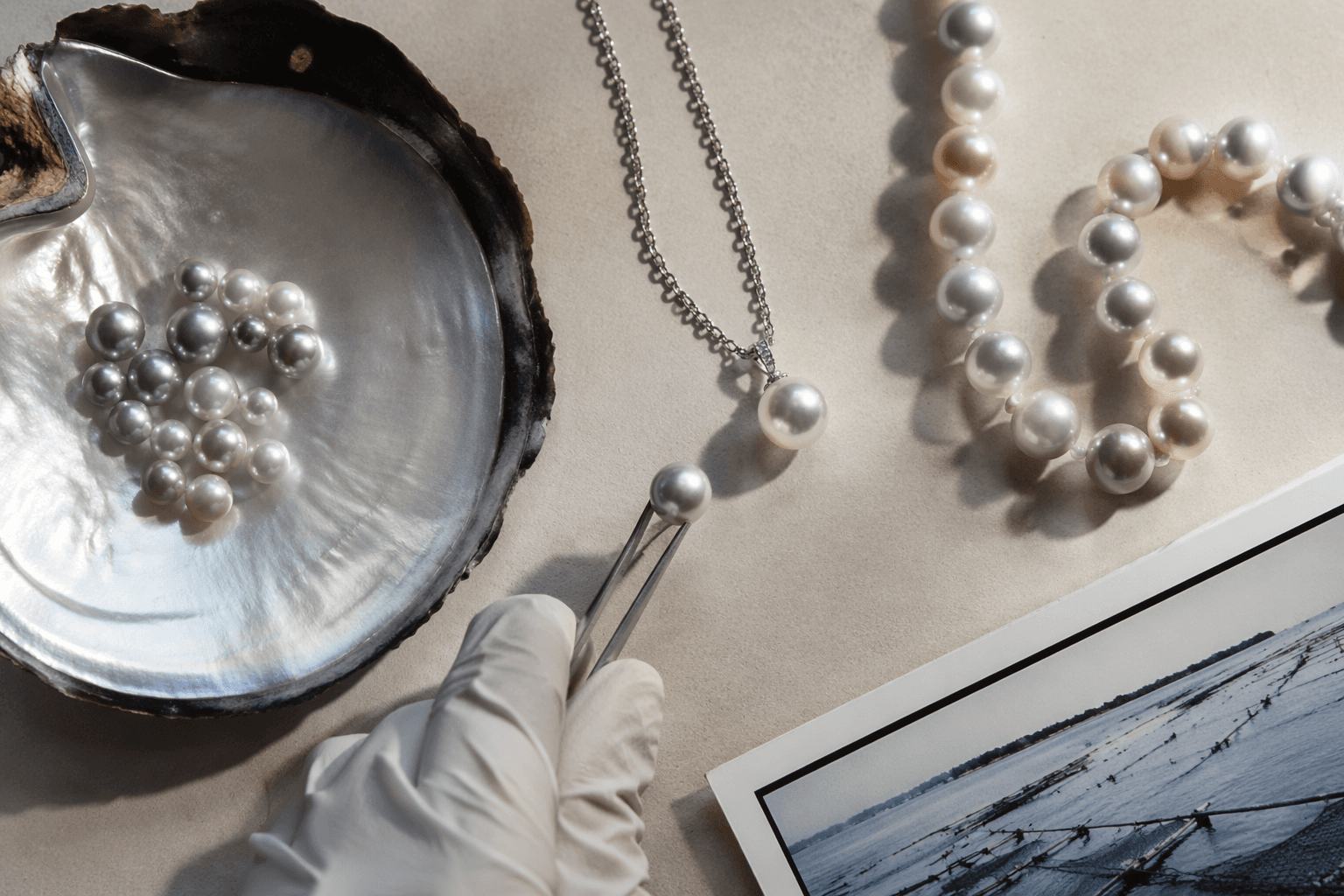
The most compelling Philippine pearl story is not simply about volume. It is about the rare golden South Sea pearl, produced from gold-lipped Pinctada maxima oysters, and about the patience required to bring one to market. Vogue Philippines reported that a golden South Sea pearl in Palawan can take around five years to form, and Solitaire Magazine said the journey from hatchery to harvest can take up to five years.
That long timeline is part of the appeal. Pearls that take years to mature carry a kind of embedded labor that modern luxury consumers increasingly understand, especially when the piece is framed as a natural object shaped by time rather than a fast-fashion accessory. It also explains why the best-selling pearl jewels in this market tend to lean into gold and diamond accents: those materials underscore the pearl’s rarity instead of competing with it.
Solitaire Magazine also said there are 12 pearl farms operating in the Philippines, most of them in the Palawan area. That concentration matters because it shows a domestic pearl ecosystem with real depth, not a token heritage industry. For brands and retailers, it means the Philippine market can speak fluently about provenance, cultivation and quality, which raises the bar for how pearls are presented and priced.
What the trade numbers reveal
The Philippines is not just a consumer market for pearls. It is also a producer with export relevance, and the trade figures make that clear. World Bank WITS records show the Philippines exported $2.746 million in articles of natural or cultured pearls in 2024, while imports totaled $479,210. That balance suggests a country that is both cultivating and consuming pearls, but not relying on foreign supply in the way a large-scale importer would.
The broader jewelry market is also expanding. A 2026 market report estimated the Philippines jewelry market at $7.68 billion in 2025 and projected it to reach $11.81 billion by 2034, with growth supported by e-commerce, changing consumer preferences and rising demand for ethically sourced gems. Pearls fit neatly into that trajectory because they offer provenance, narrative and a sense of natural origin that modern buyers increasingly value.
The product mix that travels best
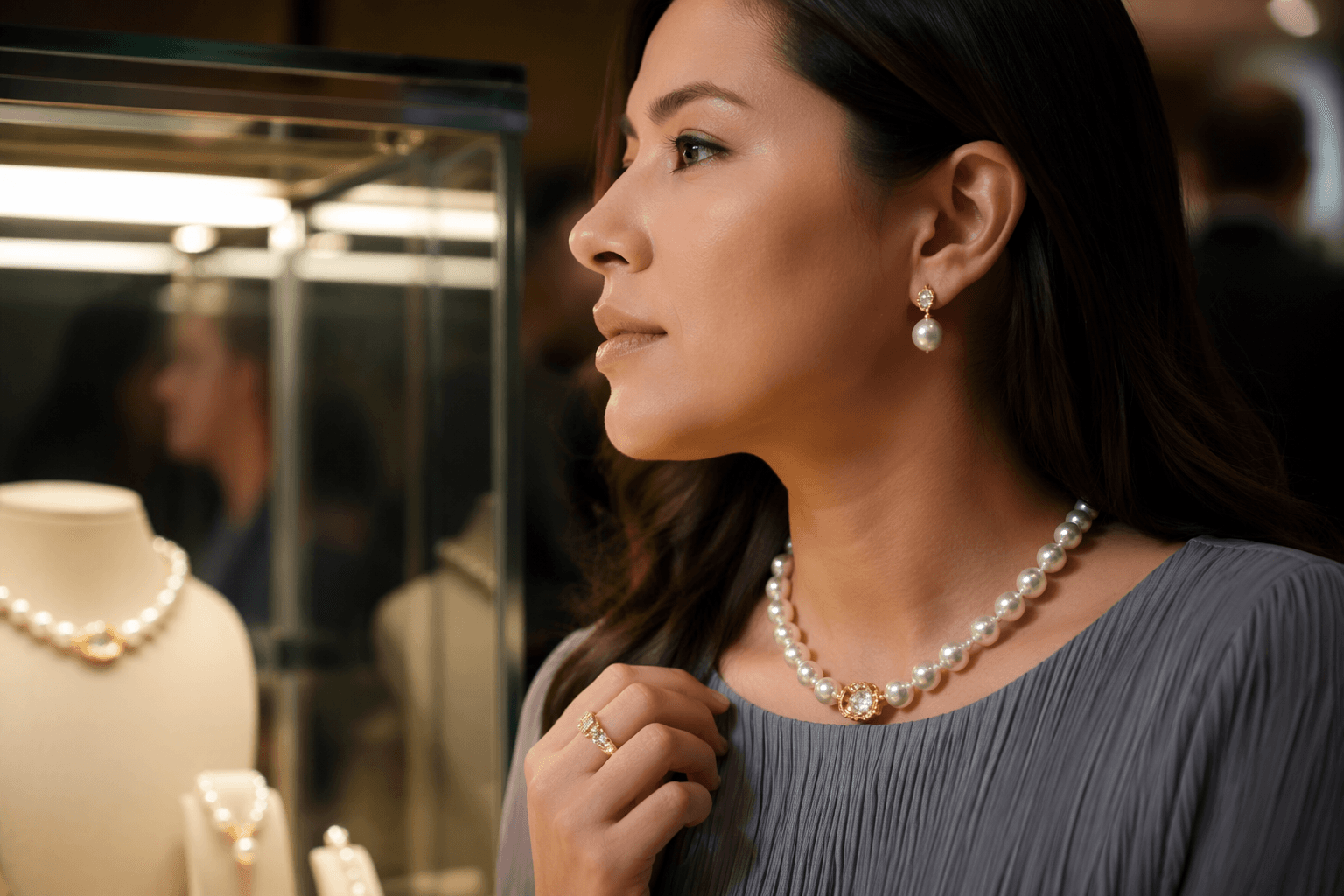
The strongest pearl products in the Philippines are the ones that can move easily between local pride and global taste. Pearl, diamond and gold combinations do exactly that. They read as classic in one setting, contemporary in another, and they do not need heavy cultural markers to feel specific.
In practice, that favors a clean design language:
- Pearl studs or drops framed by small diamonds, rather than oversized ornamental clusters
- Pendant necklaces where the pearl remains visually central and the gold setting stays restrained
- Rings and earrings that use polished gold or a slim bezel for a more modern line
- Pieces that let a golden South Sea pearl glow without crowding it with excessive filigree or local motifs
The reason this formula works is simple: it honors the pearl’s natural drama. A prong setting can add sparkle and lift, but a bezel can give a jewel a quieter, more architectural finish. In a market that wants international polish, the cleaner line often wins because it makes the jewel feel wearable with a business suit, an evening dress or a sharply cut contemporary wardrobe.
What brands, designers and retailers should take from this
For brands, the lesson is that Philippine pearl buyers are not asking for diluted local symbolism. They are responding to a luxury code they already understand: South Sea pearl, diamond detail, precious-metal setting, immaculate finish. The more a jewel looks like a considered piece of design, the more easily it travels.
For designers, that means restraint is an asset. A golden South Sea pearl does not need to be overworked to feel valuable. It needs proportion, a setting that flatters the stone, and enough diamond light to sharpen the silhouette. The best pieces let the pearl carry the story while the metal and stones provide structure.
For retailers, the opportunity is in positioning pearls as current luxury rather than ceremonial inheritance. The market’s Westernized taste is not a rejection of Philippine identity. It is a sign that consumers want jewelry that can move across occasion, wardrobe and geography without losing meaning. In that sense, the Philippines is showing how a pearl category can modernize without abandoning its roots, and why the cleanest, most international design codes are the ones winning now.
This article was produced by Prism’s automated news system from verified source data, official records, and press releases, then run through automated quality and moderation checks before publishing. The system is built and supervised by the people who set the standards it runs under. Read our full AI policy.
Did this article answer your question?