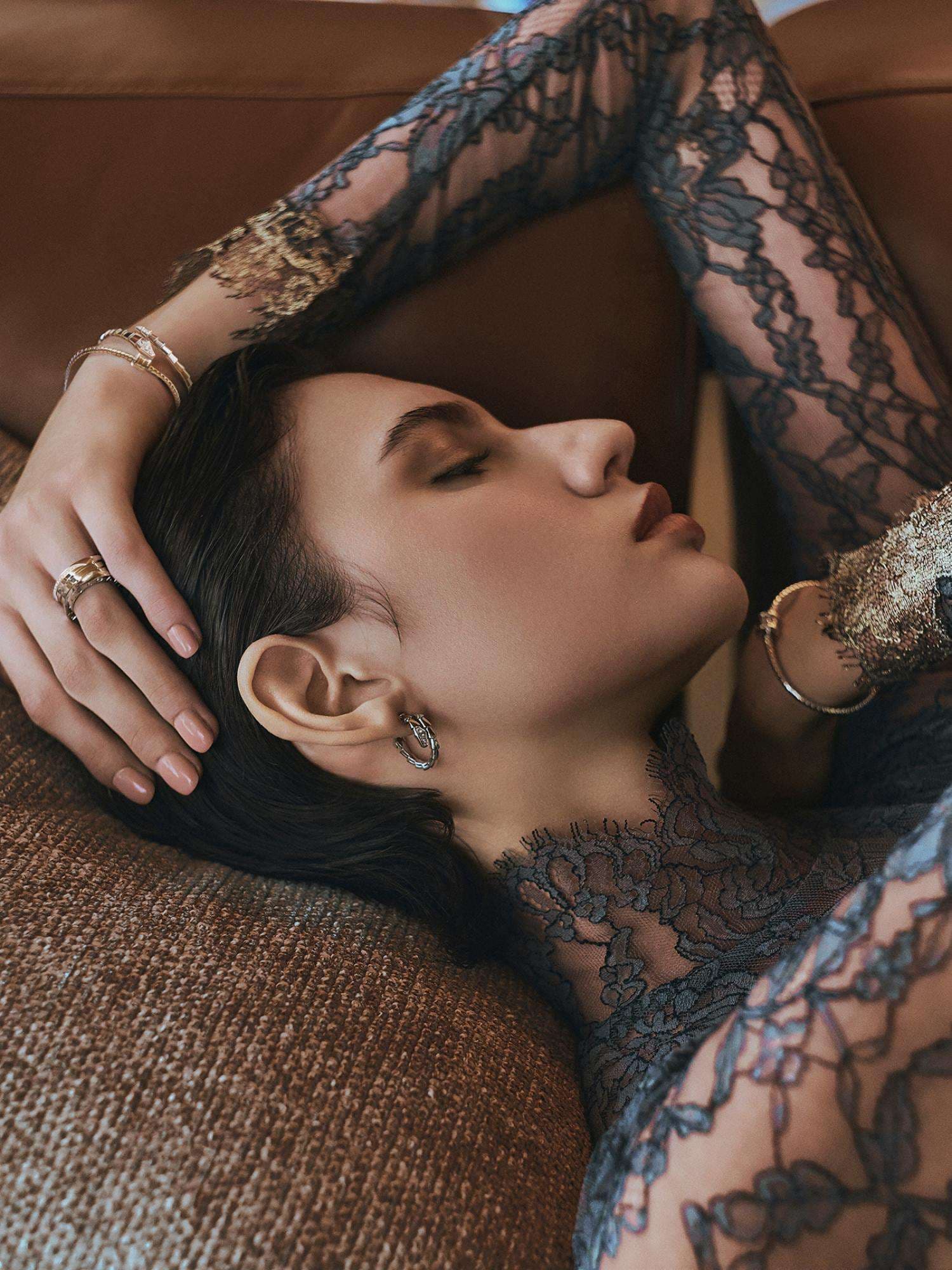
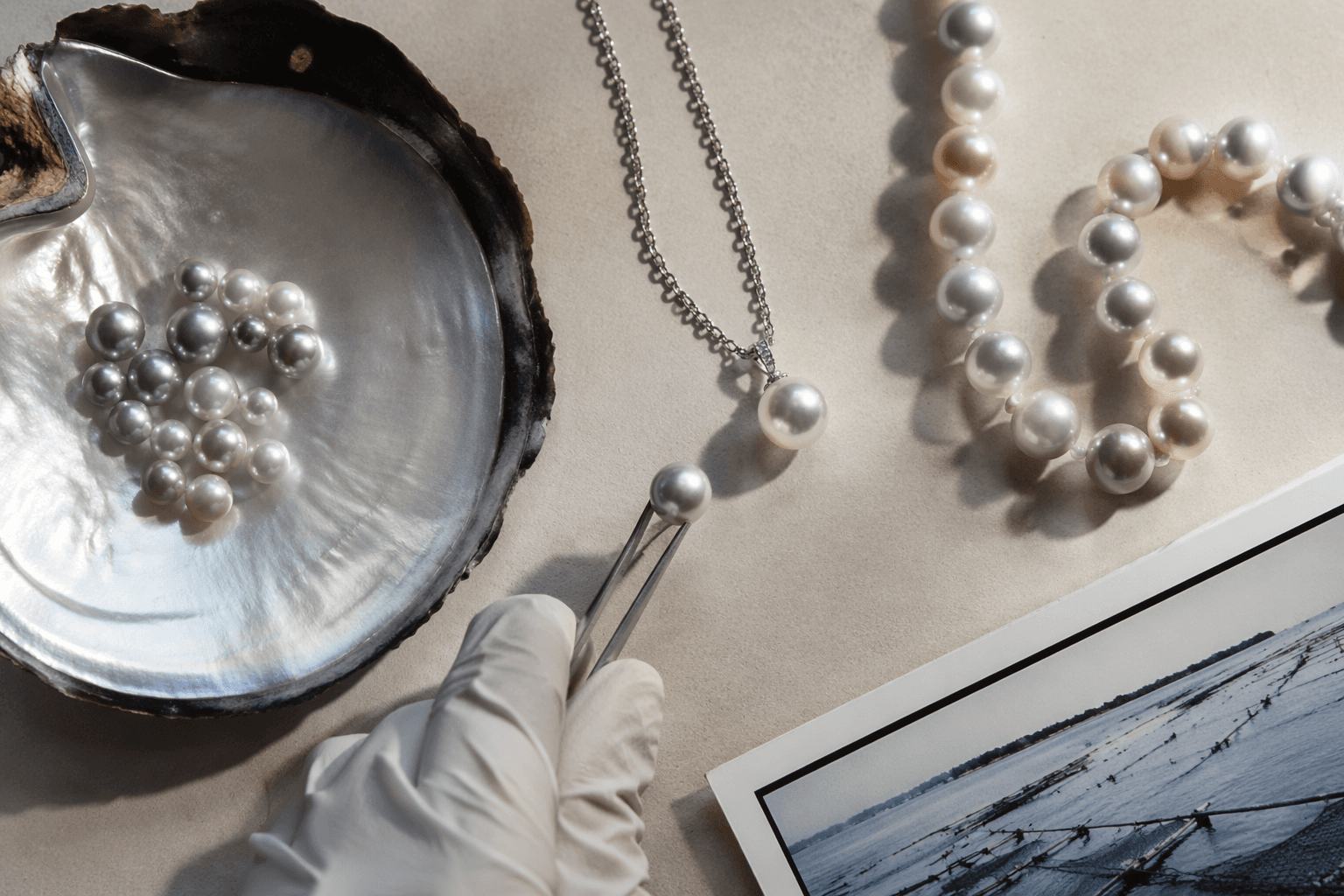
Playful pearls join diamonds in 2026 earrings trend forecast
Pearls are back as statement earrings, not demure keepsakes: think sculptural drops, diamond pairings, and asymmetry that make the classic feel sharply modern.
Pearls go from quiet to directional
Pearls are winning the earring conversation by looking less precious and more architectural. Who What Wear names Playful Pearls as one of the five biggest earrings trends of 2026, and places them beside mix-and-match styles, decadent drops, diamonds, and casual cuffs. The bigger story is not that pearls returned, but that earrings have become the main place where fashion is testing louder, more expressive ideas after a long stretch of quiet-luxury minimalism.
That shift matters because earrings are moving faster than other jewelry categories. Maddy Sangster, founder of Heavenly London, calls 2026 a moment of “reorientation rather than reinvention,” which is exactly why pearls feel current when they are slightly off-center, sculptural, or paired with unexpected materials. Laura Vann of Laura Vann Jewellery says customers want looks that feel impactful but still considered, and she expects a return to curated ear stacks with unique hoops and studs rather than one-note symmetry.
What playful pearls actually look like now
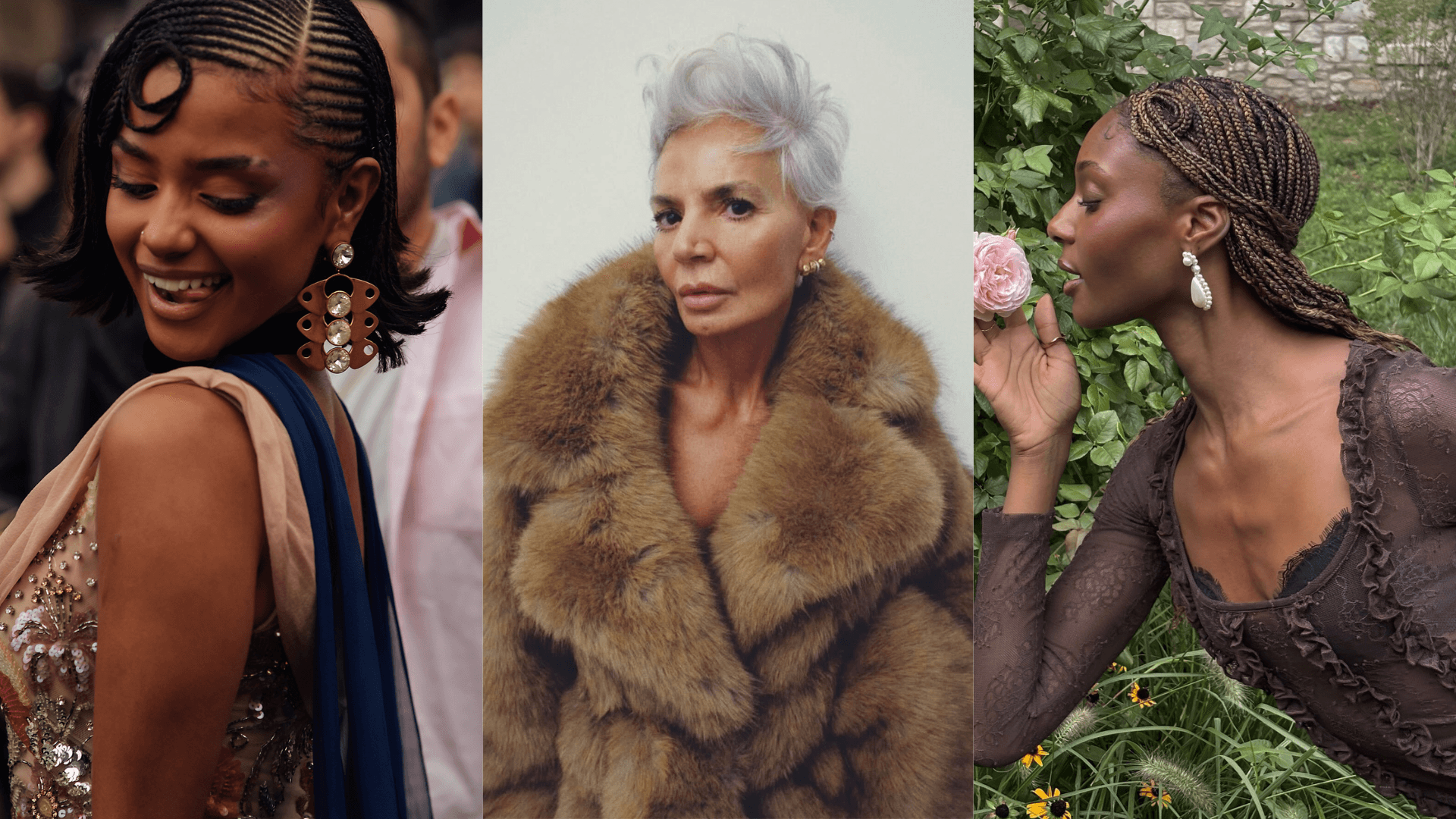
The pearl earrings that feel most alive today are the ones that resist the old uniform formula. Oversized drops, mismatched pairs, chunky silhouettes, and mixed pearl-and-diamond construction all read as part of the new mood, while tiny matched studs alone can feel too polite unless they are used as part of a more layered ear story. The point is not to make pearls louder for the sake of it, but to let them interrupt the expected.
That is why playful pearls work best when there is a visible design decision behind them. A pearl suspended in a sculptural setting, a long drop that moves with the face, or an asymmetric pair with one side carrying more weight than the other all feels more directional than the classic single pearl button. The most current silhouettes treat the pearl as an element inside a design language, not as the entire argument.
The runway has given pearls permission to misbehave
Paris Fashion Week’s spring 2026 presentations backed up the shift with what WWD called “not-your-grandma’s pearls,” a phrase that captures how far the category has moved from tidy formality. The message from the runway was self-expression: pearls were not used to soften looks, but to sharpen them, especially when designers leaned into asymmetry, chunkier proportions, and unexpected placement.

Charlotte Chesnais brought that idea into fine jewelry with a line in 18-karat gold, diamonds, and pearls, a material trio that immediately turns a traditional stone into something more contemporary. Aurélie Bidermann took a similarly assertive route, using freshwater pearls in chunky rings, earrings, and long necklaces. Those choices matter because they show pearls functioning as part of a larger sculptural vocabulary, not as a separate, ladylike category.
Diamonds make the pearl feel sharper
Diamonds are doing more than adding sparkle in this forecast. They give pearls edge, contrast, and a cleaner modern read, which is why mixed pearl-and-diamond earrings are one of the clearest signals that this trend is about design shift rather than nostalgia. When a pearl is set against bright diamonds, the result feels less bridal and more editorial, especially in drop earrings or asymmetric styles.
WWD’s summer jewelry coverage reinforces that direction, describing the season as one of bold, playful, escapist glamour. Dior Fine Jewelry answered with mother-of-pearl in celestial-inspired drop earrings, while Chanel Fine Jewelry reimagined No. 5 through sleek diamond-and-gold earrings. In both cases, pearls and pearl-like materials are not being treated as relics of formality; they are being used to make the earring feel more graphic, more polished, and more fashion-led.
Why this pearl revival feels bigger than one season
Pearls have the history to support a comeback, and that history helps explain why the current version feels credible rather than gimmicky. Mikimoto says Kokichi Mikimoto created the world’s first cultured pearls in 1893, and the brand has spent more than 130 years modernizing the category. The Metropolitan Museum of Art notes that gold-and-pearl earrings called crotalia were worn by Roman women, and that seed pearl jewelry stayed popular in America well into the 20th century.
That long arc makes 2026 feel less like a reinvention than another turn in a recurring cycle, one that keeps favoring pearls whenever taste moves back toward visible craftsmanship and ornament with personality. The market backdrop is large enough to support that shift too: Statista projects worldwide jewelry revenue at $408.64 billion in 2026, with a 5.10% CAGR from 2026 to 2031. The pearl earring that feels most current now is the one that behaves like sculpture, not costume, and that is exactly why diamonds, asymmetry, and size are changing the category from classic to directional.
This article was produced by Prism’s automated news system from verified source data, official records, and press releases, then run through automated quality and moderation checks before publishing. The system is built and supervised by the people who set the standards it runs under. Read our full AI policy.
Did this article answer your question?