SixStoreys tests 15 pearl necklaces, from Akoya to budget strands
SixStoreys' 15-necklace test shows Akoya still sets the polish standard, but well-made freshwater strands may offer the best balance of look, wear and value.
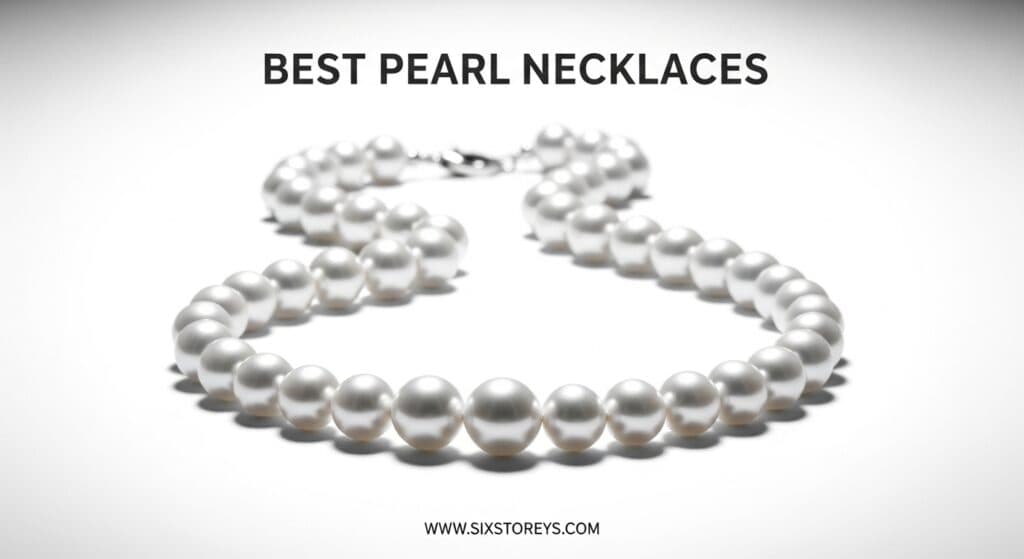
Pearl necklaces are no longer a sentimental buy made on instinct alone. With demand still broad and prices ranging from imitation strands to cultured classics, the smartest shoppers are reading the strand as carefully as they read the stones.
Why pearl necklaces feel newly strategic
The appeal is not just nostalgia. Pearl jewelry sits inside a market that Allied Market Research valued at $12.8 billion in 2021 and expects to grow to $42 billion by 2031, which helps explain why buyers are paying closer attention to authenticity, construction and long-term wear. That scale turns a necklace into more than a finishing touch: it becomes a purchase where the details either protect value or quietly erode it.
What the SixStoreys test measured
SixStoreys tested 15 pearl necklaces and looked beyond the obvious shine. The review weighed luster, construction quality, clasp durability and real customer feedback drawn from thousands of reviews, then sorted the field across genuine Akoya sets, freshwater strands and budget-friendly styles. That mix matters because the same word, pearl, can cover everything from a formal strand built for a wedding to an inexpensive piece that only looks right under ideal light.
Akoya sets still define the classic look
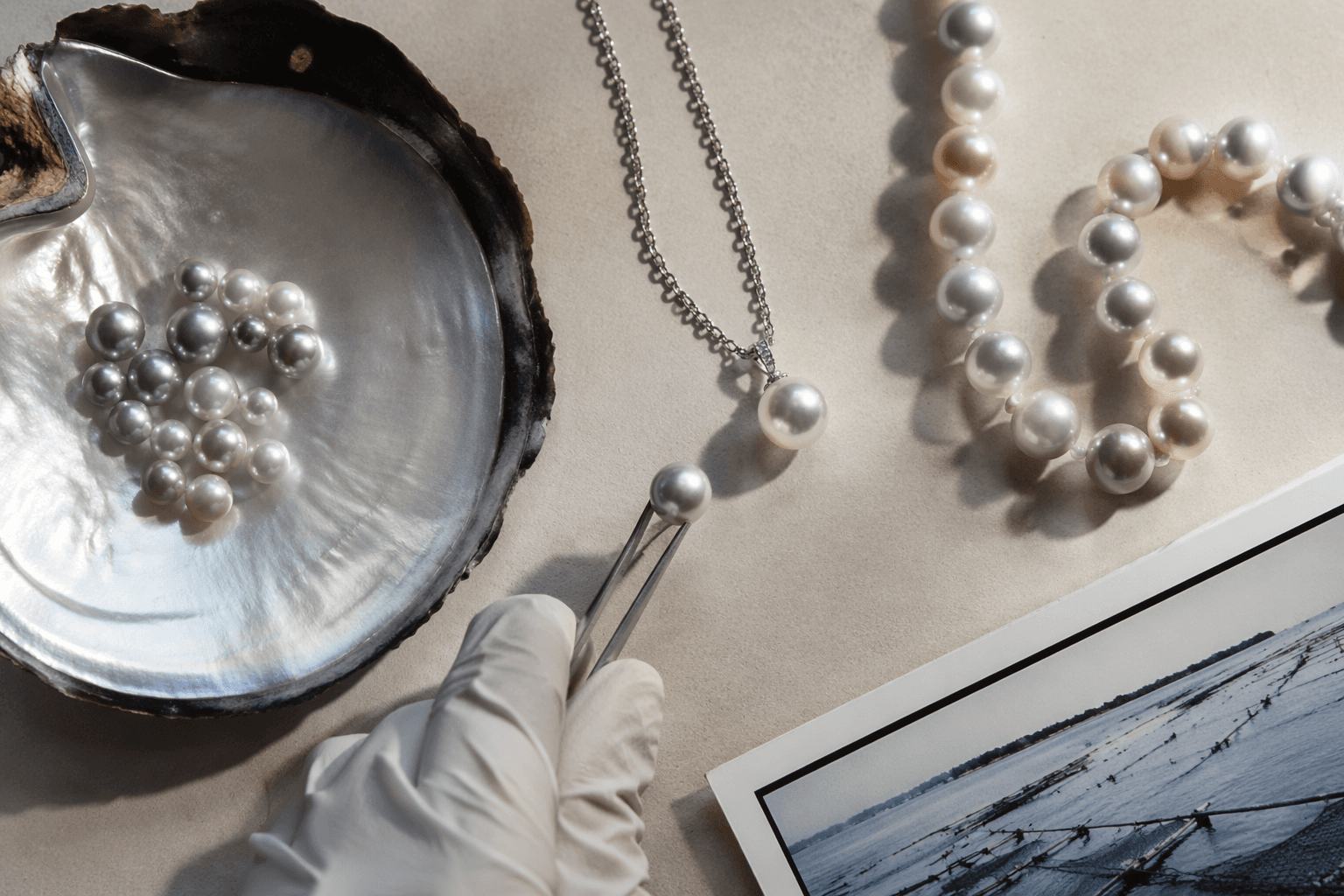
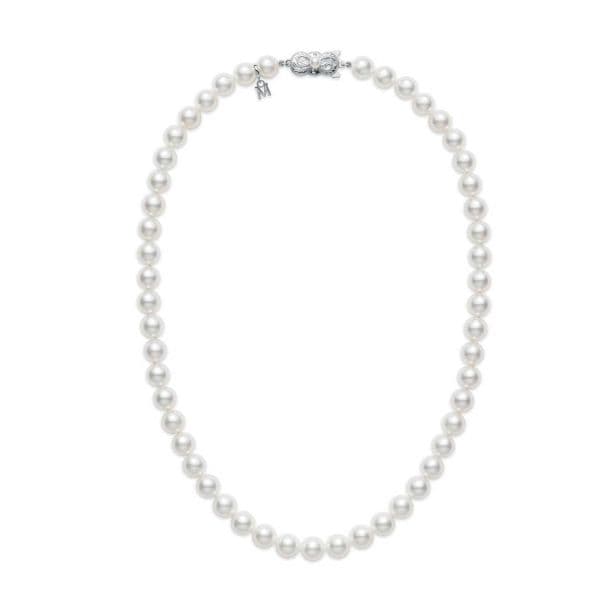
Akoya remains the reference point for the pearl necklace most shoppers picture first. GIA describes Akoya pearls as usually round, white or cream, often with a pink overtone and high luster, and typically under 9 mm, which gives them that crisp, mirror-bright finish associated with classic dress pearls. If the goal is the sharpest, most traditional white strand, Akoya still owns the category.
Freshwater strands bring flexibility
Freshwater pearls often make the strongest argument for everyday use because they stretch the look without always demanding Akoya pricing. They can deliver a softer, more contemporary feel, and in a market where many shoppers want one necklace that can move from work to dinner to a formal invitation, that flexibility is valuable. The best freshwater strands can look polished without feeling precious, which is exactly why they matter in a value-conscious year.
Budget styles are only as good as their build
Budget-friendly styles are where buyers need the most discipline. Lower price does not automatically mean poor value, but it does mean the construction, clasp and strand layout have to work harder to justify the buy. A necklace that seems convincing in a product photo can disappoint once it twists, gaps or loses the clean line that makes pearls look elegant in the first place.
Luster is the first filter
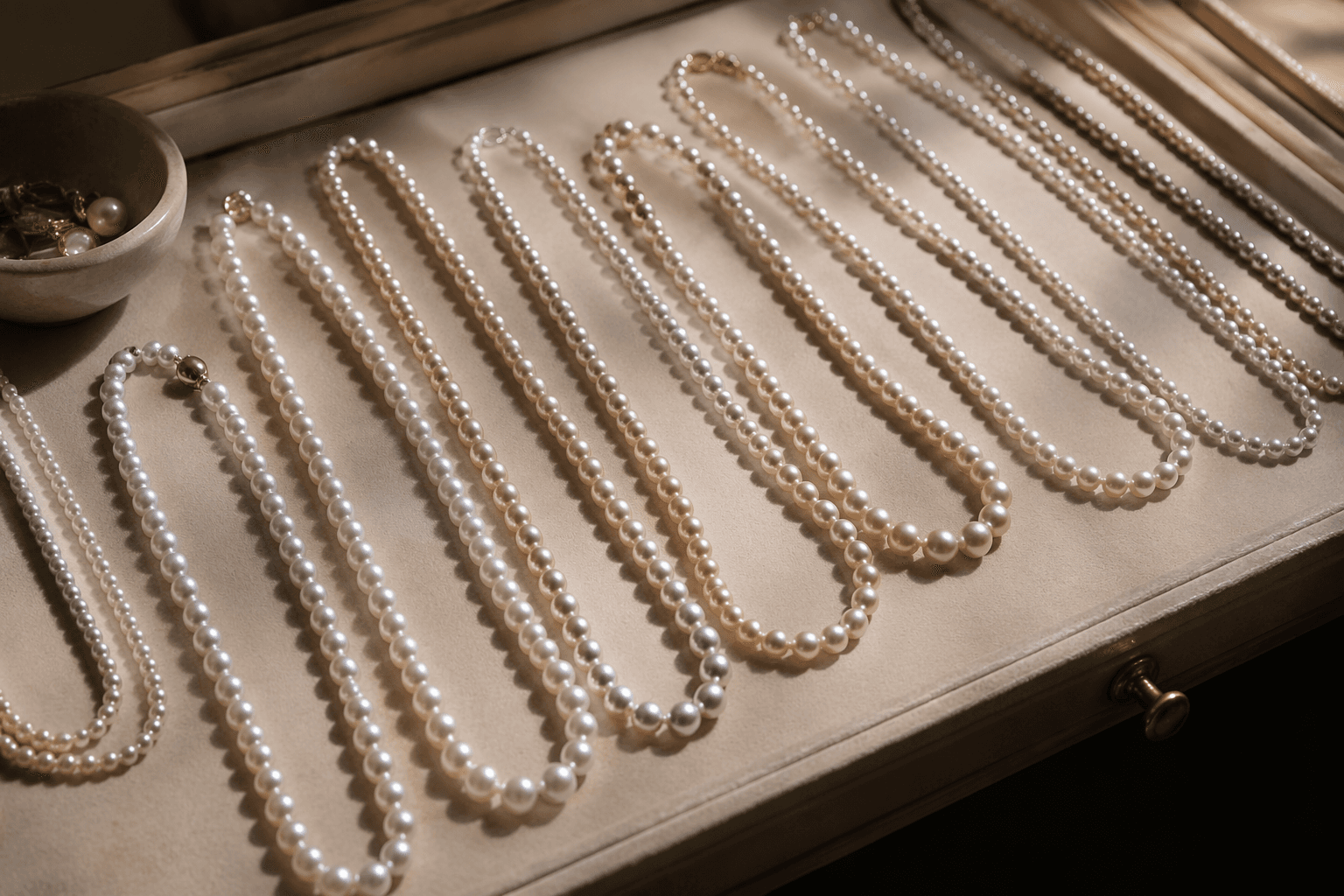
Luster is the quickest way to separate a persuasive strand from a tired one. GIA includes luster among the seven core pearl value factors, and for good reason: the surface sheen controls how lively the necklace appears in real light. High luster gives pearls that wet, reflected glow, while duller strands can read flat even when the shape and color are respectable.
Construction quality is the hidden test
A pearl necklace is only as good as the way it is put together. Stringing, spacing and consistency across the strand determine whether the piece drapes neatly at the collarbone or sags after a few wears. In a category that often gets sold on romance, construction is the practical detail that decides whether the necklace stays beautiful after the box is gone.
Clasp durability decides daily wear
The clasp can make or break a necklace you intend to wear often. If it is flimsy, awkward or prone to loosening, the rest of the strand becomes a liability no matter how attractive the pearls are. For necklaces meant for regular rotation, clasp durability is not a minor hardware note, it is part of the security and longevity of the piece.
Customer feedback catches real-world wear
Thousands of customer reviews can reveal what studio images never will. They show whether a necklace tangles, whether the clasp irritates, whether the sheen holds up and whether the strand actually sits well under shirts, dresses or bridal necklines. That kind of feedback is especially useful in the online pearl market, where the eye can be fooled but wear patterns rarely lie.
The GIA value factors set the benchmark
GIA’s pearl classification system, the GIA 7 Pearl Value Factors, gives shoppers a cleaner way to judge what they are paying for. The system looks at size, shape, color, luster, surface, nacre and matching, which means a good necklace is a combination of visual harmony and material quality rather than just the prettiest front-facing pearl. That framework is useful because it explains why two strands that look similar at a glance can sit in very different value tiers.
Nacre thickness is about longevity, not just shine
Nacre quality is where durability starts to show itself. GIA notes that nacre thickness and continuity affect a pearl’s durability, so the coating around the nucleus is not just a technical detail, it is the armor that helps the strand age well. Thin or uneven nacre may look fine at first, but it is less reassuring for anyone buying a necklace to keep and wear often.
Mikimoto changed what pearls could be
The modern pearl market exists because Kokichi Mikimoto changed the rules. He began experimenting around 1890 in Ago Bay, Japan, produced cultured pearls in 1893 and round cultured pearls in 1905, turning pearls from an extreme rarity into a repeatable luxury category. That shift matters today because it explains why shoppers can compare natural-looking pearl necklaces across such a wide range of prices and still expect legitimate craftsmanship.
A growing market raises the stakes
Pearls are not a niche afterthought. When a category is projected to grow from $12.8 billion in 2021 to $42 billion by 2031, the pressure rises on sellers to prove quality and on buyers to read beyond marketing language. In a market that large, vague claims are not enough, and the strands that hold value are the ones that can defend their materials and construction.
Where everyday wear and weddings diverge
For everyday wear, the best necklace is usually the one that balances look with resilience: secure clasp, strong construction and pearls that can handle repeated use. For weddings and special occasions, the classic shape and high luster of Akoya can justify the extra spend because the visual payoff is immediate and the styling needs are more exacting. The test’s real lesson is that occasion matters as much as price.
The smartest 2026 pearl buy
The smartest buy is not the loudest one. If you want the purest classic sheen, Akoya remains the benchmark; if you want the broadest balance of beauty and wearability, a well-made freshwater strand often gives the best mix of look, longevity and value; and if you are tempted by budget styles, the clasp, nacre and customer feedback have to clear a much higher bar. In a pearl market that is still expanding, the winners are the necklaces that earn trust from the back of the strand as much as from the front.
This article was produced by Prism’s automated news system from verified source data, official records, and press releases, then run through automated quality and moderation checks before publishing. The system is built and supervised by the people who set the standards it runs under. Read our full AI policy.
Did this article answer your question?