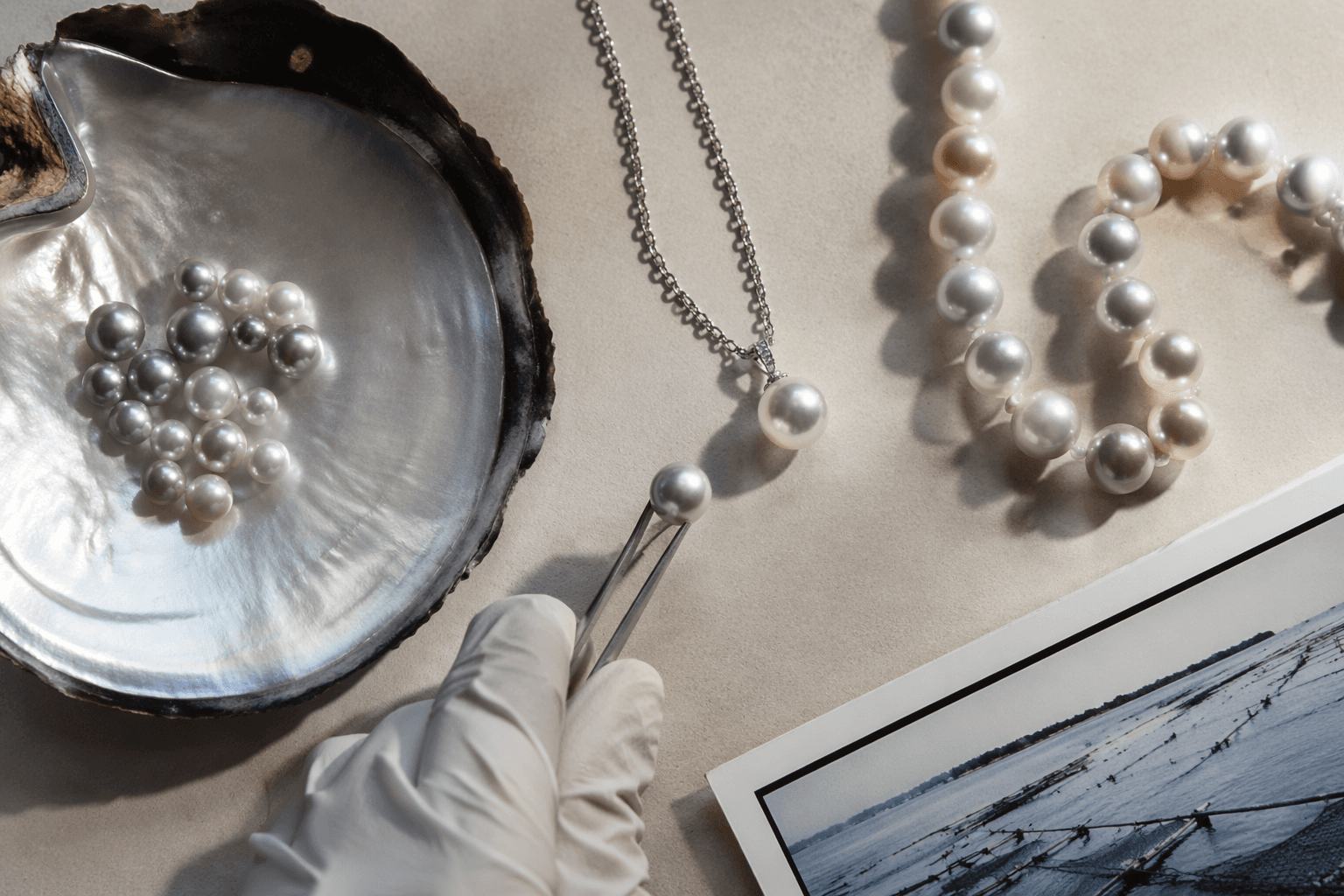
Sotheby’s New York sale spotlights Tiffany pearl jewels and antiques
Sotheby’s pearl sale shows why top buyers still chase origin, maker, and provenance, from Tiffany cultured strands to rare natural pearl antiques.
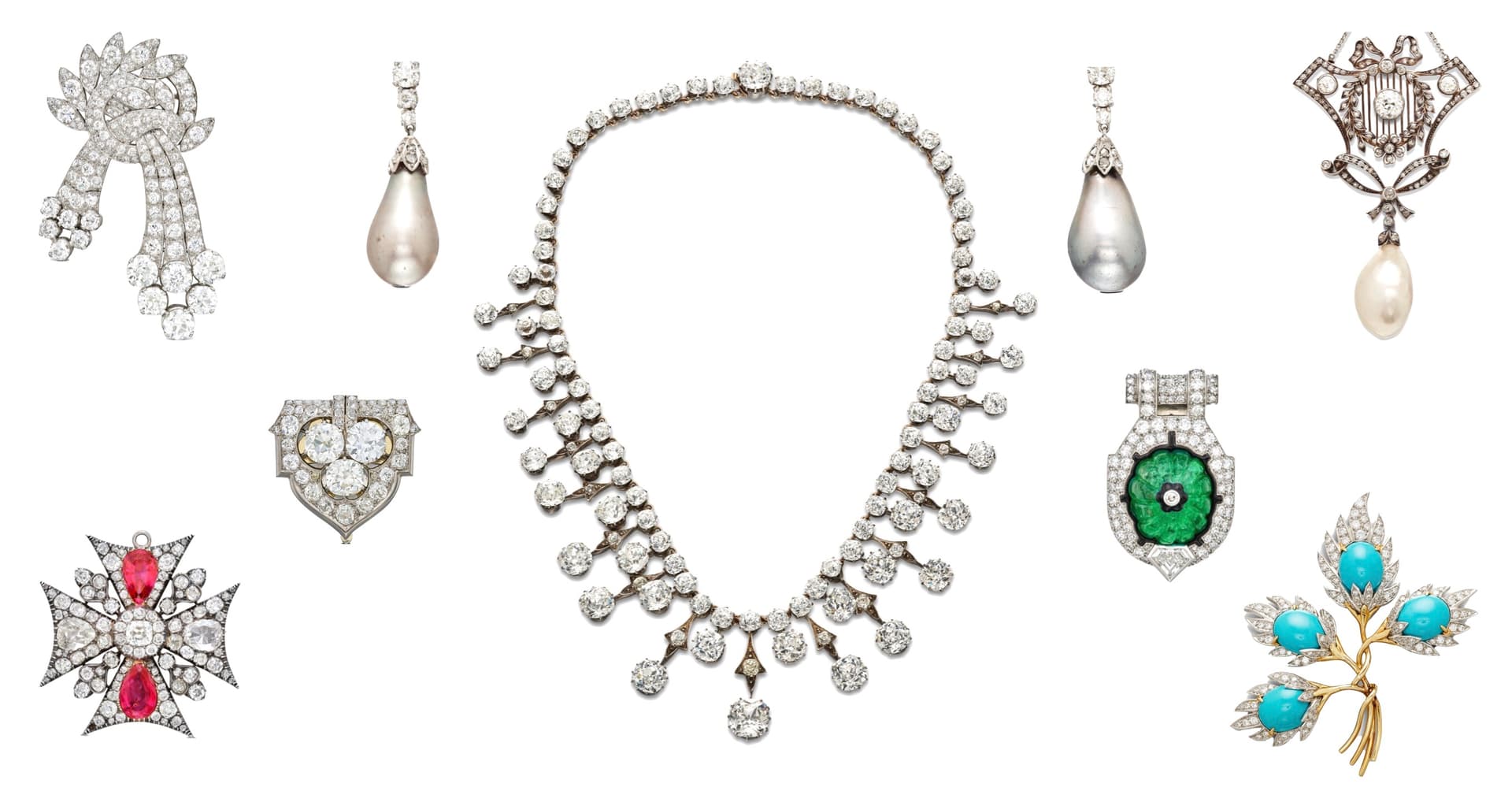
At Sotheby’s New York Fine Jewelry sale, pearls are doing more than softening a room of antique jewels: they are carrying the market’s hardest questions about rarity, proof, and prestige. A Tiffany & Co. cultured pearl necklace, Schlumberger earclips, and an attributed-to-Koch natural pearl pendant show how auction houses separate decorative beauty from true collector value, by weighing origin, matching, maker, and provenance. With 296 lots in play, the pearl pieces read like a compact lesson in what makes a jewel worthy of the auction block.
What the sale signals about the pearl market
The Fine Jewelry sale runs in New York from June 4 through June 18, 2026, with lots closing independently on June 18 at 10:00 a.m. EDT. Sotheby’s is exhibiting the sale at 945 Madison Avenue, New York, NY 10021 from June 11 through June 15, and the catalogue lists 296 results, which puts the pearl jewels in a broad, highly competitive field rather than a niche corner. That matters, because pearls are not being presented here as a side note. They are one of the clearest ways to understand what the top end of the market rewards.
Auction houses are spotlighting pearls now because the best examples combine visible elegance with hard-to-forge credentials. Sotheby’s has said natural pearls remain extraordinary because they are formed entirely by nature, and that matching natural pearls of fine quality and size is rare and exceptional. That combination, natural origin plus matching and scale, is exactly what collectors pay for when a pearl jewel moves from attractive to auction-worthy.
Recent results show how strong that appetite can be. Sotheby’s said a Tiffany & Co. Natural Pearl and Diamond Necklace sold for $672,000 in December 2024, with 73 natural saltwater pearls and a marquise-shaped diamond clasp, making it the most expensive Tiffany necklace Sotheby’s has sold at auction since 2024. Another Tiffany & Co. Natural Pearl and Diamond Necklace brought $300,000 in June 2024. Those figures are not just headline numbers. They show that authenticated natural-pearl Tiffany pieces sit in a category where rarity, brand, and documented history can push prices into trophy territory.
Why the Tiffany cultured pieces matter
The Tiffany & Co. cultured pearl and diamond necklace in this sale is composed of 35 round dark gray cultured pearls, measuring approximately 13.3 to 11.0 mm, and it is mounted in 18 karat gold. At approximately 18 inches long, it has the classic proportions of a necklace designed to sit cleanly at the collarbone, while the diamond-set clasp gives the strand a finished, jewel-box polish. The value here is not only the name on the tag. It is the discipline of the layout, the size of the pearls, the evenness of the line, and the restraint of the setting.
That distinction matters because cultured pearls occupy a different tier of desirability than natural pearls, even when both are beautifully made. The Tiffany necklace is a study in how strong design and materials can elevate cultured pearls well beyond the ordinary. Dark gray pearls are especially effective in that role because the color reads modern and slightly formal at once, while the 18 karat gold mount anchors the piece in the language of fine jewelry rather than costume flourishes.
The Schlumberger for Tiffany & Co. cultured pearl and diamond earclips push that idea into a more sculptural register. They are set with round cultured pearls and round diamonds in a stylized floral design, with the largest cultured pearls measuring approximately 11.0 and 10.9 mm. Signed Tiffany & Co., Schlumberger, and mounted in 18 karat gold and platinum, they bring together a recognizable designer hand and a serious materials palette. In auction terms, the signature matters, but so does the balance between whimsy and precision. Schlumberger’s floral forms are collectible because they look designed, not merely assembled.
Why the Koch pendant has antique gravity
The attributed-to-Koch natural pearl and diamond pendant belongs to another world entirely. Described as circa 1900 and mounted in platinum, it measures approximately 73 x 44 mm and unfolds as a garland design, with a central old pear-shaped diamond drop surrounded by old brilliant-, single- and rose-cut diamonds arranged in wreath, Greek Key, and fluttering ribbon motifs. Seed pearls are worked into the composition, and the pendant hangs from a fine trace-link chain. It is a dense, intricate jewel, the sort that rewards close looking because every surface has been considered.
Its provenance gives it still more weight. Sotheby’s traces the piece to a purchase from Christie’s Geneva’s Masterworks of Art Nouveau Jewellery sale on May 15, 1986, lot 456. The catalogue note identifies Koch as founded in 1879 by Robert Koch and Louis Koch, and as a preferred jeweler of Germany’s High Nobility during the Belle Époque. That kind of history does not merely add romance. It helps place the jewel within a network of makers, patrons, and tastes that collectors can verify. In a market crowded with beautiful things, that proof is part of the beauty.
How to read a pearl piece like a collector
The most auction-worthy pearl jewels tend to answer five questions clearly: where did the pearls come from, how well do they match, how strong is the luster, who made the piece, and what documented history supports it? Origin is the first divide, because natural pearls and cultured pearls sit in different value universes. Matching matters next, especially in strands, where size, shape, and color consistency can turn a group of pearls into a coherent design.
Luster is the visual force that keeps a pearl alive on the skin. In fine jewelry, it is the glow that stops a strand from looking flat, and it becomes especially important when pearls are paired with diamonds or set in platinum and gold, where the metal should support the pearl rather than fight it. Maker and provenance complete the picture. A Tiffany signature, a Schlumberger design, or a Koch attribution gives the piece an identity; a recorded sale history, especially one tied to a notable Geneva auction, gives it a paper trail that serious buyers expect.
That is why Sotheby’s pearl lots matter beyond the sale room. They show that the best pearl jewelry is judged not by softness alone, but by rigor: measured pearls, identifiable makers, period-true settings, and histories that can be traced. In the end, the strongest pearl pieces do what the best jewels always do, they combine visible grace with evidence that survives scrutiny.
This article was produced by Prism’s automated news system from verified source data, official records, and press releases, then run through automated quality and moderation checks before publishing. The system is built and supervised by the people who set the standards it runs under. Read our full AI policy.
Did this article answer your question?