Swarovski and Ariana Grande spotlight crystal pearl pieces in fantasy capsule
Ariana Grande’s Swarovski capsule turned crystal pearls into fantasy jewelry, pushing pearl styling toward playful, lower-commitment pieces with real market pull.
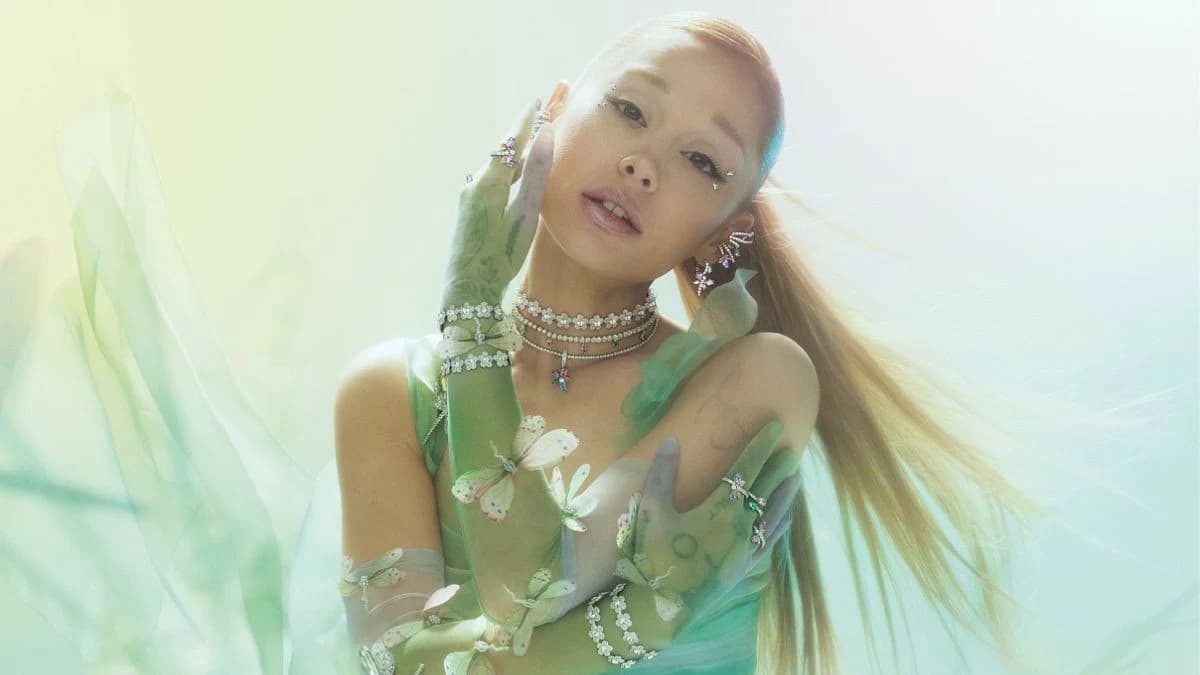
Ariana Grande’s latest Swarovski capsule made a sharp argument for pearls as styling, not solemnity. In a fantasy-garden setting built with Giovanna Engelbert, the crystal-pearl pieces sat beside pastel stones, dragonflies, flowers and butterflies, turning pearls into part of a larger mood rather than a stand-alone heirloom statement.
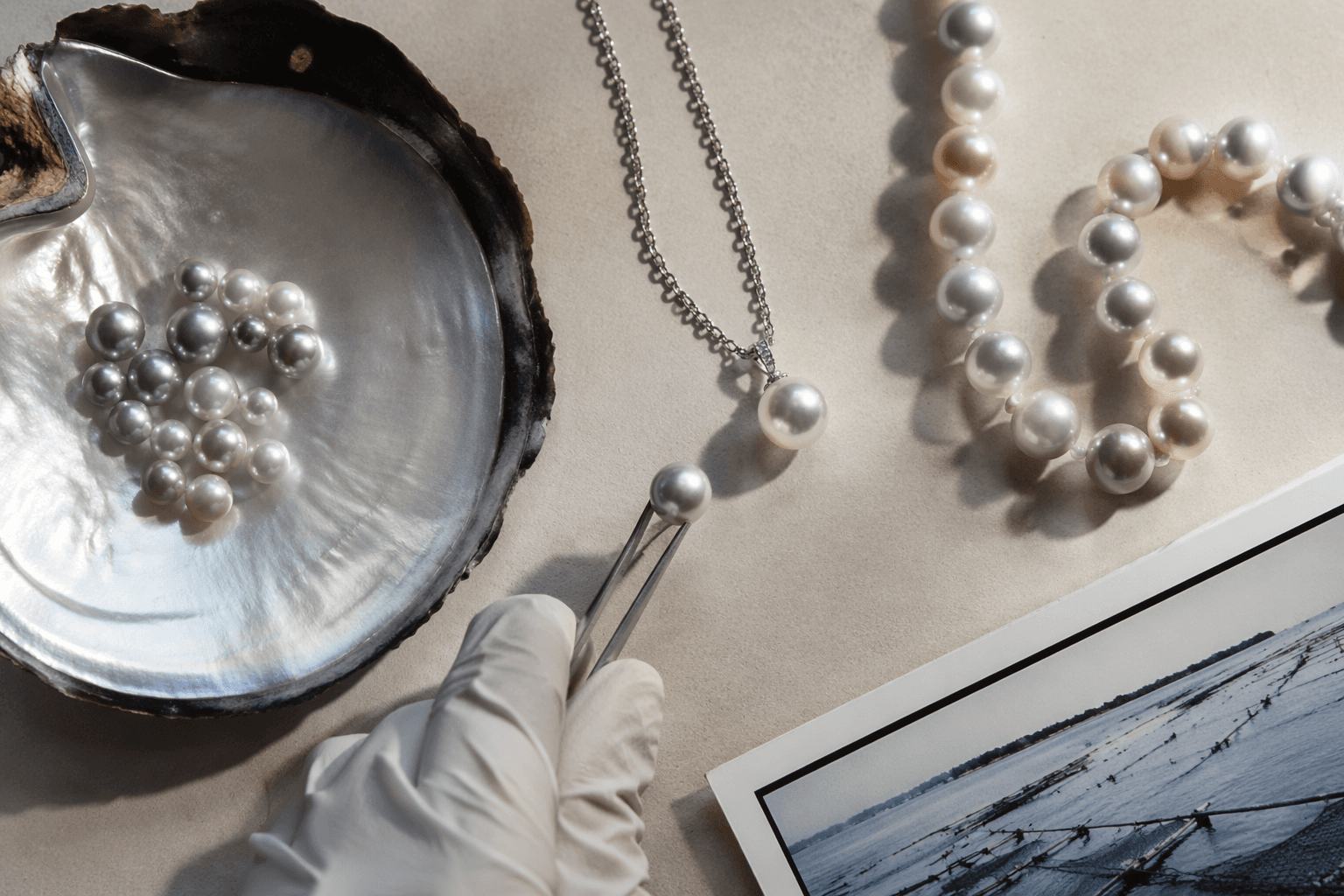
The collection, Swarovski’s second creative collaboration with Grande, launched globally on March 17, 2026 and included 29 pieces, even as Swarovski’s retail pages listed 46 products across some regional sites and channels. Crystal pearl appeared in stud earrings, a choker, a pendant, a pendant-and-brooch, and a brooch-and-hair accessory. That range matters: it shows how pearl language is being broadened beyond classic strands into easy-to-layer, fashion-first forms that read as collectible accessories rather than formal jewelry.

Pricing keeps the capsule firmly in accessible luxury. Swarovski listed the crystal pearl stud earrings at $139, the choker at $299 and the pendant and brooch at $380 in the U.S. market. Those figures sit far below the cost of high-quality fine pearl necklaces or matched pearl suites, which makes the line less a substitute for real pearls than a gateway into their visual grammar. The appeal is immediate: luminous, feminine, and low-commitment, with enough sparkle to work with denim, dressy separates or eveningwear.

That formula is a meaningful shift from the first Ariana Grande x Swarovski capsule, which launched in January 2025 as a 16-piece collection inspired by music and self-expression. The earlier line leaned into Old Hollywood references, musical notes, hearts and crystal pearls; the 2026 version moved deeper into fantasy, with Swarovski describing the campaign as “Ariana’s Garden” and Engelbert calling it an expressive evolution of the partnership. Shot by Mert and Marcus, the campaign reinforced that theatrical world-building, giving the pearl pieces a softer, more whimsical role.

For real-pearl brands, the lesson is clear. Younger buyers are responding to pearls when they feel mixable, youthful and slightly surreal, not locked in ceremony. That may widen demand for pearls overall, but only if fine-jewelry houses meet the moment with designs that preserve pearl credibility while borrowing the capsule’s lightness, color play and sense of personal fantasy.
This article was produced by Prism’s automated news system from verified source data, official records, and press releases, then run through automated quality and moderation checks before publishing. The system is built and supervised by the people who set the standards it runs under. Read our full AI policy.
Did this article answer your question?