Van Cleef & Arpels polar bear watch spotlights mother-of-pearl, baroque pearls
A polar bear watch shows how baroque pearls and mother-of-pearl are softening animal motifs into sculptural, more organic pearl design.
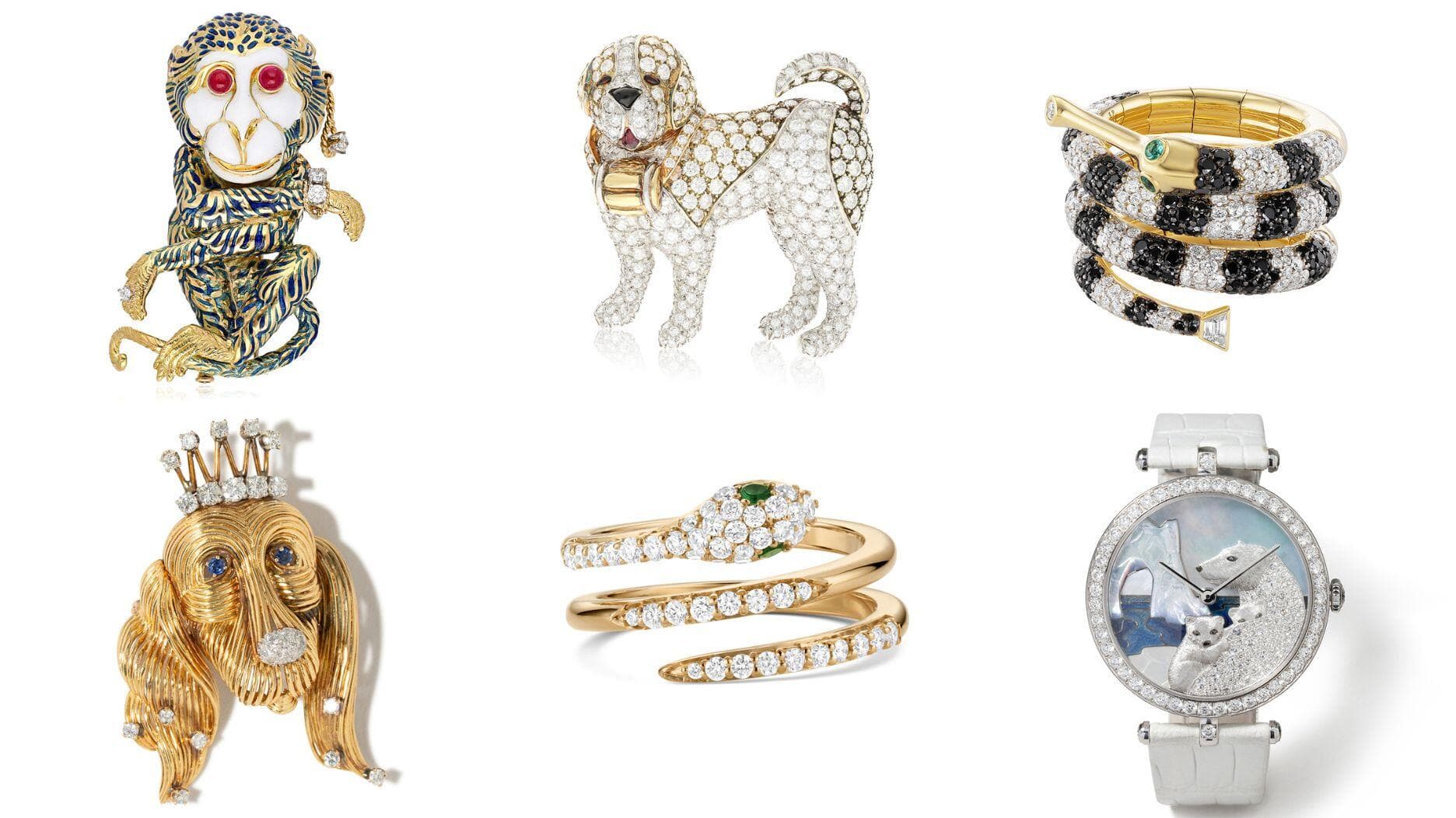
Baroque pearls are pushing pearl jewelry away from strict symmetry and into something far more alive: surfaces that look carved by water, not a machine. That shift is easy to see in a Van Cleef & Arpels polar bear watch, where carved mother-of-pearl and diamonds turn an animal motif into a small piece of wearable sculpture.
Pearls are becoming less formal, more expressive
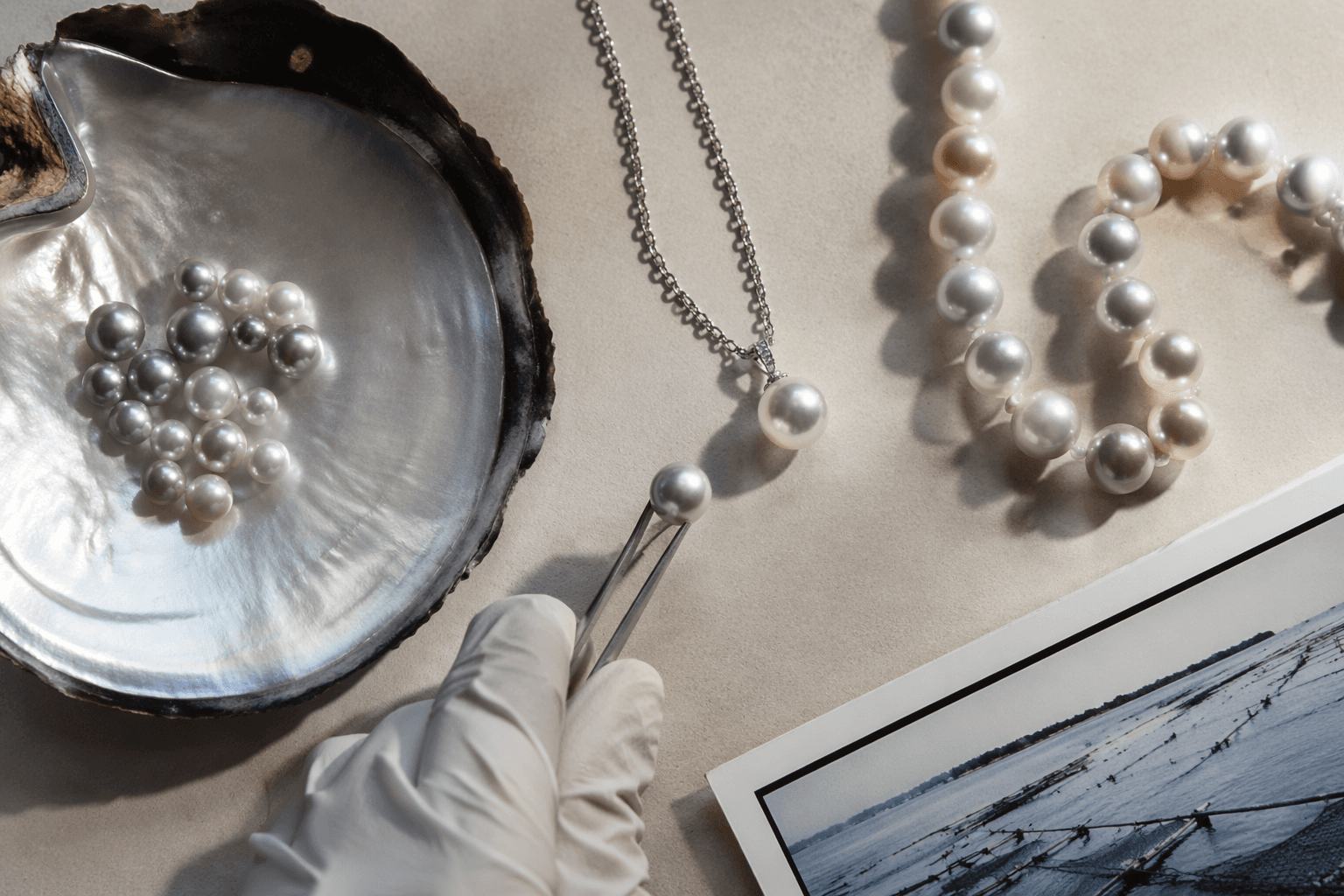
The strongest pearl story right now is not the classic strand, but the move toward irregularity. Baroque pearls, with their asymmetry and organic contours, give pearl jewelry a softer, more contemporary mood, and they do it without losing the material’s innate sense of luxury. That matters because pearls have long been coded as polished and proper; in this new mood, they feel closer to nature, texture and movement.
That is why animal motifs make such a convincing partner for pearls. When a bear, butterfly or blossom is built around baroque shapes and mother-of-pearl, the result feels less decorative and more atmospheric. The pearl is no longer simply a finishing touch. It becomes the design language itself.
Why Van Cleef & Arpels is such a telling example
Van Cleef & Arpels gives this idea unusual credibility because the maison has spent generations making mother-of-pearl part of its identity. The brand says the material has illuminated its creations since its founding in 1906, and identifies it as especially prominent in the Alhambra, Deux Papillons and Rose de Noël collections. In other words, this is not a novelty for the house. It is a long-running visual signature.
The polar bear watch brings that language into high relief. Crafted in platinum and 18-karat white gold with carved mother-of-pearl and diamonds, it uses the gemstone’s sheen to suggest snow, fur and winter light without becoming literal. The effect is elegant but not rigid, which is exactly why pearls feel newly relevant here: they can carry whimsy without tipping into sweetness.
The animal motif feels more organic when pearls are irregular
What makes the polar bear watch more interesting than a simple novelty piece is the way its materials change the character of the animal. A perfectly round pearl would reinforce formality. Baroque pearl sensibility, by contrast, introduces tension, softness and unpredictability, which helps animal motifs read as sculptural rather than cartoonish.
That distinction matters across pearl jewelry more broadly. The current appetite for irregular shapes is part of a larger swing away from the old uniform strand and toward pieces that look gathered, found or shaped by natural forces. Baroque pearls do not try to hide their unevenness. They celebrate it, and that is exactly why they feel so of the moment.
Mother-of-pearl gives the trend its most refined finish
Mother-of-pearl is doing quiet but important work in this story. On the Van Cleef watch, carved mother-of-pearl gives the polar bear its luminous body and wintery depth, while diamonds sharpen the outline and keep the piece from drifting into softness. That combination is classic high jewelry craft: a luminous organic material disciplined by precise setting and clean geometry.
The maison’s broader history with mother-of-pearl also suggests why the material reads as more than a seasonal flourish. In Alhambra, Deux Papillons and Rose de Noël, it has long stood in for light, petals and wings. On the polar bear watch, it becomes snow and fur, which is a clever expansion of the same idea: pearl and shell material are now being used to create mood, not just shine.
A useful precedent from the archive
There is also precedent for this kind of nature-driven watchmaking. A related Van Cleef & Arpels Polar Landscape wristwatch from the Les Voyages Extraordinaires line appeared in auction records as a limited edition of 22 pieces. Described as circa 2012, it was made of white gold, diamond and mother-of-pearl, which places the current polar bear watch inside a clear maison lineage rather than a one-off theme.
That history matters because it shows how enduring this aesthetic can be when it is built from the right materials. The appeal is not just the subject matter, whether polar bear or landscape. It is the way mother-of-pearl and diamonds create a layered surface that feels alive under changing light. That is the kind of craftsmanship collectors remember.
Why Las Vegas was the right stage for the story
The timing and setting reinforce the trend signal. JCK Las Vegas 2025 ran from June 6 to 9 at The Venetian Expo and Resort, while Couture 2025 took place from June 4 to 8 at Wynn Las Vegas. Trade coverage consistently treats Las Vegas Jewelry Week as a global epicenter for retailers, buyers and manufacturers, which makes it a useful barometer for what jewelry brands want to push next.
Those shows do more than display product. They reveal which ideas are gaining traction across the trade, and pearl language was clearly part of that conversation. With trend coverage in 2025 pointing to baroque pearls as an increasingly important shape, the Van Cleef polar bear watch feels less like an isolated high-jewelry whim and more like evidence that pearls are moving into a softer, more sculptural phase.
The pearl takeaway to watch next season
The clearest takeaway is that pearls are broadening their role. They are moving from classic refinement into whimsical, nature-driven statement pieces, and baroque forms are central to that shift. When animal motifs are built from carved mother-of-pearl and irregular pearl logic, they stop feeling formal and start feeling expressive, almost geological.
Van Cleef & Arpels makes the case elegantly. The polar bear watch does not abandon the maison’s heritage, it extends it, proving that mother-of-pearl can still feel fresh when it is given texture, movement and a little frost. If next season follows this direction, pearls will not simply return. They will look newly alive.
This article was produced by Prism’s automated news system from verified source data, official records, and press releases, then run through automated quality and moderation checks before publishing. The system is built and supervised by the people who set the standards it runs under. Read our full AI policy.
Did this article answer your question?