Brooklyn gem cutters keep U.S. custom jewelry craftsmanship alive
Brooklyn’s young gem cutters are widening what custom jewelry can say, turning color, cut, and origin into personal language. Their craft matters most in a market that imports nearly all its stones.
The hidden hand behind personal jewelry
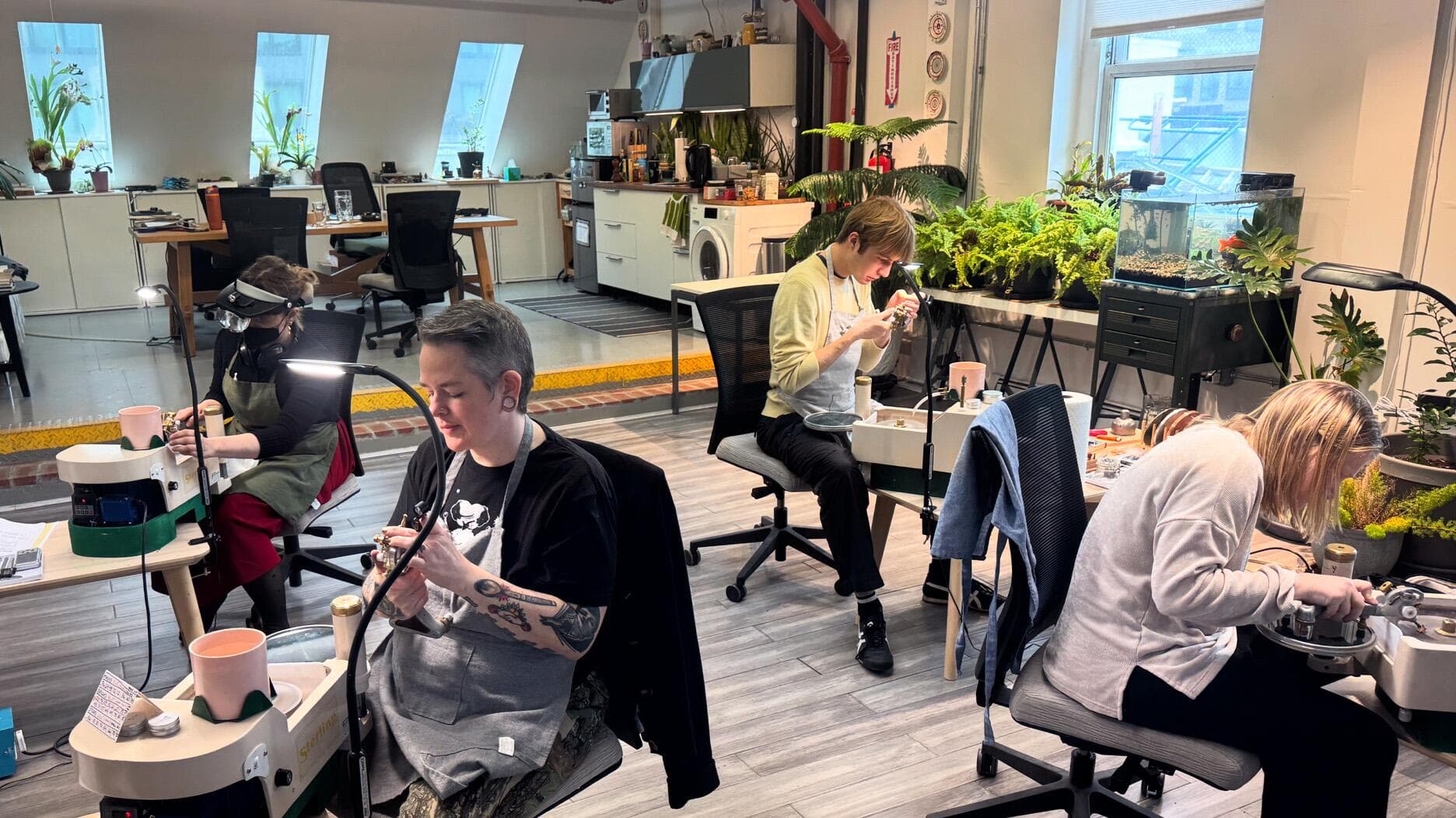
A custom ring or pendant may begin with a name, a date, or a birthstone, but the piece does not become memorable until the stone itself carries the story. In Brooklyn, a group of Faceting Apprentice students is helping keep that idea alive, sharpening the skills that let personalized jewelry move beyond initials and into color symbolism, provenance, and shape.
Faceting Apprentice was founded in 2019 by lapidarists Justin K. Prim and Victoria Raynaud, and its students work in a part of the jewelry world that is easy to overlook because it happens before the setting, before the polish, before the finished photograph. Yet this is where a custom piece gains its character. The right cut can make a stone feel vivid, modern, and singular, which is exactly what matters when a buyer wants a jewel that reads like a private sentence rather than a mass-produced accessory.
Why cut quality changes the meaning of a stone
Colored gemstones are not simply selected for hue and handed to a bench jeweler. Their cut affects how light moves through the material, how color concentrates or softens, and how much life the stone shows once it is set. The Gemological Institute of America has been clear that cut quality is a major factor in colored-gemstone value, and that cutters make tradeoffs that shape brilliance and appearance.
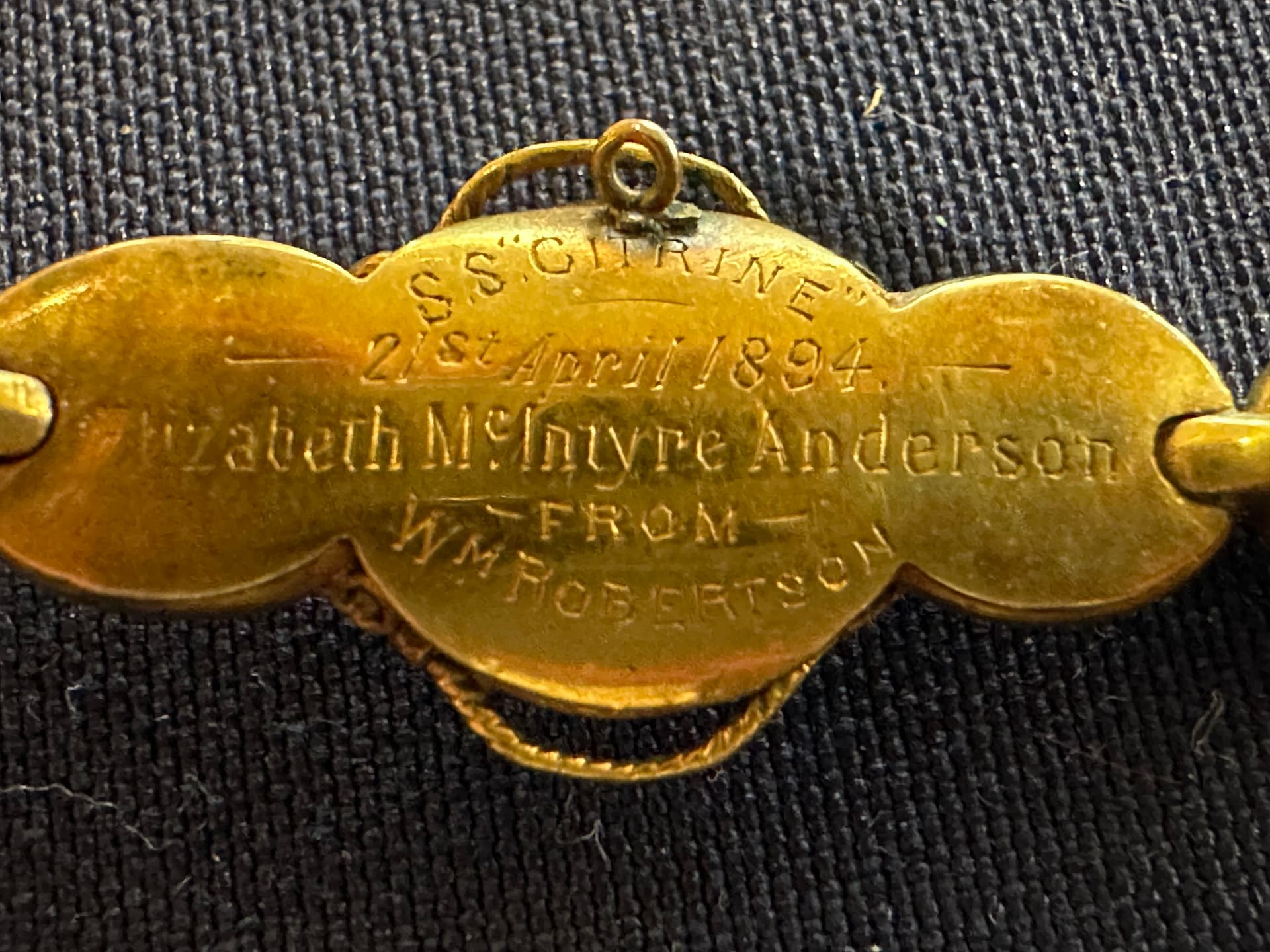
That matters in personalized jewelry because design often starts with emotion, not gemology. Someone may want a ring that recalls a child’s eyes, a pendant that marks a place, or a stone that reflects a family story without spelling it out in letters. A cutter working with intention can help translate that brief into a faceted stone whose shape, proportions, and finish feel as considered as the inscription on the back.
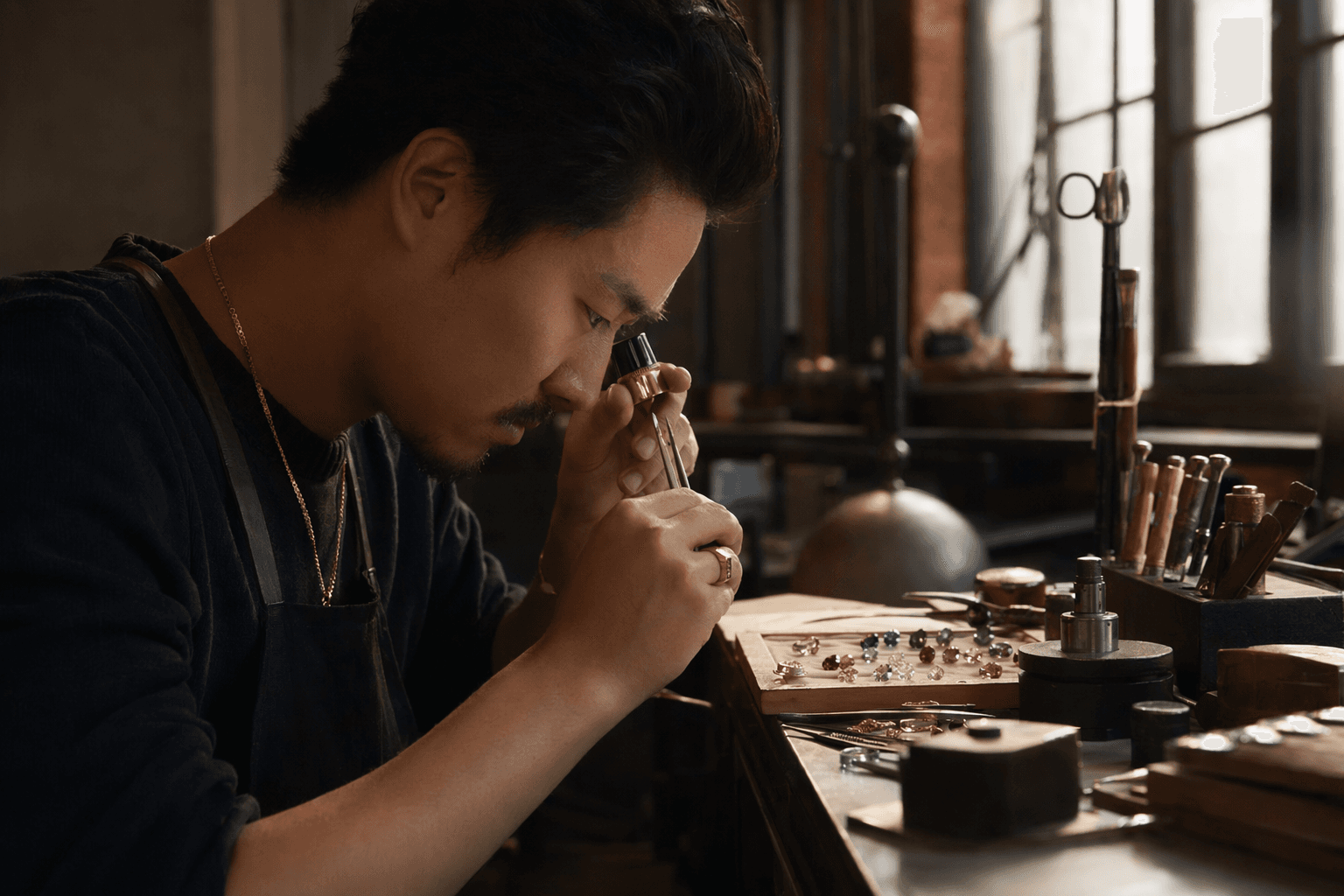
The difference is not academic. A stone with a cleaner finish and better light return can look richer in a bezel, crisper in prongs, and more distinctive in a one-of-a-kind mounting. In custom work, the cutter and the setter are partners in the same act of storytelling, and the young American lapidarists emerging in Brooklyn are expanding the vocabulary available to both.
A small domestic industry with outsized importance
The broader U.S. backdrop makes that skill even more consequential. The United States accounts for less than 1% of total global gemstone production, yet it is the world’s largest consumer of gemstones. Imports supply virtually all domestic gemstone requirements, which means much of the nation’s jewelry creativity depends on stones that arrive from elsewhere before they are transformed here.
The United States International Trade Commission describes gemstone cutting in the U.S. as generally divided between lapidary work for colored gemstones and diamond cutting. It also notes that, despite limited domestic mining resources, the country remains a major global trading center for gemstones. That combination creates a paradox at the heart of American custom jewelry: the market is deeply dependent on foreign supply, but the most meaningful part of the piece often happens on American soil, in the hands of cutters, setters, and designers who know how to make a stone feel personal.
For readers who commission jewelry, this is why domestic cutting talent matters. It is not only about supporting local craft. It is about preserving the possibility of a truly tailored piece, one where the stone can be chosen for a particular mood, a particular memory, or a particular design line rather than for convenience alone.
What younger cutters are expanding for custom clients
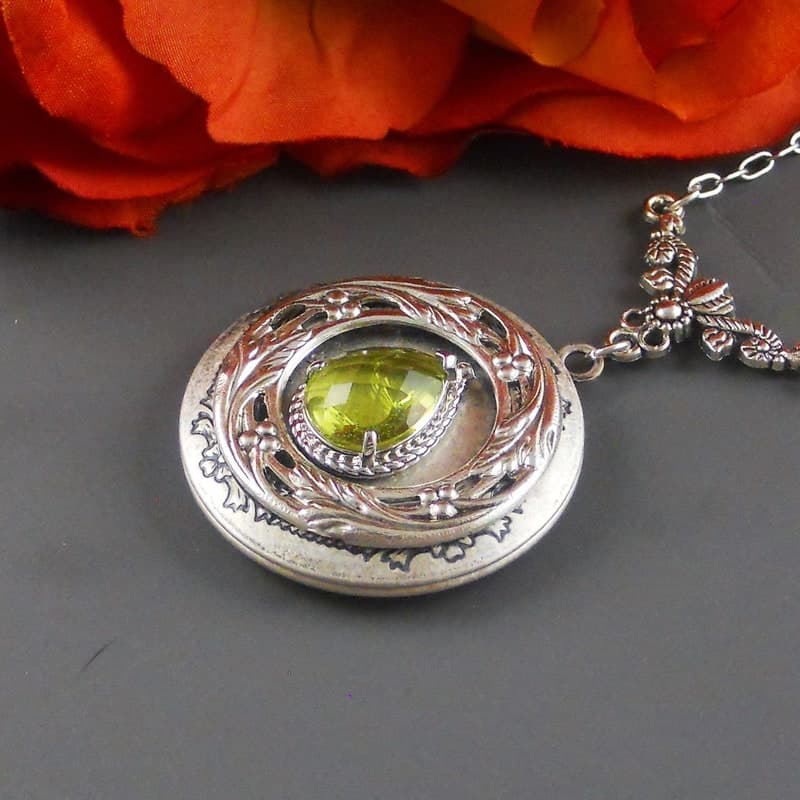
The Brooklyn students represent a shift in how custom jewelry can be imagined. Instead of treating the gemstone as a finished commodity, they approach it as a design ingredient with room for interpretation. That opens the door to more nuanced personalization: a sapphire chosen for a specific saturation, a tourmaline cut to emphasize a directional flash of color, or an unusual shape that gives a ring the feeling of a one-off object rather than a catalog selection.
- the choice of an uncommon stone family instead of a standard diamond center
- a cut that favors color depth over maximum size
- a shape that echoes a family emblem, a favorite architectural line, or a meaningful place
- a stone sourced and finished with traceability in mind, so the story is as important as the sparkle
For jewelers and clients, that matters because personalization is no longer limited to obvious markers. It can live in:
These choices depend on lapidary literacy. A young cutter who understands how a gem behaves in the rough can preserve more of what makes it special, and that restraint often produces the most distinctive results. In custom jewelry, the best stone is not always the largest or the flashiest. Sometimes it is the one that seems to have been waiting for a particular person.
Tariffs, traceability, and the pressure on the trade
The stakes rose further in 2025, when the American Gem Trade Association warned that tariffs on loose colored gemstones posed a major threat to the U.S. industry. AGTA said loose colored gemstones had historically entered the country duty-free, and it said its leadership was meeting with members of Congress and Trump administration officials in Washington, D.C., in May 2025 to oppose the tariffs.
AGTA’s then CEO John W. Ford, Sr., and board president Bruce Bridges were part of that effort, underscoring how seriously the trade viewed the issue. The warning matters well beyond import economics. Tariffs can ripple through the custom-jewelry supply chain, making it harder for designers, retailers, and clients to access the colored stones that make personalized pieces feel distinctive.
For a category built on individuality, that is a real constraint. A custom ring depends on the right stone as much as on the right sketch, and when sourcing gets more difficult, the palette narrows. That is precisely why domestic cutters, and the students learning beside them, have become so important. They are not replacing the global market. They are giving American jewelry a more resilient center of gravity.
Why this craft now feels essential
Brooklyn’s young gem cutters are doing something larger than preserving a niche skill. They are helping define what personalized jewelry can be in the United States at a moment when the country consumes far more gemstones than it produces, depends on imports for nearly all of them, and is navigating new pressure around trade and traceability.
The result is a quieter, more exacting kind of luxury. It is a jewel that begins with meaning, acquires it through cut, and ends with a setting that feels specific to one person’s story. In that sense, the future of custom jewelry will not be written only in initials or engravings. It will also be written in the facets.
This article was produced by Prism’s automated news system from verified source data, official records, and press releases, then run through automated quality and moderation checks before publishing. The system is built and supervised by the people who set the standards it runs under. Read our full AI policy.
Did this article answer your question?