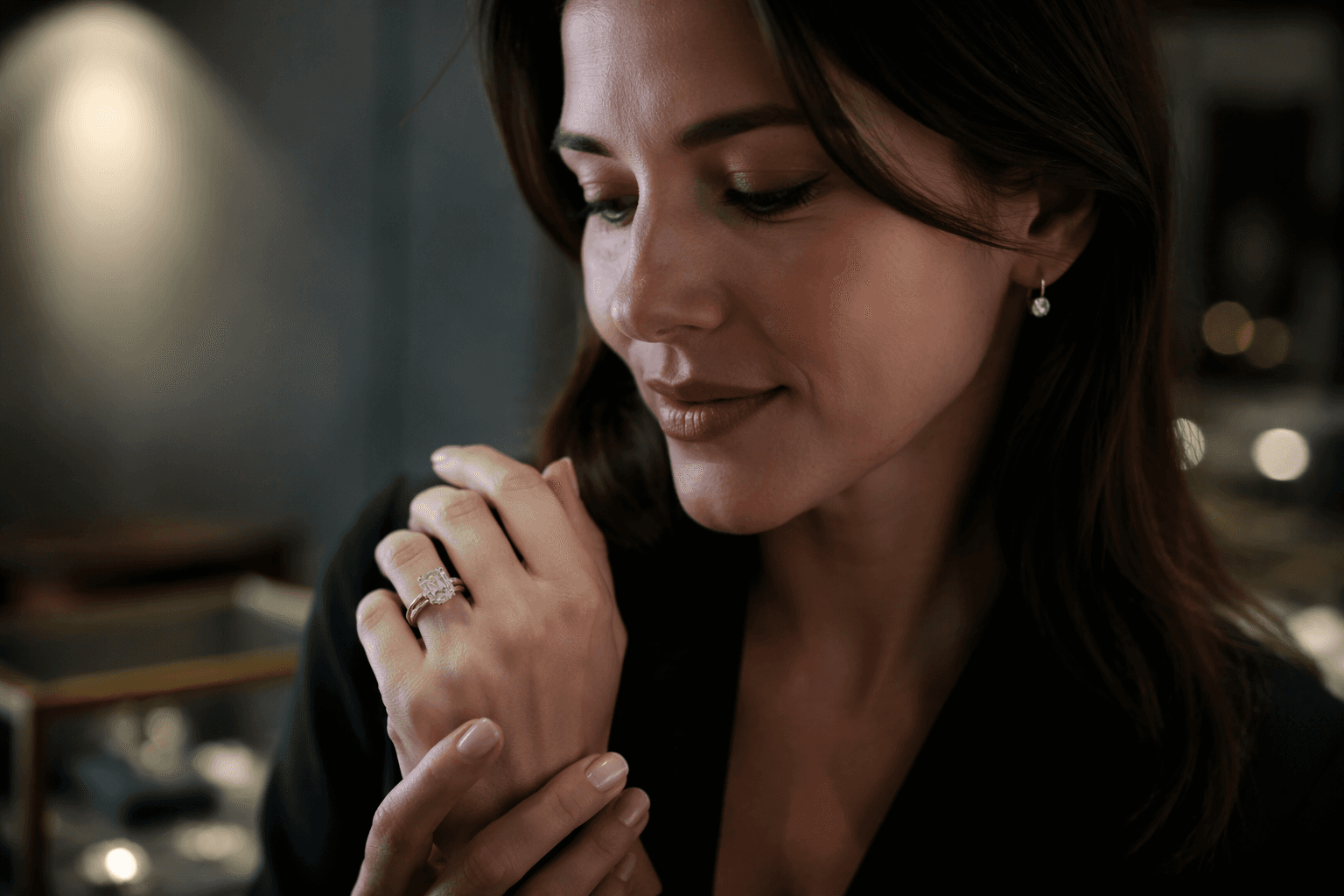
Forbes spotlights The Clear Cut’s AI-driven bespoke bridal jewelry business
The Clear Cut turns diamond buying into a guided, AI-assisted process, helping custom bridal shoppers refine cut, setting, and budget with real gemologist support.

The most persuasive luxury today is not excess, but clarity. The Clear Cut has built its name on a simple reversal of the usual engagement ring scramble: instead of forcing shoppers to decode diamonds alone, it folds education, live guidance, and AI-assisted organization into a bespoke process that feels personal from the first conversation. That approach is now the point of the story, even as the company enters a new chapter inside a larger jewelry empire.
A bridal business built on trust
The Clear Cut began as an educational blog and social account, then evolved into a New York-based natural diamond jeweler known for bespoke bridal and fine jewelry, highly personalized service, and a consumer-friendly way of explaining a category that often feels opaque. Olivia Landau has said the original goal was to make buying a diamond feel more transparent, modern, and empowering, because the process could seem intimidating and outdated. That origin still defines the brand’s appeal: it does not treat a ring as an off-the-shelf object, but as a decision that should be understood at every step.
For readers choosing an engagement ring, that matters because trust changes the buying experience. The Clear Cut works with natural, untreated, GIA-certified diamonds and does not sell lab-grown diamonds or moissanite, a position that will matter to shoppers who want a traditional mined-stone brief and clear provenance. The company also notes that some diamonds can be selected through Tracr, while the Tracr collection is a separate offering for stones recorded on that blockchain.
How the process actually works
The Clear Cut’s signature is not just the stone, but the sequence. The journey begins with a 10- to 15-minute phone consultation with a gemologist, followed by a personalized gem portal that stores the conversation, the diamond options curated for the client, and ongoing communication. From there, the team handpicks loose diamonds based on the shopper’s preferences, inspects each stone in person, and usually delivers a curated selection within about a week.
That structure gives shoppers a rare amount of control without forcing them to become their own experts. Clients can review detailed descriptions, photos, and videos, then weigh in on what they like or dislike before the team narrows the field further. The Clear Cut says it can hold each selection for up to one week without a deposit, and once a diamond is chosen, it asks for a one-third deposit before moving into ring design and production.
For custom bridal buyers, this is the crucial shift: the pressure moves from making a single blind decision to refining a series of smaller, more legible ones. A shopper can compare stones by shape, size, proportions, and budget, then let the setting follow the diamond rather than the other way around. That order of operations is especially useful if the ring needs to balance aesthetic ambition with financial discipline.
Where AI enters the experience
The AI layer is not replacing the gemologist; it is organizing the search. The Clear Cut describes its proprietary software, gem., as a way to make the process collaborative and less stressful, with personalized guidance and education built into the client journey. In practical terms, that means AI helps sort preferences, track the options, and keep the process from becoming a blur of competing stones and contradictory advice.
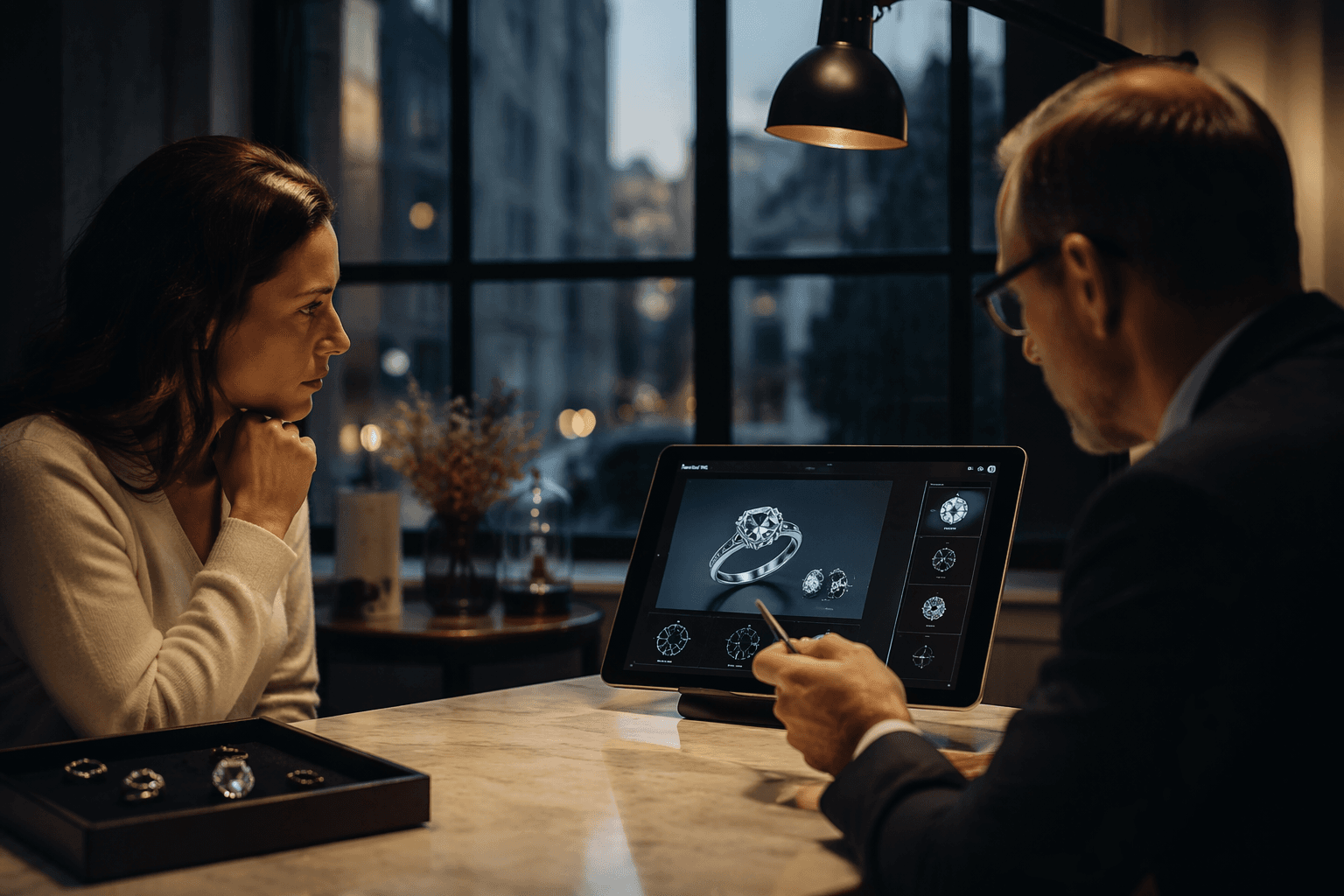
That distinction is what makes the brand feel relevant beyond novelty. In a category where shoppers can easily drown in jargon, AI becomes valuable when it sharpens the human consultation rather than replacing it. The Clear Cut’s model suggests a future in which technology does what it does best, organize information and surface patterns, while trained gemologists do what machines cannot, interpret beauty, proportion, and value in real time.
What shoppers can refine, and why it matters
The brand’s process is designed to help clients decide on the details that change a ring most dramatically:
- Cut: The diamond selection stage is where clients can compare shapes and proportions before committing to one stone.
- Setting: Once the diamond is reserved, The Clear Cut’s production team helps design a custom setting, including engraving, hidden halos, or a birthstone.
- Budget: The initial consultation is used to understand budget before the selection is made, which keeps the search realistic from the start.
That last point is especially important in bespoke bridal. When a jeweler understands budget before sending options, the conversation becomes more surgical and less emotionally exhausting. Rather than falling in love with a ring that is structurally out of reach, the client can calibrate expectations early and spend energy where it belongs, on whether a stone’s presence, scale, and setting feel right.
A service model that still feels human
The Clear Cut says many clients work with the team remotely, though in-person appointments are available in its New York City showroom by appointment. The company recommends starting two to three months before a proposal, and once the ring is complete, it sends a final video for approval before shipping. Delivery includes FedEx priority overnight, fully insured shipping, plus a physical GIA certificate and a digital retail insurance appraisal.
The production timeline is equally telling: the ring itself is handcrafted in New York and typically takes three to five weeks, depending on the design. That is not a mass-market promise, and it should not read like one. It is a reminder that bespoke bridal jewelry is only valuable when the pace leaves room for inspection, revision, and confidence at the end of the process.
For custom bridal shoppers, this is what The Clear Cut changes. It takes one of the most emotionally charged purchases in jewelry and breaks it into intelligible steps, guided by gemologists, supported by software, and grounded in natural diamond expertise. The result is not just a ring that feels personal, but a buying experience that makes personal taste easier to trust.
This article was produced by Prism’s automated news system from verified source data, official records, and press releases, then run through automated quality and moderation checks before publishing. The system is built and supervised by the people who set the standards it runs under. Read our full AI policy.
Know something we missed? Have a correction or additional information?
Submit a Tip