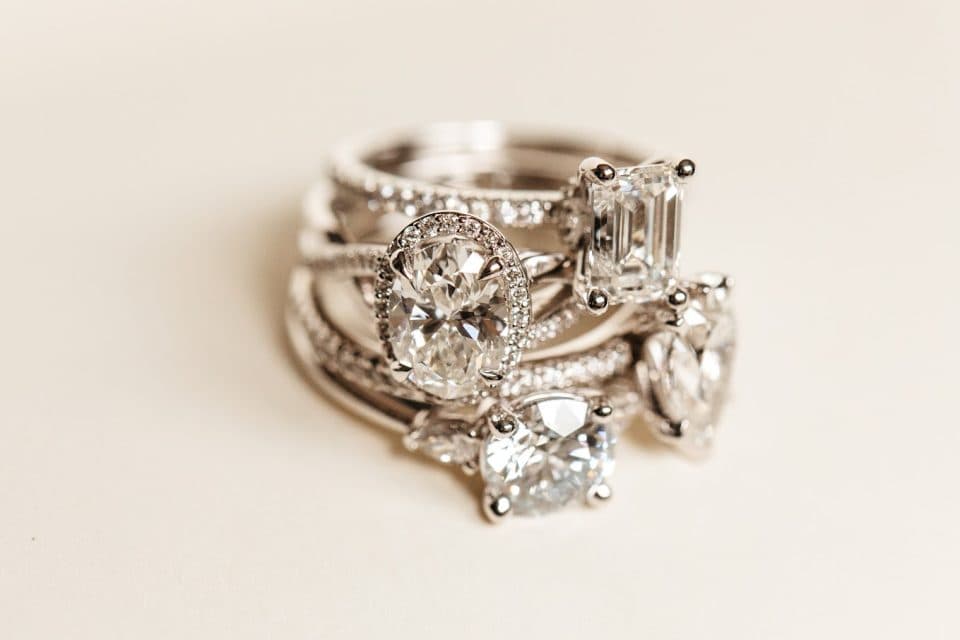
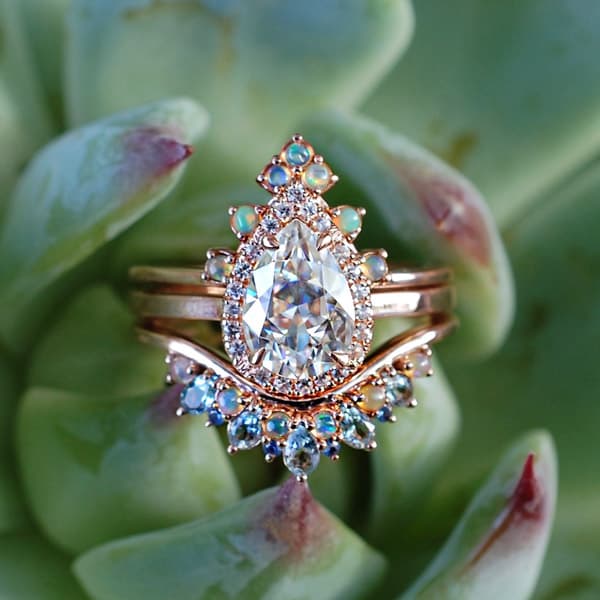
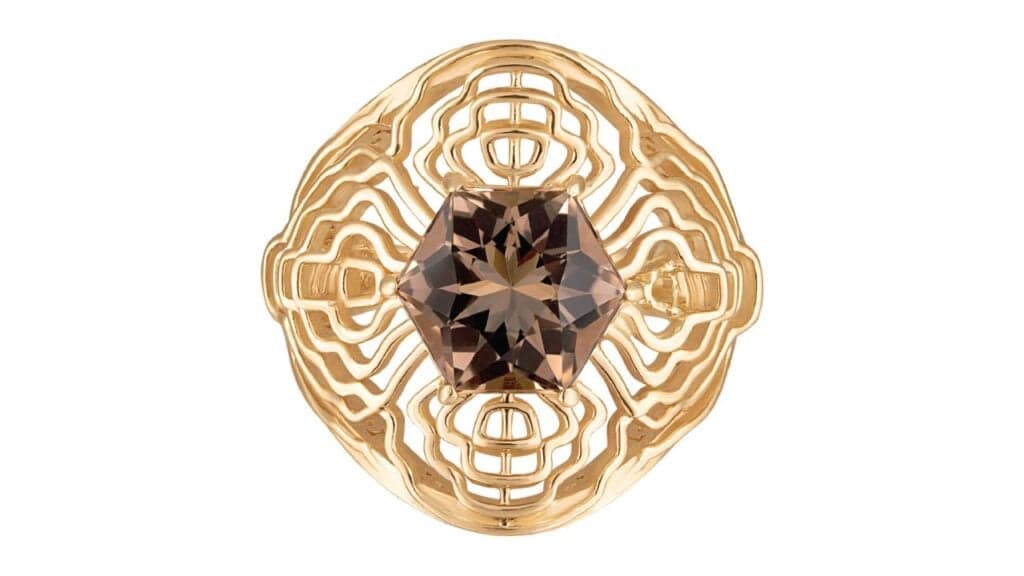
Frank Darling makes custom engagement rings feel personal and easy
Frank Darling turned custom engagement rings into a guided, low-pressure design experience, with try-at-home replicas, transparent pricing cues, and private consultations.
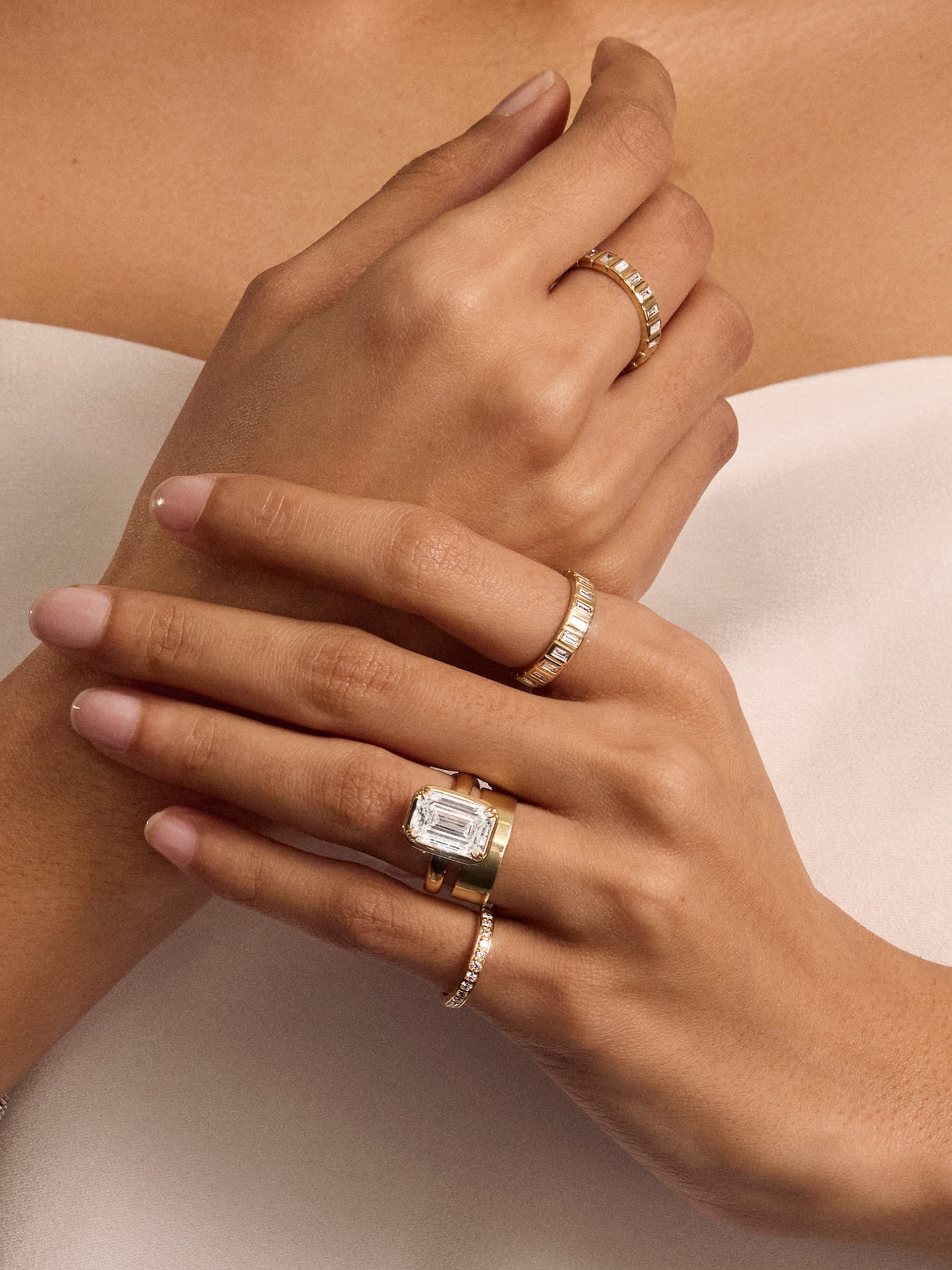
Frank Darling turned the engagement-ring appointment into a guided design session, starting with a quiz, a home try-on, and a private consultation instead of a crowded sales floor. The result is a bridal-buying process that feels less like a test of nerve and more like a collaboration, with the customer shaping the ring from the first sketch to the final diamond.
A custom-first model that changed the mood of ring shopping
The brand was founded in 2017 by Kegan Fisher and Jeff Smith in Brooklyn, New York, and it set out to remove the most intimidating parts of buying a bridal ring: pressure, opacity, and too many irreversible choices made too quickly. Fisher estimates that about 60 percent of the business is custom in a category long defined by fixed inventory and hard-sell tactics.
Frank Darling builds the ring with the customer rather than pulling it from a tray, especially for a purchase meant to mark a proposal, a marriage, or a long-term financial commitment.
How the experience works, step by step
The process begins with a ring quiz, then moves to free replica styles sent home so shoppers can see scale and silhouette on a hand rather than under showroom lighting. From there, customers shop GIA-certified diamonds and work with designers to refine the ring. Its stated goal is to make “the hardest thing on Earth” a little easier by replacing confusion with structure.
The try-at-home stage reduces guesswork, while the design consult turns preferences into decisions about proportions, setting, and stone.
Why the showroom matters as much as the stone
Frank Darling’s showrooms are built around privacy and conversation. Appointments are one-on-one, and the spaces are designed to feel like a “living room” or a “best friend’s house” rather than a traditional jewelry counter. In-person consultations last about 45 minutes, while virtual appointments run about 30 minutes.
It lowers the temperature of the purchase, especially for shoppers who may not have deep diamond knowledge, and it creates room to talk through the differences between a bezel and a prong setting, or between a round brilliant and an oval, without a rush.
What today’s ring shoppers want now
The broader market helped make this approach feel timely. Demand has grown for highly personalized ring experiences, with shape and setting carrying more weight than size. Value is no longer judged only by carat weight, but by how the stone sits, how the profile reads, and how the design feels on the hand.
Gen Z shoppers are more open to man-made diamonds or non-diamond stones, which broadens the conversation further. Personalization is no longer only about engraving initials or choosing a hidden halo. It is about selecting a material and a silhouette that match the wearer’s ethics, budget, and taste.
Why Frank Darling’s early tools mattered
Frank Darling did not arrive at this model by accident. In its earlier years, the brand used free home try-on replicas and a diamond-selection algorithm that evaluated 22 factors. That technical layer helped translate diamond buying, often a foggy and intimidating experience, into a more legible process for first-time shoppers.
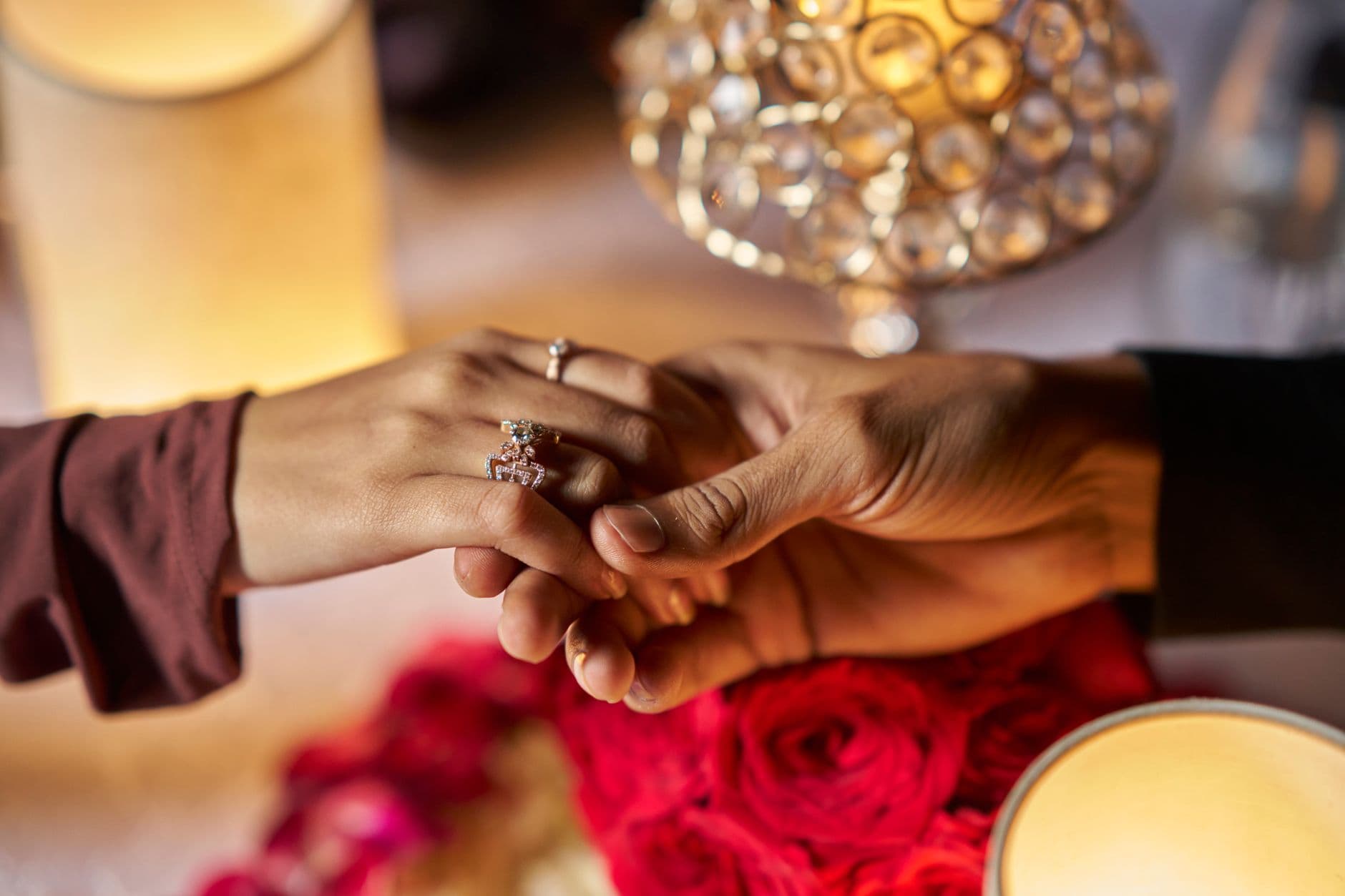
By pairing a digital selection tool with real-life try-ons, the brand connected online browsing to how a ring actually looked on the hand. That combination gave shoppers time to compare without feeling stalled and guidance without feeling cornered.
Growth has made the model more than a novelty
JCK identified the company’s core demographic as 25- to 35-year-olds and counted 11 by-appointment showrooms across the country, including three in New York City. In June 2025, the company planned to operate 12 U.S. showrooms by the end of 2025 and open a larger New York factory to increase in-house production.
The company has already reached 12 showrooms, including a Miami opening in 2026. It has also designed rings for more than 10,000 proposals and sold more than 16,000 carats in 2024.
What the service layer says about trust
Frank Darling’s reviews page lists more than 5,000 customers rating the brand four stars or more. Custom jewelry depends on trust in a way that off-the-rack retail often does not. A shopper is not just buying a finished object; the shopper is trusting the maker to interpret taste, handle technical choices, and deliver a ring that feels personal when it arrives.
The brand also emphasizes ethically sourced, conflict-free, and lab-grown diamond options, along with the ability to shop GIA-certified diamonds. Those details are part of the design brief, and Frank Darling has made them easy to see from the start rather than burying them after the sale.
This article was produced by Prism’s automated news system from verified source data, official records, and press releases, then run through automated quality and moderation checks before publishing. The system is built and supervised by the people who set the standards it runs under. Read our full AI policy.
Did this article answer your question?