Gold-heavy sculptural jewelry and vintage pieces gain spring appeal
Gold is back, but only when it feels carved, collected, and personal. Vintage references and engraving are giving spring jewelry its sharpest edge.
Why gold looks fresh again
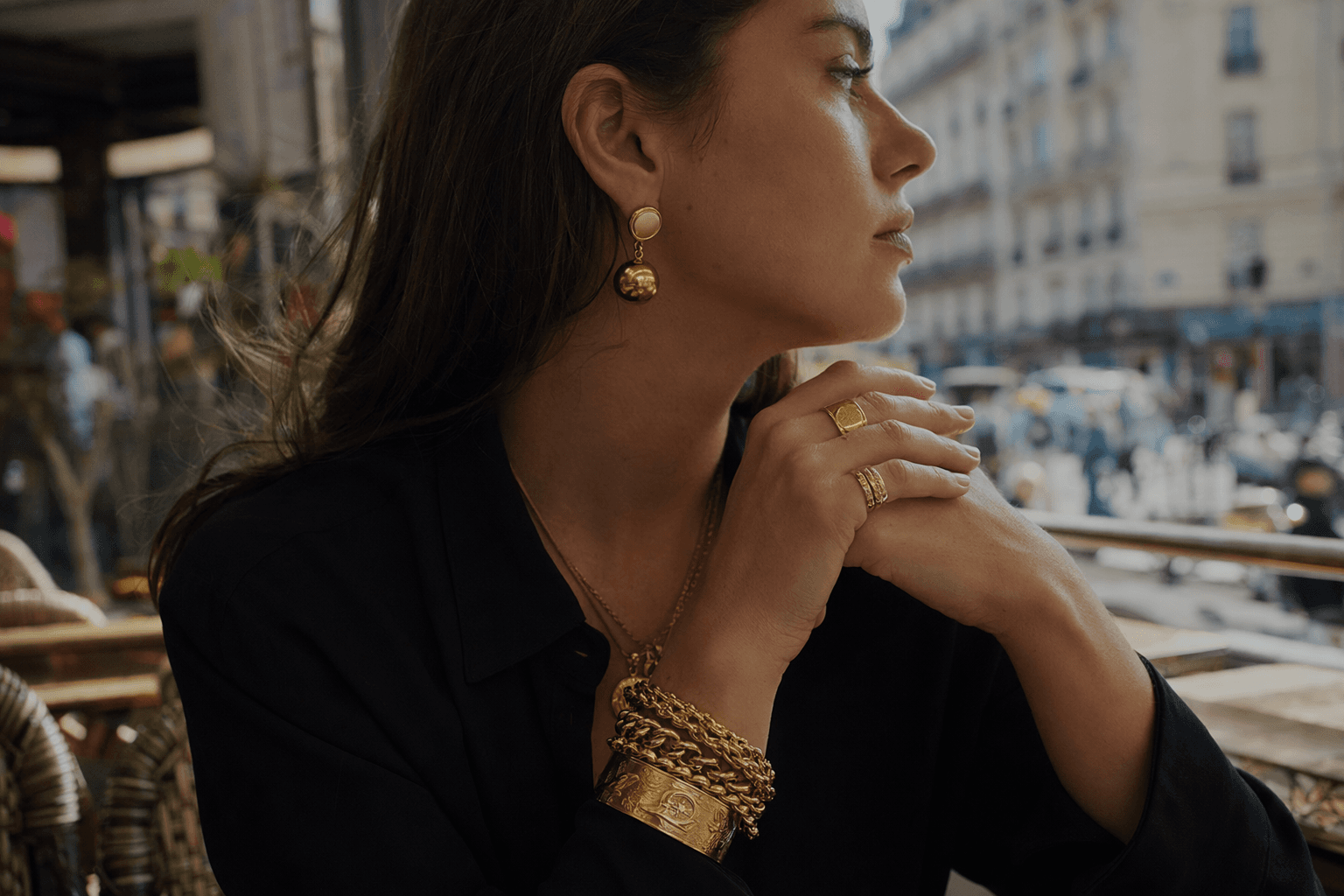
The quickest way to read spring jewelry right now is to follow the gold. Buyers are leaning toward heavier, sculptural pieces that feel less like decoration and more like something with presence, weight, and a story to tell. The appeal is not just visual. It is emotional, practical, and increasingly personal, which is why one-of-a-kind details and vintage references are resonating so strongly.
That shift makes sense in a market where value matters as much as shine. The World Gold Council reported that jewellery demand volumes were down 23 percent year over year in the first quarter of 2026, while spending on gold jewellery rose 31 percent. In plain terms, fewer units are moving, but the pieces people do buy are commanding more money, a sign that shoppers still want gold when it feels substantial enough to keep. The same report also showed central banks buying 244 tonnes of gold on a net basis, a reminder that gold still carries deep cultural and financial gravity.
Molofsky's vintage lens gives the trend its shape
Randi Molofsky understands that instinct better than most. In JCK's spring 2026 interview, she pointed to buyers who are thinking more carefully about longevity and value, and her perspective is sharpened by her own work in vintage jewelry. On April 16, 2026, she was in New York City to preside over a new permanent display at Bergdorf Goodman for her unsigned vintage jewelry brand, For Future Reference Vintage.
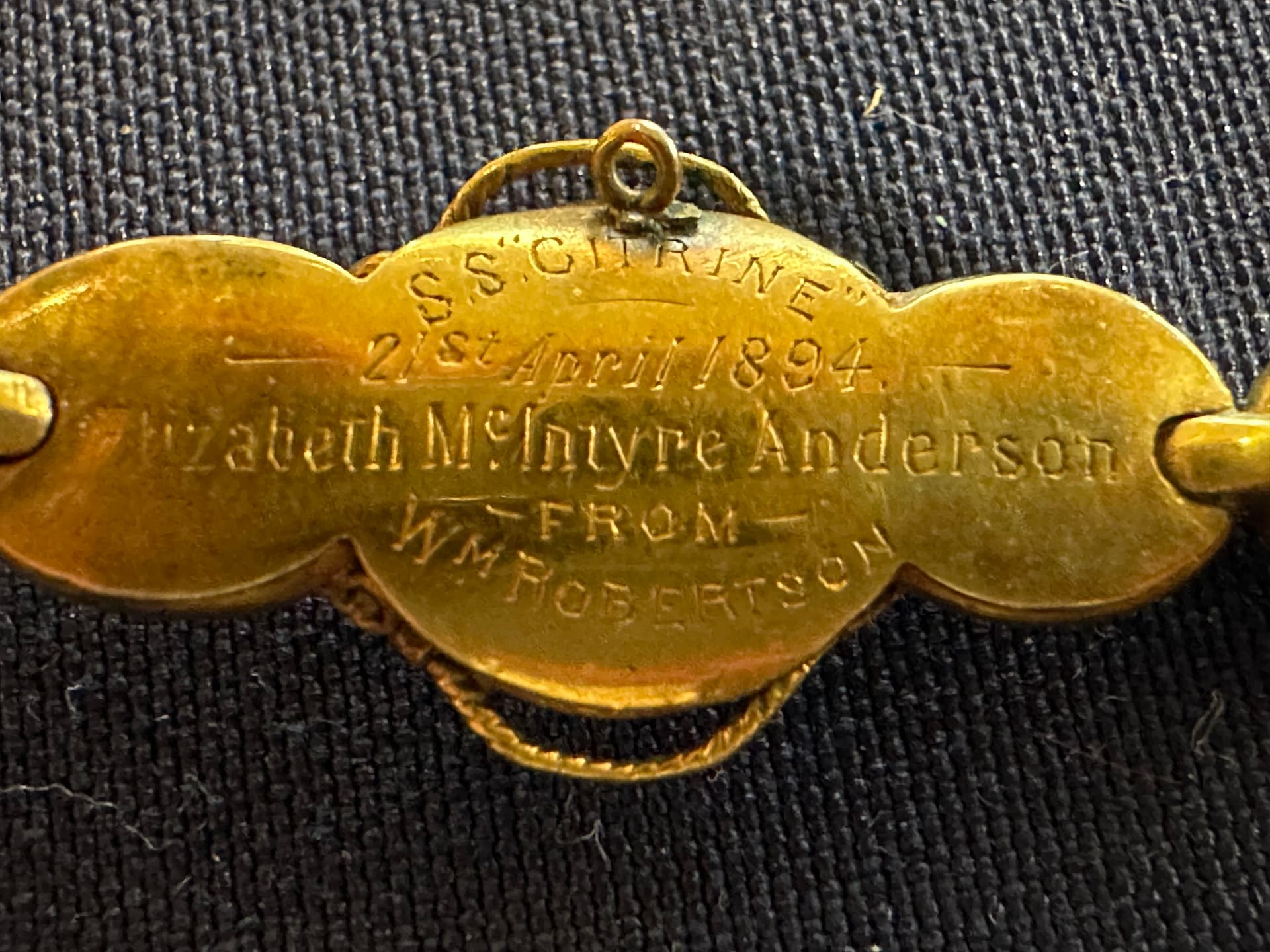
That background matters because For Future Reference Vintage is rooted in jewelry and watches from the Victorian period, the Edwardian period, and the Art Deco period. Those eras are full of lessons in proportion and restraint: knife-edged bezels, engraved surfaces, filigree, domed forms, and strong geometry that still reads clearly on the hand or at the neckline. Molofsky's spring outlook leans into that kind of durability, where a piece feels collected rather than disposable.
The vintage influence also fits the wider market mood. JCK noted that Rebag's sixth Clair Report ties global tariff shifts in 2025 to increased consumer interest in antique, vintage, and resale purchases. When shoppers are already receptive to pre-owned jewelry, the logic of buying something with history becomes stronger. A ring or bracelet does not need to look new to feel current. Sometimes the opposite is true.
What sculptural jewelry means when you want to personalize it
The spring 2026 jewelry conversation is full of sculptural gold, bold gold, and statement pieces that read as wearable art. That is exactly why the trend translates so well into personalized jewelry. Wide gold surfaces give engraving room to breathe. Rounded cuffs and signet-like forms can hold initials, dates, or a discreet message without losing their silhouette. Even a single gemstone can feel more deliberate when it is set into a broad, architectural form.
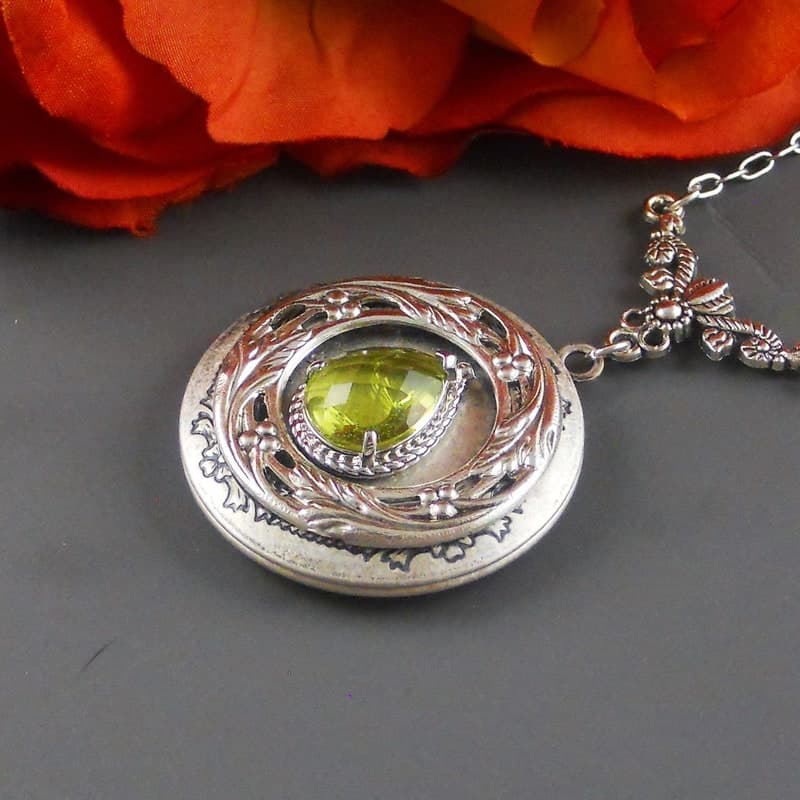
If you want the trend to feel personal rather than costume-like, the best customizations are the ones that preserve the clean line of the piece. A brushed gold bangle with a hidden engraving inside the curve feels more intimate than a surface crowded with ornament. A pendant with a single bezel-set stone can carry a birthstone or a stone in a meaningful color while still looking modern. A ring inspired by a vintage profile can take a family date or monogram and gain meaning without losing elegance.
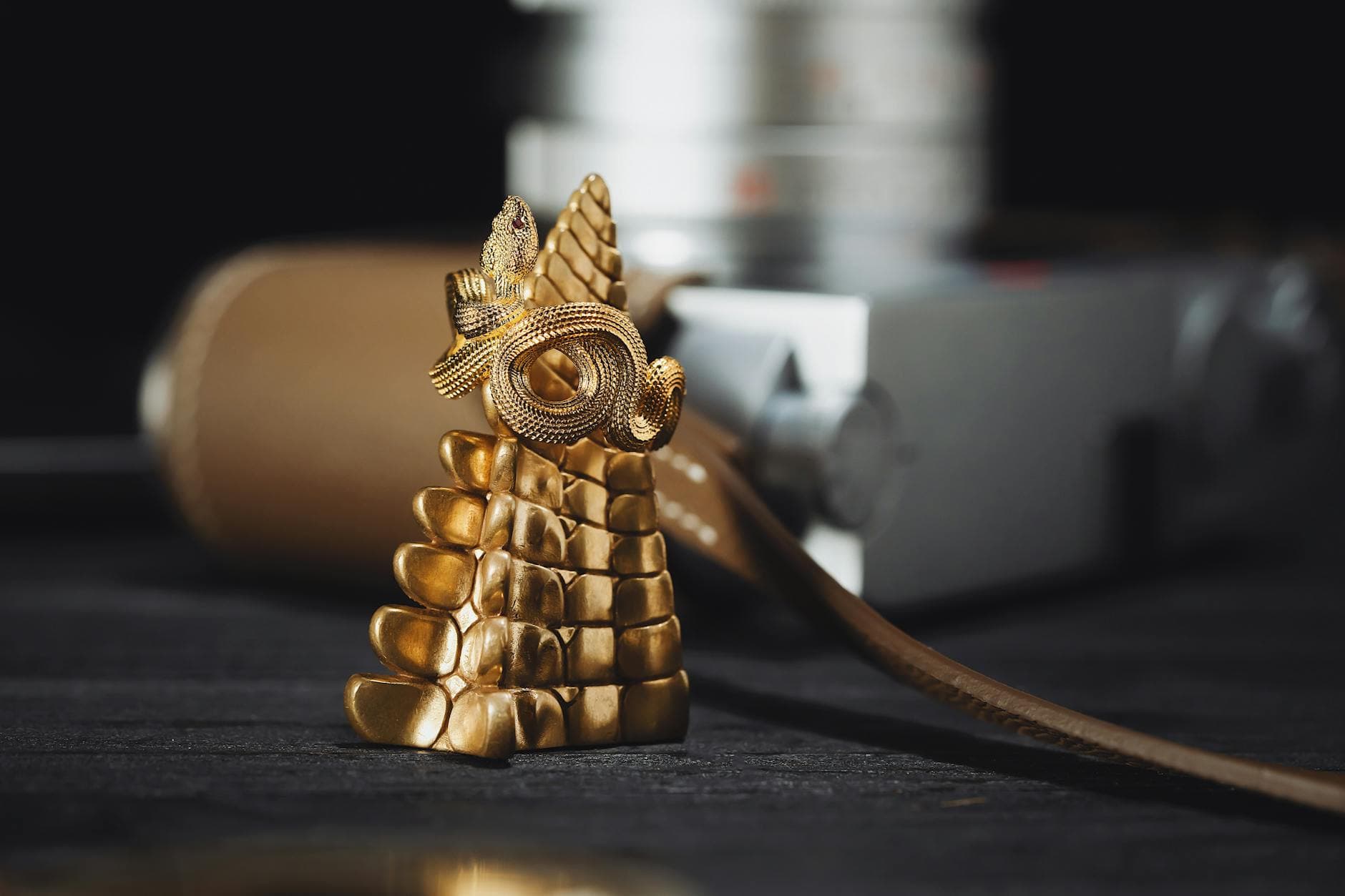
That is where craftsmanship matters. A bezel setting, which wraps metal around the stone, suits this moment especially well because it reinforces the graphic, composed look that buyers want. Prong settings can feel airier and more traditional, but sculptural gold asks for more visual authority. For a custom piece, the setting should support the design idea, not compete with it.
The strongest personalization moves feel collectible, not crowded
The smartest versions of this trend do not announce themselves too loudly. They take cues from heirlooms and estate jewelry, where the beauty often lives in the details: a name tucked into the back of a pendant, a date hidden along a clasp, a single stone chosen because it marks a birth, an anniversary, or a first trip to New York City. Those are the kinds of touches that make a piece feel private, even when the form itself is bold.
That approach also explains why vintage influence has such staying power this season. Victorian jewelry lends itself to sentiment and symbolism. Edwardian pieces often offer lightness and delicacy, which can temper a heavier gold frame. Art Deco designs bring symmetry and crisp geometry, ideal for buyers who want personal jewelry with structure. Together, those references create a language that feels tailored without becoming precious.
In JCK's broader trend coverage, Victoria Gomelsky has framed the year ahead in the same direction, while designers such as Nathalie Verdeille are part of a larger conversation about jewelry that behaves like wearable art. That is the thread connecting the market's most interesting pieces: they are expressive, but not arbitrary. They look chosen, not accumulated.
The real appeal is endurance
What makes this spring shift compelling is that it serves both the eye and the ledger. Gold-heavy pieces feel rich without relying on excess sparkle. Sculptural silhouettes create drama through form, not clutter. Vintage references supply authenticity, and custom details turn that authenticity into something personal enough to live with for years.
For buyers, that is the new luxury signal: not novelty for its own sake, but jewelry that can carry a story, survive fashion's quick turns, and still feel right when the season changes.
This article was produced by Prism’s automated news system from verified source data, official records, and press releases, then run through automated quality and moderation checks before publishing. The system is built and supervised by the people who set the standards it runs under. Read our full AI policy.
Did this article answer your question?