Heirloom Jewelry Redesign Gives Sentimental Pieces New Life
Heirloom redesign can turn unworn family jewels into daily staples by resetting stones, combining pieces, or modernizing tired settings without losing the story.
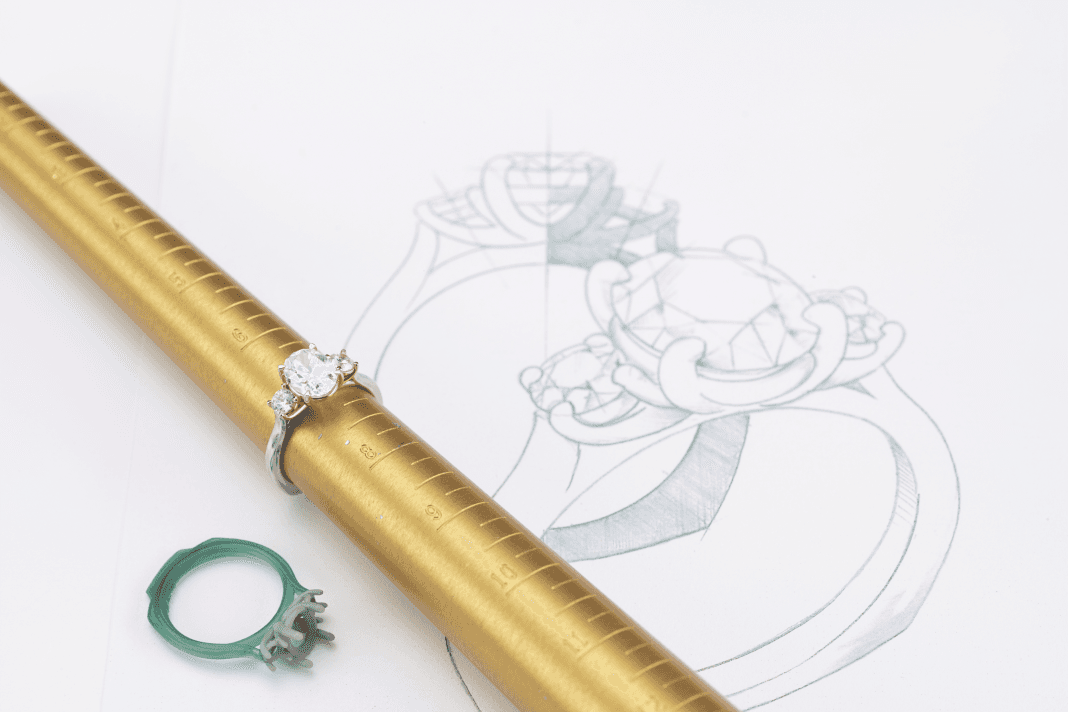
The best heirloom redesign does not erase memory. It gives you a ring, pendant, or brooch you love in theory but never wear in practice, and turns it into something you actually reach for. That is why jewelry houses, trade groups, and gem experts keep circling back to the same idea: sentimental pieces deserve a second life, not a drawer.
Why heirloom redesign matters now
GIA has long argued that heirloom jewelry carries emotional weight, and that unworn pieces hidden in dresser drawers, bank vaults, and jewelry boxes deserve another look. The larger industry agrees. The Responsible Jewellery Council, founded in 2005, now brings together more than 2,000 companies across the global watch and jewelry supply chain, a sign that reuse and responsible practices are no longer fringe ideas but part of the conversation around fine jewelry’s future.
That shift is also visible in the market. De Beers’ research says diamond jewelry remains a highly desired gift, while meaning and sentiment rank among the qualities people prize most. In other words, the value of a piece is no longer only in carat weight or metal content. It is in the story you can wear, and redesign is the cleanest way to keep that story in motion.
The three redesign routes that deliver the biggest payoff
The most successful transformations usually fall into three categories: resetting inherited stones, combining multiple pieces into one design, or updating an outdated setting and metal. Each route solves a different problem, but all three keep the original sentiment intact while making the piece easier to wear.
Resetting inherited stones is the simplest and often the smartest move when the gem itself is strong but the setting feels stale. Jared says its artisans can reimagine a piece by building a brand-new design around current diamonds or gemstones, adding more stones or metals as needed. Zales also offers dedicated guidance for turning old diamonds into new ring settings, which tells you this is not a rare request, but a standard part of modern jewelry service.
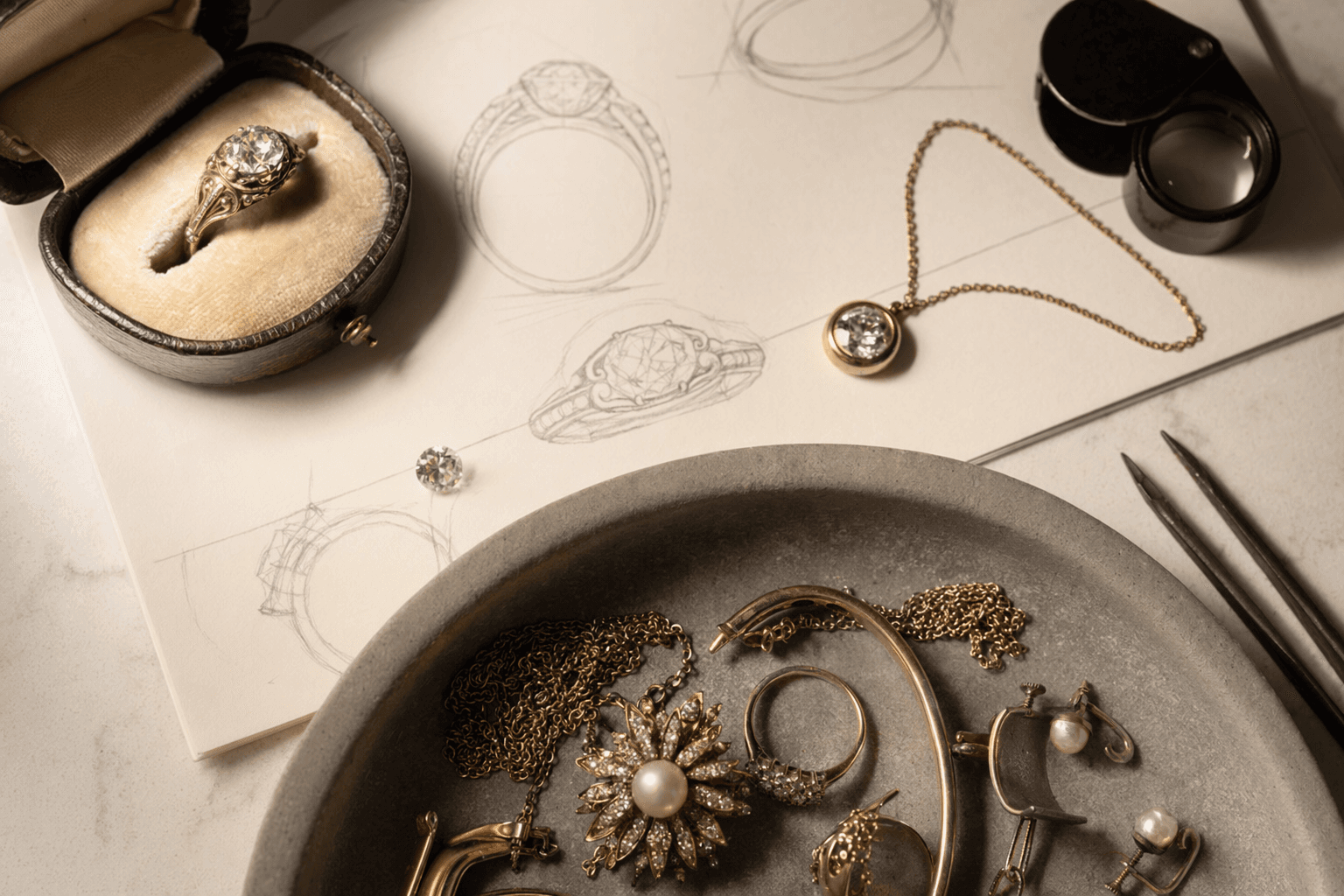
Combining multiple pieces can be even more powerful when you have several small items that never feel substantial on their own. A single inherited center stone, a pair of unused earrings, or several family rings can be consolidated into one cleaner, more wearable jewel. This approach works especially well when you want the emotional story of a family collection to live in one signature piece rather than in a cluster of mismatched keepsakes.
Updating the setting is the quietest transformation, but often the most dramatic visually. A high, dated mount can make a beautiful stone feel fussy or fragile, while a lower, more intentional setting can suddenly make it wearable every day. This is where the difference between bezel and prong matters: a bezel reads smoother and more contemporary, and it gives the stone a protected, close-to-the-hand profile; prongs allow more light and often preserve a lighter, more traditional feel.
How to decide what is actually worth redesigning
Not every heirloom deserves a remodel, and the best candidates are usually the pieces whose stones are intact, whose metal can be reused, and whose emotional value outweighs the original silhouette. If you have a solitaire that is lovely but too formal, a cluster ring that feels dated, or a pendant you admire but never wear, redesign can unlock value that already exists in the piece.
Look especially hard at pieces that are uncomfortable, overly high-set, or too delicate for real life. If a ring catches on sweaters, spins on the finger, or feels like something you save for a wedding or anniversary and then forget again, the problem is probably not sentiment. It is design. By contrast, if a piece is a collectible antique with intact period character, think carefully before dismantling it, because sometimes the original form is part of its appeal.
What modern looks feel current now
GIA’s design research makes one thing clear: today’s jewelry often borrows the same gems, shapes, and motifs that have appeared for generations, but it is interpreted with a lighter hand. The trade shows GIA tracked in 2024, including AGTA, GJX, and Pueblo, showed designers incorporating historical artifacts into new pieces, proof that the appetite for the past remains strong when it is made wearable.
That is why the most current heirloom redesigns do not look gimmicky or overworked. They feel intentional, clean, and specific. A stone reset in a lower profile, a family cluster pared down into a single pendant, or a ring remade with mixed metals can look far more modern than a trend-driven design that ignores the original material’s character.
Tacori’s approach makes the same point from the other side of the market. The brand says most of its jewelry is highly customizable and crafted on demand to be cherished for generations, which reflects how luxury buyers now think about value: not as fixed inventory, but as something personal enough to outlast fashion. Customization is no longer an add-on. It is part of the promise.
How to keep your redesign from becoming another special-occasion piece
The goal is not simply to make the jewelry prettier. It is to make it live in your wardrobe. That means keeping the design low enough to wear comfortably, choosing a metal color that fits the pieces you already reach for, and avoiding overly ornate details that make the jewel feel precious in the wrong way. A ring that sits too tall, a pendant that feels too formal, or earrings that are more ceremony than style will end up back in storage.
The most practical redesigns balance emotional continuity with daily ease. De Beers’ consumer research points to the continuing power of sentiment, while the industry’s sustainability push, supported by the Responsible Jewellery Council, makes reuse feel more relevant than ever. When you redesign with restraint, you preserve the meaning that made the piece matter in the first place, and you finally give it the life it was always meant to have.
This article was produced by Prism’s automated news system from verified source data, official records, and press releases, then run through automated quality and moderation checks before publishing. The system is built and supervised by the people who set the standards it runs under. Read our full AI policy.
Did this article answer your question?