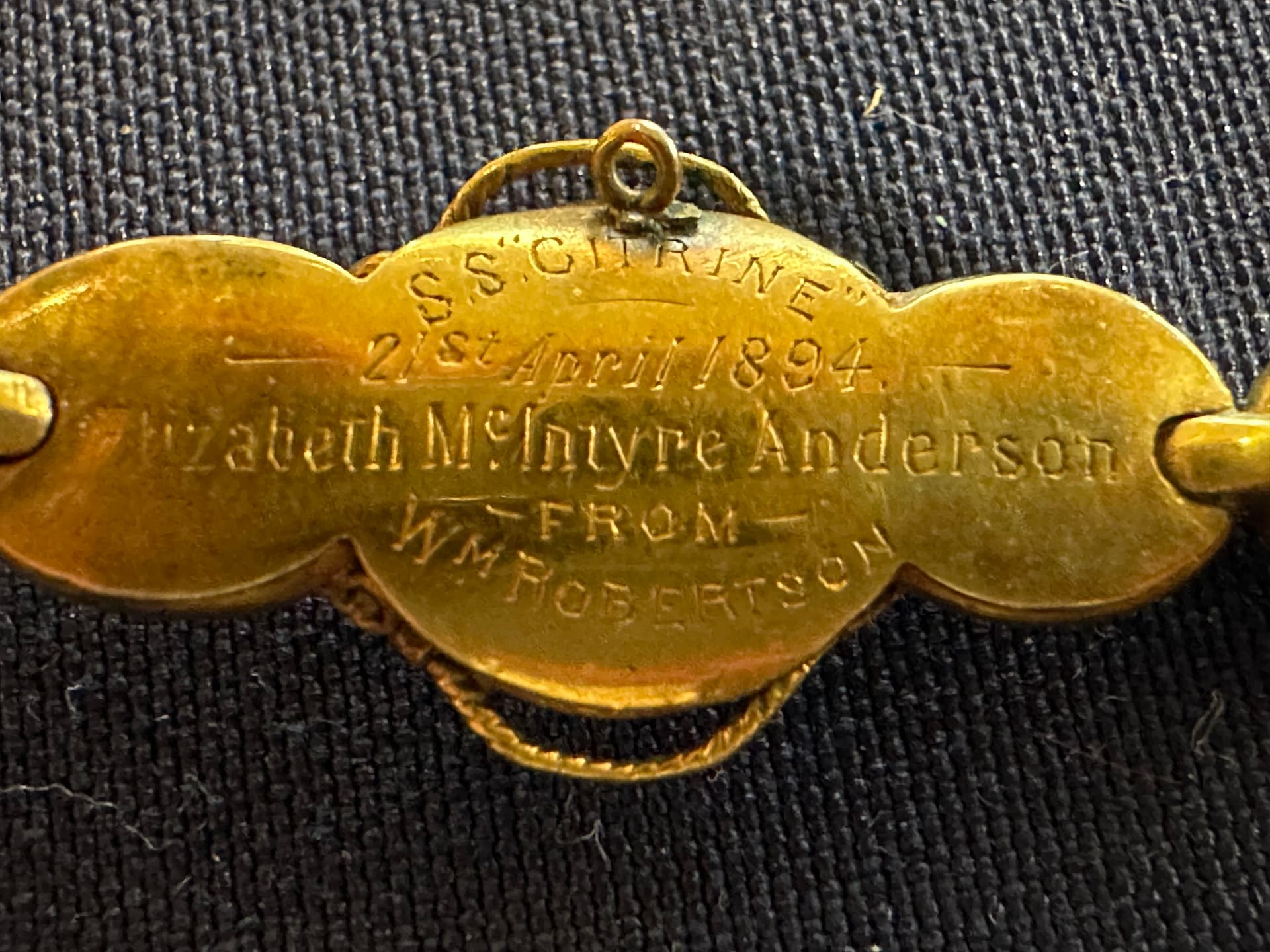
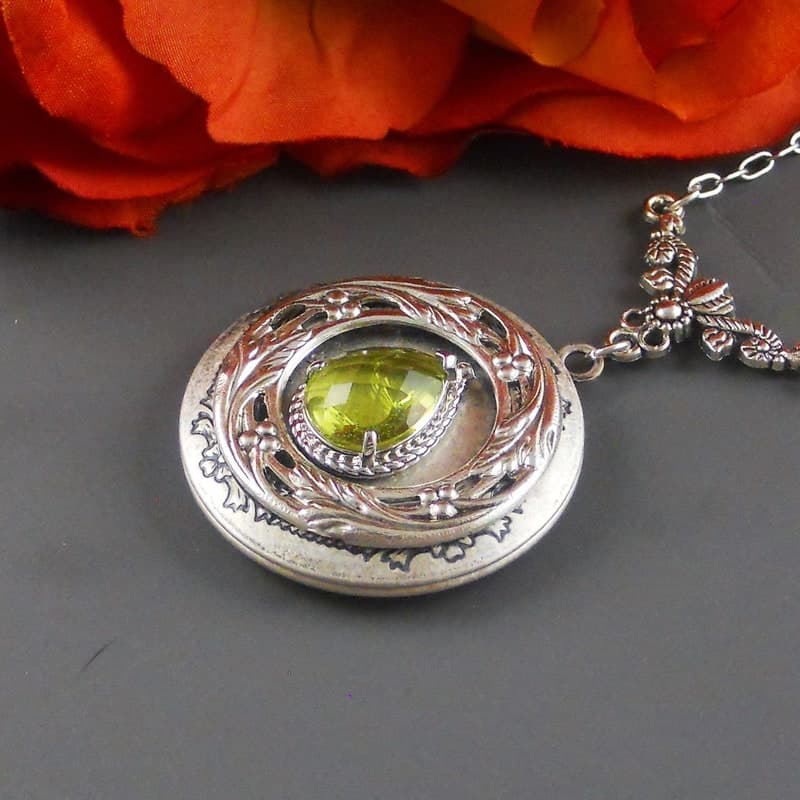
High gold prices push designers toward smaller, story-driven jewelry
Gold's surge is forcing personalized jewelry to get leaner, mixed-material, and more intimate. The strongest pieces now wear their story as visibly as their metal.
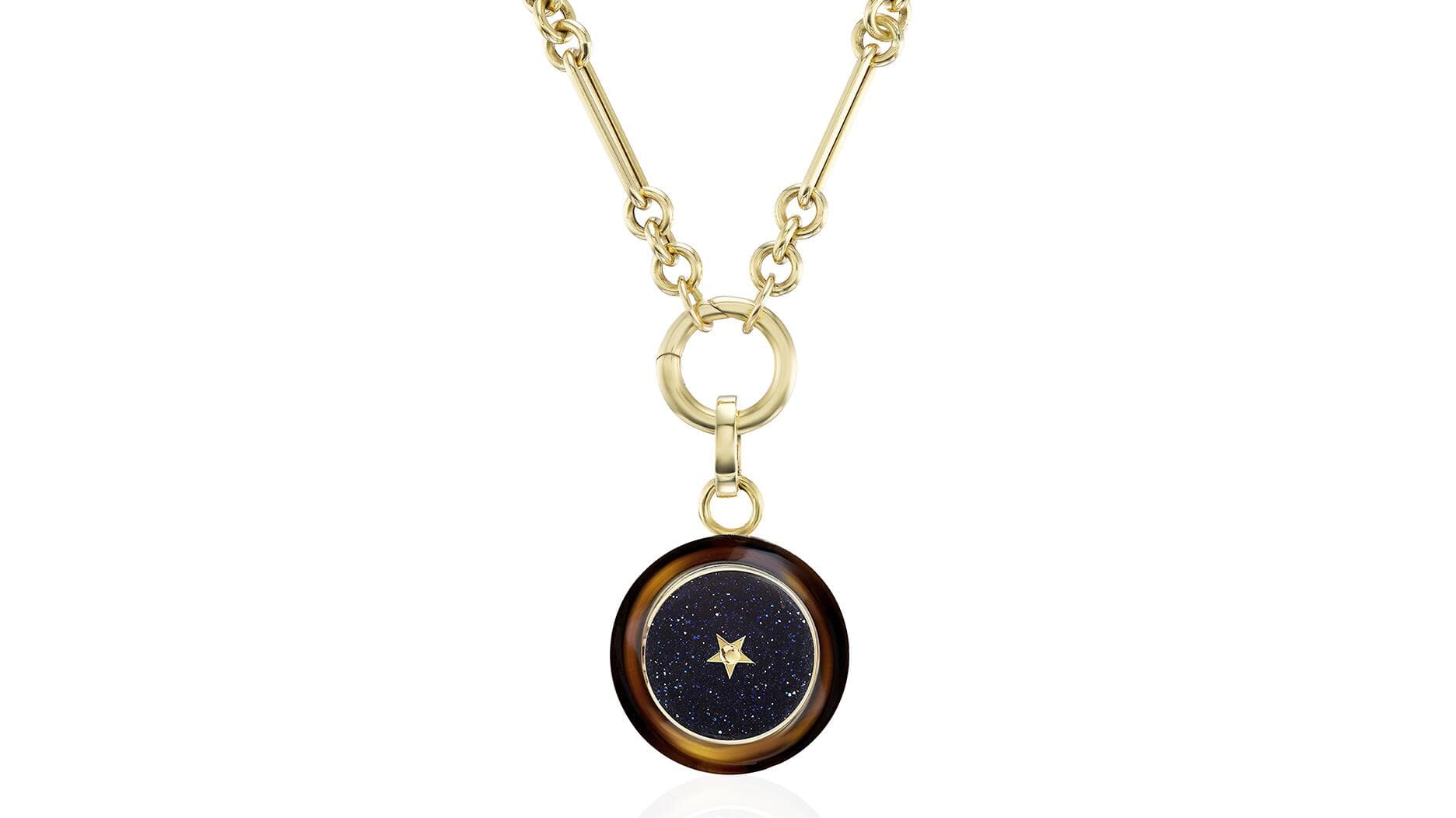
When gold gets expensive, personalization gets smarter
The piece that says your daughter’s name, marks a wedding, or turns a private joke into a pendant has not lost its appeal. What has changed is the way designers build that feeling into the jewelry itself: smaller silhouettes, lighter metal use, and mixed materials that keep bespoke work expressive even when gold is expensive. In personalized jewelry, the new luxury is not simply more gold. It is more meaning per gram.
That shift matters because jewelry remains the most personal of purchases. The strongest designers are responding not by endlessly thinning out their work or replaying the same price increase, but by making the object feel more intentional. A compact charm, a signet, or a pendant can now carry the emotional weight once expected from a heavier piece, especially when the design is sharpened with narrative detail and unexpected materials.
Smaller silhouettes, bigger stories
Higher gold prices have pushed designers to think like editors. Collections are getting tighter, pieces are getting smaller, and the story behind each object has become part of the value proposition. Instead of presenting personalization as a technical add-on, designers are using it as the reason the piece exists at all.
That is where the smartest work is happening. A name necklace, initial pendant, or date charm feels more considered when the design itself is pared back and the storytelling is precise. The most compelling pieces do not simply shrink. They use scale to focus attention on the engraving, the icon, the clasp detail, or the small stone that makes the piece feel specific to one person, one occasion, one memory.
Materials are doing more work
Gold’s rise has made alternative materials feel less like a compromise and more like a design tool. Wood and leather are showing up in personalized jewelry because they bring texture, warmth, and contrast without relying entirely on precious metal weight. Mixed-material pieces can make a custom design feel modern and intimate at the same time, especially when the wearer wants something personal rather than ostentatious.
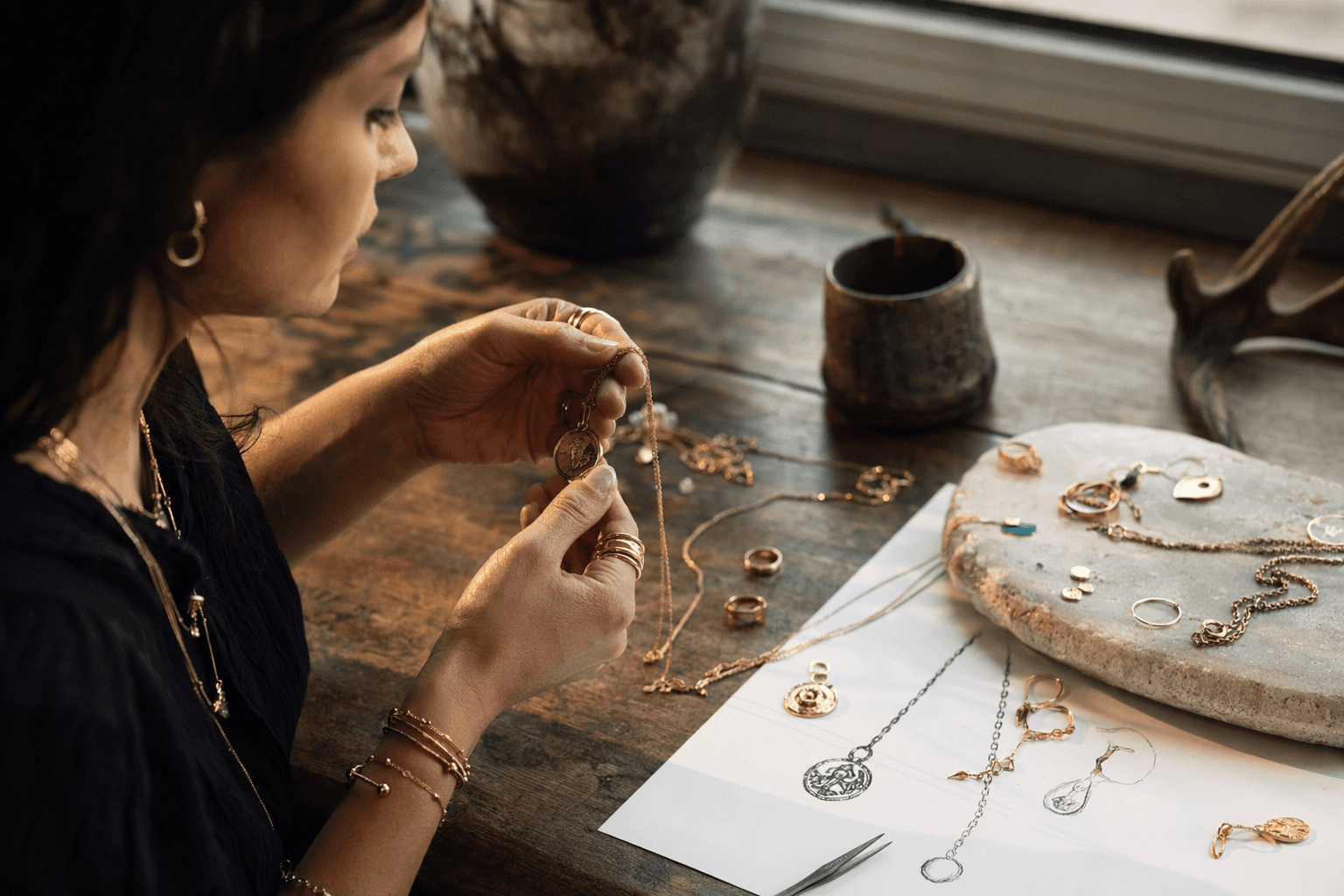
The numbers explain why this is happening. Gold was $2,625 an ounce in 2025 and reached a 2026 peak of $5,340 as of press time. Platinum rose from $800 an ounce in 2025 to about $1,960, while silver climbed from $28 to a 2026 peak of $114 so far. In that kind of market, the smartest design move is not always to use less gold blindly. It is to decide where gold matters most, then let other materials carry some of the visual and structural load.
For buyers, that opens up a more nuanced idea of value. A piece with a gold clasp, silver body, leather cord, or wood inlay can still feel luxurious if the construction is thoughtful and the proportions are balanced. The point is not to abandon preciousness. It is to make preciousness more deliberate.
Why the pressure is strongest on independents
Independent fine jewelers are feeling the squeeze most acutely because they do not have the same financial cushion as large houses. Bigger brands can hedge gold and buy in bulk, which gives them more room to absorb swings. Smaller brands have to maneuver carefully, changing production methods, adjusting weights, and rethinking the materials they keep in rotation.
That pressure has already changed how some independents work. Reduced gold weight, greater use of platinum and silver, and shifts in fabrication are becoming part of the design conversation, not just the accounting one. Sarah Müllertz of Copenhagen-based Kinraden put it plainly: “larger houses can hedge gold and buy in bulk, while independents must maneuver carefully.”
For personalized jewelry, that translates into a more inventive market. Independent makers are often the ones most willing to build a story around a lesser-used material, a slimmer profile, or a more unusual construction method. The constraint becomes part of the aesthetic.
Demand is softening in weight, not in meaning
The broader market supports the same picture. Global first-quarter 2026 gold jewelry demand fell to 299.7 tonnes, the lowest since the second quarter of 2020, yet the value of that demand rose to a record first-quarter US$47 billion. Consumers are buying fewer fine-weight pieces at higher prices, which is exactly why designers are moving toward smaller and lighter formats.
China is one of the clearest examples of that shift. Consumers there are moving toward smaller or lighter-weight pieces as prices rise, while higher-income buyers still want high-end heritage gold jewelry. That split is instructive for personalized jewelry too. Small does not have to mean plain, and light does not have to mean disposable. A reduced silhouette can still carry cultural memory, family symbolism, or a gift message that feels deeply specific.
The U.S. Geological Survey adds another layer to the story: the estimated gold price in 2025 rose 38 percent to a new annual record, and most fabricated gold goes into jewelry. That means price shocks hit the design floor quickly. When gold moves, the entire chain, from casting to retail display, feels it almost immediately.
What to look for in personalized pieces now
A strong personalized piece should show where the design work went. If the gold is lighter, the craftsmanship should be sharper. If the piece uses wood, leather, silver, or platinum, those materials should feel intentional rather than like filler. The best custom jewelry now makes the emotional detail do more of the work.
- Look for reduced scale with strong proportions, not just thinness for its own sake.
- Ask whether mixed materials are part of the design language or simply a cost-saving device.
- Pay attention to narrative details, such as initials, names, or symbols that make the piece specific to one wearer.
- Favor pieces where the setting, clasp, or surface finish feels as considered as the customization itself.
- Treat a smaller piece as a design decision, not a downgrade, when the form and story are well matched.
That is the real lesson of the gold squeeze. High prices are not ending personalized jewelry; they are forcing it to become more articulate. The most successful pieces will be the ones that stay emotionally exact even as the metal gets more precious, more selective, and more hard-won.
This article was produced by Prism’s automated news system from verified source data, official records, and press releases, then run through automated quality and moderation checks before publishing. The system is built and supervised by the people who set the standards it runs under. Read our full AI policy.
Did this article answer your question?