How to Buy Initial Necklaces, Styles, Materials, Sizing and Care
After comparing styles, materials, and vendor rules, you can choose an initial necklace that balances everyday wear with lasting value.

Introduction
After compiling market data and examining dozens of pendants, one finding cuts through the noise: initials sell because they are small objects that do big emotional work, and the category is growing fast. QYResearch values the global personalized jewelry market at about US$41.19 billion in 2023 and projects roughly US$72.77 billion by 2030, which explains why makers and buyers alike treat an initial necklace as more than a trinket.
Why personalization endures
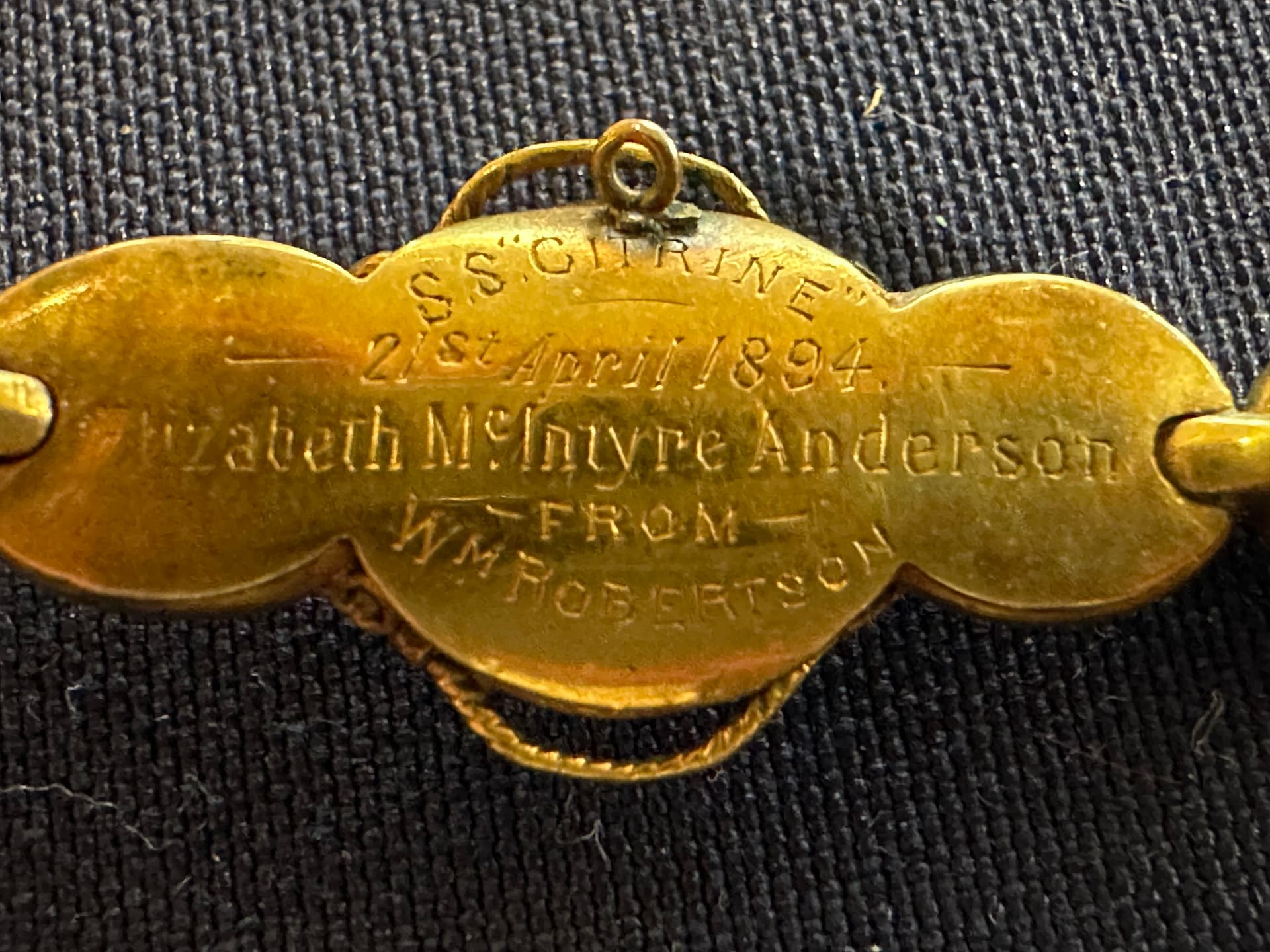
Initial necklaces are not a passing fad; they belong to a lineage that reaches back to ancient Egypt’s cartouches, through Roman signet practices, to Victorian keepsakes that held hair and secrets. That historical continuity helps explain why shoppers choose identity-driven pieces for both gifting and self-purchase, and why retailers invest in personalization workflows that meet demand.
Style taxonomy
Disc pendant
A small, solid disc is the simplest canvas for a single letter: 10 to 14 millimeter diameters are common for a discreet look. Discs are often stamped or engraved; if you choose hand-stamping expect subtle hammer marks and slightly irregular letter depth, which some collectors prize for personality.
Script nameplate
Script nameplates read like handwriting around the throat. They are usually longer — 30 to 40 millimeters across — and must be soldered and flattened carefully so the letters do not warp on thin chains; ask the maker about proof images before finishing.
Block initial and signet letter
Block initials emphasize geometry and surface finish; signet-inspired letters occupy a small oval or shield and suit heavier chains or short chokers. Signet-style pendants translate traditional signet proportions into contemporary wearability.
Gemstone-accented initials
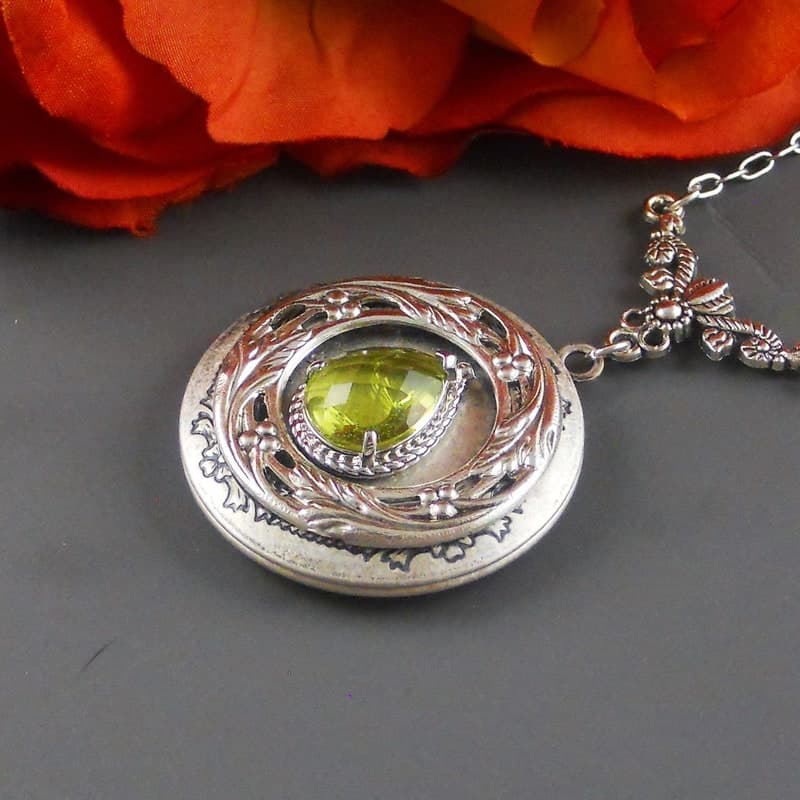
Adding a birthstone beside an initial is a straightforward bespoke modification; request clear specs up front about the stone’s setting, whether bezel or prong, because bezel settings protect small gems better for everyday necklaces while prongs allow more light but require occasional tightening.
Materials checklist and measurable specs
Choose a metal for longevity and lifestyle. Sterling silver, 14k or 18k gold, vermeil, and surgical-grade stainless steel are the category workhorses. Under the FTC’s Jewelry Guides, an item can be called “vermeil” only if it has a base of sterling silver plated with gold of at least 10 karat fineness and with a minimum thickness of 2.5 microns, a spec you should ask sellers to confirm. The Federal Trade Commission updated those guides in a final rule published on Aug. 16, 2018, which remains the baseline for truthful metal claims in the United States. If a brand markets “recycled gold,” ask what standard it follows; the World Jewellery Confederation, CIBJO, recommended a new definition of recycled gold on March 18, 2025 to improve clarity about pre-consumer versus post-consumer sources.
- 14 inches, a true choker, hugs the throat and suits very small signet pendants.
- 16 inches sits at the base of the throat for many women and is the most common choice for delicate discs.
- 18 inches rests at the collarbone, the classic spot for a script nameplate roughly 30 to 40 millimeters wide.
- 20 to 24 inches falls lower on the chest and suits larger pendants or layered looks.
Sizing and chain lengths with fit examples
Chain length determines how an initial reads on the body. Typical lengths and real-world fits:
Measure using a string and a ruler on your own neck before ordering, and request a proof photo showing how the pendant sits on a model or a jeweler’s bust.
Personalization options and engraving methods
Front versus back engraving changes how a piece functions: front engraving makes the letter the design, back engraving keeps the face pristine and hides a private message. Inside-band style messages and micro-engraving suit solid gold or solid sterling because plating can wear away under deep engraving. Hand-stamped engraving creates tactile depth and variation, while laser engraving is precise and clean; both have trade-offs for plated items, because engraved areas can reveal the base metal sooner if plating is thin.
Care: protecting engraved and plated pieces
Plated pieces require different habits than solid metals. Vermeil with at least 2.5 microns of gold will tolerate daily wear better than thin electroplate, but avoid chlorine, heavy perspiration, and perfume on plated surfaces. Clean with a soft cloth and mild soap, store flat or on a padded surface to prevent chain kinks, and for repairs or re-plating choose a vendor who documents plating thickness and process. Insure higher-value pieces and consider industry guidance from Jewelers Mutual when shipping; the United States Postal Service offers Registered Mail and signature-related services for secure transport.
Vendor selection: proofing, timelines, hallmarks, and returns
Pick vendors who make personalization visible before production: require digital proofs and an explicit approval step. For turnaround time, remember the Federal Trade Commission’s Mail, Internet, or Telephone Order Merchandise Rule, originally issued in 1975, which requires sellers to have a reasonable basis to ship within the advertised timeframe or, if no timeframe is stated, to ship within 30 days. Ask about hallmarking and metal verification, request the karat stamp or assay mark, and get plating thickness in microns for vermeil. Because many personalized items are final sale, confirm repair policies and insist on shipping protections for returns; industry guidance recommends secure methods such as Registered Mail for transit and signature confirmation.
Commissioning simple bespoke modifications
If you want a birthstone added to an initial or a specific font for a nameplate, document the request and obtain a written proof showing scale and setting. Expect modest additional cost for bezel-setting a small gem versus a flush set or accent stone; lead times lengthen accordingly. Insist on a clear return and repair policy for bespoke changes and on proof that the vendor complies with marking and sustainability claims, especially if you request recycled gold.
Conclusion
An initial necklace can be both intensely personal and surprisingly technical: the small choices about metal, engraving method, setting, and vendor process determine whether the piece lasts a season or becomes an heirloom. Use measurable specifications such as vermeil’s 2.5 micron minimum, the FTC’s shipping expectations, and CIBJO’s recent recycled-gold guidance to ask precise questions, and prioritize a maker who proves scale and finish before they stamp the metal. The right initial will read as effortless every day and remain legible and intact for years.
This article was produced by Prism’s automated news system from verified source data, official records, and press releases, then run through automated quality and moderation checks before publishing. The system is built and supervised by the people who set the standards it runs under. Read our full AI policy.
Did this article answer your question?