How to Commission Bespoke Personalized Jewelry: A Practical Buyer's Checklist
Commissioning bespoke jewelry takes more than picking a font — knowing which questions to ask before any metal is cut separates a future heirloom from a costly mistake.
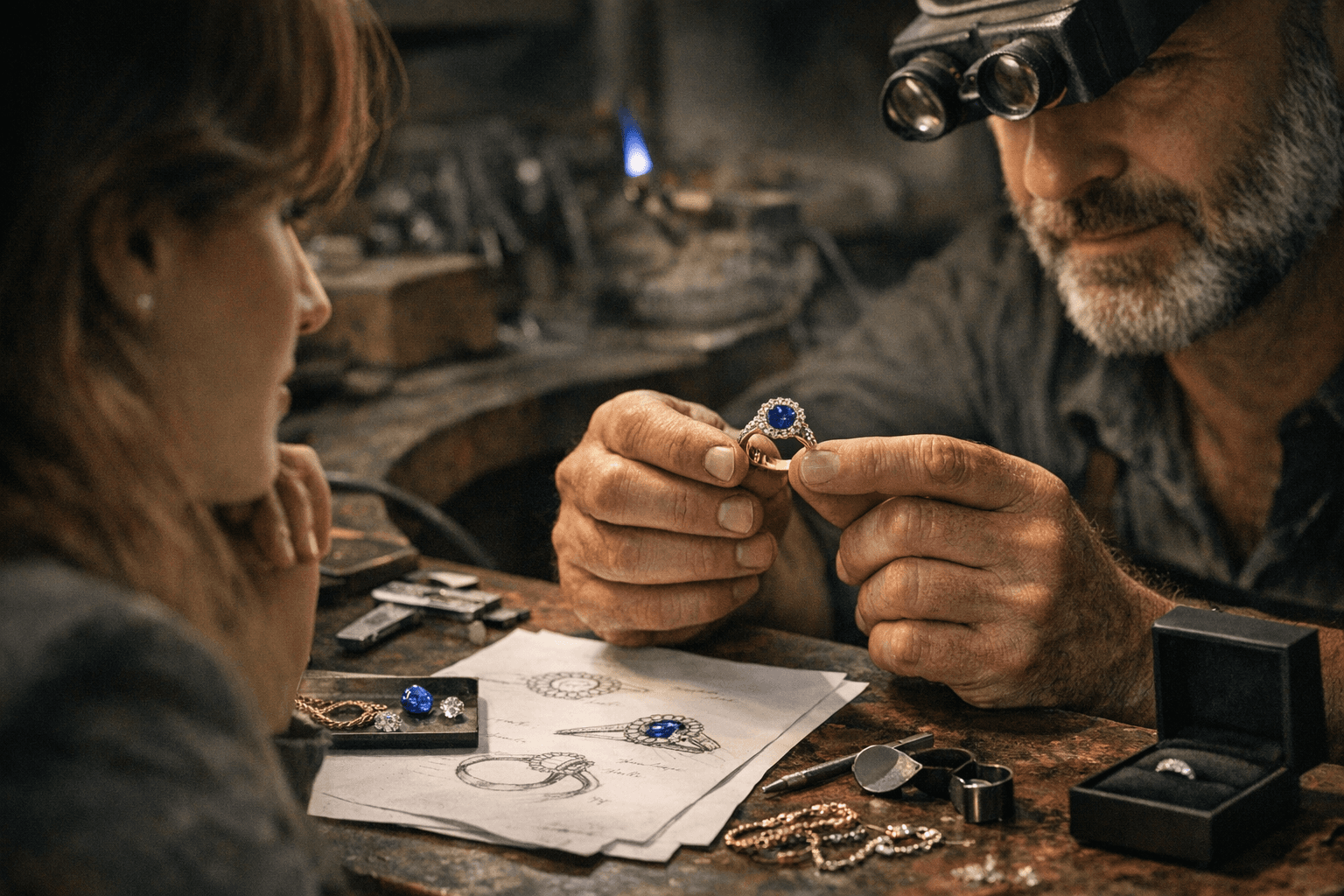
There is a particular kind of buyer's regret reserved for personalized jewelry: the ring band engraved with letters slightly too shallow to read in five years, the necklace whose "gold" coating flakes off six months in, the piece that arrived three weeks after the wedding because no one confirmed a deadline in writing. Bespoke personalized jewelry sits at the intersection of sentiment and technical craft, and it rewards the clients who treat it less like an online purchase and more like a small commissioned artwork. That means coming to the conversation prepared.
Understand the Timeline Before You Fall in Love With a Delivery Date
The first number to internalize is this: four to twelve weeks is the realistic production window for a genuinely handcrafted bespoke piece. That range accounts for design consultation, computer-aided design (CAD) rendering, casting or fabrication, stone setting, finishing, and quality checks before the piece ships. Simpler work, such as in-house engraving on a stock band or a shorter production run, can move faster, but "faster" is relative. CAD mockups alone typically require one to five business days just to render.
If you have a firm occasion in mind, count backward from the date and add a buffer of at least two weeks for revision rounds and shipping. Never anchor your commission to a best-case scenario.
The Questions Every Buyer Should Ask Before Signing Off
Metal and Hallmarking
Ask your jeweler to specify the metal by its millesimal fineness, not just by name. "Gold" is not an answer; "18-karat gold, stamped 750" is. Sterling silver should carry a "925" mark, and any reputable maker will show you where that hallmark will appear on the finished piece. Hallmarks are tiny stamped symbols that officially certify metal purity and, in many countries, are legally required. A maker who cannot identify where the hallmark will sit or who offers vague language like "gold-toned" or "gold-filled" in place of solid metal specifications is telling you something important about the piece you would be receiving.
Engraving Method and Legibility
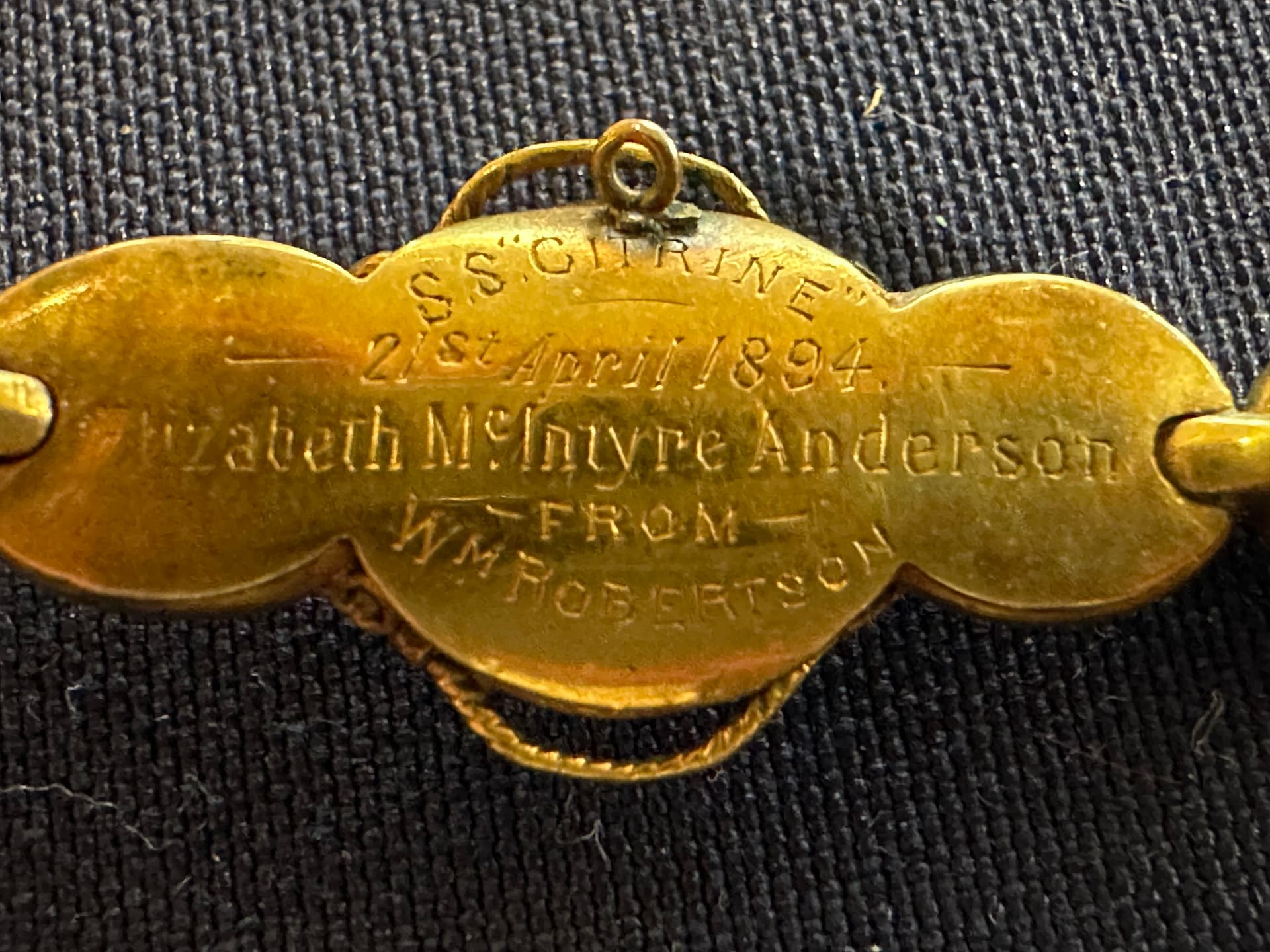
Hand engraving and laser engraving produce meaningfully different results, and neither is universally superior. Hand engraving, which works by physically removing volumes of metal with a graver, creates a warmer, slightly more organic finish and is the traditional choice for scrollwork, script lettering, and intricate motifs on soft metals like gold and silver. Laser engraving offers precision that hand tools cannot match, handles harder metals such as titanium, and reproduces complex graphic elements cleanly. For handwriting reproductions in particular, ask to see sample photographs of previous work. If a maker cannot show you a legible facsimile of actual handwriting they have engraved, that gap in their portfolio is a direct answer to your question.
Stone Provenance and Alternatives
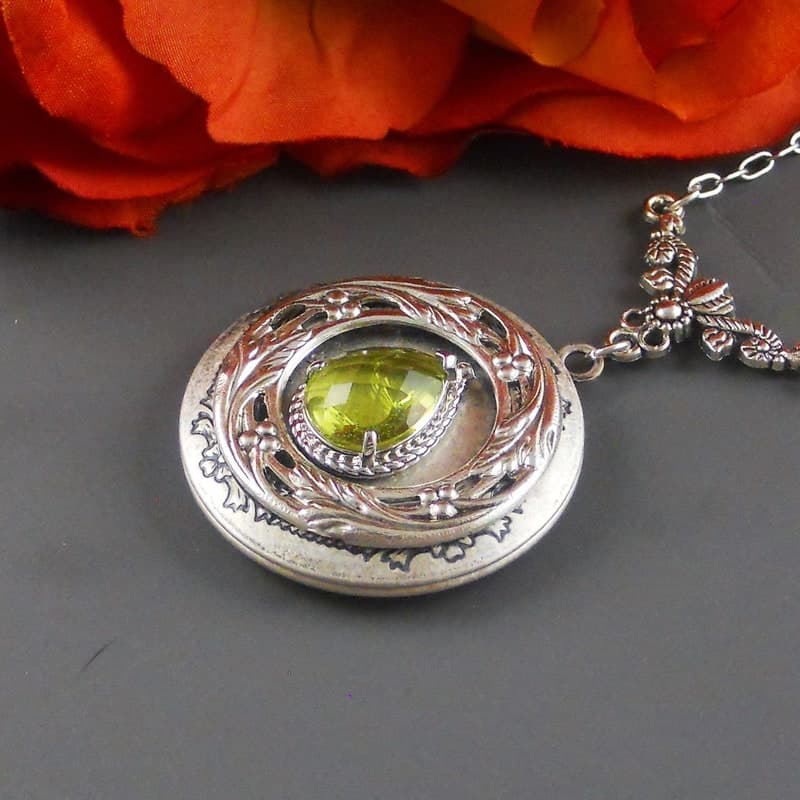
If your piece incorporates gemstones, ask about provenance and certification. Conflict-free sourcing and lab-grown alternatives are now standard conversation in any reputable studio. Ask whether the stone comes with a grading report, who supplies the maker's inventory, and what happens if the stone chips or is lost during setting. Know the difference between a prong setting, which elevates a stone and shows maximum light return but catches on fabric, and a bezel setting, which wraps the stone in a collar of metal for greater security and a cleaner silhouette. The setting choice affects both the piece's durability and its long-term maintenance needs.
CAD Visuals, Mockups, and Revision Rounds
Before any metal is cut, you are entitled to see a rendered image of your piece. A CAD mockup lets you assess proportions, legibility of text, and overall design balance before the work becomes irreversible. Confirm upfront how many revision rounds are included in the quoted price, and get the final approved design in writing or via email. That approval record protects both you and the maker.
Warranty, Resizing, and Insurance
Ask specifically whether personalized pieces are eligible for resizing and what the policy is if a stone is damaged within the first year. Some studios offer a standard warranty period covering workmanship; others require separate service agreements. For high-value commissions, ask whether the maker can provide documentation suitable for a jewelry insurance appraisal. An independent appraisal from a certified gemologist, separate from the maker's own valuation, is worth the additional cost on any piece above a few hundred dollars.
Getting the Quote Right
A trustworthy studio will provide a line-item quote that separates materials, labor, engraving, and shipping into distinct figures. This transparency matters because the proportions tell you where your money is going. A piece with a very low material cost and high labor charge signals extensive handwork. A piece priced almost entirely in materials with minimal labor may be more casting than craft.
Before you commit, confirm whether rush fees apply, what they cost, and whether the return or remake policy changes for personalized work. Most jewelers, reasonably, will not accept returns on engraved or custom-inscribed pieces, which makes the proofing stage before production the only moment to catch errors. Treat that proof like a final contract.
Red Flags Worth Walking Away From
Some warning signs are easy to miss when you are excited about a design. Watch for:
- Vague metal descriptions: "gold plated" listed without disclosure, or "solid gold" without a karat specification and hallmark commitment
- No sample photographs of previous handwriting or script reproductions
- Refusal to provide a CAD mockup or any pre-production visual
- A rushed turnaround offered without a formal proof or approval step
- No in-house quality photographs on their portfolio, or stock images used in place of their own work
Any one of these is worth a direct question. More than one is a reason to look elsewhere.
Care, Documentation, and the Paper Trail
When the piece arrives, the paperwork matters as much as the packaging. Request written aftercare instructions specific to the metal and any stones involved. Different alloys require different care: high-karat gold is softer and scratches more easily than 14-karat; sterling silver tarnishes and needs periodic polishing; rhodium-plated white gold will eventually need replating. Ask for documented evidence of any metal tests or hallmarks performed during production.
Most critically, ensure your receipt or certificate records the exact text of any custom inscription, character by character. This document serves as your reference if the piece ever needs repair or re-engraving, and it is the only written proof of what was commissioned if a dispute arises.
Bespoke personalized jewelry, done well, outlasts the occasion that inspired it. A nameplate worn for decades, a ring handed to the next generation with an inscription still sharp enough to read: those are the outcomes that justify the extra weeks and the pointed questions. The clients who get there are the ones who treated the commission like the small, serious artwork it is.
This article was produced by Prism’s automated news system from verified source data, official records, and press releases, then run through automated quality and moderation checks before publishing. The system is built and supervised by the people who set the standards it runs under. Read our full AI policy.
Did this article answer your question?