Luxury slowdown reshapes Gen Z tastes, nostalgia drives jewelry demand
Luxury is getting smaller and more intimate as Gen Z spends on pieces that carry names, dates, and birthstones instead of pure status.
Luxury is being recalibrated around feeling, not just flash. As prices climb and aspirational shoppers grow more selective, the pieces that win are the ones that can carry a daughter’s name, a mother’s birthstone, or a date that matters only to the person wearing it.
Luxury is moving from status to significance
McKinsey described the luxury market as facing “macroeconomic headwinds, shifting client preferences, and a deteriorating value proposition,” and the numbers explain why. From 2019 to 2023, the sector grew at a 5% compound annual rate, but more than 80% of that growth came from price increases. McKinsey also said 2025 was expected to be the first year since 2016, excluding 2020, in which luxury value creation would come in below the prior year.
That matters for jewelry because it changes what feels worth buying. When higher prices begin to squeeze aspirational consumers, smaller custom pieces gain power: they can still feel polished and precious, but they justify themselves through meaning rather than sheer scale. A slim pendant, a signet ring, or a delicate bracelet can now carry the emotional weight once reserved for much larger purchases.
Gen Z is buying with a different definition of success
Deloitte’s 2025 Gen Z and Millennial Survey, based on more than 23,000 respondents across 44 countries, shows a generation thinking hard about money, meaning, and well-being. Only 6% of Gen Z respondents said their primary career goal was to reach senior leadership, which is a striking clue to how they view achievement. Even their sense of work is shifting, with 74% of Gen Z and 77% of millennials saying GenAI will affect the way they work within the next year.
That outlook ripples into jewelry. If the old luxury script was about visible ascent, the new one is about personal alignment. A custom piece does not need to shout to feel special. It only needs to feel authored, as though it was made for one life, one memory, one milestone.
Nostalgia is now part of the design brief
WGSN called 2025 a nostalgia moment for millennials and Gen Z, describing them as “Forever Young Adult” generations whose life stages and milestones differ from those of their parents. That framing helps explain why personalized jewelry is resonating so strongly. These buyers are not only searching for beauty, but for objects that hold family history, private jokes, and the emotional geography of their own lives.
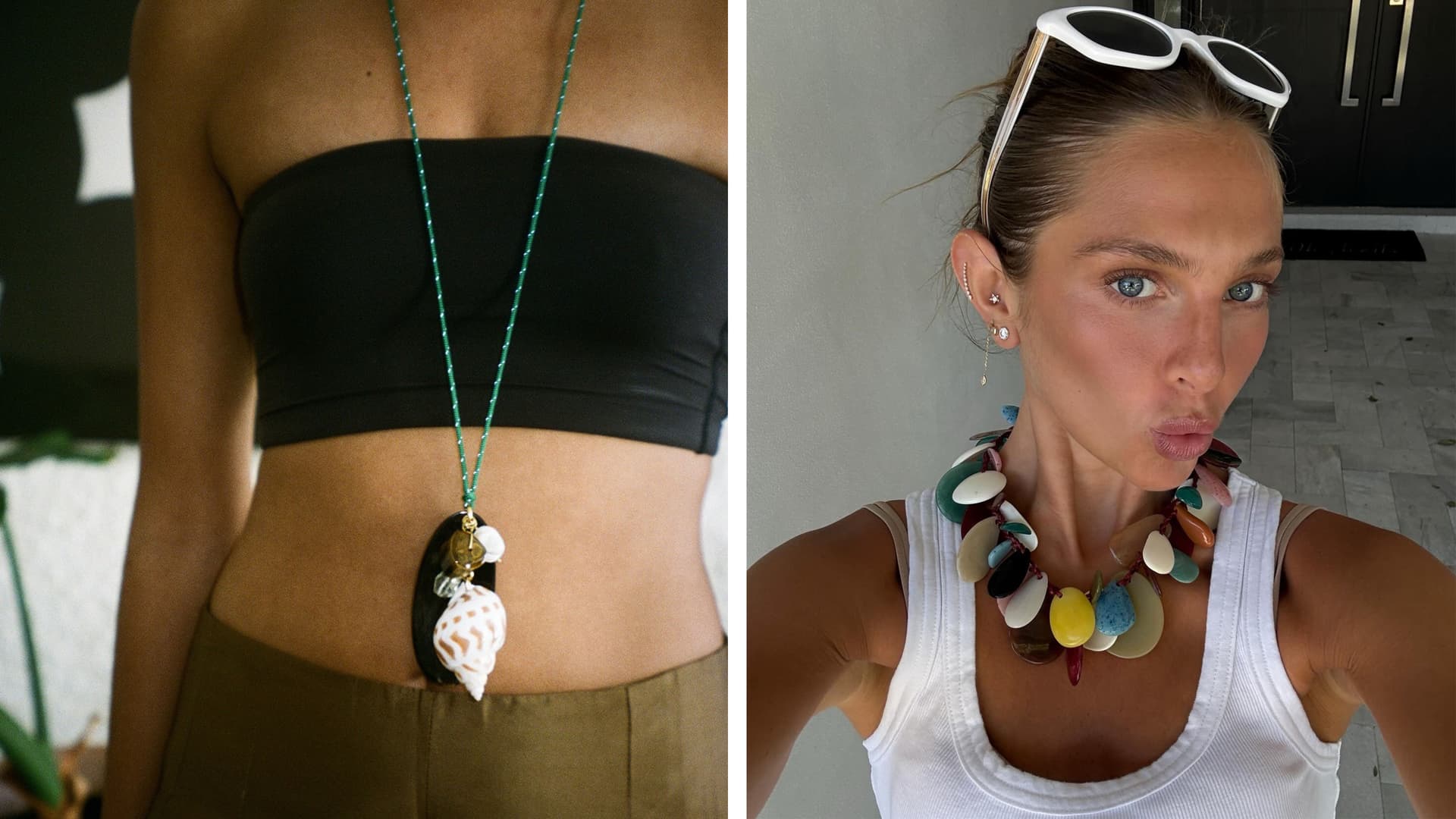
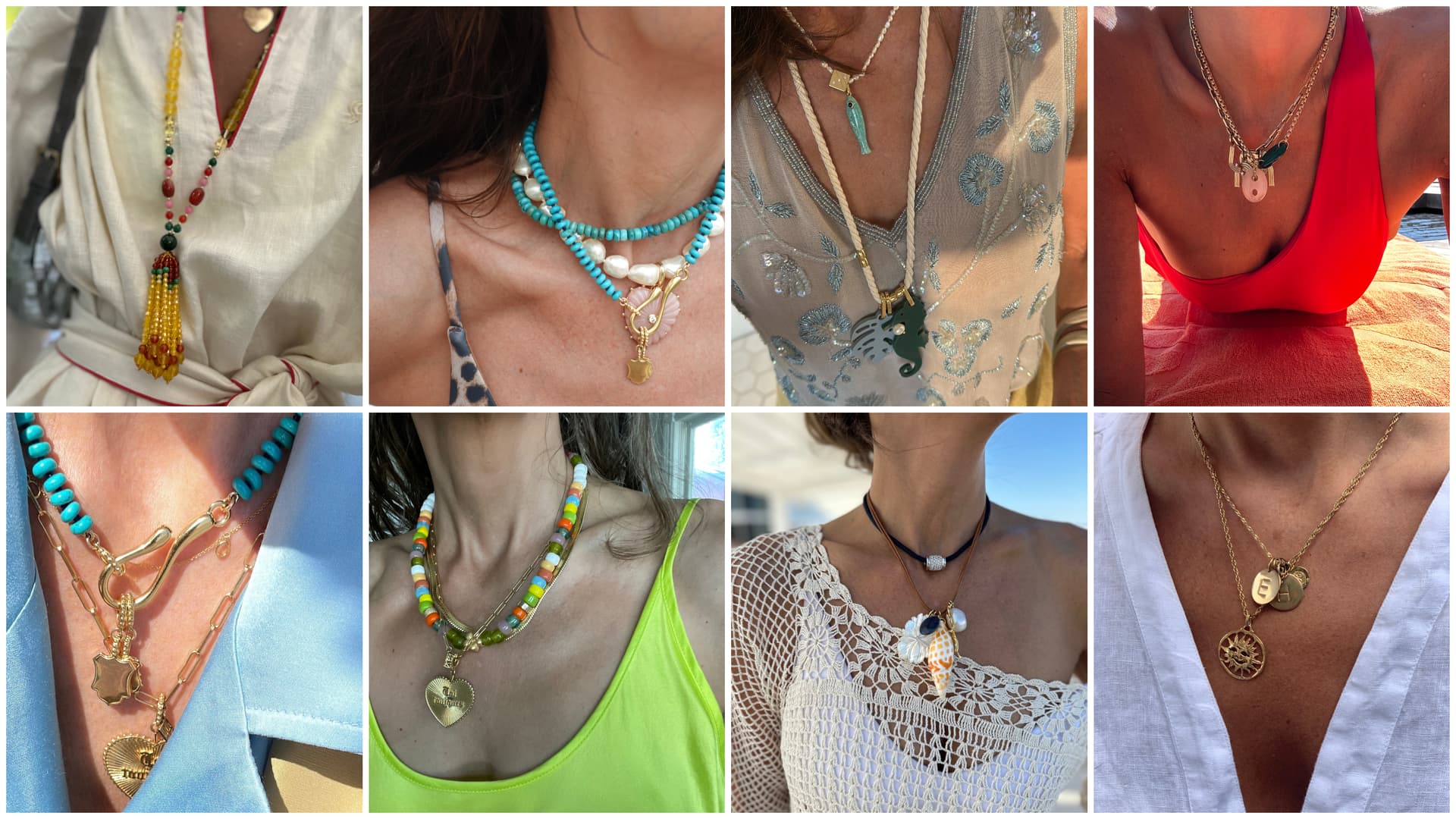
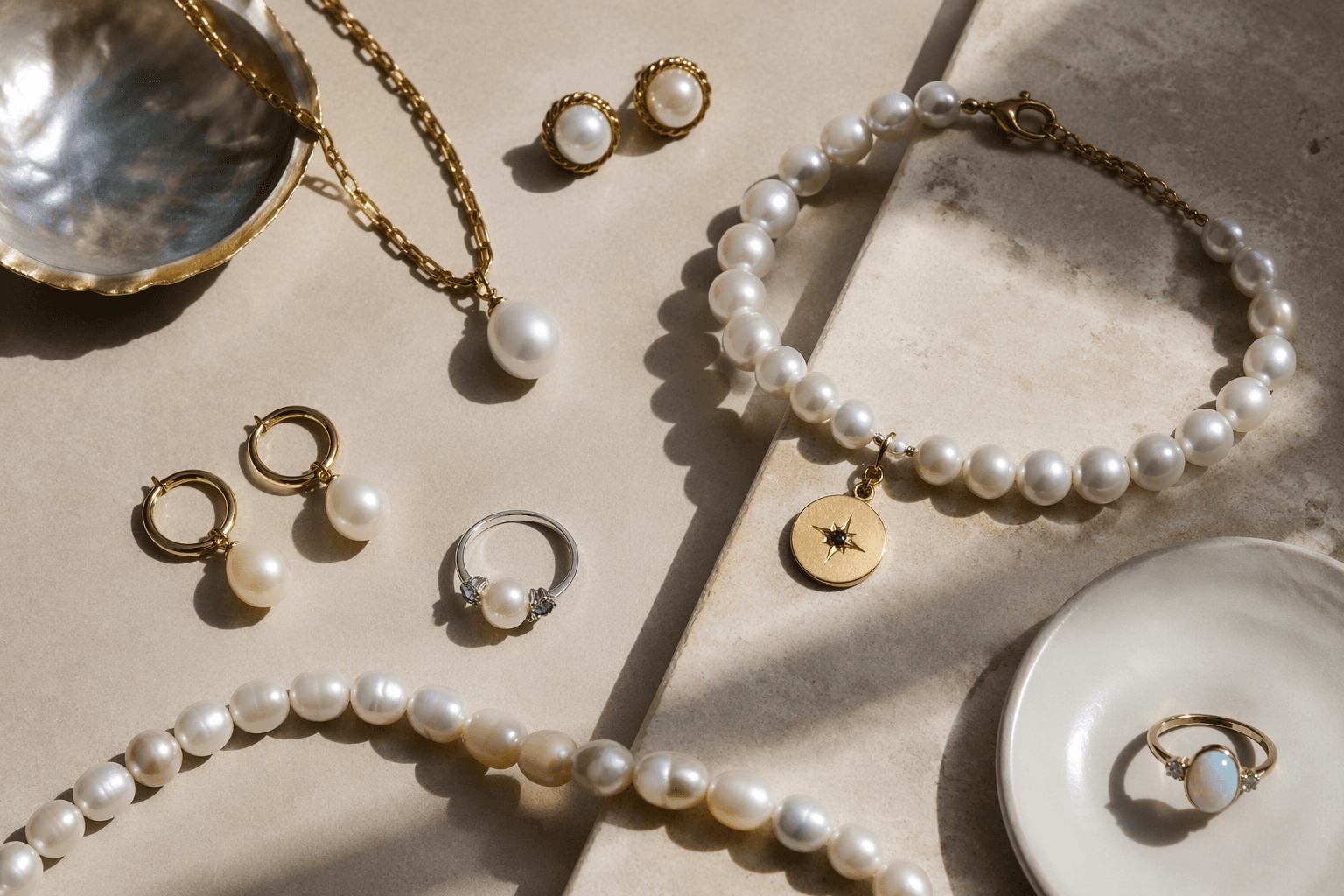
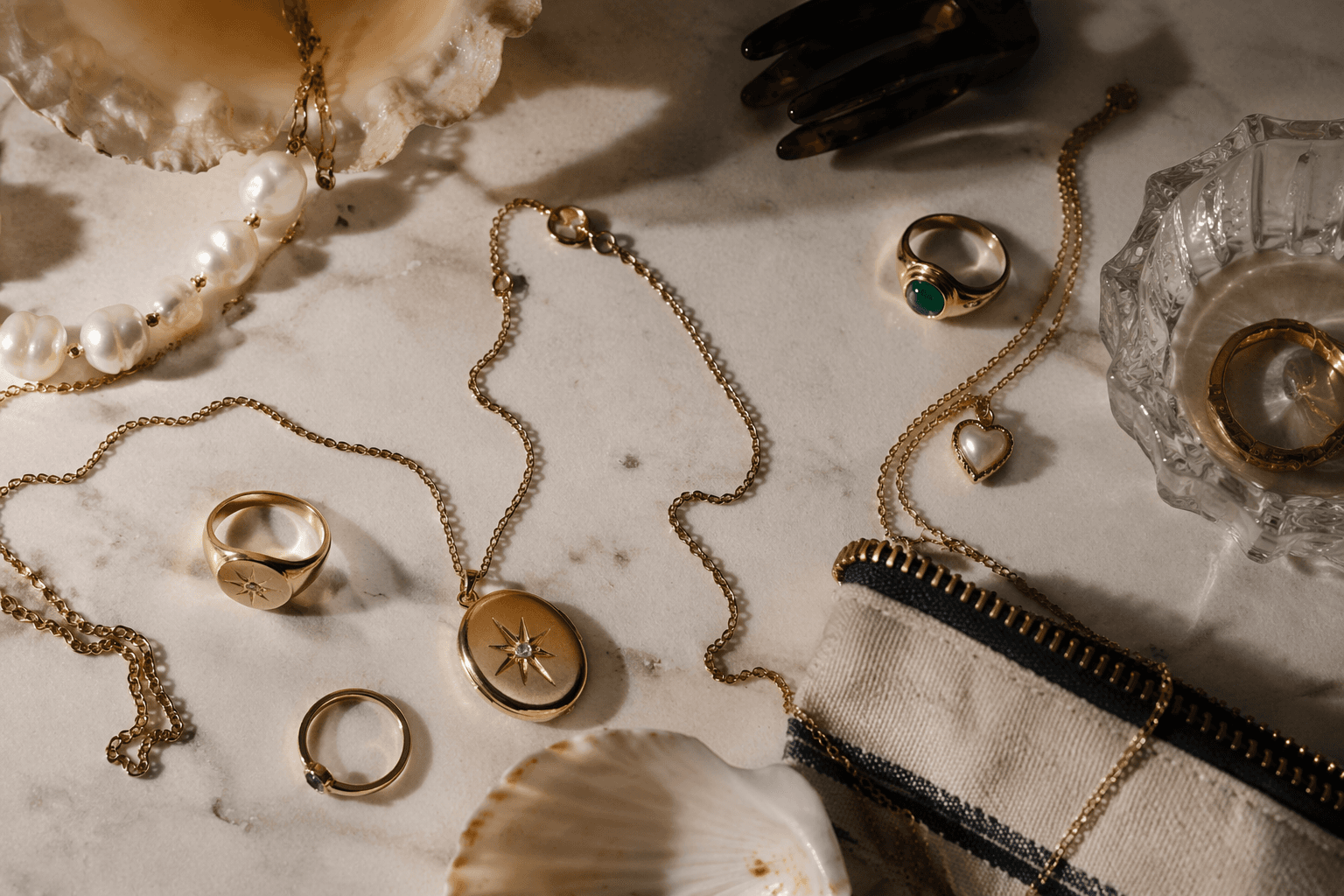
In jewelry terms, that translates into pieces with intimate references: engraved initials, monograms, birthstones, charm bracelets, lockets, and signet rings with a story behind the surface. A bezel-set birthstone feels especially right when the piece will be worn every day, because the setting protects the stone and gives the jewel a finished, low-profile edge. Prong settings, by contrast, lift a stone higher and let in more light, which can be ideal when sparkle matters more than hard-wearing security.
The most convincing custom jewelry now tends to be small but layered in meaning. A thin gold chain with a single engraved charm can feel more luxurious than a heavier, nonpersonal necklace because it is harder to replace emotionally. A ring with a mother’s birthstone, a child’s initial, or a wedding date becomes less about trend and more about ritual.
The strongest gifts are becoming more intimate
The shift in gifting is just as important as the shift in taste. Instead of defaulting to grand gestures, buyers are leaning into presents that feel specific, commemorative, and wearable every day. Personalized jewelry works especially well for birthdays, graduations, anniversaries, new babies, and family milestones because the customization itself does part of the emotional labor.
That is where the shopper’s question changes from “How large is it?” to “What does it hold?” A locket that can be engraved, a charm bracelet that can grow over time, or a monogrammed pendant that sits close to the skin all make a strong case in a market where every purchase is being scrutinized more carefully. The emotional return matters more when the financial return is uncertain.
Why the in-store experience still matters
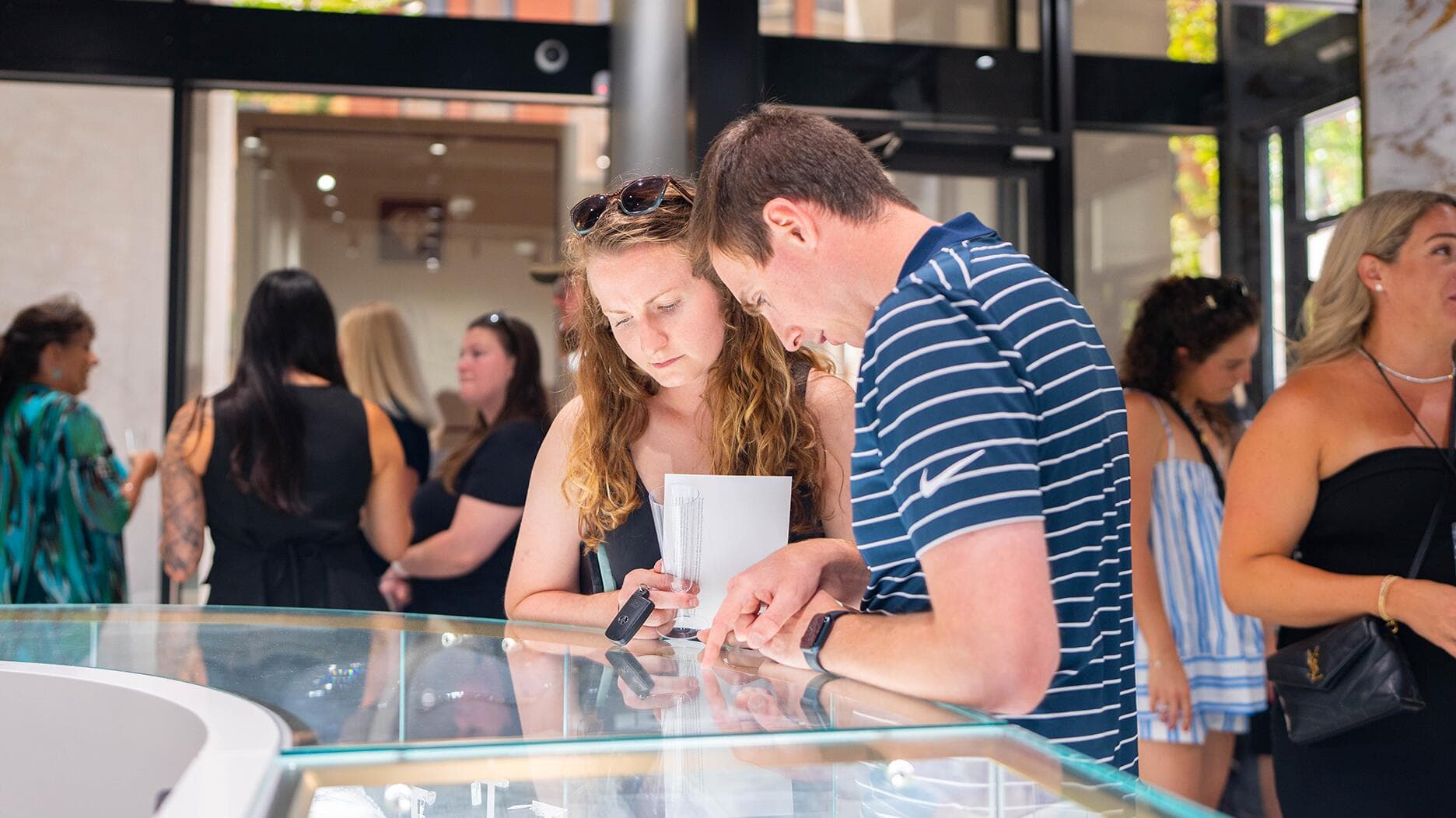
JCK said the jewelry market is expected to grow 4% to 6% over the next two years, making it one of luxury’s more resilient categories. It also reported that one-third of aspirational luxury customers surveyed felt the in-store experience had gotten worse, which is a warning sign for any retailer selling customization. Personalized jewelry asks more of the seller, not less: the client needs guidance on metal color, chain length, engraving placement, birthstone selection, and whether a design should be built for daily wear or occasional use.
That is where expertise becomes the luxury. The best custom counters do not simply offer initials on demand. They help a client understand why a bezel might protect a stone better than prongs, why a signet ring needs enough face width to make an engraving legible, and why a charm with a polished back may matter if it is meant to sit against the skin every day. In a market where the experience itself has weakened, that kind of precision feels like service and value at once.
The numbers point to a durable niche, not a passing mood
Bain & Company said personal luxury goods reached €364 billion in 2024 and were forecast to total €358 billion in 2025, while still calling jewelry one of the stronger categories alongside eyewear and fragrances. Grand View Research estimated the global jewelry market at USD 381.54 billion in 2025 and identified rising demand for luxury and personalized accessories as a key driver. Put together, those figures suggest personalized jewelry is not a decorative side trend. It is one of the few categories that can absorb the slowdown without losing its allure.
For shoppers, the lesson is simple: buy the piece that can carry a memory and still earn its place in the daily rotation. For sellers, the opportunity lies in making customization feel thoughtful, not gimmicky. In a luxury market learning to justify itself again, the smallest jewel may now carry the clearest story.
This article was produced by Prism’s automated news system from verified source data, official records, and press releases, then run through automated quality and moderation checks before publishing. The system is built and supervised by the people who set the standards it runs under. Read our full AI policy.
Know something we missed? Have a correction or additional information?
Submit a Tip