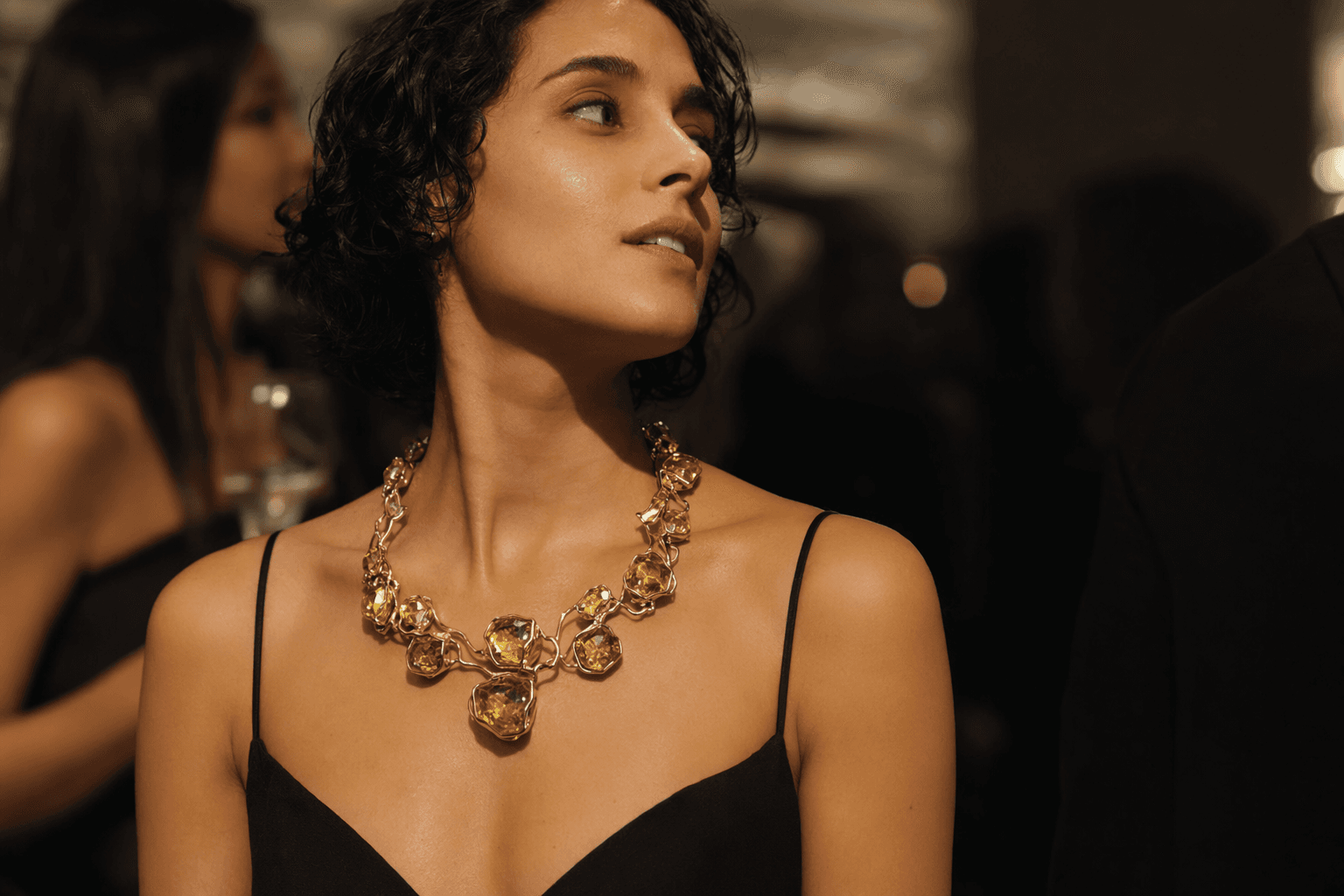
Met Gala jewelry turns the body into a storytelling canvas
The Met Gala is teaching jewelry to behave like biography. The new status piece is not just personalized, but anatomically intelligent, emotionally specific, and placed with intent.
The body is the new frame
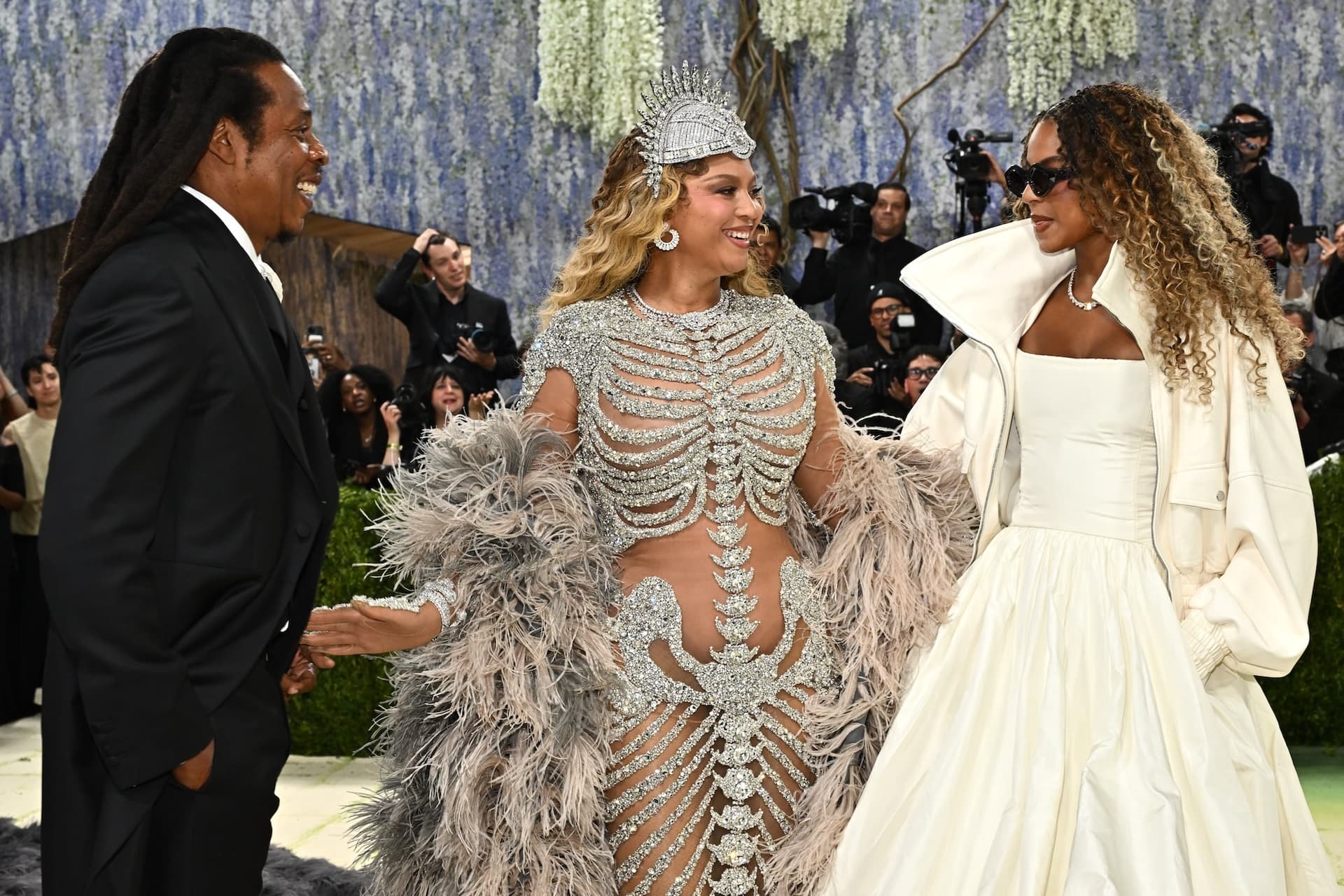
Diamonds climbed the neck, colored stones flashed against tailoring, and gold was worn where it could change the line of a look. At the 2026 Met Gala, jewelry did not sit quietly beside fashion. It acted as part of the sentence, turning the body itself into the surface where style, symbolism, and identity could be read.
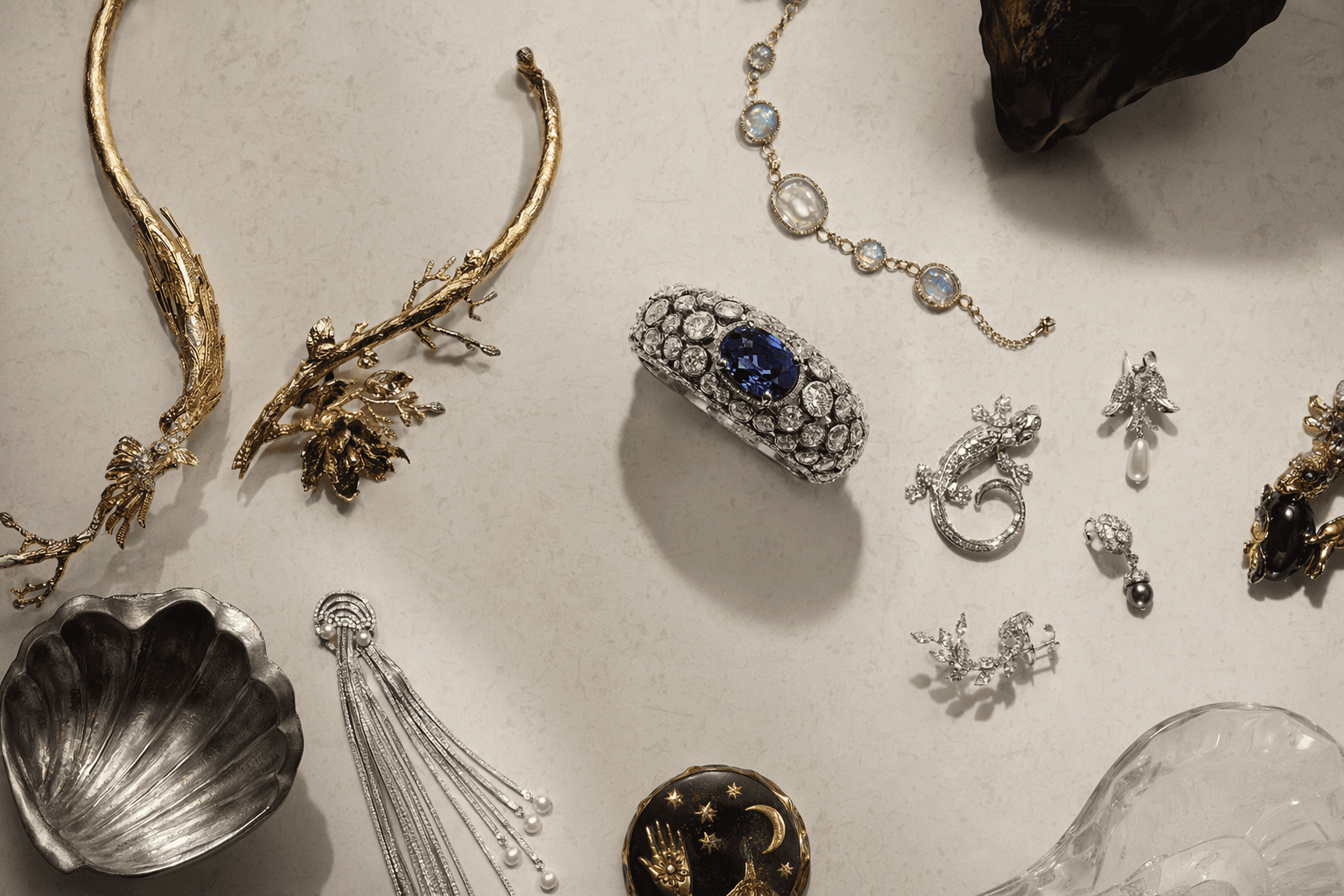
That matters because the Costume Institute Benefit is not a side event. The Met says it takes place every year on the first Monday in May and serves as the department’s primary source of annual funding. JCK reported that the 2026 gala raised a record $42 million for the Costume Institute, underscoring how central this night has become to the museum’s fashion agenda and to the industry’s larger conversation about what jewelry is supposed to do.
Fashion is art, and jewelry followed
The 2026 dress code, “Fashion is Art,” was paired with Costume Art, the inaugural exhibition in the Met’s nearly 12,000-square-foot Condé M. Nast Galleries adjacent to the Great Hall. The exhibition features nearly 400 objects and explores the intersections between fashion and art, which explains why the red carpet felt less like a parade of accessories and more like a study in composition.
JCK’s recap of the night made one argument impossible to miss: jewelry is moving away from decoration and toward expression. The publication noted a broader drift toward color and maximalism, and that frame fits the Met beautifully. When diamonds are layered, gemstones are chosen for chromatic force, and gold is deployed as a sculptural accent, the piece is no longer finishing the outfit. It is telling you something about the wearer’s mood, confidence, and point of view.
The 2025 gala showed where the shift began
The previous year already pointed in this direction. The Met announced Superfine: Tailoring Black Style on October 9, 2024, and the 2025 gala followed on May 5, 2025 with the dress code “Tailored for You.” Its co-chairs were Colman Domingo, Lewis Hamilton, A$AP Rocky, Pharrell Williams, and Anna Wintour, with LeBron James as honorary chair. The exhibition examined Black style over 300 years through the lens of dandyism, which made the entire evening feel like an argument for self-authored dressing.
JCK’s 2025 jewelry recap captured the same impulse in smaller, sharper details. Vittoria Ceretti’s layered diamond necklaces turned the neck into a vertical field of light, while A$AP Rocky’s gemstone-heavy necklace and brooch showed how jewelry can work across the torso, lapel, and line of movement at once. Those looks mattered because they treated placement as meaning. A necklace is not just a necklace when it is stacked, interrupted, or paired with a brooch to create a visual rhythm that feels personal rather than prescribed.
What personalized jewelry brands should learn
Personalized jewelry can no longer rely on the old formula of adding initials and calling the result intimate. The Met Gala’s strongest jewelry moments suggest something more exacting: consumers want pieces that understand anatomy, styling habits, and private symbolism. The best personalization now feels as though it was designed for the wearer’s body, not simply marked with the wearer’s name.
- Design for placement, not just inscription.
A necklace that sits at the collarbone, a pendant that lands at the sternum, or a brooch that changes the line of a jacket can say more than a monogram ever could. The body is part of the design language now.
- Use color as meaning, not ornament.
The 2026 emphasis on color and maximalism shows how gemstones can carry emotional charge. A thoughtfully chosen stone reads as preference, memory, or mood, especially when it is worn in layers or beside metal that changes its temperature.
- Build pieces that can move with styling habits.
Ceretti’s layered diamonds and Rocky’s necklace-and-brooch pairing both suggest that modern jewelry often works in systems, not singles. Brands that understand stacking, clustering, and modular wear will feel more current than those offering only one fixed silhouette.
- Let symbolism be specific.
Personalization is strongest when it reflects a story only the wearer fully knows. That might mean a stone chosen for a date, a setting chosen for how it catches light on a particular part of the body, or a piece that is meant to anchor a wardrobe habit the way a signature ring does.
The new luxury is intimacy with intelligence
What the Met Gala makes clear, year after year, is that jewelry has become a form of authorship. The most compelling pieces do not merely announce wealth or polish. They reveal how a person wants to occupy space, where they want attention to land, and which parts of the body they are willing to turn into narrative.
For personalized jewelry brands, that is the real lesson. The next generation of clients is not looking only for their name in metal. They want pieces that feel tuned to their frame, their cadence, and their sense of self, which is why the most persuasive jewelry now behaves less like a label and more like a second skin.
Know something we missed? Have a correction or additional information?
Submit a Tip