Personalized Engagement Rings Set to Dominate 2026, with Custom Lab-Grown Stones
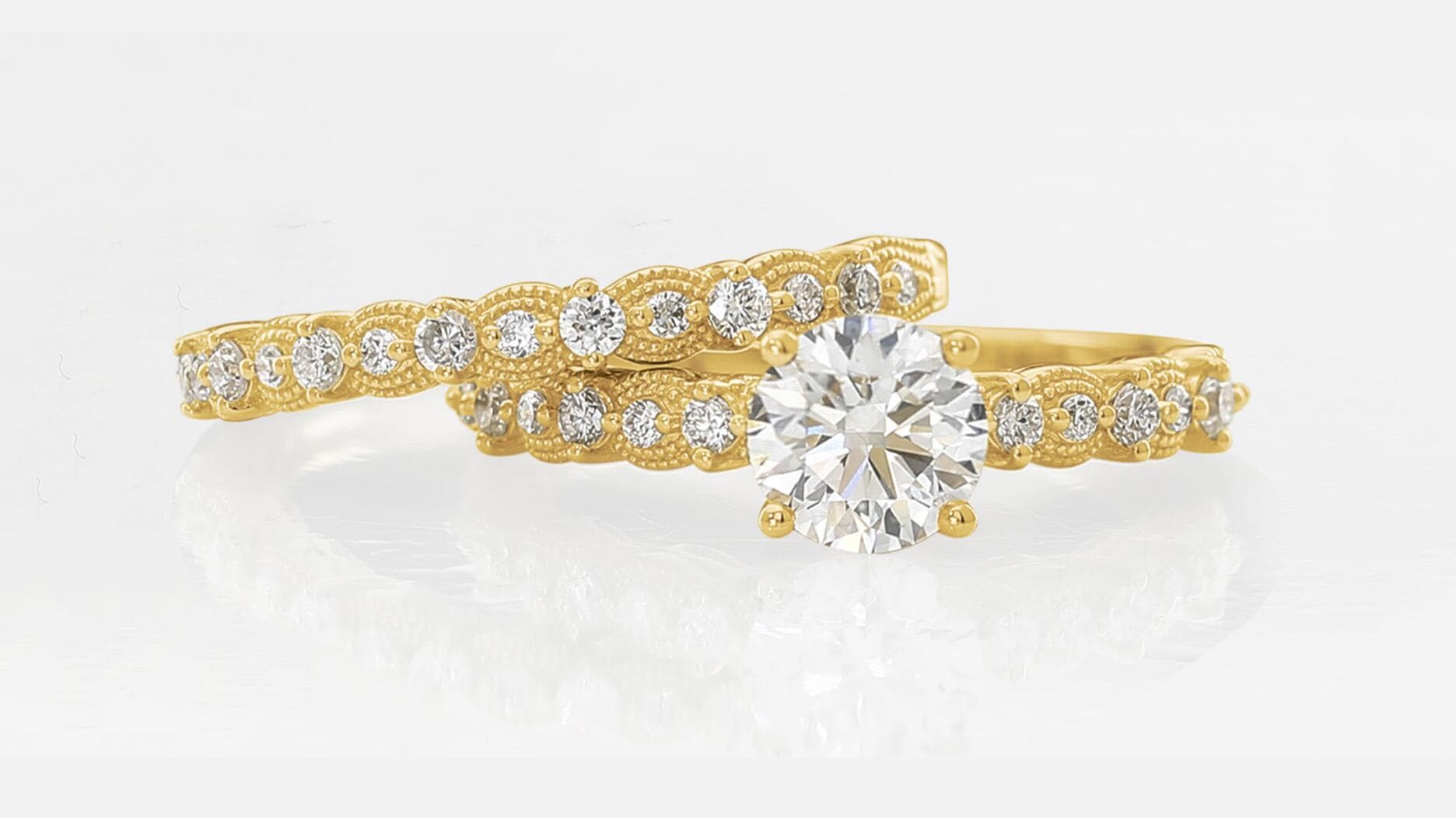
Personalization is the real 2026 ring story: custom lab-grown centers, bezel settings, and three-stone layouts turn trend pieces into personal keepsakes.
Personalization is the point
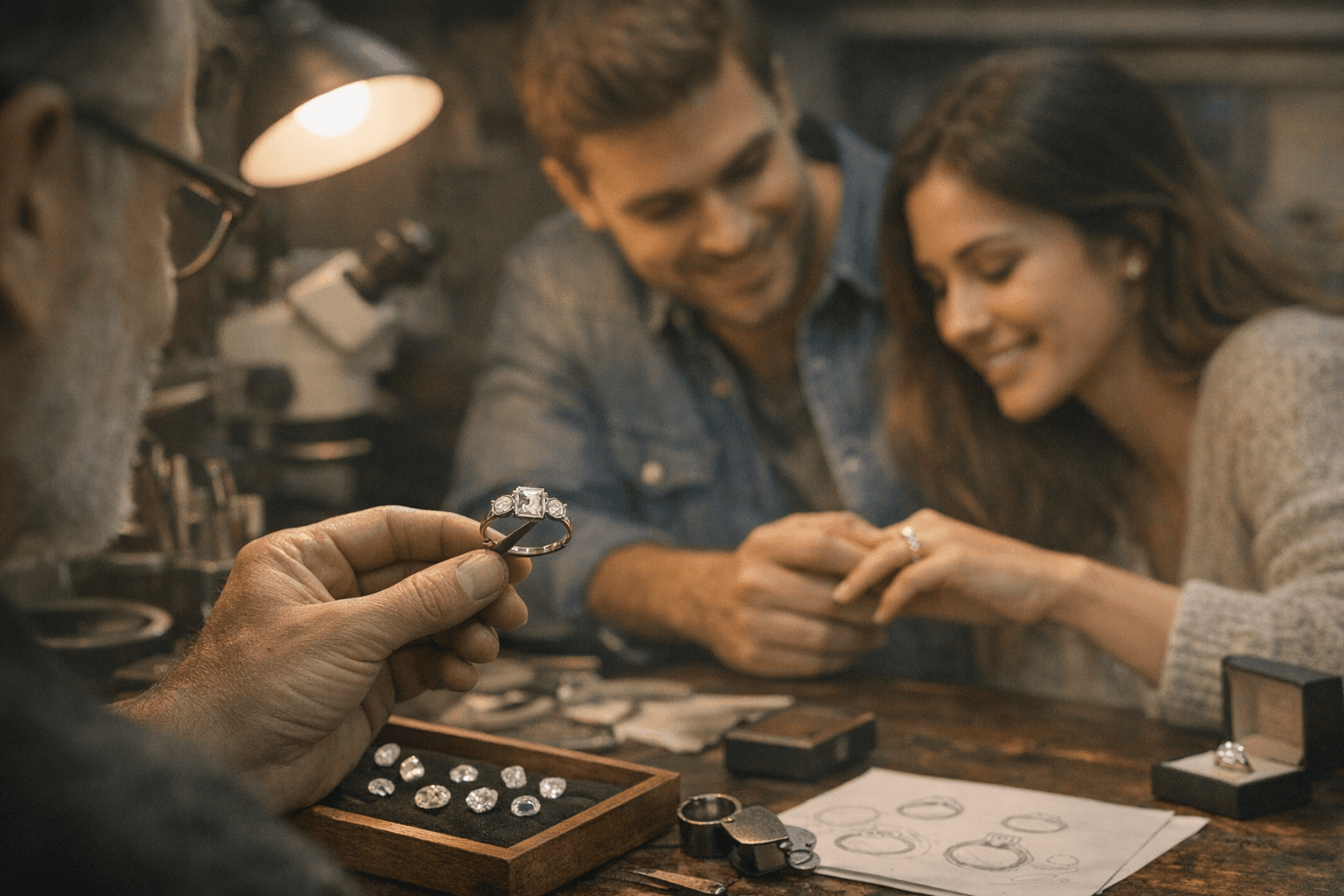
The 2026 engagement ring story is not about chasing the loudest shape or the flashiest size. It is about rings that feel authored, not assembled, with couples using design choices to make the stone, setting, and proportions reflect a specific relationship. The clearest shift is toward fully customizable rings, especially those built around larger lab-grown centers, bezel settings, three-stone layouts, and wider bands.
That matters because not every trend carries the same long-term value. Some choices are mostly aesthetic, giving a ring a current look for the season. Others, especially the ones that change how a ring is worn, read as personal decisions that can hold meaning well past the proposal.
Why custom lab-grown stones are taking center stage
Larger lab-grown stones are the most obvious expression of this shift. They let buyers prioritize visual impact without tying the ring’s identity to mined rarity, which opens more room for size, shape, and budget to work together. In practical terms, that means the center stone can be chosen for presence and proportion rather than for how closely it mirrors a traditional one-stone benchmark.
The personalization value here is real when the stone is selected with intention. A larger lab-grown center makes sense for the couple that wants the ring to feel bold, modern, and highly visible in daily life. It is less about status signaling and more about creating a center that feels intentionally sized to the wearer’s hand, style, and lifestyle.
This is also where customization separates meaningful design from simple trend adoption. A big lab-grown stone on its own is only a size statement. A lab-grown stone chosen for a specific cut, set into a setting that supports the wearer’s routine, becomes a personal object with a clear point of view.
Bezel settings are more than a clean look
Bezel settings are one of the strongest personalization trends because they change both the appearance and the experience of wearing the ring. The metal frame around the stone makes the silhouette smoother and more graphic, but it also creates a ring that feels considered for everyday wear. For buyers who live in their jewelry, that practical edge is part of the appeal.
A bezel setting is especially compelling for someone who wants the ring to feel modern without looking severe. It suits a proposal style built around daily wearability, active routines, and low-fuss maintenance. The look is polished and architectural, but the real value lies in how securely and comfortably it sits on the hand.
This is where the trend rises above surface-level styling. A bezel can make a ring feel distinctive in a way that is not dependent on size alone. It is a design choice that says something specific about the wearer: streamlined, deliberate, and uninterested in fuss.
Best fit
• The person who works with their hands and wants fewer exposed edges. • The couple who wants a ring that reads modern rather than ornate. • The buyer who prefers design choices that feel durable, not delicate.
Three-stone layouts tell the most personal story
Three-stone rings remain one of the strongest formats for customization because they naturally invite narrative. The arrangement already suggests a relationship between stones, which makes it easy to build in symbolism without forcing it. Couples can use the side stones to echo a past, present, and future theme, or simply to create a look that feels more individualized than a single-center solitaire.
What makes this trend durable is that it works on two levels at once. Visually, the layout gives the center stone more presence and creates a wider, more composed profile. Emotionally, it allows the ring to carry meaning through proportion, contrast, and stone choice rather than through engraving or hidden details alone.
For a proposal with sentimental weight, this is one of the best formats available. It suits someone who wants the ring to feel like a chapter rather than a display case object. The three-stone layout feels especially strong when the stones are chosen with clear intent, whether that means matching shapes or deliberately mixing them for contrast.
Best fit
• The sentimental buyer who wants the ring to symbolize a relationship timeline. • The person who likes a balanced, substantial look on the hand. • The couple who wants meaning built directly into the structure of the ring.
Wider bands are becoming a canvas, not an afterthought
Wider bands are part of the same personalization movement because they change the scale of the ring completely. They give designers more room to shape proportion, texture, and visual weight, which makes the band feel like a key design element instead of a support structure. That extra surface area can make the whole ring feel custom even before any stone choice enters the picture.
For shoppers, this is one of the clearest ways to move beyond a standard engagement ring template. A wider band can make a bezel feel more grounded, a three-stone ring feel more architectural, and a larger lab-grown center feel more balanced. It also suits couples who want the ring to look intentional from every angle, not just from the top.
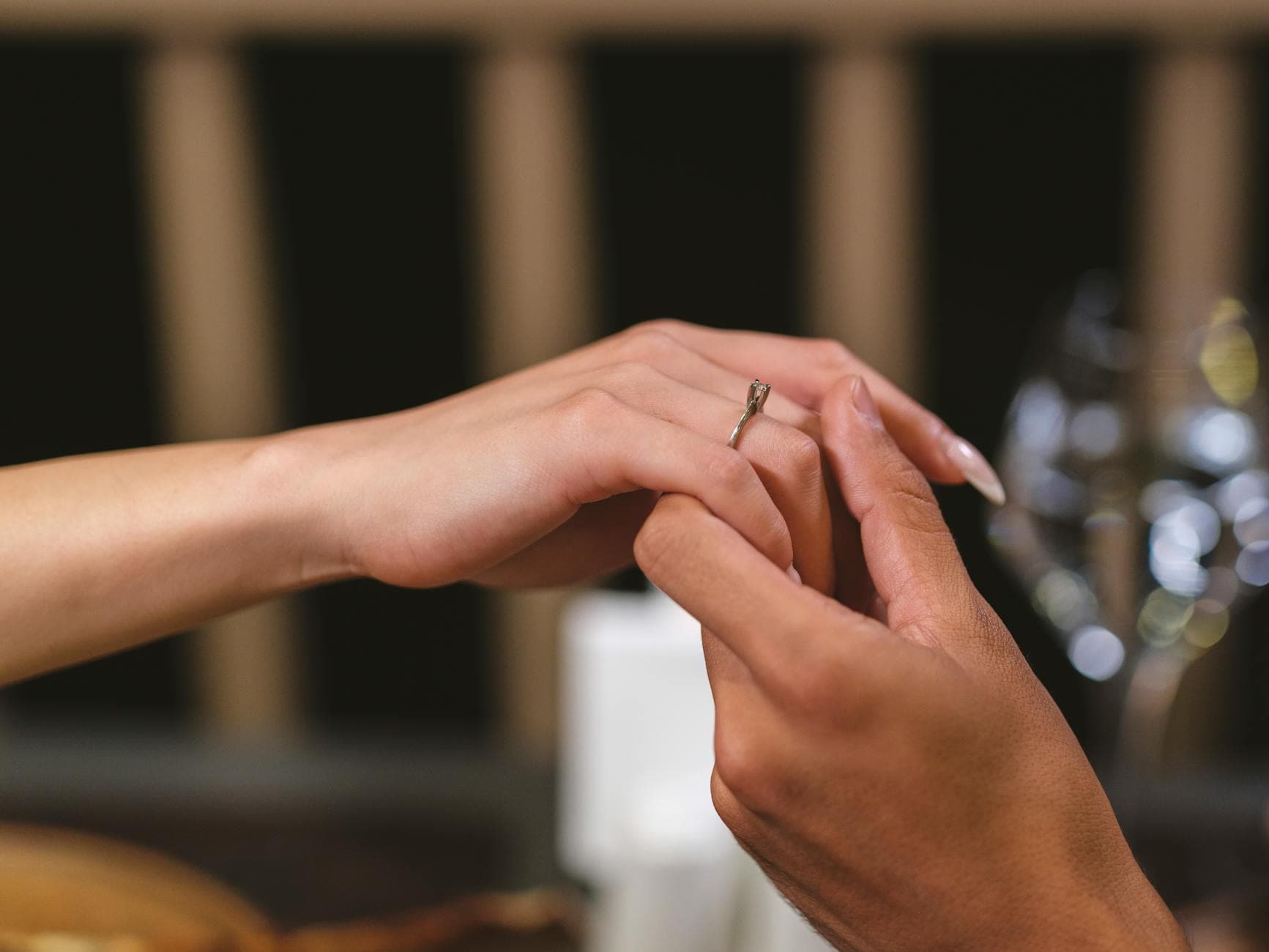
This is where personalization becomes visible in daily wear. A wider band changes the ring’s presence on the hand and often makes the piece read as more contemporary. It is a strong choice for someone who wants a ring with substance, not fragility.
Which 2026 trends are truly personal, and which are just aesthetic swings
Not every popular engagement ring look deepens the story behind the piece. Some trends are mostly about surface appeal, with a new shape or proportion delivering the novelty. The trends that matter most in 2026 are the ones that let the wearer make clear decisions about how the ring lives on the hand and what it says about the relationship.
- A bezel setting for protection and a clean silhouette.
- A three-stone layout for symbolism and proportion.
- A larger lab-grown center for presence and flexibility.
- A wider band for structure, comfort, and a more tailored feel.
The most meaningful custom choices are the ones that connect design to use:
By contrast, changes that only alter the ring’s look without changing how it wears tend to age faster. A ring becomes more personal when the customization is visible in the form and felt in the experience. That is the difference between a trend piece and a keepsake.
How different buyers will use these trends
The best engagement ring in this moment is the one that matches the wearer’s life as closely as it matches the proposal. A practical, hands-on person may gravitate toward a bezel and a wider band because both support everyday wear. Someone who wants symbolism front and center may find the three-stone layout more compelling, especially if the stones are chosen to mark a shared story.
For buyers prioritizing visual impact, a larger lab-grown center offers room to create a striking ring without losing control over the final design. For couples who want a piece that feels unmistakably theirs, the strongest path is often a combination of these elements rather than just one. A bezel with a lab-grown center, or a three-stone ring on a wider band, can feel far more personal than a conventional setting with a bigger stone.
That is why personalization is not a side trend for 2026. It is the main event. The rings that will matter most are the ones that look specific enough to belong to one couple alone, and thoughtful enough to stay relevant long after the proposal has passed.
This article was produced by Prism’s automated news system from verified source data, official records, and press releases, then run through automated quality and moderation checks before publishing. The system is built and supervised by the people who set the standards it runs under. Read our full AI policy.
Did this article answer your question?